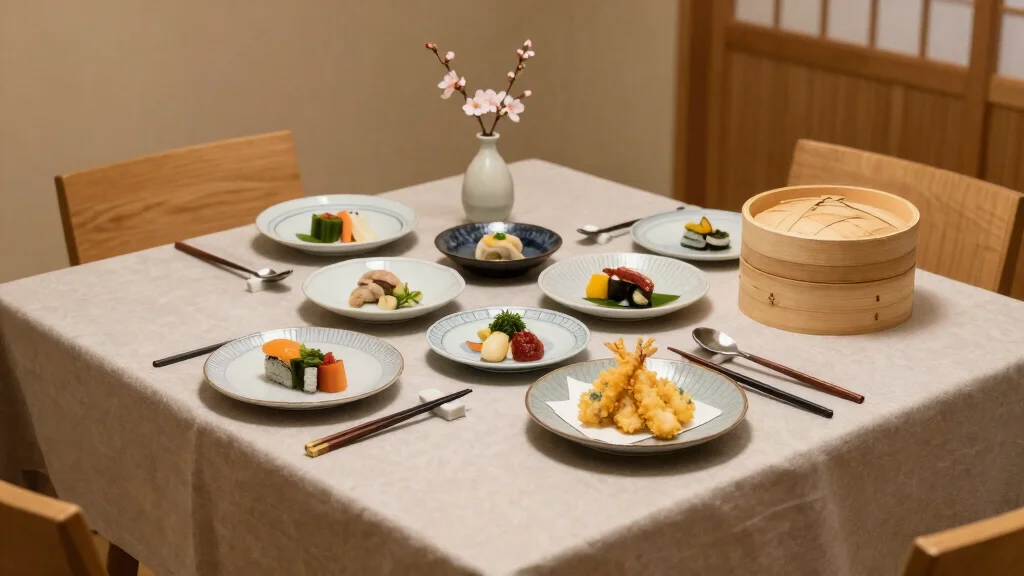
The pursuit of beautiful dining experiences has led many of us to seek inspiration from different cultures. Recently, I’ve found myself captivated by the elegance of Japanese plating. The way they present food is not just about nourishment; it’s an art form that celebrates simplicity and beauty. I created this post to share some minimalist Japanese plating ideas that can elevate your home dining experience.
If you’re someone who appreciates minimalist home decor and wants to bring a touch of Japan into your meals, you’re in for a treat. This blog post is tailored for food lovers, home decor enthusiasts, and anyone looking to make their dining table a canvas of creativity. You’ll discover 16 unique plating ideas that focus on clean lines, natural elements, and the beauty of negative space.
What you’ll gain is a comprehensive guide filled with practical tips and inspiration that will help you embrace the essence of Japanese table setting. Not only will your meals look stunning, but you’ll also create an inviting dining atmosphere that reflects the peaceful aesthetics of zen-inspired decor. Let’s dive into the world of artistic dish presentation that resonates with modern dining aesthetics.
Key Takeaways
– Embrace Negative Space: Learn how to use empty space on your plate to draw attention to the food itself, creating a clean and balanced presentation.
– Layered Colors: Discover the beauty of using vibrant ingredients that contrast well against simple backgrounds to make each dish pop visually.
– Symmetrical Arrangements: Find out how arranging your food in a symmetrical manner can create a visually pleasing and harmonious dining experience.
– Natural Elements: Incorporate organic materials like bamboo or stone in your plating to connect your presentation with nature, enhancing the overall aesthetic.
– Quality Tableware: Understand the impact of selecting the right plates and utensils, as high-quality tableware elevates the entire dining experience.
1. The Art of Negative Space
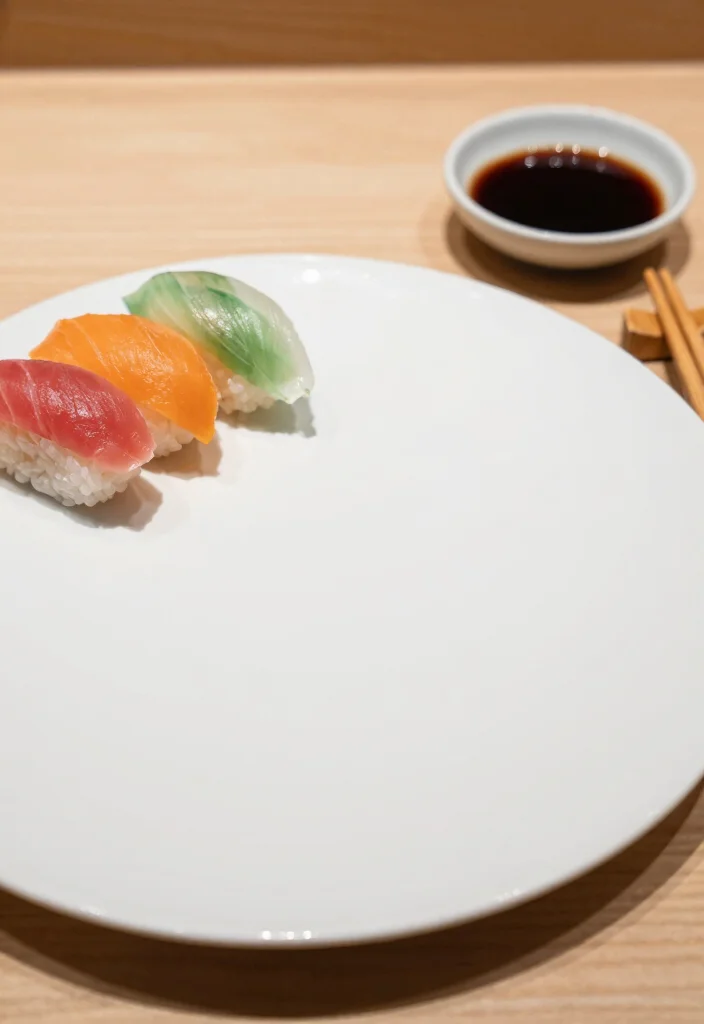
Have you ever felt overwhelmed by a plate that’s just too busy? Embracing negative space in your plating can be a game changer. This technique highlights each ingredient, allowing their natural beauty to shine without distraction.
When you plate your dishes, think about leaving a generous portion of the plate empty. This minimalist approach not only creates a beautiful aesthetic but also balances the presentation. For example, if you’re serving sushi, position a few pieces neatly in one corner while leaving the rest of the plate open. This draws the eye to the colors and textures of the sushi, making them the stars of the show.
Tips for Mastering Negative Space:
– Choose a large plate for striking contrast.
– Stick to a color palette that enhances the food.
– Play with various textures to keep it interesting.
– Avoid overcrowding to maintain appeal.
With this technique, your dishes will not only taste incredible but also look visually stunning.
2. Layered Colors
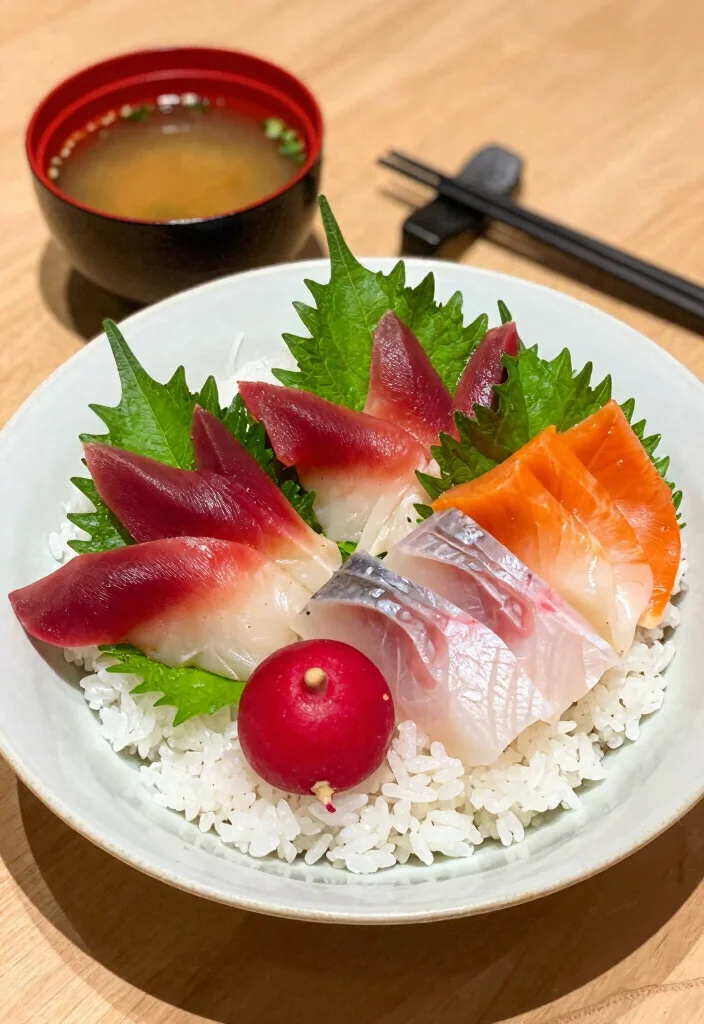
Are you looking to elevate your dishes visually? Layering colors can transform even the simplest meals into vibrant presentations. By selecting contrasting ingredients, you can create plates that beautifully showcase the essence of Japanese cuisine.
For instance, pair bright red radishes or deep green shiso leaves with the neutral tones of rice and fish. This contrast not only adds vibrancy but also creates a sense of elegance on your plate.
Key Components for Effective Layering:
– Mix contrasting colors and textures for depth.
– Utilize natural variations in fresh ingredients.
– Arrange food to highlight each layer’s beauty.
Always keep in mind the placement of each element to ensure your dish is both inviting and visually appealing.
Layered Colors turn simple ingredients into a scene worth sharing. With japanese plating, pair bright accents against neutral rice and fish to create elegance you can taste. Start with a bold red radish or deep green shiso and watch the plate tell its story.
How To Choose The Right Japanese Plating Techniques
Choosing the right Japanese plating techniques can elevate your dining experience at home. With an emphasis on minimalism and elegance, these techniques can enhance your meals while keeping your table setting beautiful and tranquil. Here are some key points to consider when selecting the best methods for your home dining setup:
1. Consider the Dish Type
Different dishes demand different plating techniques. For instance, a delicate sashimi requires a different approach than a hearty ramen bowl. Think about the textures and flavors of your meal. Choose a technique that complements the dish, ensuring it stands out without overshadowing it.
2. Embrace Negative Space
Negative space is crucial in Japanese plating. It involves leaving empty space on the plate to create balance and focus. This technique draws attention to the food itself, making it appear more elegant. Aim for a balanced composition where the food occupies a small area among a larger empty space.
3. Choose Harmonious Colors
Color plays a vital role in Japanese plating. Select ingredients that not only taste good together but also look appealing. A harmonious color palette can enhance the aesthetic quality of your dining experience. For example, pairing vibrant greens with soft whites or deep reds can create an eye-catching presentation.
4. Incorporate Seasonal Ingredients
Using seasonal ingredients is an integral part of Japanese cuisine. They not only taste better but also look fresh and vibrant on the plate. Choose ingredients that reflect the current season, enhancing both flavor and presentation. This can give your meal a sense of timeliness and connection to nature.
5. Focus on Quality Tableware
The type of tableware you use can significantly impact the overall presentation. High-quality, simple ceramic plates or wooden serving boards can enhance the look of your meal. Invest in pieces that resonate with minimalistic aesthetics. Clean lines and subtle textures can elevate the dining experience.
6. Practice Mindful Eating
Japanese dining is not just about food presentation; it’s about the experience as well. Encourage mindfulness while eating. This means taking time to appreciate the flavors, textures, and visual appeal of your meal. Create an environment that promotes relaxation, such as a minimalist table setting, to enhance this experience.
Pro Tip: Experiment with different techniques to find what resonates with you. Don’t be afraid to mix and match styles or create your own unique plating method. The goal is to bring joy and elegance to your dining experience! 🍽️
3. Symmetrical Arrangements
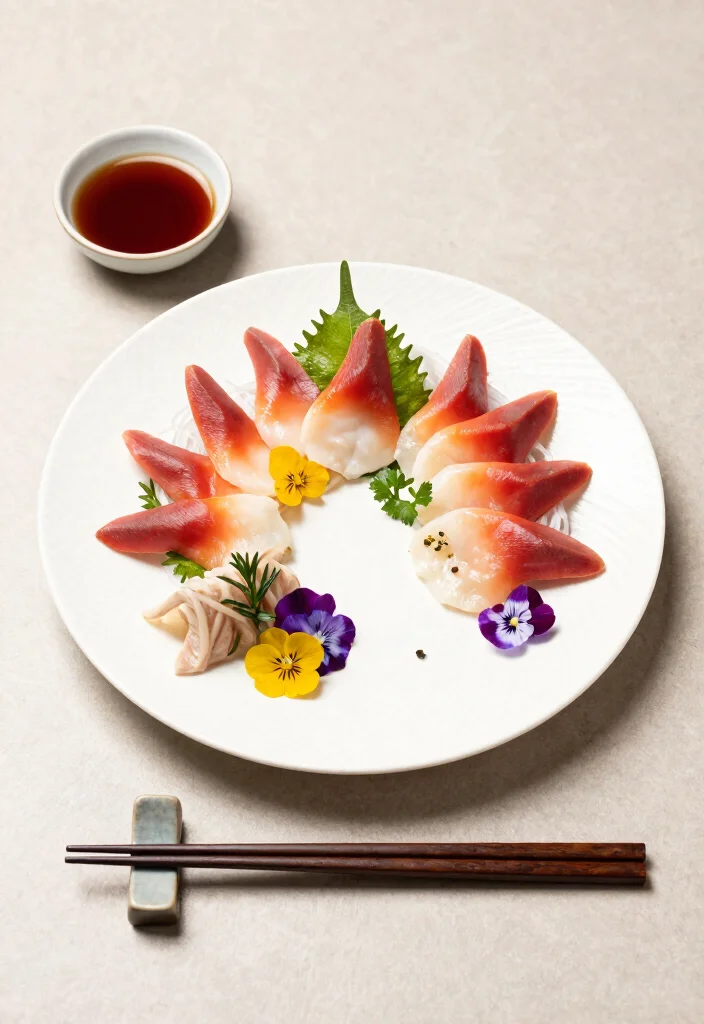
Do you crave balance in your meals? Symmetrical arrangements can draw the eye and highlight the beauty of each component on your plate. Whether you opt for circular or square dishes, symmetry promotes harmony and elegance.
Imagine arranging your main dish, sides, and garnishes in a mirrored layout around the center of the plate. This thoughtful approach not only showcases each element but also enhances the overall dining experience.
Tips for Achieving Symmetry:
– Use similarly sized components for balance.
– Experiment with shapes to keep it interesting.
– Keep garnishes simple to complement the main dish.
By focusing on symmetry, you create a curated dining experience that feels intentional and special.
Symmetrical Arrangements
Editor’s Choice




4. Elevated Heights
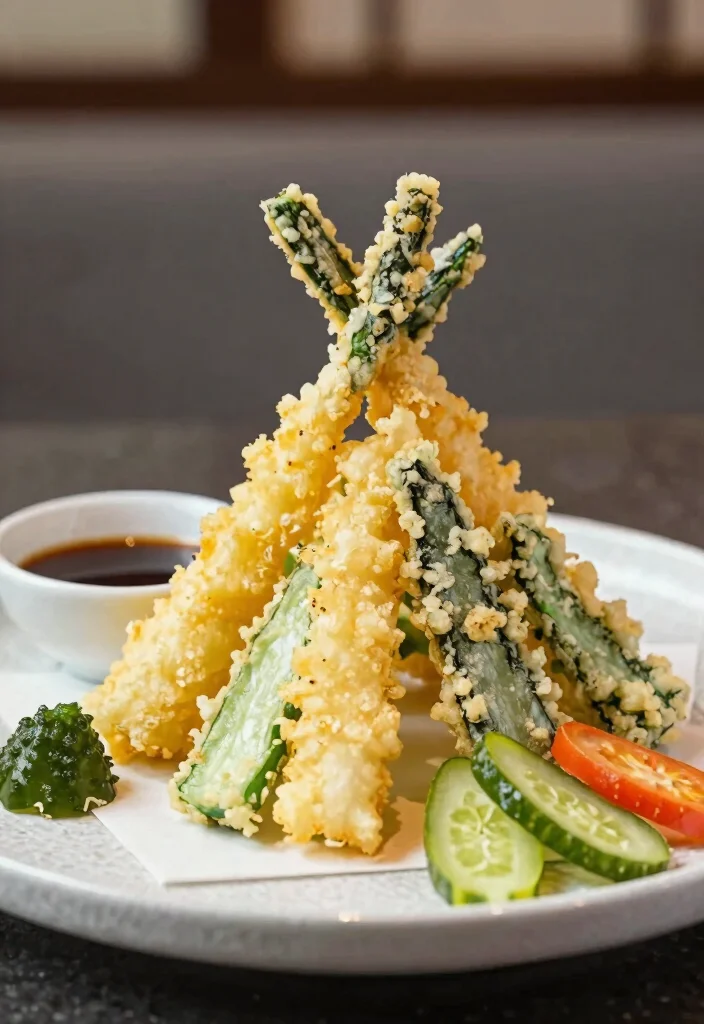
Want to impress at your next dinner? Adding height to your plating can create a sophisticated look that engages diners. By stacking ingredients or using raised elements, you can introduce visual intrigue to your meal.
Picture a small tower of layered tempura elegantly draped over a side of crispy pickles. You can achieve this height variation with tiered plates or by arranging components in a way that naturally elevates.
To Create Height:
– Use small bowls or cups for sauces, garnishes, or side dishes.
– Thoughtfully layer ingredients; for instance, a bed of rice can serve as a base for beautifully arranged vegetables.
– Always ensure stability to prevent spills.
This approach makes your meal not just a feast for the palate but a visual delight, enhancing the overall experience.
5. Focus on the Edges
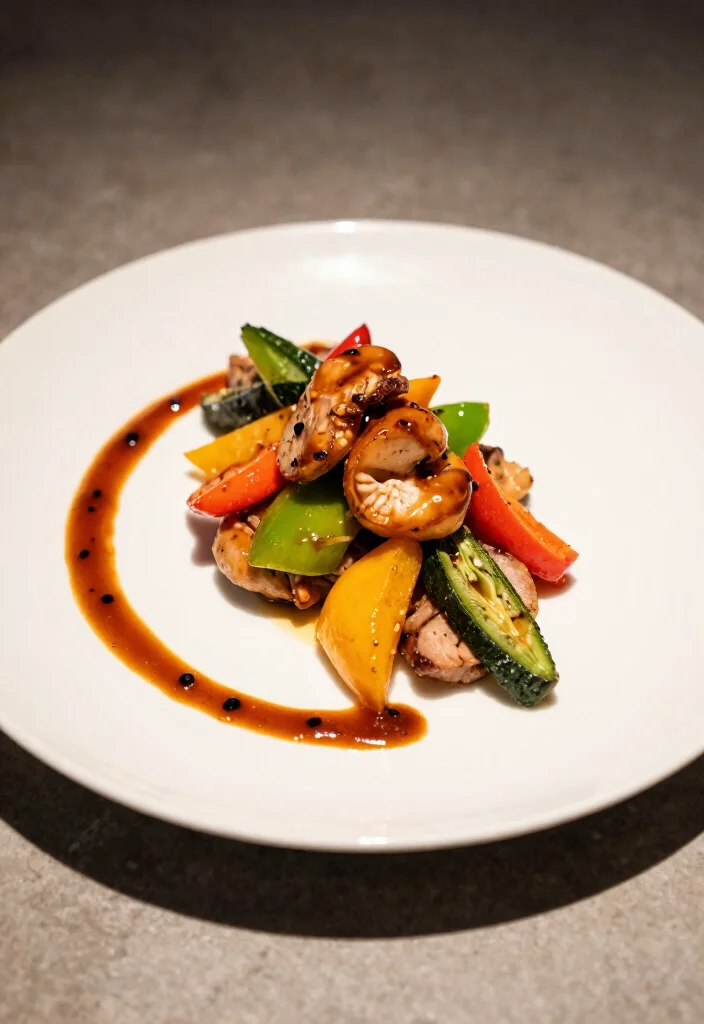
Are you looking for a captivating way to present your dishes? Using the edges of your plates can create an enticing focal point while embracing minimalism. This technique aligns beautifully with the Japanese concept of ‘wabi-sabi,’ which celebrates the beauty in imperfection.
When plating, think about arranging small garnishes or sauces along the rim of the plate rather than just in the center. For example, a vibrant sauce or a colorful garnish can create a stunning visual frame around your dish.
Helpful Tips for Edge Plating:
– Choose uniquely shaped plates that inspire creative edge designs.
– Keep garnishes light and airy to avoid overshadowing the main dish.
– Use contrasting colors to make the edges pop.
By focusing on the plate’s edges, you maintain a clean presentation while drawing attention to the beautiful details.
Focus on the Edges
Editor’s Choice


6. Natural Elements
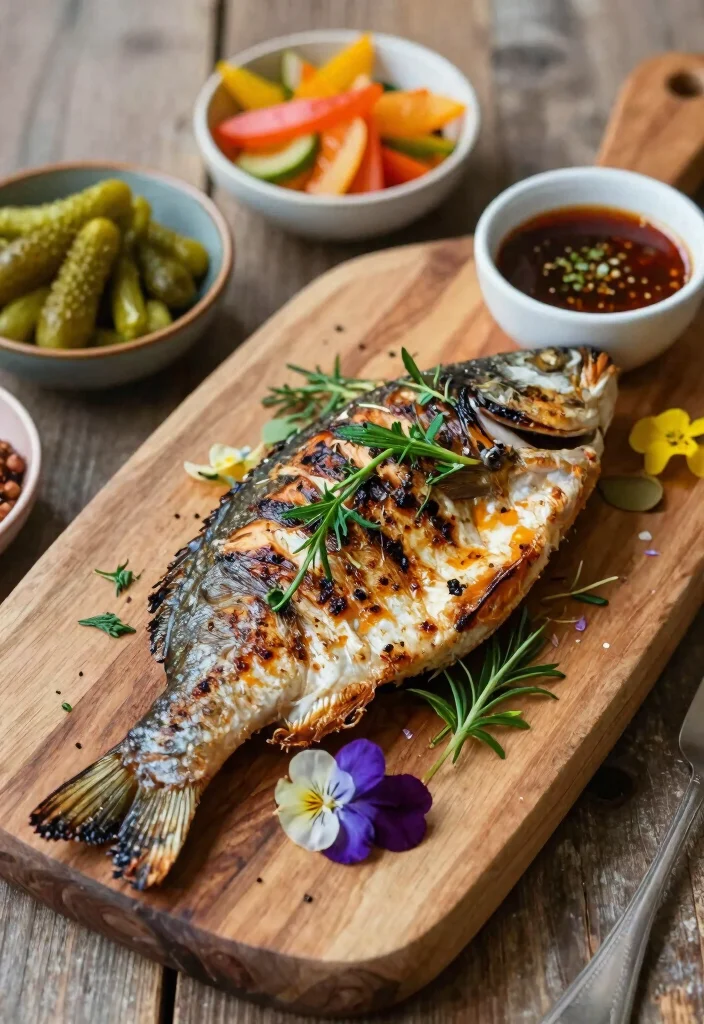
Looking to connect your meal with nature? Incorporating natural elements into your plating can evoke tranquility and freshness. Choosing ingredients and garnishes that highlight the seasonality of your dish adds an organic touch.
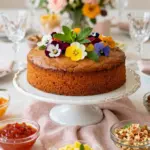
Utilizing herbs, edible flowers, or bamboo leaves can enhance the presentation. For instance, a simple grilled fish can be garnished with fresh herbs and served on a wooden platter for a rustic feel.
Ideas for Natural Touches:
– Use seasonal produce for vibrant freshness.
– Incorporate edible flowers for color and elegance.
– Opt for wooden or stone serving dishes to complement the food.
These choices create a harmonious blend of flavors and visuals, making your dining experience feel grounded and authentic.
7. Textured Layers
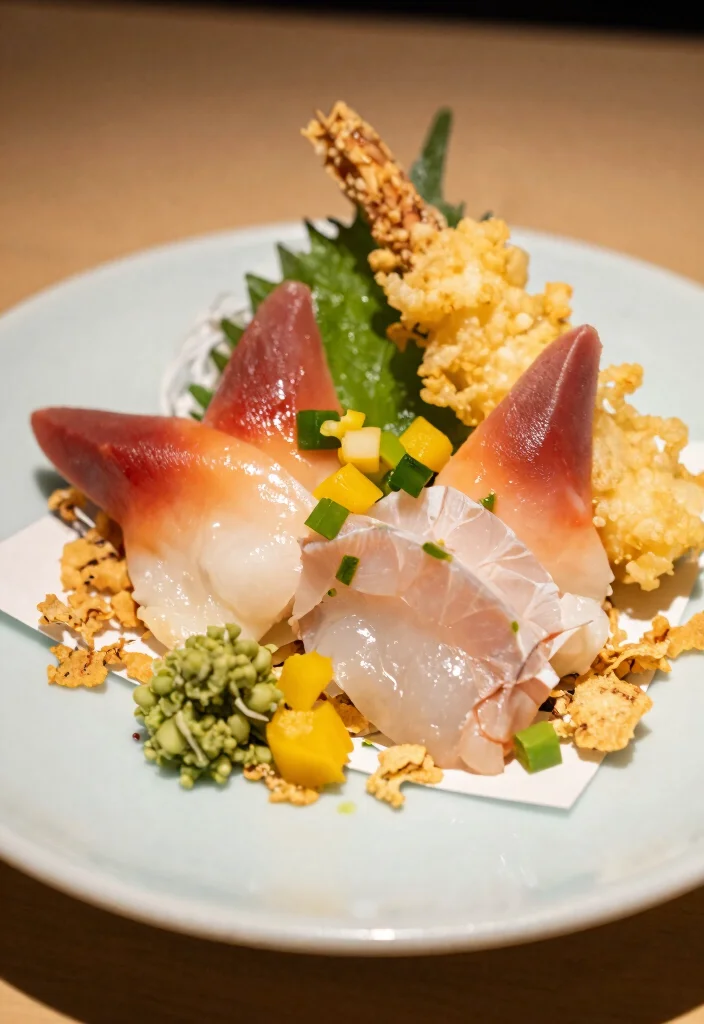
Are you eager to make your dishes more engaging? Incorporating various textures can elevate your presentation and create a delightful culinary experience. Different textures not only enhance the visual appeal but also intrigue the palate.
Consider pairing smooth items like sashimi with crunchy elements like tempura or pickled vegetables. This delightful contrast can elevate even the simplest dishes.
Tips for Textured Presentation:
– Layer ingredients with contrasting textures for added depth.
– Use different cooking techniques to achieve varied textures.
– Balance flavors and textures for a harmonious dish.
A variety of textures keeps your meal exciting and memorable, making each bite a new experience.
8. Miniature Portions
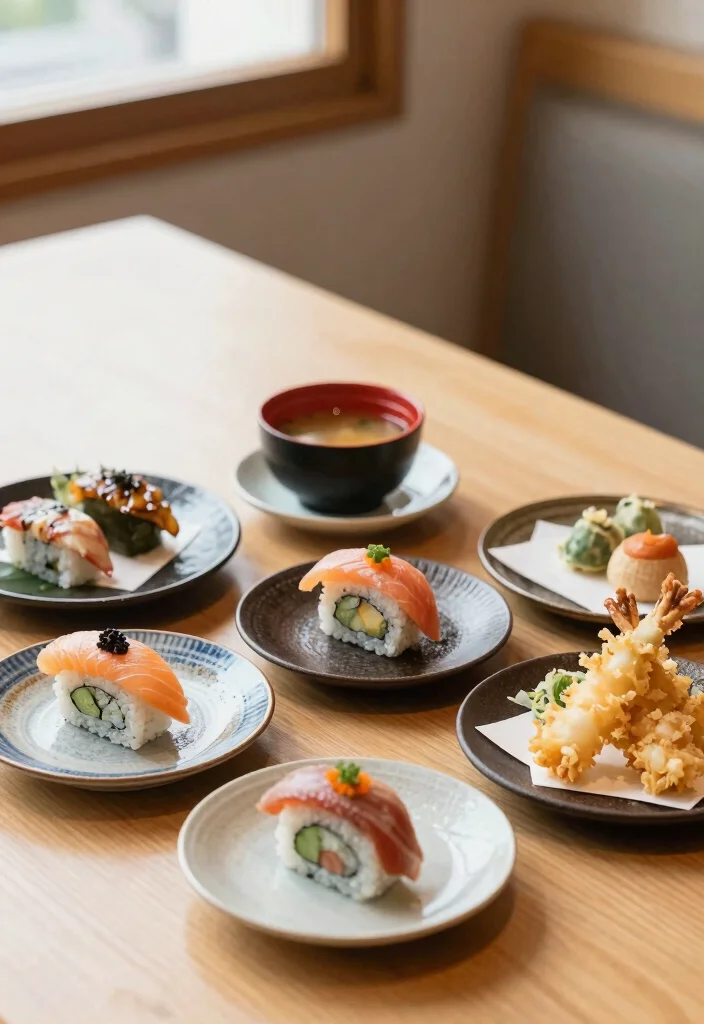
Do you want to create a fun dining experience? Serving food in miniature portions can amplify enjoyment and add a playful element to your meal. This Japanese concept emphasizes quality over quantity, allowing diners to savor every bite.
Consider offering small dishes or tasting portions that showcase the essence of your meal. For example, serve bite-sized sushi pieces, small bowls of miso soup, or petite desserts.
Benefits of Miniature Portions:
– Encourage sharing and interaction at the table.
– Showcase various flavors without overwhelming the palate.
– Maintain a clean, minimalist aesthetic that aligns with Japanese dining principles.
This approach creates an engaging and elegant dining experience that feels both refined and fun.
9. Harmonious Color Palettes
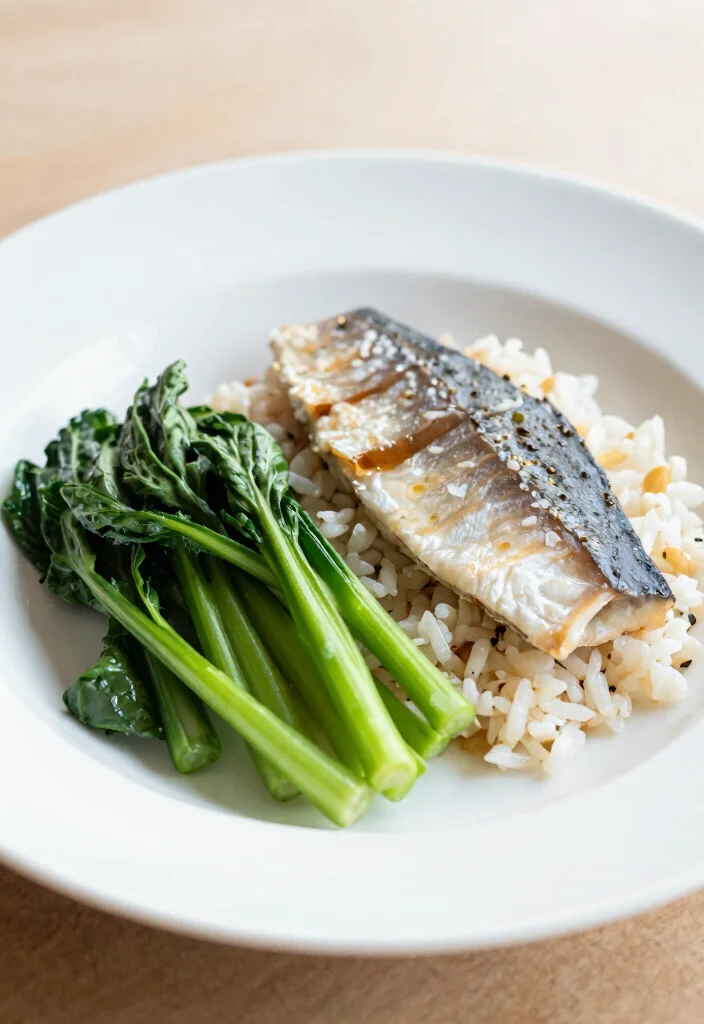
Are you ready to transform your meal into a visual masterpiece? Choosing a harmonious color palette can elevate your plating and enhance the overall dining experience. In Japanese cuisine, color harmony is essential, reflecting nature’s beauty and the changing seasons.
Select ingredients that complement each other in color, such as bright greens paired with soft whites and earthy browns. This cohesive approach makes the dish visually stunning while conveying a sense of balance.
Tips for Harmonious Palettes:
– Use colors found naturally in seasonal ingredients.
– Consider your meal’s theme when selecting colors.
– Keep contrasts subtle for a minimalist vibe.
By crafting a harmonious color palette, each meal can tell a beautiful story, celebrating seasonal cooking and artistry.
10. Floating Elements
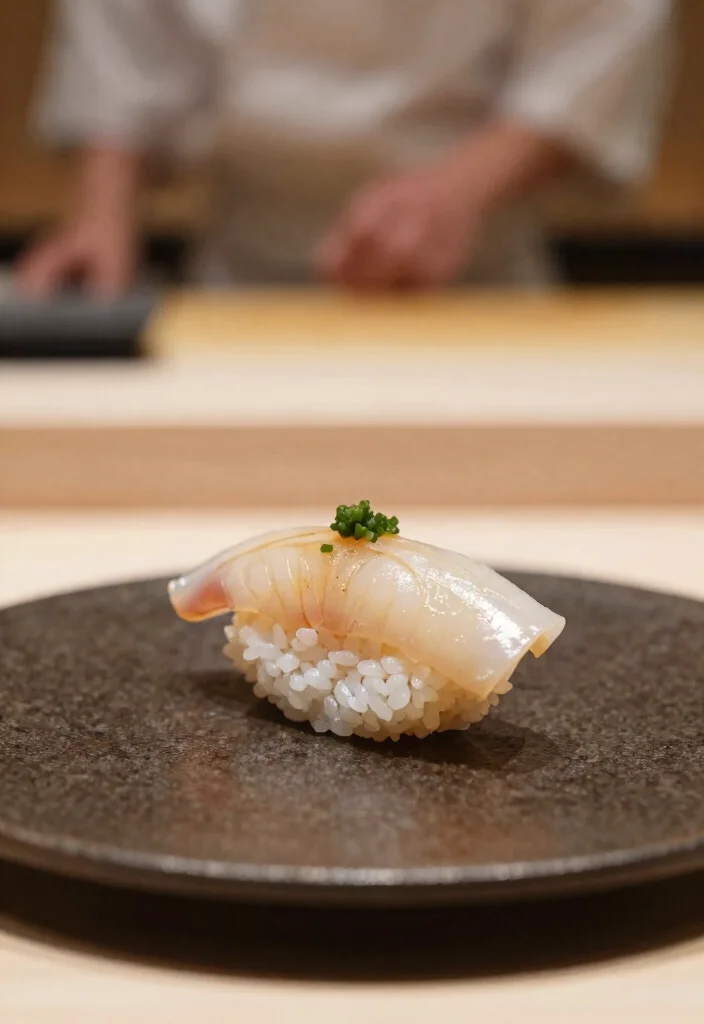
Want to showcase your food in a creative way? The floating element technique introduces an elegant method to present your dishes while keeping the plate visually clean. By lightly placing components on the plate, you create a sense of space and sophistication.
For example, a delicate piece of sashimi can be placed atop a small mound of rice, giving it a ‘floating’ effect. This technique allows each ingredient to shine while maintaining a polished appearance.
How to Use Floating Elements:
– Choose components that naturally hold their shape and can balance.
– Ensure the base layer supports the floating elements securely.
– Maintain enough space between items to enhance the floating effect.
This playful yet refined method encourages creativity and an artistic approach to food presentation.
Fun fact: in japanese plating, the floating element look adds elegance and can reduce plate clutter by up to 40%. Lightly place components on a small bed of rice to make ingredients shine and the presentation breathe.
11. Seasonal Ingredients
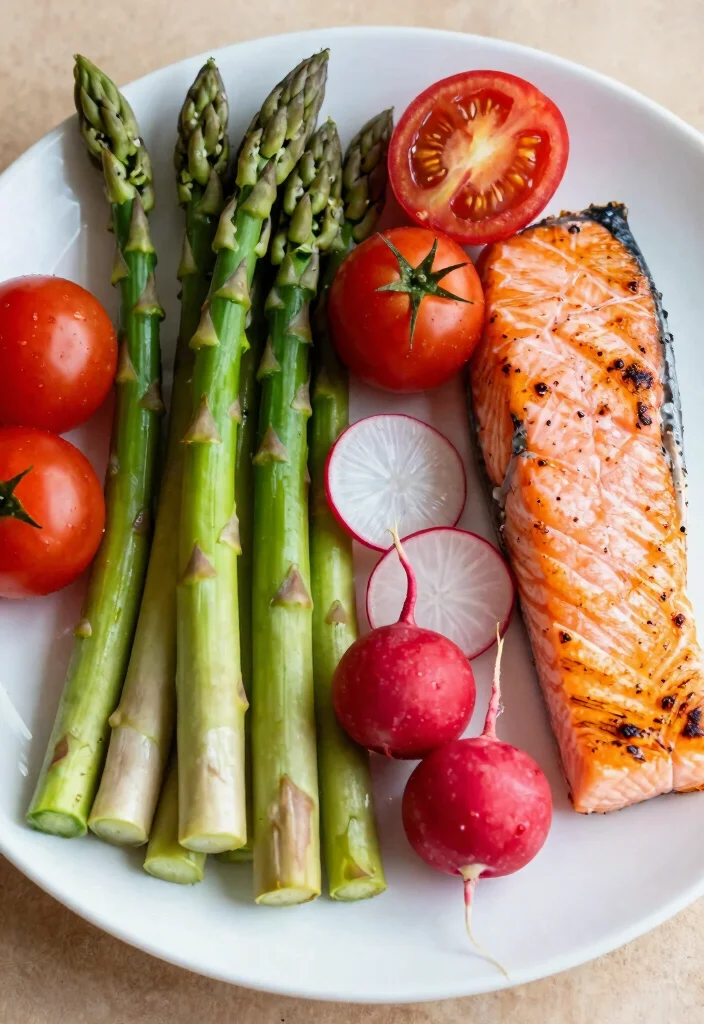
Are you looking to enhance flavor and presentation? Emphasizing seasonal ingredients is vital in Japanese cuisine, ensuring freshness and vibrant flavors. Showcasing seasonal produce can elevate your dish’s appeal and visual impact.
For example, using fresh vegetables or fruits that are in season can bring bright colors and nutrients to your plating. Think of incorporating spring peas in a summer dish or rich squash in autumn meals.
Tips for Using Seasonal Ingredients:
– Research seasonal produce in your area to guide meal planning.
– Highlight single seasonal ingredients as stars to keep it minimalist.
– Pair them with complementary flavors to enhance their natural taste.
By utilizing seasonal ingredients, your dishes will reflect nature’s beauty while contributing to a more sustainable dining experience.
Seasonal ingredients at their peak pack up to 30% more flavor and vivid color for elegant plating. When you build a dish around what’s in season, Japanese plating shines with freshness and minimal fuss.
Seasonal Ingredients
Editor’s Choice


12. Thoughtful Garnishes
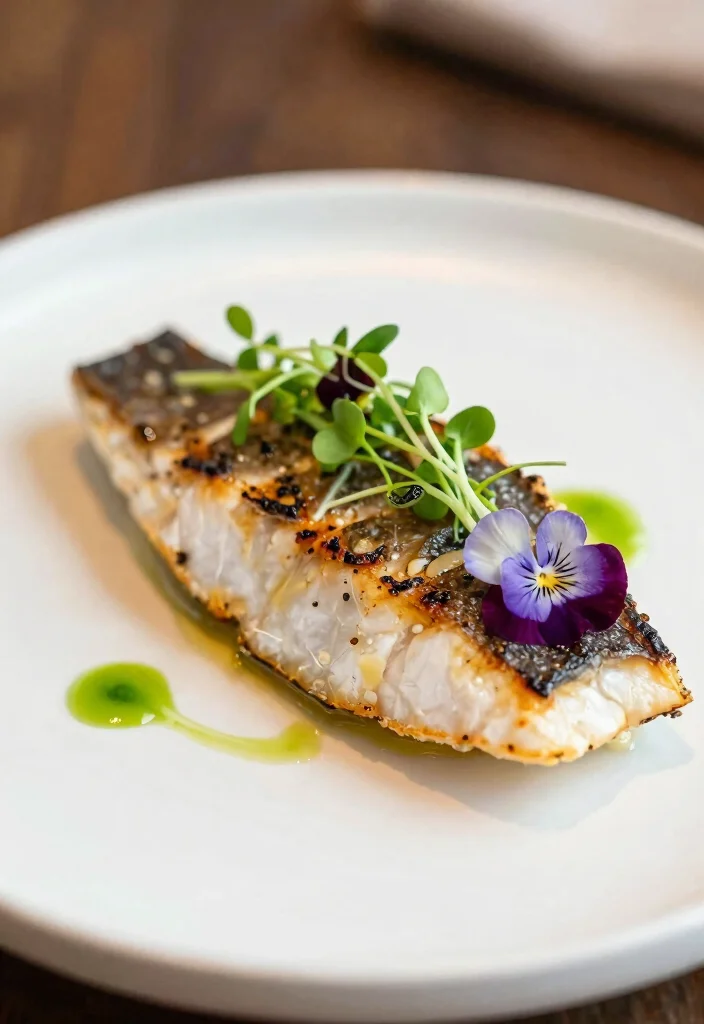
Are you ready to elevate your dishes with garnishes? Thoughtfully chosen garnishes can enhance the beauty of a meal while maintaining a minimalist approach. In Japanese plating, garnishes should complement rather than dominate the dish.
Consider using herbs, edible flowers, or finely grated citrus to add color and flavor without overwhelming the main components. For instance, a drizzle of yuzu sauce can beautifully brighten a fish dish.
Best Practices for Garnishing:
– Choose garnishes that harmonize with the dish’s flavors.
– Keep garnishes minimal and strategically placed for refinement.
– Experiment with heights and placements to enhance visual interest.
With thoughtful garnishes, you can make your meals feel special while elevating the overall dining experience.
Thoughtful Garnishes
Editor’s Choice




13. Simple Shapes
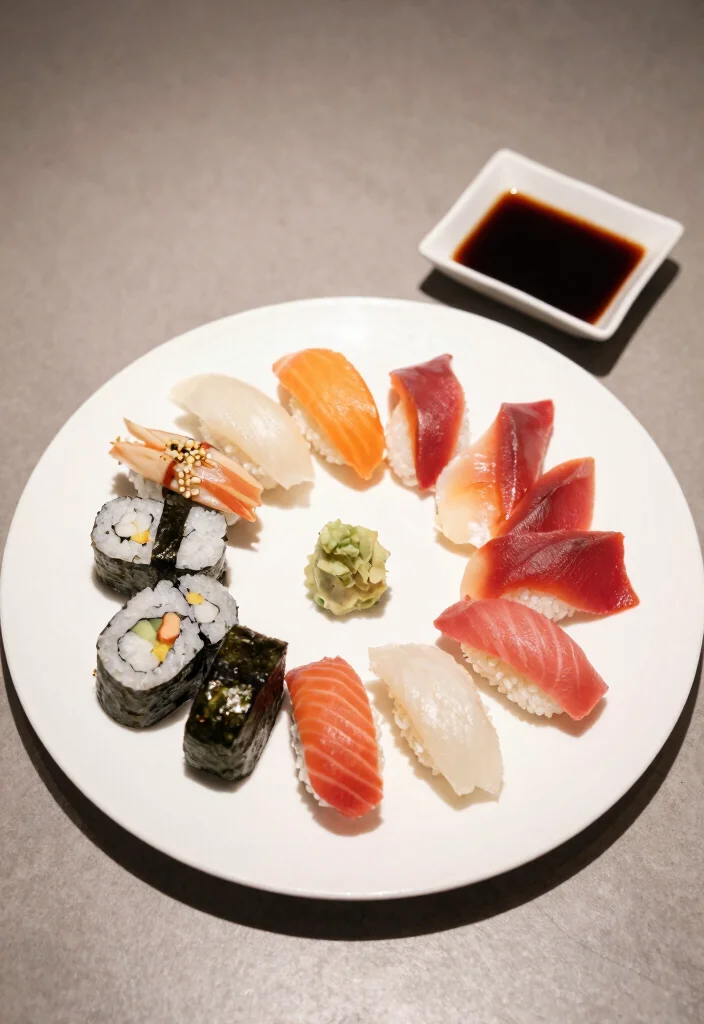
Are you seeking a clean and sophisticated presentation? Utilizing simple shapes in your plating can create a refined look. Japanese cuisine often favors round, square, or triangular shapes, reflecting balance and harmony.
Think about using round plates for circular arrangements or square dishes for a contemporary touch. Integrating these shapes helps convey clarity and focus in your presentation.
Ideas for Using Shapes Effectively:
– Choose plates that complement your dish’s shape.
– Arrange food in geometric patterns to highlight simplicity.
– Use shapes to create visual contrast among different elements.
By focusing on simple shapes, the ingredients themselves become the stars, fostering a minimalist approach that resonates with Japanese dining aesthetics.
14. Monochromatic Styling
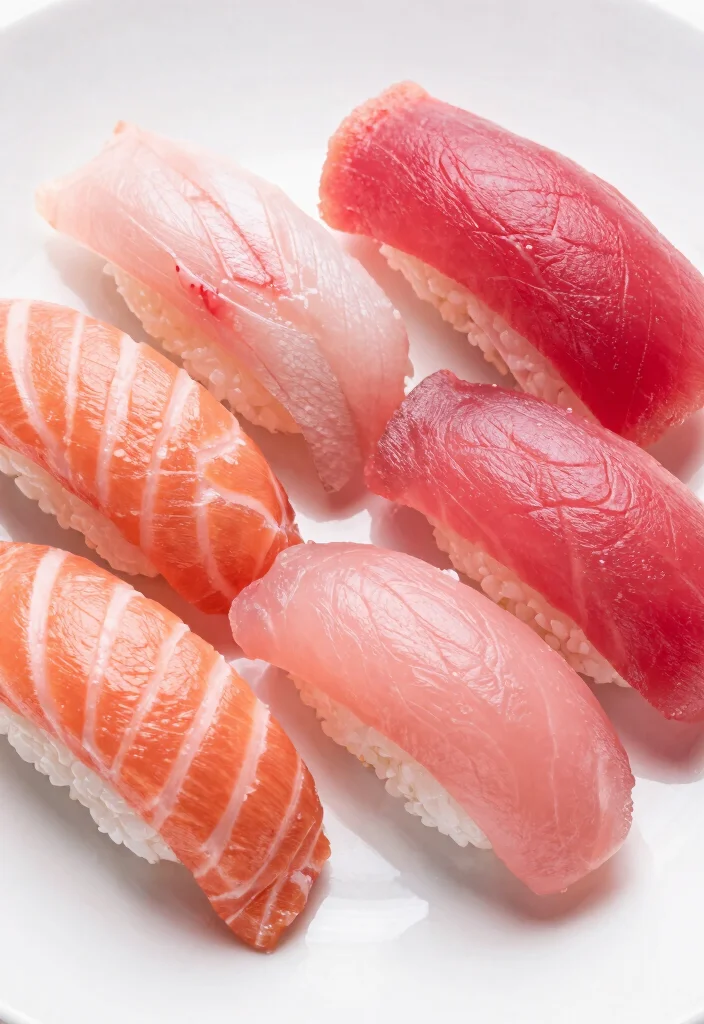
Are you looking to create a striking and cohesive look? Monochromatic plating can be a powerful technique. Using a single color palette allows you to explore different shades and textures within the same hue, making your presentation visually stunning.
Consider serving various sushi that showcase different shades of pink from raw fish or an array of vegetables in shades of green. This technique allows for creativity while maintaining a clean aesthetic.
Benefits of Monochromatic Styling:
– Simplifies plate presentation while making each element stand out.
– Encourages a focus on texture and flavor over color variety.
– Creates a calming and sophisticated dining atmosphere.
This approach allows for striking visuals while adhering to minimalism, producing a beautiful dining experience.
Monochromatic Styling
Editor’s Choice




15. Mindful Eating Experience
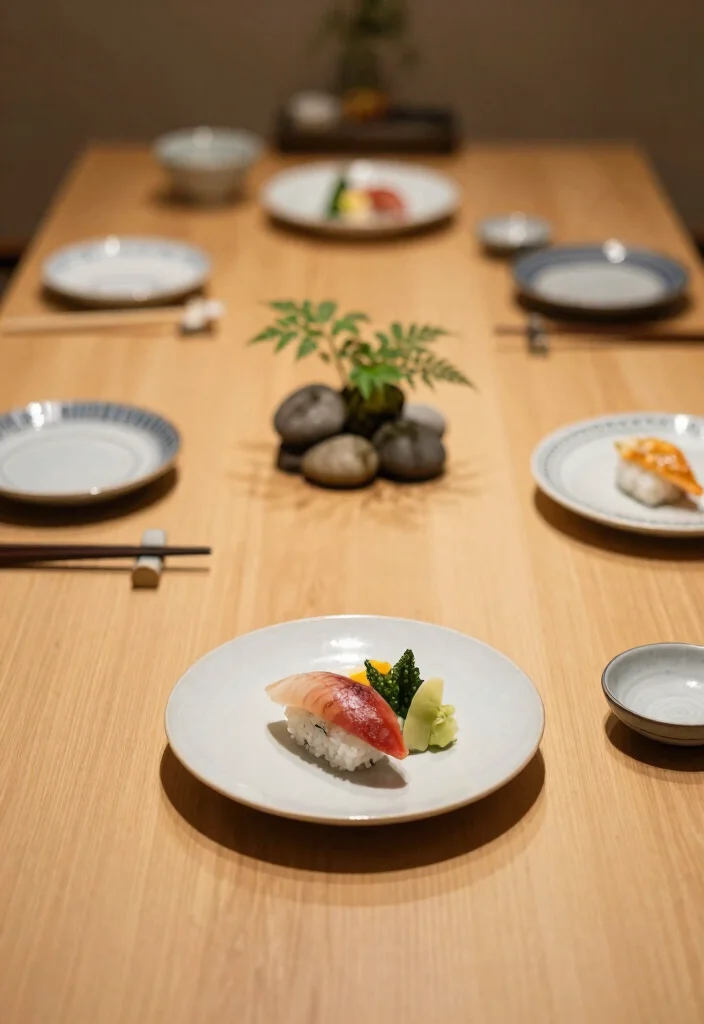
Do you want to create a meaningful dining experience? Fostering a mindful eating atmosphere encompasses every aspect of the dining setting. In Japanese culture, every meal is an opportunity to appreciate flavors, textures, and presentation.
Set your table intentionally with elements that promote calm and focus, such as simple tableware, soft lighting, and gentle scents. This enhances the visual aspect and invites a more thoughtful approach to eating.
Tips for a Mindful Dining Experience:
– Select minimalistic tableware that complements your plating style.
– Use calming colors and natural materials for an inviting atmosphere.
– Remove distractions to focus on the meal and the moment.
By creating a mindful dining experience, you transform a meal into a moment of tranquility and appreciation for every bite.
16. The Final Touch: Quality Tableware
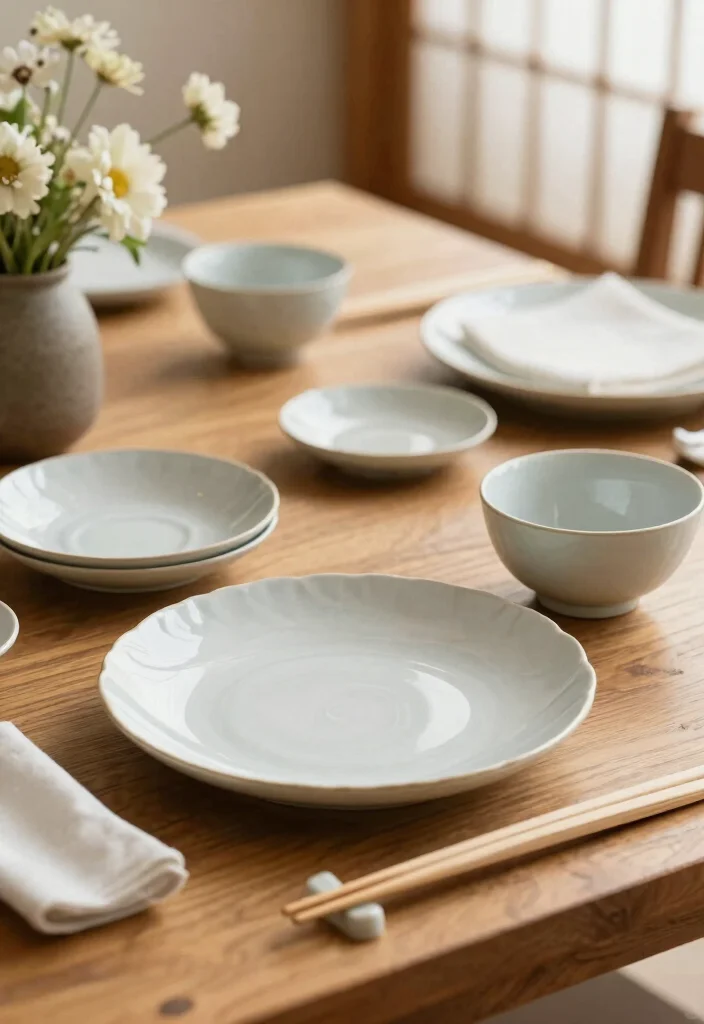
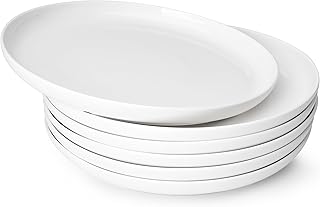
Are you ready to enhance your meal’s presentation? The choice of tableware plays a crucial role in Japanese plating and can significantly impact the overall dining experience. Investing in quality dishware that reflects the elegance of your cuisine elevates both the food and the atmosphere.
Consider using handmade ceramics or traditional lacquerware to truly showcase the beauty of your dishes. Pair your food with simple yet elegant utensils for a cohesive look that embodies minimalist decor.
Best Practices for Selecting Tableware:
– Choose pieces that are functional and beautiful, focusing on craftsmanship.
– Opt for colors that complement your food and the overall theme.
– Avoid overly ornate designs to maintain a minimalist aesthetic.
Good quality tableware elevates dining, ensuring that each meal feels special and thoughtfully curated.
Conclusion
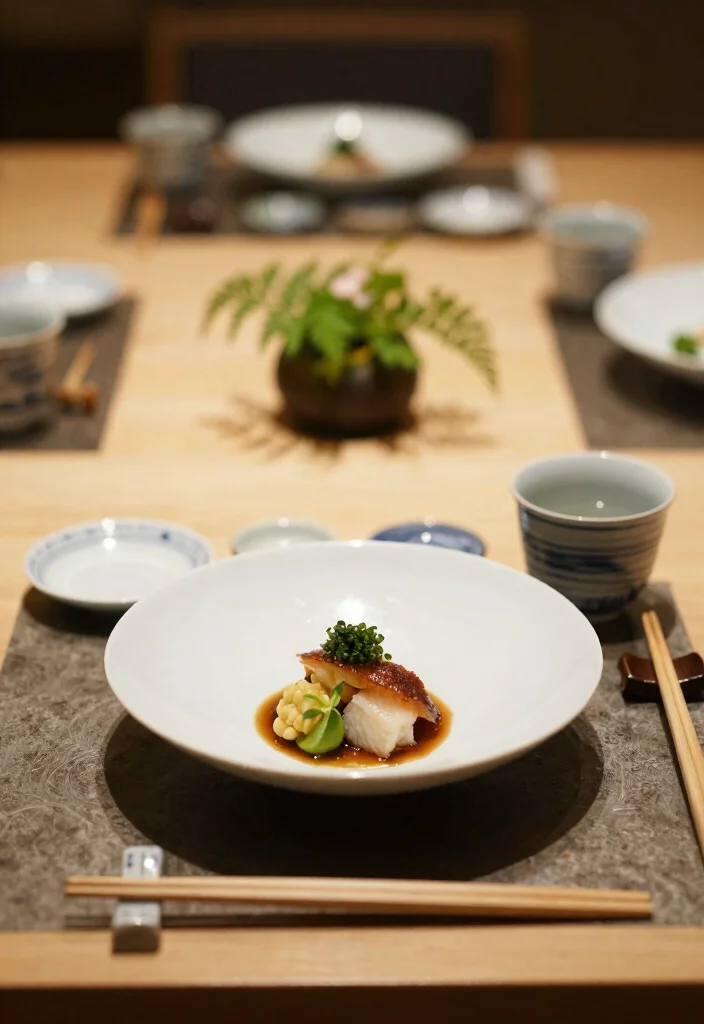
Embracing minimalist Japanese plating techniques can profoundly elevate your home dining experience, transforming everyday meals into artful presentations.
By focusing on aesthetics, balance, and the beauty of simplicity, you can create an elegant dining atmosphere that resonates with modern and zen-inspired decor.
Whether you adopt a single technique or combine them all, each meal becomes an opportunity to showcase your creativity, inviting a deeper appreciation for the food you serve.
Note: We aim to provide accurate product links, but some may occasionally expire or become unavailable. If this happens, please search directly on Amazon for the product or a suitable alternative.
This post contains Amazon affiliate links, meaning we may earn a small commission if you purchase through our links, at no extra cost to you.
Frequently Asked Questions
What exactly is japanese plating and how does it fit minimalist home decor?
Japanese plating is a deliberate, restrained approach to arranging food that highlights balance, negative space, and a small number of well-chosen elements. To start practicing at home, keep the plate simple and avoid crowding. Choose a neutral plate or board as your canvas, pick 1–3 main elements, and let white space do the talking.
Focus on scale and alignment: place the main item off-center, then add a single complementary piece or garnish. Use a quiet color palette—think whites, creams, charcoal, and natural wood tones—to support minimalist home decor. Texture matters too: contrast creamy with crisp or smooth with rustic. Finally, let the dish breathe on the plate and in the setting. This approach pairs well with Japanese table setting principles.
What are practical starter tips to begin minimalist Japanese plating at home?
Start small with a simple plate: use an 8–9 inch white porcelain plate, a single protein, a veggie, and a small starch. Pick 2 colors maximum and place the main item first, then add a tiny garnish or sauce line as an accent. Build in three stages: base (food), middle (color or texture), and space (negative space). Choose plating tools like tweezers for precision and a clean wiping cloth for neat edges. Remember the goal of artistic dish presentation without clutter, a hallmark of modern dining aesthetics and zen-inspired decor.
Which dinnerware and tableware work best for japanese plating and a Japanese table setting?
Opt for clean, simple dinnerware: solid-color porcelain, matte ceramic bowls, or light wood platters. Plate sizes around 6–8 inches for main courses; use rectangular boards or shallow bowls to create lines and height. Avoid busy patterns that clash with your meal; instead, let texture and color be the hero. A Japanese table setting shines with a restrained palette and natural textures, so combine a white plate with a wooden charger or a stoneware bowl to achieve minimalist home decor and modern dining aesthetics.
How can I plate dishes to achieve artistic dish presentation without clutter?
To elevate presentation without clutter, plan composition using the rule of thirds and place the focal item off-center. Use negative space as a design element—don’t fill every inch of the plate. Add a single accent (like a micro herb, a brush of sauce, or a tiny herb oil drop). Maintain clean edges with wipe-down after plating. Keep sauces in tiny dots or lines rather than pooling around the dish. Lighting also matters: warm, natural light helps the colors pop in a zen-inspired decor kitchen or dining room.
What common mistakes should I avoid when practicing japanese plating and zen-inspired decor?
Common mistakes include overcrowding the plate, over-saucing, choosing plates that are too large or too small, and ignoring negative space. Avoid clashing colors or patterns that fight the dish. Don’t forget to wipe edges for a crisp, restaurant-like finish. Finally, balance plating with your dining space: ensure the plating style supports your minimalist home decor and creates a calm, zen-inspired decor vibe at the table.
Related Topics
japanese plating
minimalist decor
zen aesthetics
elegant dining
artistic presentation
modern table setting
easy plating techniques
home dining ideas
sustainable tableware
minimalist dining
beginner friendly
Japanese design