
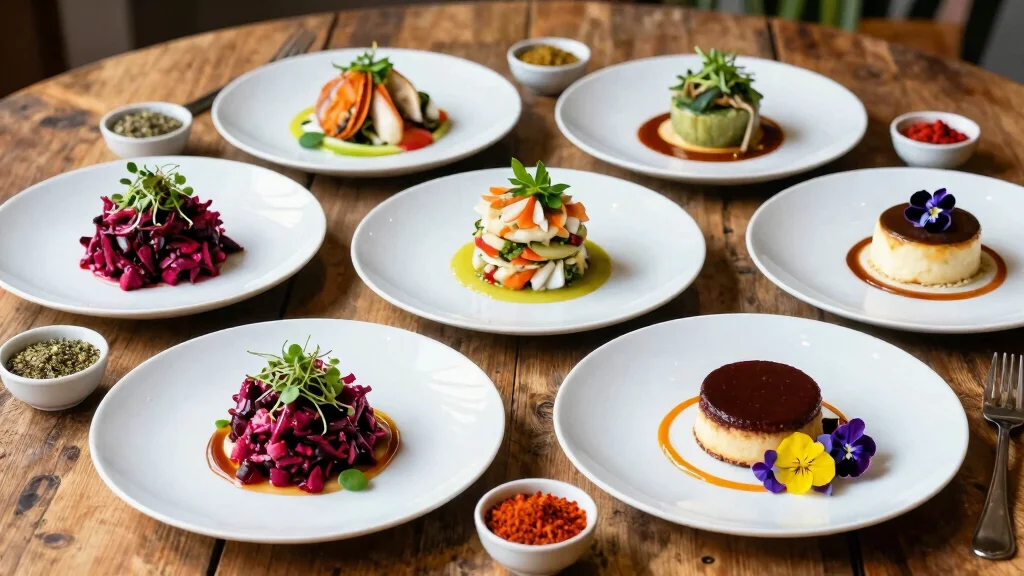
Food plating has me dreaming about beautiful presentations that turn meals into art. If you’re someone who loves entertaining or simply wants to impress at the dinner table, this post is for you. I’ve gathered 16 trending food plating ideas for 2026 that not only look restaurant-worthy but are also easy to recreate in your own kitchen.
Imagine serving dishes that not only taste great but also captivate the eyes. You will discover creative techniques that transform everyday meals into gourmet experiences. Whether you’re hosting a dinner party or just looking to elevate your weekday meals, these ideas will inspire you to get creative. Get ready to enhance your food presentation skills and make every dining experience unforgettable.
[link-whisper-related-posts]Key Takeaways
– Master the Basics: Understanding foundational plating techniques can significantly improve your food presentation skills. Techniques like the circular canvas and layering can elevate your dishes instantly.
– Embrace Color: Bright and bold ingredients can make your plates pop. Incorporating color not only enhances visual appeal but also adds nutritional variety.
– Texture Matters: Combining different textures, such as crunchy and creamy elements, creates exciting mouthfeel and visual interest. Think about how to mix these elements in your meals.
– Tell a Story: Themed plating can take your dining experience to a new level. Consider creating dishes that tell a story or reflect a specific cuisine or season.
– Personal Touch: Don’t forget to add your unique flair. Whether it’s through garnishing or specific presentation styles, make your plating a reflection of your personality.
1. Circular Canvas: The Art of Round Plating
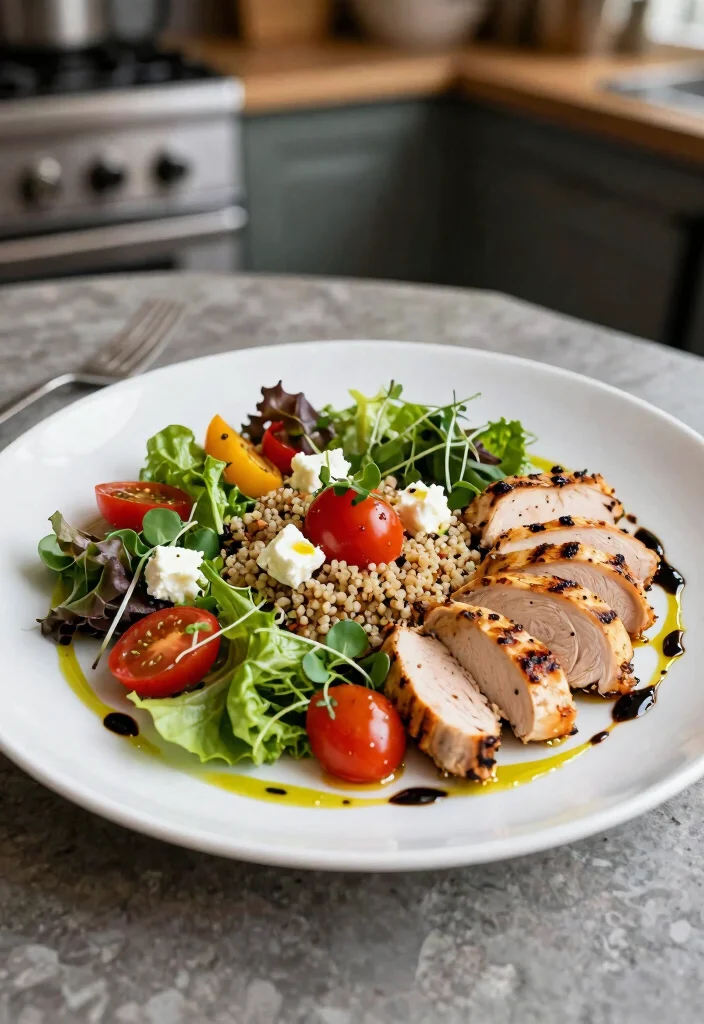
Craving a visually stunning meal that captivates the senses? Circular plating is your answer. This method creates harmony and draws attention to the food, making it the star of the show. Imagine a spiral salad filled with vibrant veggies, complemented by a central protein like grilled chicken or tofu, all topped off with a drizzle of lively sauce. It’s not just pretty; it’s nutritious and easy to prepare, ensuring a delightful dining experience.
Ingredients:
– 1 cup mixed greens
– 1 cup cooked quinoa
– 1 grilled chicken breast (sliced)
– 1/2 cup cherry tomatoes, halved
– 1/4 cup feta cheese
– Olive oil for drizzling
– Balsamic glaze
Instructions:
1. Begin by plating the mixed greens in the center of your plate for a circular base.
2. Surround the greens with cooked quinoa, leaving the center open for the chicken.
3. Place the sliced chicken breast in the middle, then artfully arrange cherry tomatoes and feta around it.
4. Drizzle olive oil and balsamic glaze around the dish for an artistic touch.
5. Top with microgreens for a fresh pop of color.
FAQs:
– Can I use this technique for different cuisines? Yes! It works beautifully for salads, pasta, or even desserts.
– What kind of plates are best for this? Simple white plates allow the vibrant colors of your food to shine.

Set consists of medium bottle (12 oz.) and large bottle (16 oz.) with one Thick tip and one thin tip

Leak-proof Cap: Our condiment squeeze bottles are built with a high-tech leak-proof design. Perfect as oil bottle, syrup bottle, oil dispenser, salad dressing bottle, ketchup squirt bottle.

Match Each Lid to Its End: On this inverted squeeze bottle the flat lid and the valve cap fit different ends. If a lid spins, move it to the other end and tighten fully before filling a sauce bottle
How To Choose the Right Food Plating Techniques
Choosing the perfect food plating techniques can elevate your home dining experience. With the right approach, you can make your meals look restaurant-worthy. Here are some key criteria to help you select the ideal plating style for your home entertaining.
1. Consider Your Plate Shape
The shape of your plate can greatly affect the presentation of your food. Round plates are classic and versatile, allowing for circular arrangements. Square or rectangular plates can create a modern aesthetic, encouraging you to play with layers and height. Think about the shape that best suits the dish you’re serving and the overall vibe you want to create.
2. Focus on Color Contrast
Color is vital in food presentation. Choose ingredients that contrast with your plate. Brightly colored veggies or vibrant sauces can pop against a white or neutral plate. For example, a bright red sauce on a white plate can create a stunning effect. Aim for a balance of colors to enhance visual appeal and entice your guests.
3. Play with Height and Layers
Height adds drama to your food plating. Stack ingredients or layer them for a gourmet feel. For instance, creating a ‘height’ by stacking grilled chicken and sautéed vegetables can draw the eye upward. Use ingredients like microgreens or edible flowers to add height without overwhelming the dish. Remember, balance is key; don’t let one element overshadow another.
4. Experiment with Textures
Different textures can add depth to your presentation. Combine crunchy elements like nuts or seeds with creamy ones like sauces or purees. For example, serving a creamy risotto topped with crispy fried onions brings an exciting contrast to your dish. Mixing textures can make the dining experience more engaging for your guests.
5. Personalize Your Presentation
Adding a personal touch can make your food plating stand out. Consider using your signature garnishes, such as fresh herbs or flavored oils, that reflect your cooking style. You might also want to incorporate seasonal themes or local ingredients to connect with your dining experience. This personal flair will enhance the story of your dish and delight your guests.
6. Think About the Dining Experience
Ultimately, consider how you want your guests to experience the meal. Are you aiming for a playful, interactive dining experience or a formal, elegant setting? Your plating style should align with the occasion. For instance, if you’re hosting a casual gathering, you might opt for deconstructed dishes that allow guests to assemble their bites. Conversely, a formal dinner might call for precise, artistic arrangements that impress.
Pro Tip: Practice makes perfect! Try out different plating techniques during your regular meals. This way, you’ll feel more confident when entertaining guests, and you can experiment without pressure. Using a few trial runs will help you discover what works best for you and your style.
With these guidelines in mind, you’ll be well on your way to choosing the right food plating techniques that enhance your culinary creations. Embrace your creativity and enjoy the process of making every meal a delightful visual feast!

Great Value Plating Set: This cooking tweezers set includes 3 sizes precision tongs 2 sizes drawing spoons, 1 fish spatula and 1 offset spatula, perfect multi-use set for culinary, cooking, plating or decorating desserts
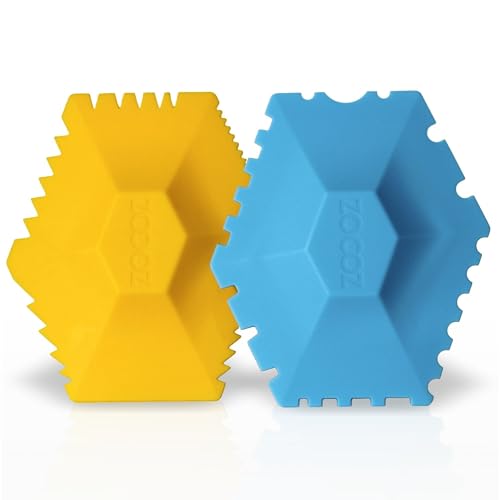
PLATING HAS NEVER BEEN EASIER – Our food plating tools kit features 12 unique patterns that make creating stunning presentations effortlessly. Achieve professional results with these intuitive chef accessories for every meal!

12 Pieces Dishing Set: you will receive 2 sizes drizzle decorating spoons, 3 cooking tweezers with diverse styles, 6 plastic scrapers and 1 wooden handled icing spatula, the quantity is sufficient for you to bake, cook, dish or decorate desserts; In addition, 6 cake smoother of multiple sizes and shapes allows you to come up with a new design or imaginative way to disguise defects in cakes or frosts
2. Layer Up: The Height of Gourmet Plating
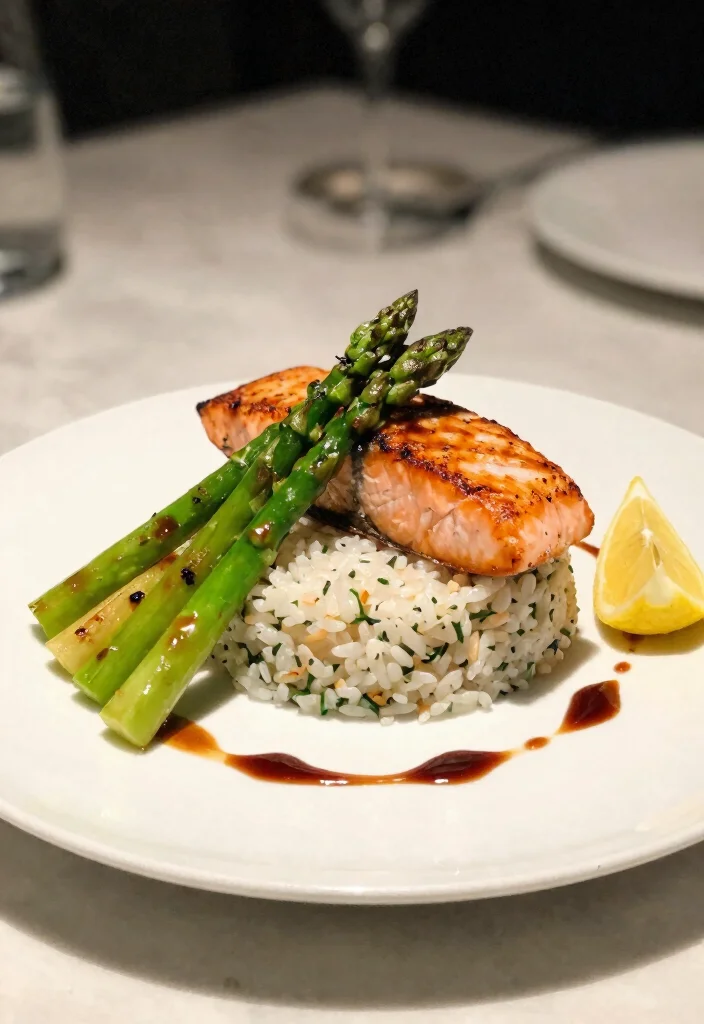
Want to impress your guests with height and sophistication? Layering is the key. This technique adds depth to your presentation, turning a meal into a visual delight. Start with a base like creamy mashed potatoes or rice, then stack flavorful ingredients like grilled vegetables and proteins to create an inviting tower. Each layer invites diners to explore, enhancing their dining experience with every forkful.
Ingredients:
– 4 salmon fillets
– 2 cups herbed rice (cooked)
– 1 cup grilled asparagus
– Lemon wedges for garnish
– Soy sauce for drizzling
Instructions:
1. Prepare herbed rice as per package instructions.
2. Grill the salmon fillets until flaky and cooked through.
3. On each plate, place a generous mound of rice in the center.
4. Layer the grilled salmon on top of the rice.
5. Surround with grilled asparagus.
6. Drizzle soy sauce over the dish and garnish with lemon wedges.
FAQs:
– Can I layer cold items too? Definitely! Layered salads are a fantastic way to showcase fresh ingredients.
– How do I prevent layers from collapsing? Use a ring mold to keep everything intact during serving.

18-piece dinnerware set in White Porcelain Coupe provides service for 6
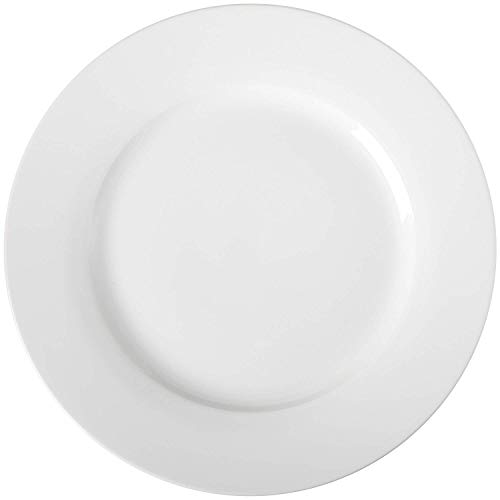
Dinner plates for everyday use or entertaining

COMPLETE 16-PIECE WHITE DINNERWARE SET FOR 4 — Includes 4 dinner plates (10.5"), 4 dessert plates (8"), 4 pasta bowls (7.75"), and 4 cereal bowls (6") — All dishes you need for your table, nothing extra to buy
3. Color Pop: Bold and Bright Ingredients
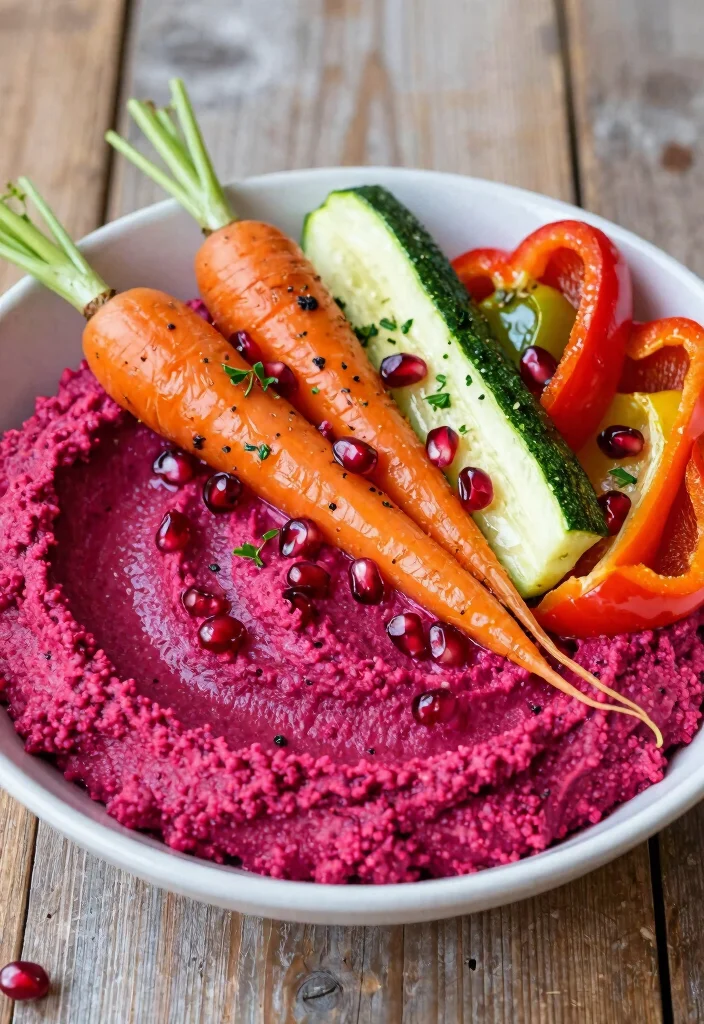
Looking to spice up your meals with vibrant colors? This trend focuses on bold, bright ingredients that not only tantalize the taste buds but also catch the eye. Picture a plate featuring bright beet hummus as a base, topped with colorful roasted carrots and a sprinkle of pomegranate seeds. It’s a feast for the eyes and the palate, making each bite an exciting experience.
Ingredients:
– 1 cup beet hummus
– 2 cups assorted roasted vegetables (carrots, zucchini, bell peppers)
– 1/2 cup pomegranate seeds
– 1/4 cup chopped fresh herbs (parsley, cilantro)
Instructions:
1. Preheat the oven and roast a mix of colorful vegetables until tender and caramelized.
2. Spread a generous layer of beet hummus on each plate as a base.
3. Artfully arrange the roasted vegetables on top of the hummus.
4. Finish with a sprinkle of pomegranate seeds and fresh herbs for added flavor and color.
FAQs:
– Can I use frozen vegetables for this recipe? Yes, but fresh vegetables will provide better color and texture.
– What if I can’t find beet hummus? Regular hummus works, but the color won’t be as vibrant.
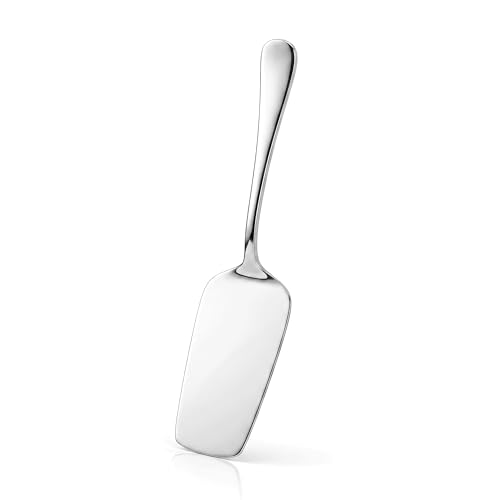
CUT, LIFT & SERVE: Wide server head helps lift portions of lasagna, casseroles and quiche with less breakage.

Stainless Steel Material: Food grade material made lasagna cutter, Crafted from high-quality stainless steel for lasting durability and rust resistance.

4. Minimalism: The Power of Less
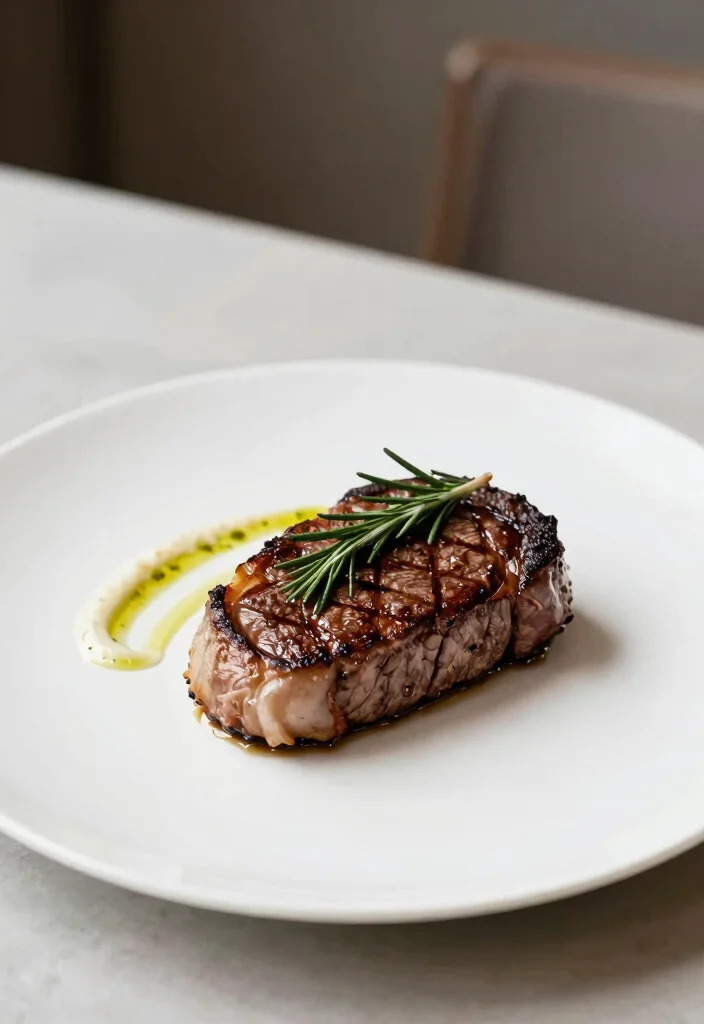
Less really can be more when it comes to plating. Embracing minimalism in your food presentation allows the quality of each ingredient to shine through. Picture a perfectly cooked steak accompanied by a couple of thoughtful garnishes and a delicate smear of sauce. This approach not only looks upscale but also emphasizes the beauty of simple, high-quality ingredients.
Ingredients:
– 2 ribeye steaks
– Sea salt and pepper for seasoning
– 2 sprigs of rosemary
– A drizzle of olive oil
Instructions:
1. Generously season the steaks with sea salt and pepper.
2. Sear the steaks in a hot skillet for 3-4 minutes per side for medium-rare.
3. Remove from heat and let them rest.
4. On each plate, smear a small amount of olive oil on one side.
5. Place the ribeye steak on the oil smear and garnish with rosemary sprigs.
FAQs:
– Can I use this technique for all types of food? Absolutely! Minimalism works well for meats, salads, and even desserts.
– What plates should I use? Simple white or black plates provide the best contrast and showcase your food beautifully.

High Grade Materials: Our ring molds are made of stainless steel, look amazing, safe and reliable, rust-proof, no sharp edge. High quality metal making them strong and long-lasting, you will no longer make deformed pastries. High temperature, corrosion-resistant.

Stainless Steel Ring Mold Set: Made with sturdy stainless steel, these ring molds for cooking hold their shape in oven, freezer, or stovetop use. Smooth edges create clean cuts for mousse cake, layered dessert, or egg rounds — giving your dishes a polished, plated look at home

Set of 3"D x 2.75" H food rings.
5. Deconstructed Dishes: A Playful Experience
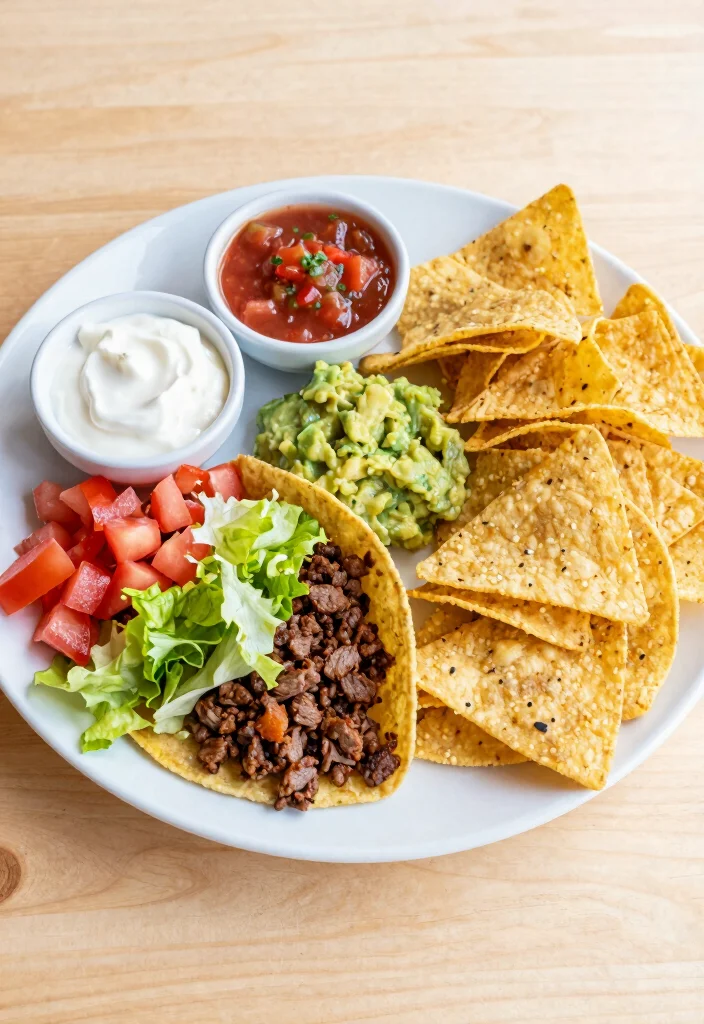
Ever thought about presenting familiar dishes in a fun new way? Deconstructed plating invites you to break down your favorite meals into their individual components. Imagine a deconstructed taco with seasoned meat, tortilla chips, fresh toppings, and sauces, all creatively arranged on the plate. This playful format not only sparks creativity but also engages diners, making the meal an enjoyable experience.
Ingredients:
– 1 lb ground beef or turkey
– 1 tbsp taco seasoning
– 8 small corn tortillas
– 1 cup shredded lettuce
– 1 cup diced tomatoes
– 1/2 cup guacamole
– Salsa and sour cream for serving
Instructions:
1. Cook the ground meat in a skillet with taco seasoning until browned.
2. Warm the corn tortillas until pliable.
3. Create sections on each plate for the meat, lettuce, tomatoes, and guacamole.
4. Pile tortilla chips next to the components for dipping.
5. Serve salsa and sour cream in small bowls on the plate.
FAQs:
– Can I prepare this ahead of time? Yes, prepping components a few hours before serving is a great idea.
– How can I make it vegetarian? Substitute the meat with beans or sautéed vegetables.
Fun fact: deconstructed food plating sparks more conversation than a plated centerpiece—diners engage with each component and customize their bites. For home entertaining, lay out ingredients thoughtfully and invite guests to build their own tiny taco masterpieces.

Leak-proof Nozzle: Our condiment squeeze bottles are built with a high-tech leak-proof design, ensuring that your condiments and sauces stay inside the bottle, providing a spill-free experience.
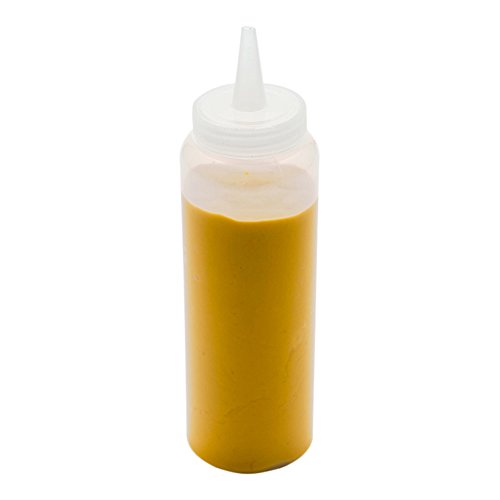
FOOD-GRADE PLASTIC: This squeeze bottle is made with a high-density type of plastic that's safe and can contain food without contamination. Recyclable.

Creative Function: sauce dispenser thicken the silicone valve at the discharge port to solve the problem of easy leakage when inversion, no fear of inversion, rest assured filling, safe use, bringing you convenience
6. Sauce Art: Drizzles and Dots
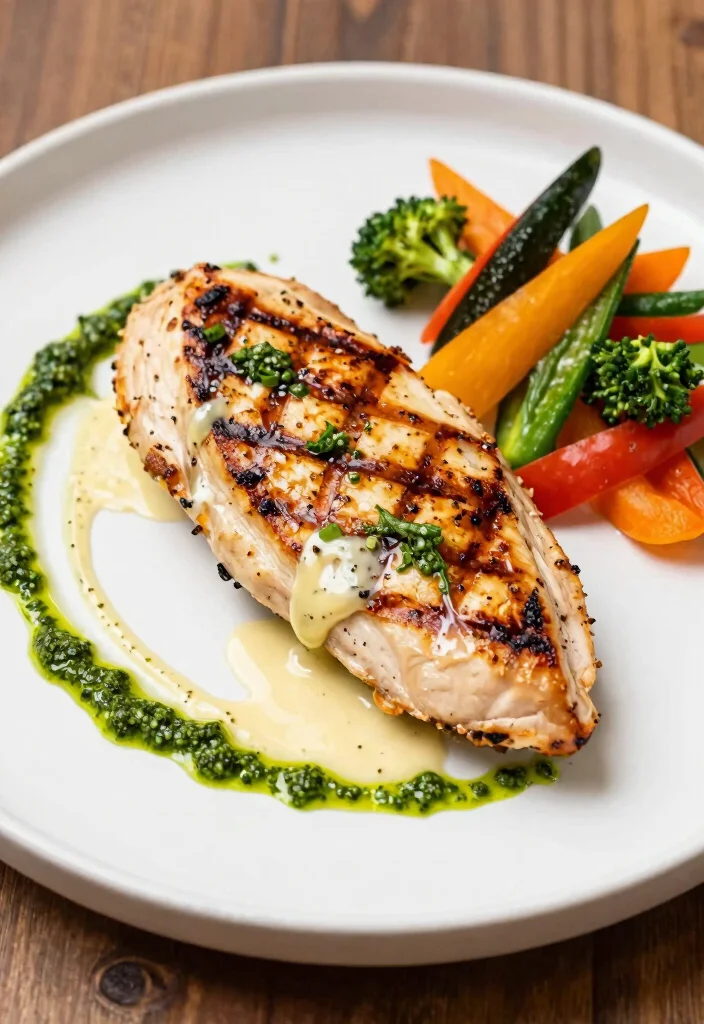
Ready to elevate your dishes with artistic flair? Sauces can be more than just flavor enhancers; they can also be a decorative element in your plating. Create beautiful swirls, dots, or lines with sauces to add depth and attract attention. Picture a creamy garlic sauce swirled around grilled chicken, or vibrant pesto dotted around a colorful vegetable platter. It’s a feast for the eyes as well as the mouth.
Ingredients:
– 2 chicken breasts
– 1/2 cup garlic sauce
– 1/4 cup pesto
– Salt and pepper for seasoning
Instructions:
1. Season the chicken breasts with salt and pepper.
2. Grill until fully cooked and juices run clear.
3. On each plate, use garlic sauce to create an artistic swirl.
4. Place the grilled chicken on top and drizzle with pesto.
5. Serve with vegetables or pasta, enhancing the plate with any remaining sauce.
FAQs:
– Can I use store-bought sauces? Yes, but consider enhancing them with fresh herbs or spices for a personal touch.
– What if I don’t have squeeze bottles? A spoon can work; just practice your technique to get the desired effect.

QUALITY CONSTRUCTION: Made with 18-8 mirror finish stainless steel for durability, and heat treated for greater spring back to keep their shape use after use

- Enjoy Cooking Time: Create beautiful dishes with precision plating using our culinary tool kit, perfect for professionals and hobbyists alike.

【Quality Guaranteed with Bonigour】Made of 18-8 stainless steel and finished with titanium plating process that is not only elegant appearance, but also significantly improves plating tools life, improves the texture of the spatula tongs, and greatly increases the plating kit resistance to high temperatures and wear due to abrasion
7. Texture Play: Crunchy and Creamy Combinations
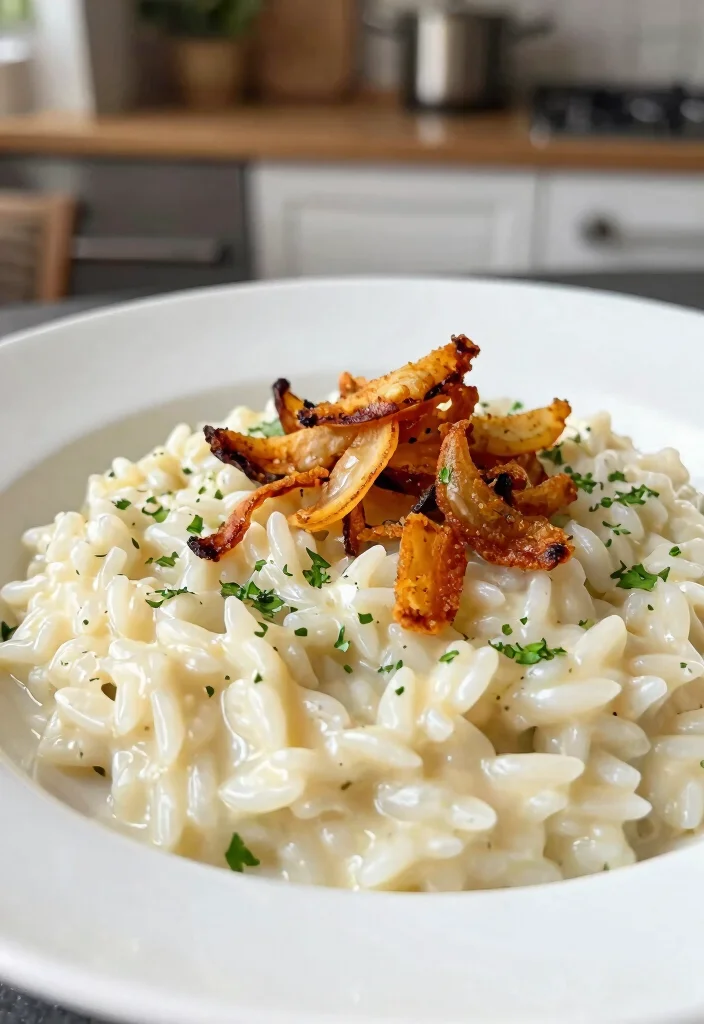
Looking to excite your palate? Mixing textures can take your plating to new heights. By pairing crunchy elements with creamy components, you create a delightful contrast that makes each bite a surprise. Picture a rich, creamy risotto topped with crispy fried shallots, or a smooth puree beneath roasted vegetables. This approach not only pleases the eyes but also enhances the overall dining experience.
Ingredients:
– 1 cup arborio rice
– 4 cups chicken stock
– 1/2 cup grated cheese (parmesan or gouda)
– 1/4 cup fried shallots
– Fresh herbs for garnish
Instructions:
1. Heat chicken stock to a simmer in a saucepan.
2. In another pot, sauté arborio rice until translucent, then gradually add the stock, stirring until creamy.
3. Stir in grated cheese for added creaminess.
4. Plate the risotto and top with fried shallots for crunch.
5. Garnish with fresh herbs for a splash of color.
FAQs:
– Can I prepare risotto ahead of time? It’s best fresh, but you can reheat gently with stock to restore creaminess.
– What other textures can I add? Roasted nuts or seeds provide great crunch and flavor.

FOUR PLACE SETTINGS: This complete dinnerware set includes four 10.5-inch dinner plates, four 8-inch dessert plates and four 6.25-inch cereal bowls. Suitable for a service for four to serve small breakfasts, quick lunches or gourmet dinners all year round.

CONTEMPORARY SCALLOPED DESIGN: Graceful scalloped edges frame each ivory stoneware piece with understated elegance; the French Countryside pattern brings a warm, casual-chic aesthetic to everyday meals and special gatherings alike

WHAT’S IN THE BOX: Service for 8 that includes 8 of each of the following: 10.5” Dinner Plates, 8.5” Dessert Plates, 6” Cereal bowls, 4.5” Bowls, and 4” Bowls
8. Artistic Arrangements: Food as Canvas
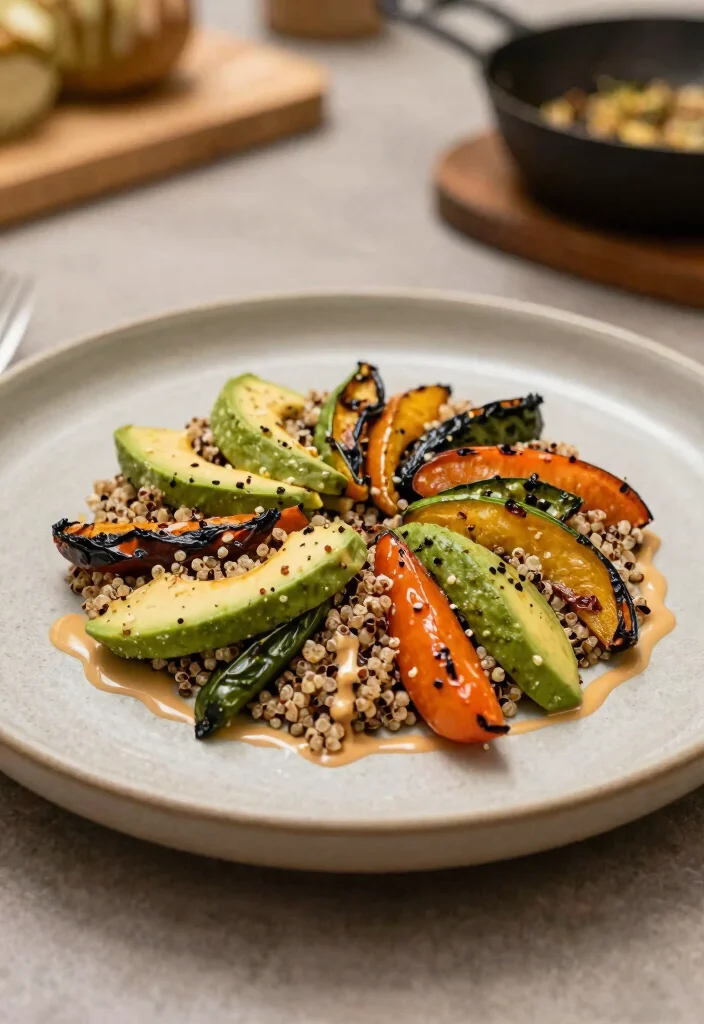
Treat your food like a canvas and let your creativity shine! This trend focuses on arranging food in artistic and imaginative ways. Use different shapes, heights, and colors to create a visual masterpiece. For instance, a round plate can showcase a rainbow of vegetables in a spiral, or a rectangular plate might have contrasting components lined up side by side. Embrace your inner artist and transform each meal into a work of art.
Ingredients:
– 1 cup quinoa (cooked)
– 1 cup mixed roasted vegetables
– 1/2 cup avocado slices
– 1/4 cup tahini sauce
Instructions:
1. Cook quinoa according to package instructions.
2. Roast colorful vegetables until tender, then set aside.
3. On each plate, create a circular pattern of quinoa in the center.
4. Artistically layer roasted vegetables and avocado slices around the quinoa.
5. Drizzle tahini sauce over the top for a final artistic touch.
FAQs:
– Can I use this technique for desserts? Absolutely! Desserts can be plated with fruits, creams, and sauces artistically.
– Should I match the colors of the plate with the food? Contrasting colors often create a more striking visual effect.

Material: Our pizza servers are made of mirror finished stainless steel and wood handle, which are durable, sturdy and could be use for a long time

VERSATILE FLIP, CUT & SERVE TOOL: Designed for all-around kitchen versatility, effortlessly flipping burgers, fish, eggs, and pancakes, or cutting and serving neat portions of lasagna, quiches, and brownies.

Premium Steel Set: This package contains 2 pieces of high-quality metal tools: one small 8-inch cookie spatula and a longer 10-inch cake pie server. They are compact, easy to use, and provide the ideal combination to meet all your daily baking and serving needs.
9. Themed Plating: Meals with a Story
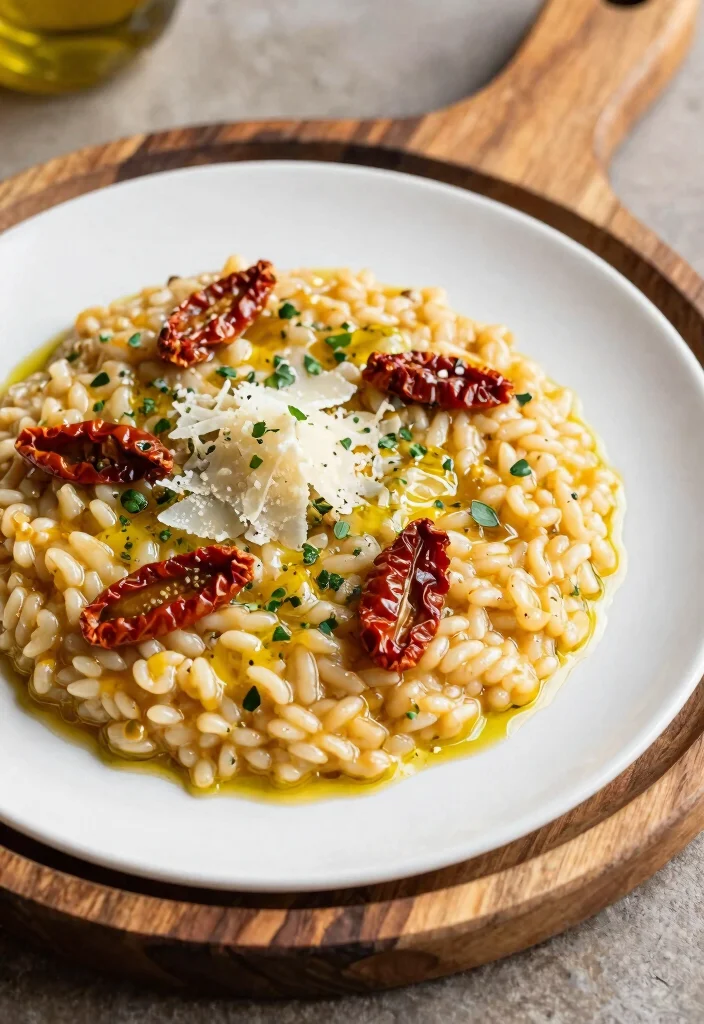
Transform an ordinary meal into an unforgettable experience with themed plating. By creating a cohesive story around your dish, you can transport your guests to different places or cultures. For example, an Italian-themed meal could feature risotto with fresh herbs, while a Mediterranean spread might include colorful dips and grilled vegetables arranged beautifully. This method invites conversation and exploration, making your meals memorable.
Ingredients:
– 2 cups cooked risotto
– 1 cup fresh herbs (basil, parsley, chives)
– 1/2 cup sundried tomatoes
– Olive oil for drizzling
– 1 cup parmesan cheese (shaved)
Instructions:
1. Prepare risotto as instructed and stir in fresh herbs and sundried tomatoes.
2. On a large platter, arrange the risotto in a circular shape.
3. Top with shaved parmesan and a drizzle of olive oil.
4. Add decorative sprigs of fresh herbs for added flair.
FAQs:
– Can I have multiple themes for a single meal? Yes! Just ensure each dish flows together in some way.
– What are good themes to explore? Seasonal ingredients, cultural cuisines, or even color themes are great options.
10. Whimsical Touches: Play with Fun Garnishes
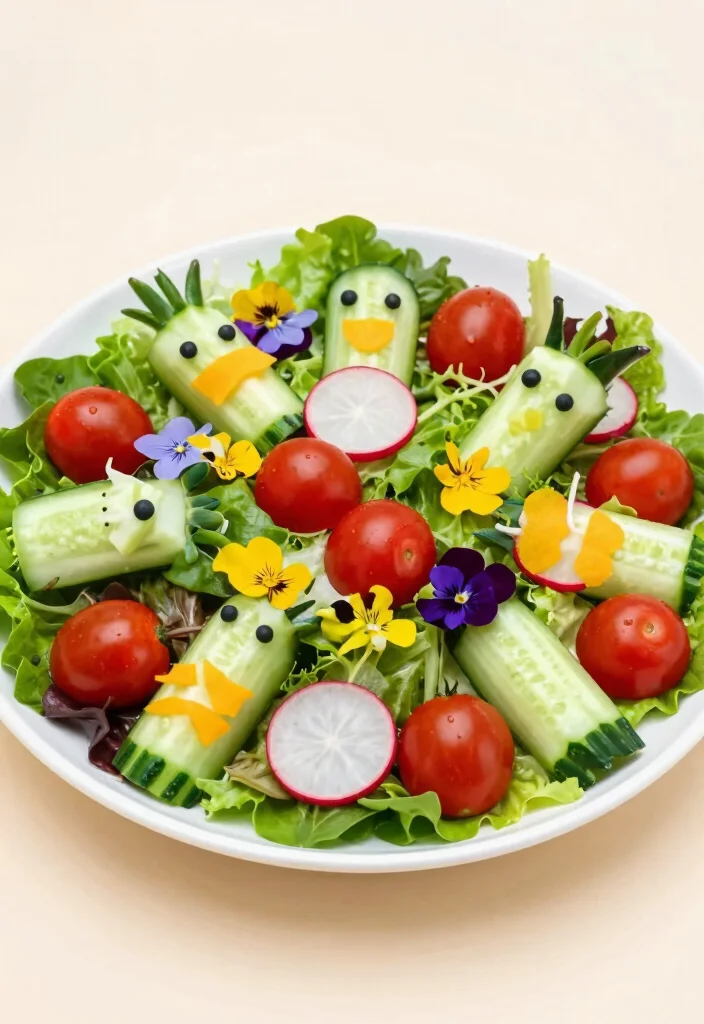
Want to add a playful twist to your plating? Whimsical touches can bring joy and fun to your meals. Use unique garnishes that surprise your guests, like tiny edible flowers or playful shapes from fruits and vegetables. These elements elevate the visual appeal and invite diners to engage with their food. Picture a dessert adorned with delicate flowers or savory dishes topped with quirky vegetable sculptures.
Ingredients:
– 4 cups assorted mixed greens
– 1 cup cherry tomatoes
– Edible flowers for garnish
– Assorted vegetable shapes (cucumbers, radishes)
Instructions:
1. Create a bed of mixed greens on each plate.
2. Arrange cherry tomatoes playfully around the greens.
3. Use a cookie cutter to shape cucumbers or radishes into fun designs.
4. Finish with edible flowers for a whimsical touch.
FAQs:
– Can I use any flowers for garnishing? Only edible flowers that are pesticide-free.
– What if I can’t find edible flowers? Fresh herbs can also add color and flavor.
Did you know that meals with whimsical garnishes get 30% more social shares? Tiny edible flowers or playful vegetable shapes spark conversation and invite guests to engage with your food. For home entertaining, aim for one standout garnish per plate to keep food plating both fun and elegant.
11. Balanced Bowls: Layered Bowl Presentations
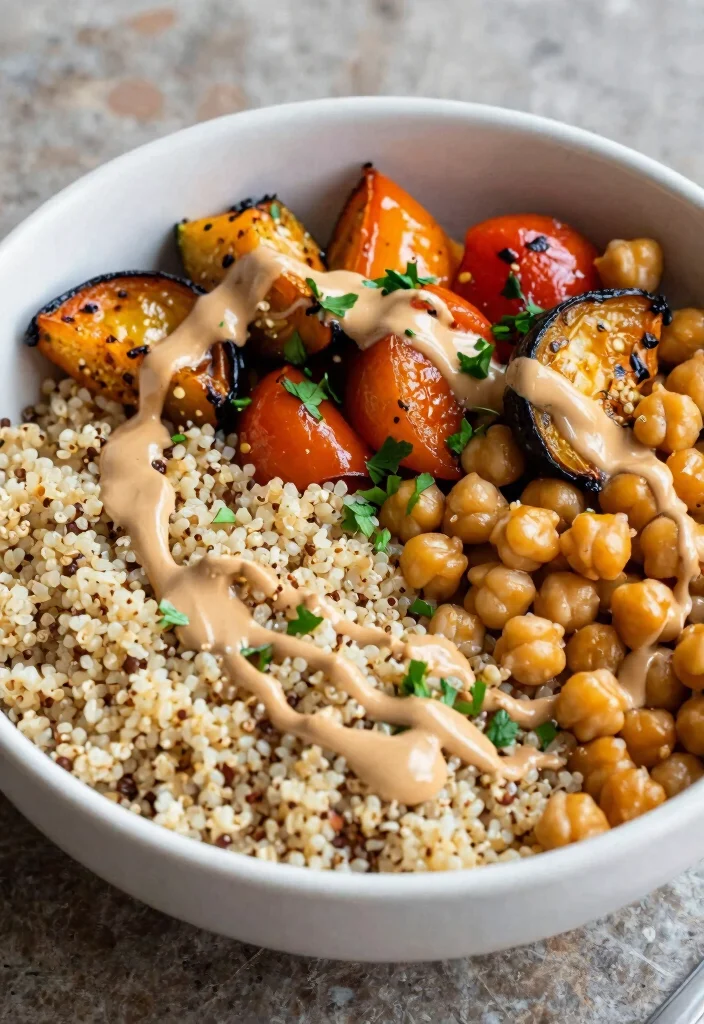
Bowl presentations are trending for good reason! Layering ingredients in a bowl creates a balanced dish that looks visually appealing. You can play with colors, textures, and flavors all at once. Think of a smoothie bowl topped with colorful fruit slices, seeds, and nuts, or a grain bowl with layers of roasted vegetables, grains, and proteins. This presentation method sparks curiosity and excitement among diners.
Ingredients:
– 1 cup cooked quinoa
– 1 cup roasted mixed vegetables (zucchini, peppers, carrots)
– 1/2 cup chickpeas (cooked)
– 1/4 cup tahini dressing
– Fresh parsley for garnish
Instructions:
1. Roast mixed vegetables until tender.
2. In a bowl, layer quinoa at the bottom.
3. Add roasted vegetables and chickpeas in separate sections.
4. Drizzle tahini dressing over the top.
5. Garnish with fresh parsley for added color and flavor.
FAQs:
– Can I make this bowl ahead of time? Yes! Prep everything and assemble just before eating for the freshest flavors.
– What can I substitute for quinoa? Brown rice or farro are excellent alternatives that work well in bowls.
12. Rustic Chic: Embracing Natural Elements
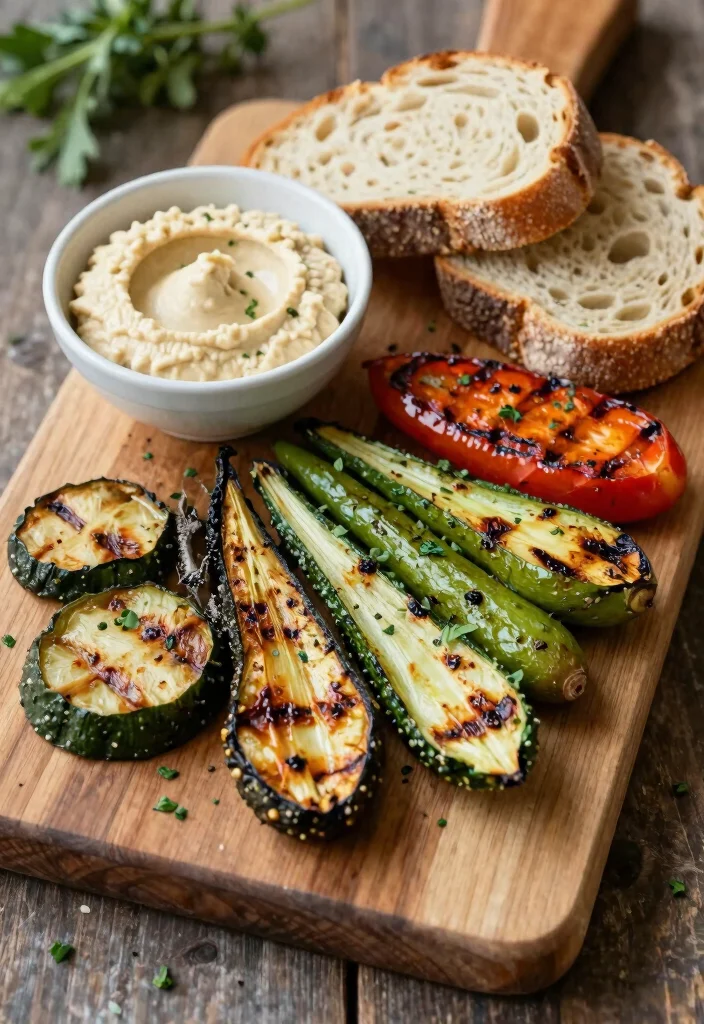
Embrace a rustic chic style by highlighting natural, earthy elements in your food presentation. This trend showcases the beauty of fresh ingredients in their most natural form. Imagine a plate filled with grilled seasonal vegetables, artisan breads, and dips presented on wooden boards or slate platters. The textured materials add warmth, creating a homey vibe perfect for casual gatherings or intimate dinners.
Ingredients:
– 2 cups assorted grilled vegetables (zucchini, peppers, eggplant)
– 1 cup artisan bread (sliced)
– 1/2 cup hummus or dip of choice
– Fresh herbs for garnish
Instructions:
1. Grill seasonal vegetables until tender and slightly charred.
2. Arrange the vegetables on a wooden board with slices of artisan bread.
3. Include a small bowl of hummus or dip in the center.
4. Garnish with fresh herbs for a rustic finish.
FAQs:
– Can I prepare this ahead of time? Yes! Just keep the elements separate until serving to maintain freshness.
– What are good dip options? Hummus, tzatziki, or a bean spread offer great variety.
13. Interactive Plating: Meals to Assemble
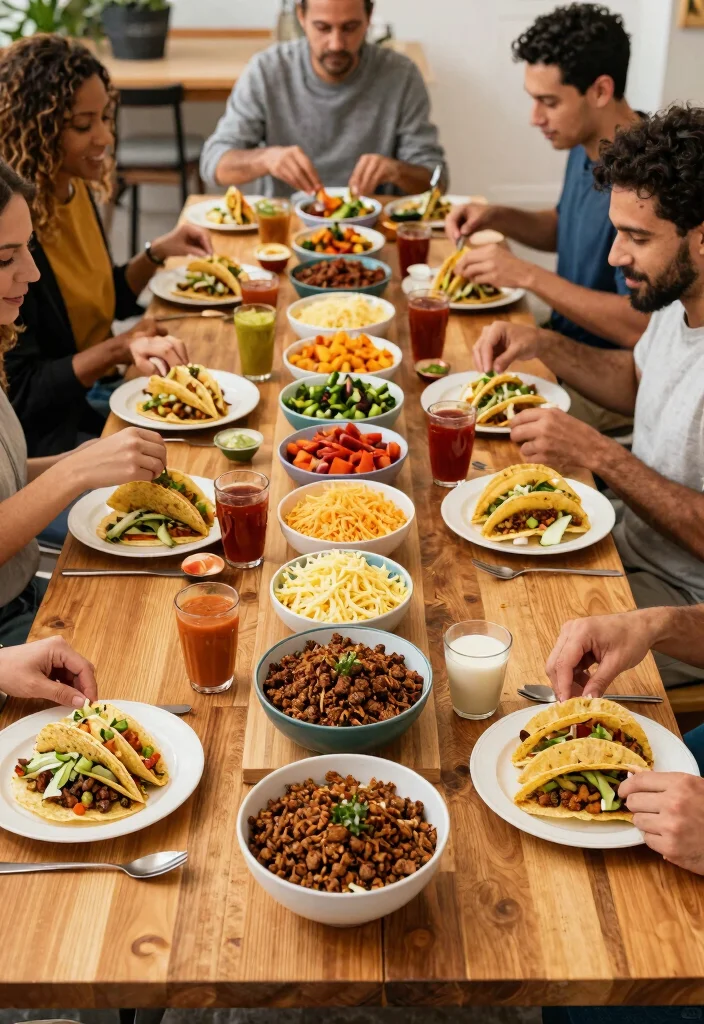
Create a fun dining experience with interactive plating that encourages guests to assemble their meals. This trend involves providing various components for diners to mix and match. Imagine prepped ingredients for tacos, build-your-own salads, or customizable rice bowls. This approach allows for personalization and fosters conversation and collaboration among diners.
Ingredients:
– 1 lb ground meat or meat substitute
– 2 cups assorted veggies (lettuce, tomatoes, corn)
– 1/2 cup cheeses (shredded)
– 1/2 cup salsa and sauces for topping
– Tortillas or rice as a base
Instructions:
1. Cook the ground meat or substitute until browned.
2. Prepare all veggies and toppings, arranging them in separate bowls.
3. Set out tortillas or rice on the table as a base.
4. Let guests build their plates with the options they enjoy.
FAQs:
– Can I use this concept for a party? Absolutely! It’s perfect for gatherings and allows each guest to personalize their plate.
– What if I have dietary restrictions? Providing vegetarian, gluten-free, and allergy-friendly options caters to everyone.
14. Seasonal Inspirations: Plating with Nature
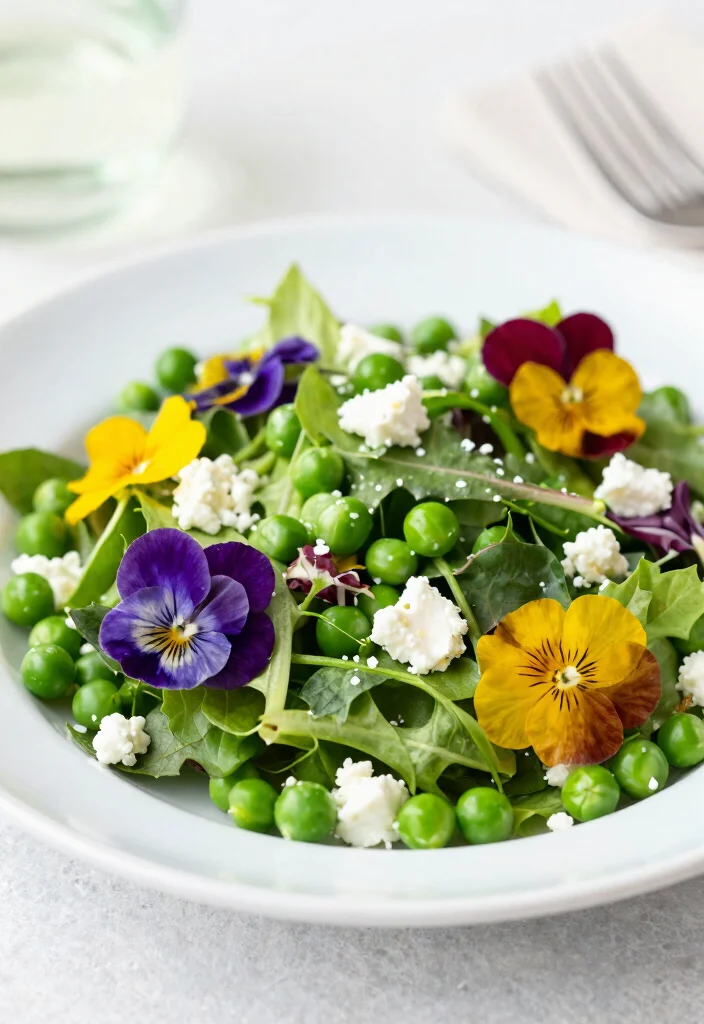
Incorporating seasonal ingredients into your plating can add a beautiful, natural element. Use colors that reflect the time of year, like vibrant greens and reds in spring to complement light, airy presentations, or rich autumnal hues for heartier dishes. Think of a spring salad with fresh greens, peas, and edible flowers for a light touch, or a hearty fall stew served in rustic bowls with earthy grains.
Ingredients:
– 2 cups mixed spring greens
– 1 cup peas
– 1/2 cup goat cheese
– 1/4 cup balsamic vinaigrette
– Edible flowers for garnish
Instructions:
1. Toss together mixed greens and peas in a bowl.
2. Plate the salad artistically on each dish, sprinkling with goat cheese.
3. Drizzle balsamic vinaigrette over the top and garnish with edible flowers.
FAQs:
– What if I can’t find edible flowers? Fresh herbs can work as a garnish as well.
– Can I use frozen peas? Yes, but fresh peas have better texture and flavor.
Fun fact: When you plate with seasonal greens and edible flowers, first impressions can rise by up to 60% in just a glance. For home entertaining, use vibrant greens in spring and rich, autumn hues to elevate your food plating with nature.
15. Global Inspirations: International Flavors on a Plate
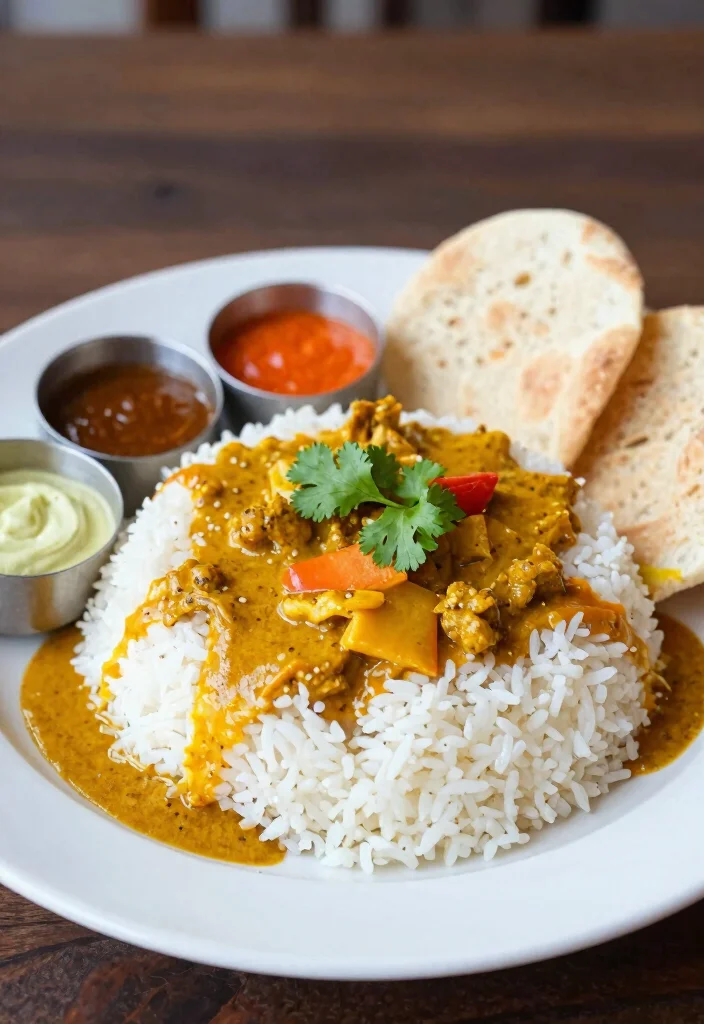
Bring the world to your table by incorporating international flavors into your plating. This trend encourages blending techniques and influences from various cultures. Imagine plating a Thai-inspired curry with jasmine rice garnished with cilantro, or a Middle Eastern mezze platter showcasing colorful dips and fresh pita. This method not only delights the taste buds but also celebrates the diversity of global culinary traditions.
Ingredients:
– 1 lb chicken or tofu (for curry)
– 2 cups coconut milk
– 1 cup jasmine rice
– 1/2 cup fresh cilantro
– Assorted dips (hummus, tzatziki, baba ganoush)
– Pita bread for serving
Instructions:
1. Cook jasmine rice according to package instructions.
2. Simmer coconut milk with curry paste, adding chicken or tofu until fully cooked.
3. Use a circular mold to shape rice on each plate, spooning curry around it.
4. Garnish with fresh cilantro and serve with assorted dips and pita bread.
FAQs:
– Can I use store-bought dips? Yes, but homemade versions can enhance the experience.
– What other proteins can I use in the curry? Shrimp or assorted vegetables work beautifully in this recipe.
16. Signature Touches: Personalizing Your Presentation
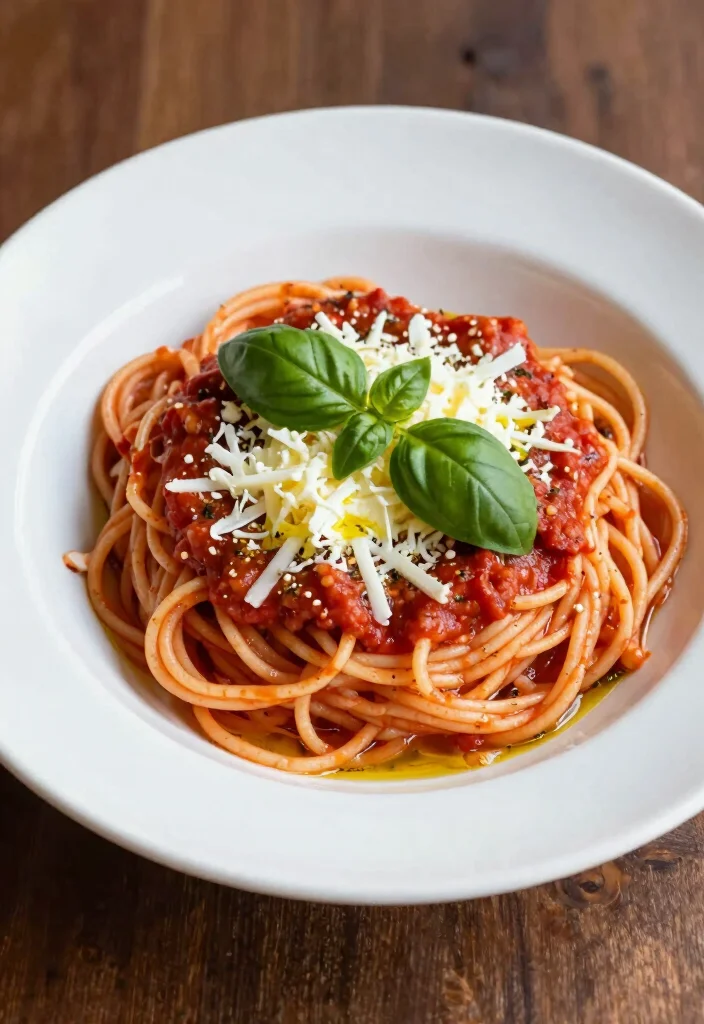
Express your individuality in the kitchen by adding signature touches to your food plating. This trend allows you to incorporate personal elements like favorite sauces, unique garnishes, or even cherished ceramics that reflect your style. Consider using a homemade sauce with a special story or plating a dish on a beloved family heirloom plate. These personal touches transform a meal into a memorable dining experience.
Ingredients:
– 2 cups pasta of choice
– 1 cup homemade marinara sauce
– 1/2 cup shredded mozzarella cheese
– Fresh basil for garnish
Instructions:
1. Cook pasta according to package instructions and drain.
2. Combine cooked pasta with marinara sauce, heating through.
3. Plate the pasta in a unique dish, topping with mozzarella and fresh basil.
4. Drizzle a personal ingredient, like flavored olive oil or homemade pesto, on top.
FAQs:
– How can I make this dish my own? Adding your favorite spices or sauces can personalize any recipe.
– Can I substitute pasta for another grain? Absolutely! Quinoa or farro would work wonderfully.
Conclusion
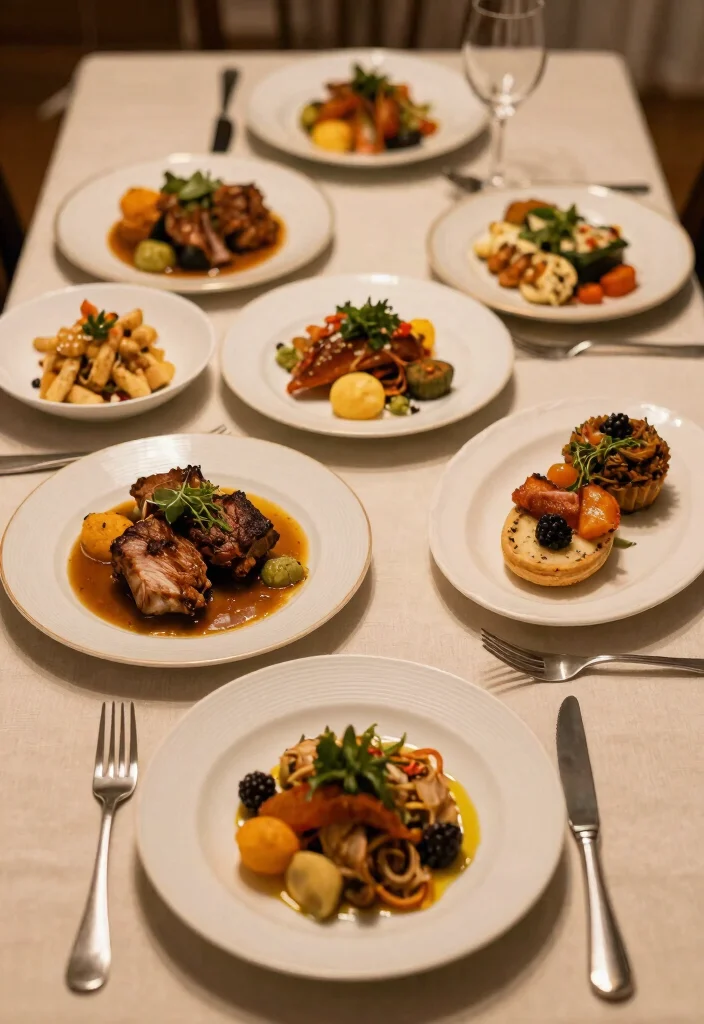
Exploring these 16 food plating ideas can truly transform your meals into culinary art.
By incorporating these trending techniques and personal touches, you’ll elevate your dining experience and impress your guests like never before. Whether you choose to go bold with colors, embrace minimalism, or create interactive meals, remember that the goal is to enjoy the art of food and share it with those you care about. Happy plating!
Note: We aim to provide accurate product links, but some may occasionally expire or become unavailable. If this happens, please search directly on Amazon for the product or a suitable alternative.
This post contains Amazon affiliate links, meaning we may earn a small commission if you purchase through our links, at no extra cost to you.
Frequently Asked Questions
What is food plating and why is it trending in 2026 for home entertaining?
Food plating is the art of arranging edible elements on a plate to elevate the dining experience. In 2026, food plating trends bring restaurant-worthy visuals into home entertaining while staying practical.
Practical tips to get started: choose a cohesive color palette, vary textures, create height, and use deliberate negative space to spotlight each component. Keep portions balanced and let the plate frame your dish to boost food presentation and culinary aesthetics.
With simple, repeatable steps you can achieve gourmet plating that enhances the dining experience without overwhelming your guests or your kitchen.
What are essential tools and garnishes for artisanal food plating at home?
To start artisanal food plating at home, you don’t need a full chef’s toolkit—just a few smart tools and fresh garnishes. Helpful items include tweezers for precision, small squeeze bottles for sauces, ring molds for clean shapes, and a paintbrush or microplane for micro-details.
Garnishes matter: microgreens, edible flowers, citrus zest, sesame or sesame oil drops, and roasted seeds can add color, aroma, and texture. Use edible props like a plain white plate to make colors pop and keep the focus on food plating and creative food styling.
Always prep mise en place and clean plates between courses to ensure a crisp food presentation every time.
How can I create a restaurant-worthy dining experience at home using gourmet plating techniques?
Turn your kitchen into a stage for gourmet plating by planning each course like a mini sculpture. Start with a simple, balanced trio on each plate: a protein, a sauce or glaze, and a textural element. Use height to draw the eye, add negative space to let colors breathe, and finish with a bright accent that ties the dish to your overall dining experience.
Practical steps: choose the right plate, time sauces to be freshly applied, plate in the optimal order, and practice uniform portions. This approach makes food presentation feel intentional and elevates your home entertaining without requiring a professional kitchen.
What are budget-friendly ideas to master creative food styling without expensive props?
You can master creative food styling on a budget by using what’s already in your home. Choose white or minimal plates to maximize color contrast, use a wooden board or marble slab as a base, and lean on natural props like herbs, citrus wedges, or edible flowers from farmers’ markets.
Focus on color harmony, texture contrast, and thoughtful arrangement rather than costly props. A small squeeze of sauce, a single microgreen, or a curved drizzle can transform the plate. This keeps the food plating look polished while staying practical for home entertaining.
Where can I find inspiration for 2026 food plating trends and how can I adapt them safely at home?
Get inspired by chef portfolios, reputable food magazines, and social feeds that showcase 2026 trend ideas for food plating. Look for trends in color stories, geometric layouts, height, and minimalism, then adapt them with your own ingredients and cooking style.
Tips for safe adaptation: start with one trend at a time, test on a single plate, and keep sanitation top of mind. Use seasonal ingredients to maintain flavor and avoid waste, and practice creative food styling that complements flavor, not just looks.
Related Topics
food plating
culinary aesthetics
gourmet plating
artisanal presentation
creative food styling
dining experience
minimalist plating
elegant presentation
trending techniques
home entertaining
advanced plating
seasonal dishes