Brick patio designs run from running bond you can lay in a Saturday to circular patterns that test a mason’s patience, and the deciding factor is room size more than style preference.
A 10×12-foot space off a back door goes flat under herringbone’s busy joints, while basket weave or two-tone geometry finally reads right at 20 feet square.
The installed cost lands between $12 and $25 per square foot depending on whether you are renting a wet saw for angled cuts or just buying sand and bricks.
[link-whisper-related-posts]1. Herringbone Pattern
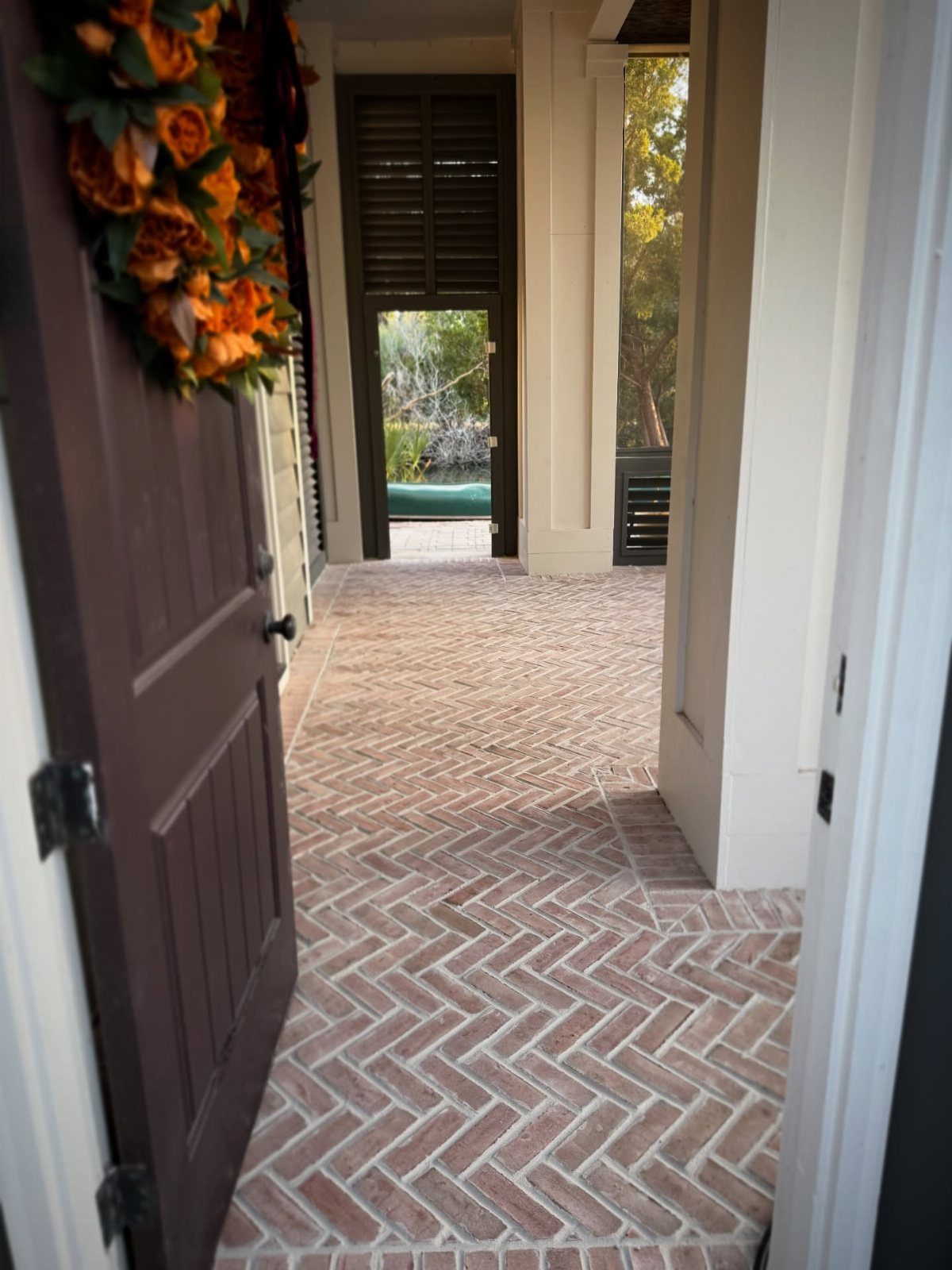
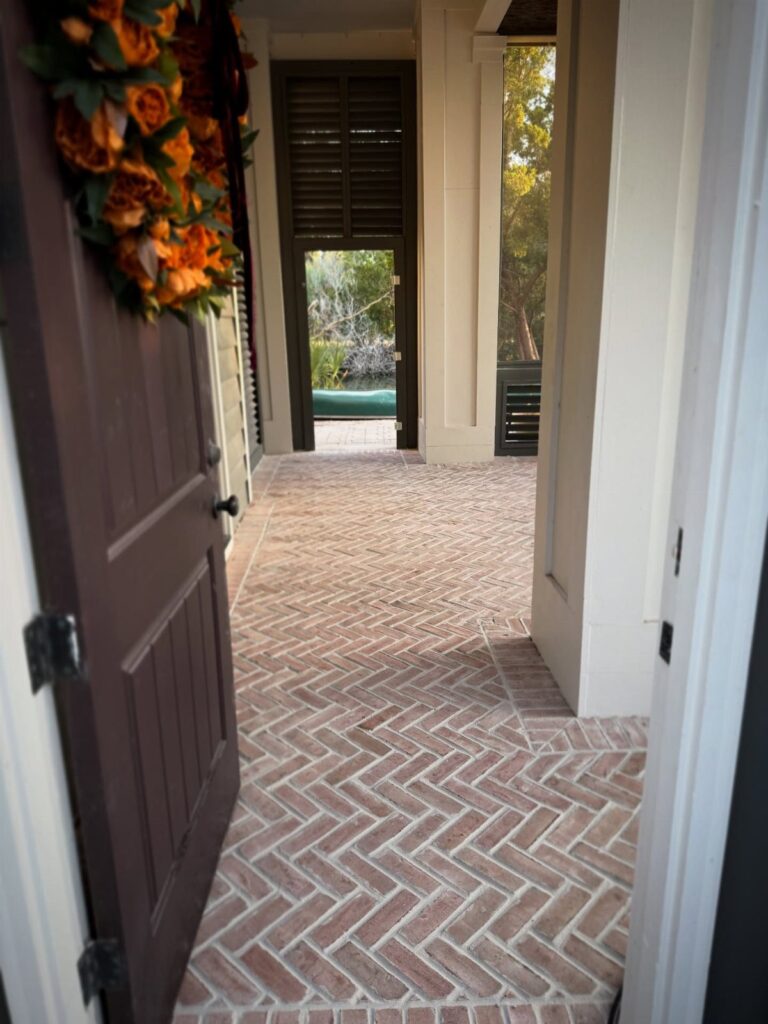
A herringbone brick patio reads expensive because of how the pattern forces you to slow down and notice it.
Bricks sit at 45 or 90-degree angles, snapping together in a zigzag that engineers like because the joints lock the whole surface against shifting under cars or heavy foot traffic.
I like the 45-degree version for a small space opening off a back door; it widens the visual width without adding a single brick.
Angled cuts burn time and blades. A driveway or sloped walk needs this pattern for the stability.
A flat back patio where nobody parks? Running bond gets you outside faster with money left for chairs.

CONCENTRATED FORMULA: BrickTastic Is Shipped As A Powerful Concentrate. Use Straight For Heavy-Duty Cleaning Or Oil Stain Removal. Dilute With Water For Routine Cleaning. One Gallon Makes Up To 20 Gallons Of Cleaning Solution.
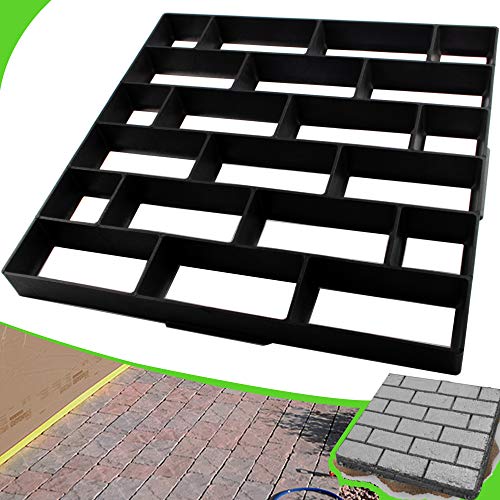
🌴【Oversized Paver】19.7"x19.7"x1.7" in size, The concrete mold can make staggered brick paths,patio ,Yard and Lawn.

2. Running Bond
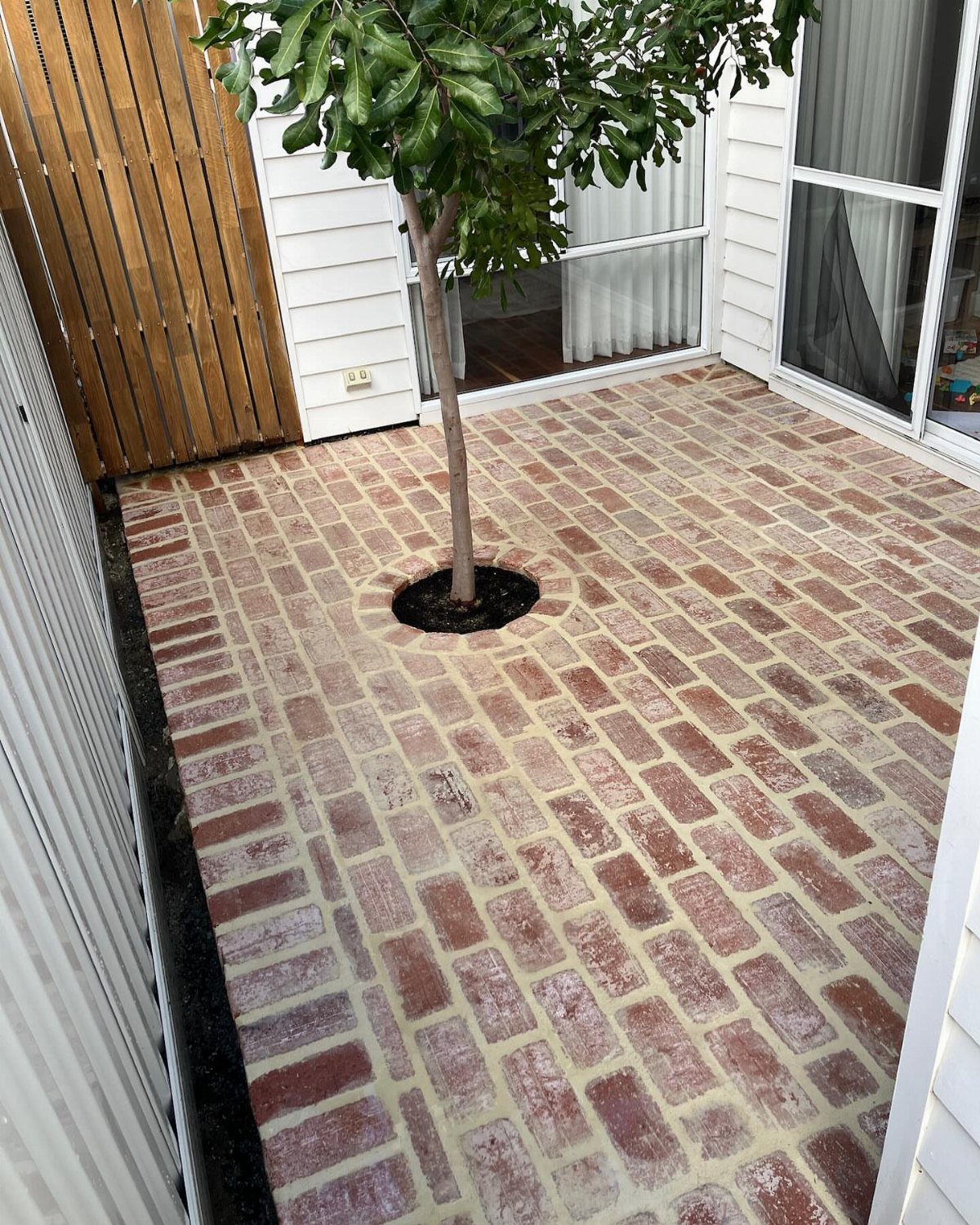
Staggered rows, each brick offset half its length from the one below, make running bond the default you have already seen on porches and paths.
A curve does not break the rhythm, which is why this pattern stays popular for wrapping tree cutouts and other odd shapes.
Bricks or pavers in uniform sizes lay fast with minimal cutting. Mix widths or lengths of rows when you want something less expected without learning a new layout.
I would reach for this when the project has to finish in a weekend. It is forgiving of slightly uneven ground, and finding matching replacement bricks later stays simple because the pattern never went out of production.

Builds strong retaining walls and stonework
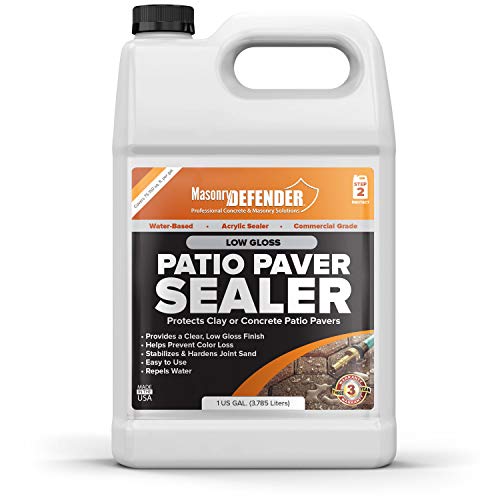
CLEAR WATERPROOF PROTECTION: Water based acrylic sealer dries clear with a low gloss finish, enhancing and protecting surfaces from fading. VOC-compliant and prevents color loss without yellowing.
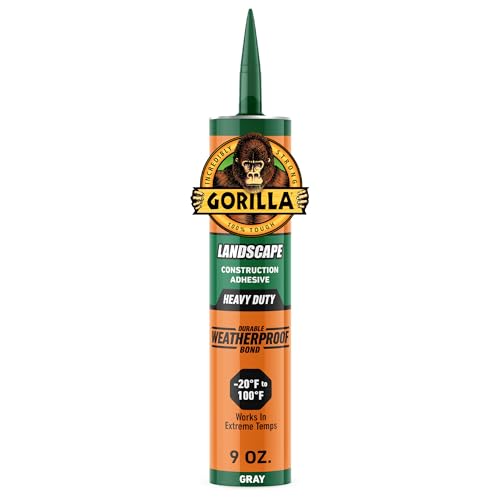
HEAVY DUTY LANDSCAPE ADHESIVE: Built for demanding outdoor and landscaping projects where a strong, reliable bond is required
3. Basket Weave Pattern
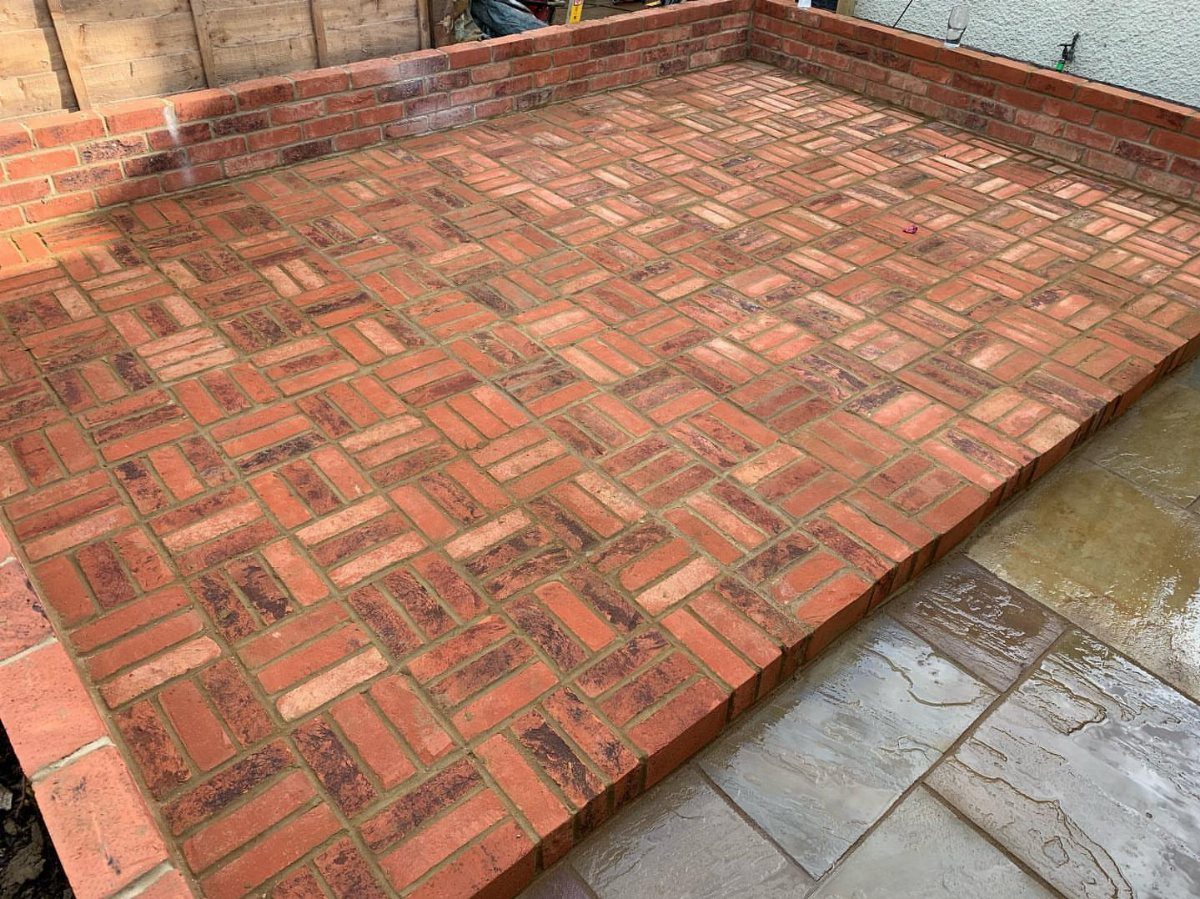
Pairs of bricks turn vertical, then horizontal, weaving a basket weave that breaks up the flatness of a large patio the way a rug anchors a big room.
The pattern itself carries the interest on open ground, though low brick walls can frame it where level changes.
Scale matters.
2 bricks side by side spread wider than single rows; a very small patio can feel busy. The grid creates resting places for the eye across stretched concrete on larger patios.
No cutting for the basic layout, which keeps labor down. I ran this once on a rental property where the tenant wanted "something that looked like thought went into it" and the budget had 3 digits.

★ Easy to operate and does not require professional skills. Filling the with a concrete mixture, the surface is smooth and easy to clean, and even inexperienced people can...
4. Circular Pattern
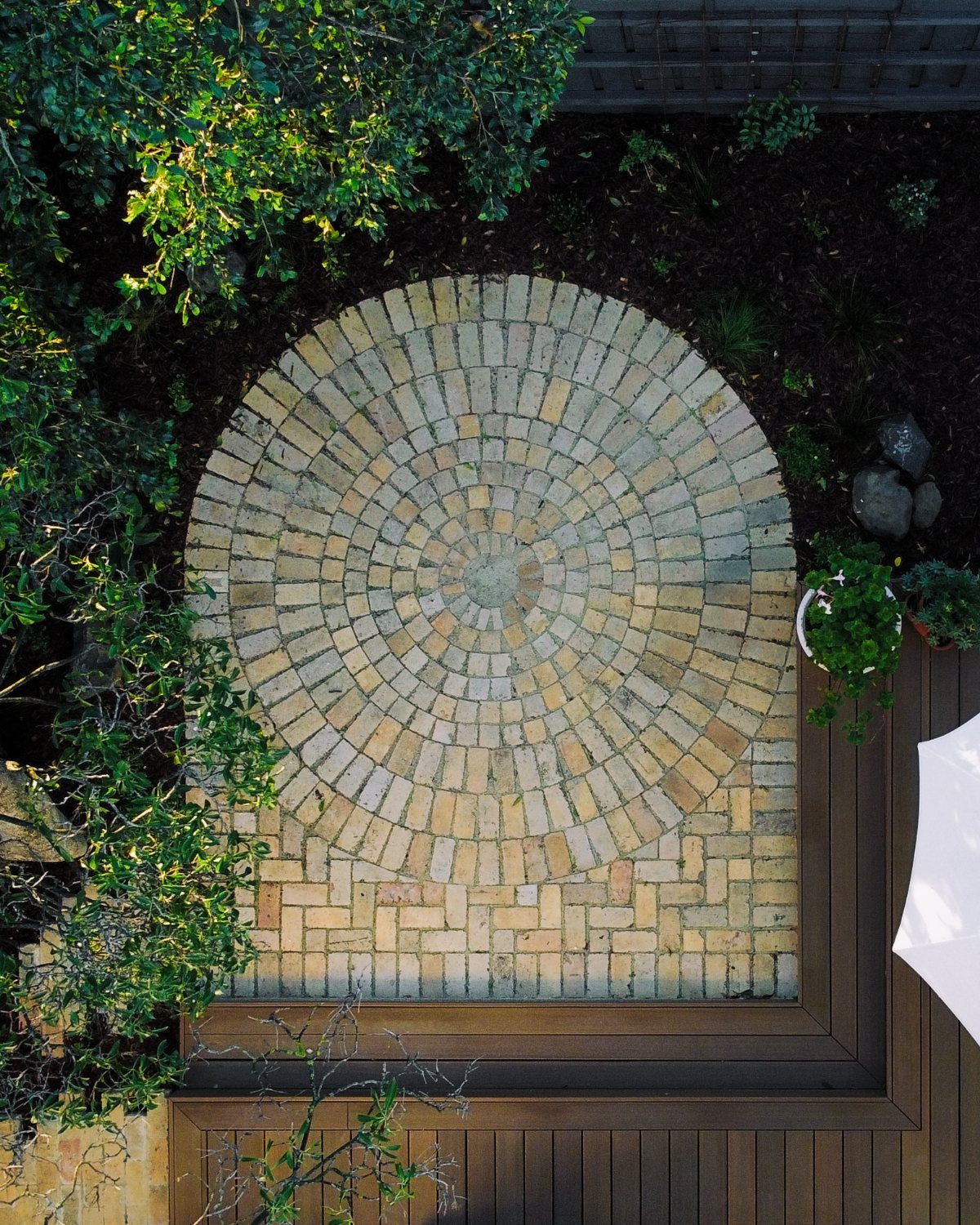
Circular brick patterns fan out from a center point like spokes, and more than half the bricks need angled cuts that eat hours and test patience.
The finished effect pulls focus so strongly that designers often drop it as a medallion inside a larger, simpler field rather than paving an entire yard with it.
The notes I found mark this as hire-a-mason territory, and I agree from watching a neighbor quit halfway through and live with a half-moon of mud for 2 seasons.
A small version, where a fire ring sits in a circle ringed by running bond you can lay yourself, works well for a first project.

【Reusable】: Garden stones can be used again immediately after you pour your first garden stepping stones, so you don't have to wait.

Used Book in Good Condition

🌳【Oversized Paver】 The oversized concrete brick mold is 23.6"x19.7"x1.8" in size, and the inside is composed of 10 rectangles of different sizes, which can pave a unique path.
5. Built-in Tree Cutout
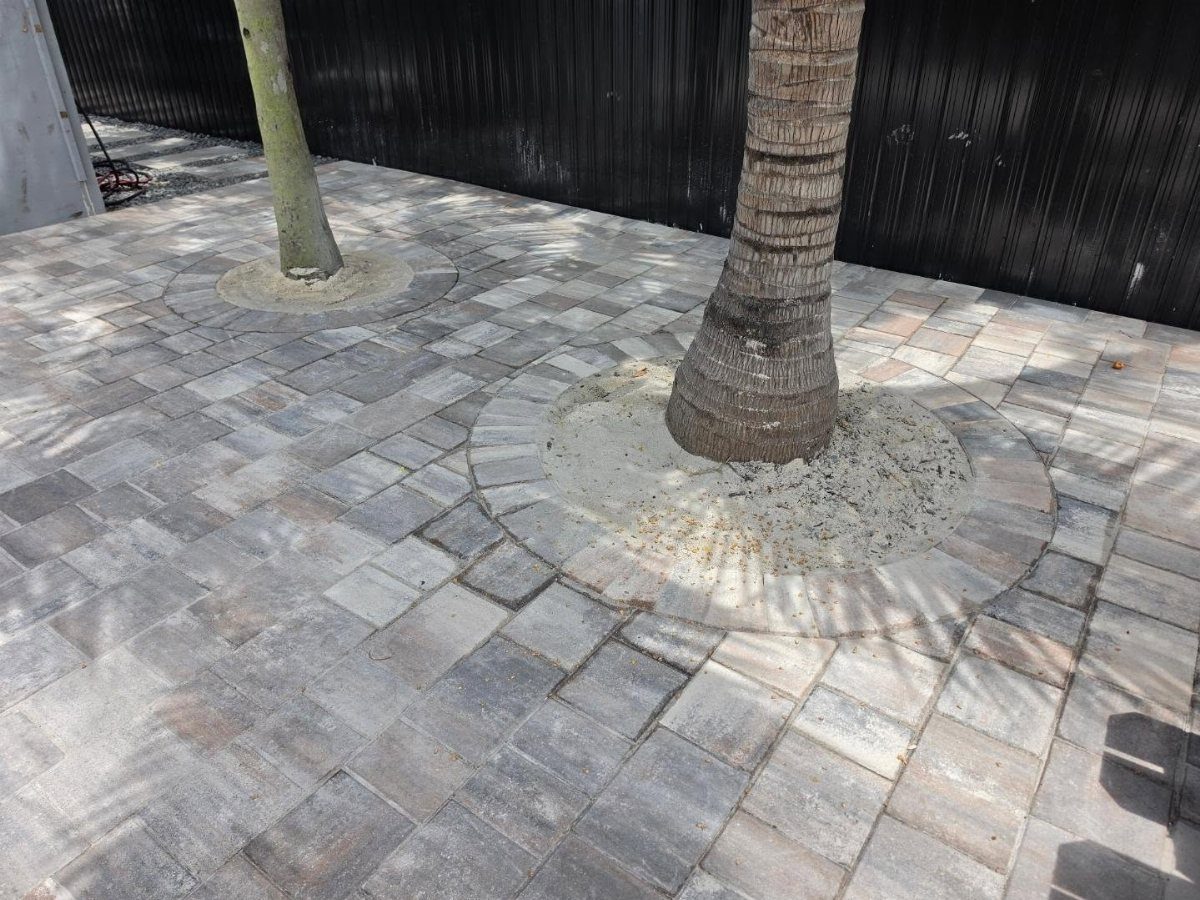
Trees growing through a paved surface look planned only when the cutout gets wide enough for future growth and drainage both. Circular gaps ringed in pavers leave the centers open to soil or sand rather than sealed tight around trunks.
Before cutting any brick, check the trunk diameter now against what that species reaches at maturity. A tight gap suffocates a tree that needs room for root oxygen and water penetration before long.
I have watched pavers heave and crack where roots lifted them from below.
Plan the radius large, use flexible edging rather than mortar at the cutout, and expect to reset bricks as the trunk widens. The alternative is leaving trees outside the patio line entirely.

High Performance diamond matrix provides 200x's the life of conventional abrasives and enhanced material removal

【Stone Master】EZARC Segmented diamond saw blade is designed for aggressive cutting of masonry materials such as granite, concrete, sandstone, and limestone. Whether you are a construction worker, plumber, paver, DIY'er this cutting blade is perfect for you.
6. Geometric Two-Tone Paver Layout
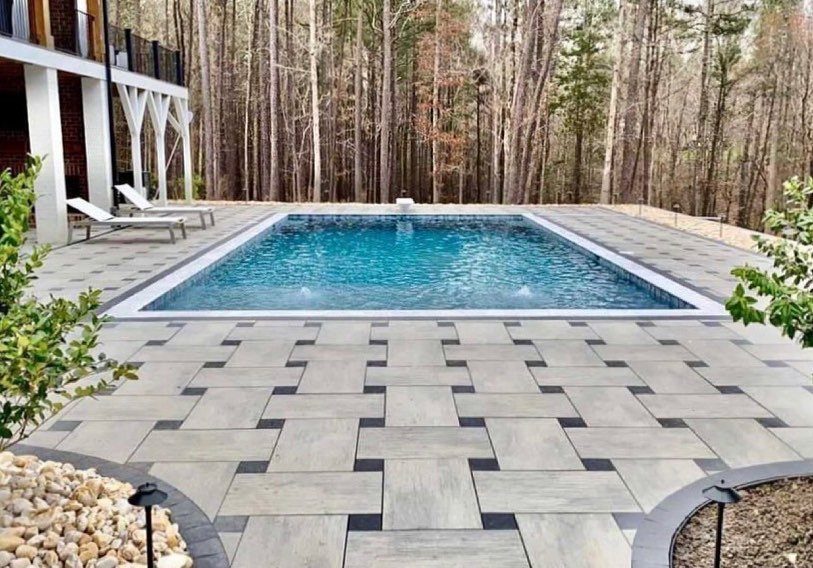
Grey rectangles interrupted by small dark squares read contemporary because the contrast is sharp and the grid is strict.
This is a two-tone stacked bond: every joint lines up, nothing staggers, so the base patio demands flat ground and precise leveling.
The black inserts sit as accents in a geometric rhythm against the lighter field, not scattered at random. Changing their size or spacing changes the whole mood.
I would budget for a wet saw rental because square cuts in manufactured stone chip without one.
The layout is simple to map on graph paper beforehand, which I do whenever the pattern relies on repetition rather than forgiving offsets. Save one box of each color for repairs; matching dyed concrete later is guesswork.

【High-Quality ABS Materials】Concrete molds are made of ABS Materials which allows you to use the molds over and over.

Efficient Paver Removal Tool: Remove interlocking pavers, stones, bricks, and blocks with ease using this paver puller. The built-in two joint scraper with micro teeth and gripper slots allows you to lift sunken or locked pavers quickly and efficiently.

Versatile Outdoor Lighting Solution: Add lights to a walkway, patio, driveway or pool deck to create a safe, well-lit pathway or accent. Kerr Paver & Cobble lights are rated for vehicle traffic and can handle the load bearing of a car parked on top of the lens. They can even handle light to medium duty truck traffic
7. Enclosed Brick Courtyard Patio
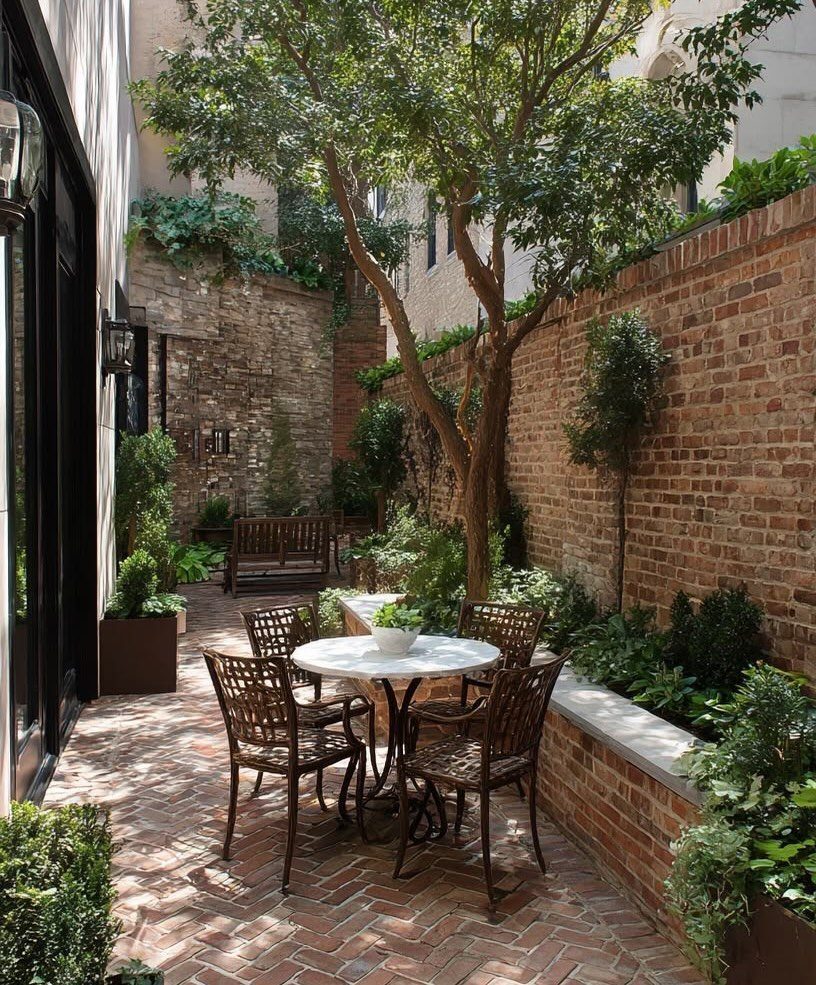
Walls around a patio turn the space into a room that happens to be outdoors, which changes how you use it. The brick surface reads as flooring, not paving, and a dining table becomes the natural center.
A narrow courtyard works when the walls run tall enough to stop the view from spilling past the edges. Build lower than head height and you get a pen, not a courtyard.
Drainage needs thought. Rain that lands inside these walls needs somewhere to go.
A slight slope away from the house toward a hidden drain, or a central grate if the soil percs poorly. I would check the grade before laying the first brick; retro-fitting a slope under finished paving means starting over.
Budget runs higher than an open patio.
You are building walls plus a floor, not just a floor. Start with the footprint and work up if the number works.

CLEAR WATERPROOF SEALER: Water based acrylic sealer goes on milky white and dries clear for a low-gloss finish. Protects surfaces from fading and prevents color loss without yellowing.

{ Fight Every Weather Condition } Whether it be rain, snow or excessive sunshine; Our sand is designed to handle the rigors of anything mother nature can throw at your patio!

Easy to use, reusable plastic mold featuring a running bond brick pattern
8. Built-in Brick Planter Edge
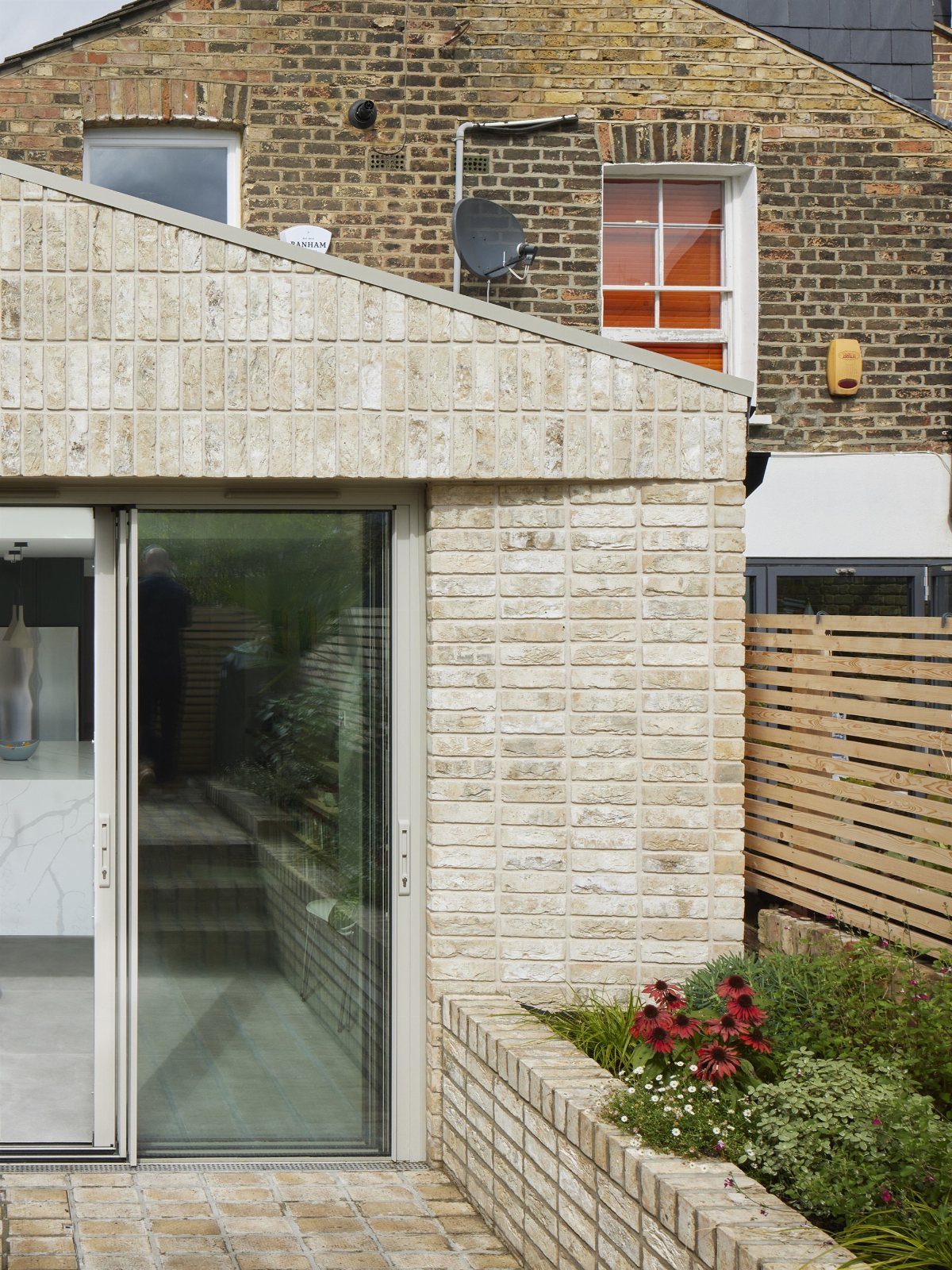
A planter built from the same brick as the patio edge dissolves the line between floor and garden. A low planter, flush with the brick surface, keeps plants at ankle height rather than raised-bed height.
Tall planters block sightlines from inside; shallow ones let trailing plants drag on the bricks. A planter interior wide enough for a row of herbs still leaves wall thickness to carry the structural load.
I would lay the patio first, then build the planter on top of the finished surface rather than cutting into the base.
That keeps drainage simple: drill weep holes through the planter bottom and let water find the sand bed beneath the bricks.
Mortar the planter walls, not the cap; freeze-thaw on a solid cap cracks it, while a loose brick top lifts off for re-leveling.
Choosing the Right Pattern
Size drives pattern choice more than most people expect at the start. A 10×12-foot patio off a back door reads cramped under herringbone’s busy joints; running bond or stacked bond opens it up.
Flip that to a 20-foot square and the same simple pattern looks like a driveway extension. Basket weave or herringbone break the flatness before you add furniture.
Simpler layouts also forgive uneven ground. Complex patterns need flat substrate or the errors multiply; you will see every wobble in a geometric two-tone where joints line up.
Your existing exterior matters. A herringbone against a low ranch can feel like a tuxedo at a cookout.
Running bond nods to the porch tradition already there. Contemporary builds handle stricter geometry better.
Pattern and paver size interact too. Larger format slabs do the same job with fewer joints and less visual noise.

🌲【Reusable】The concrete moulds is made of polypropylene.Very sturdy and can be reused.

【FOR WHAT】The paving path/border maker are designed for those wishing to create their own unique path,patio ,Yard and Lawn.

Durable & Easy: These 15.5" stepping stones are made of weatherproof resin, so they can withstand rain, hail, UV rays, and cold temperatures. They also feature four ground stakes for secure installation, making them perfect for patios, walkways, and gardens.
Installation Methods
Dry laid over sand and gravel is what most weekend projects use.
Bricks sit on a compacted base, sand locks the joints, and water drains through. Repairs mean lifting one brick, not chipping mortar.
Mortared over concrete costs more and needs skill; hire out unless you have done it before.
The surface stays locked solid, good where frost heave is not a threat, but a cracked mortar joint is a bigger fix than a shifted sand-bed brick.
Concrete slab underneath works for either method. Sand and gravel base demands compaction time; rent a plate compactor, not a hand tamper, for anything over 80 square feet.
Pattern complexity drives installation time, not just method.
A circular medallion in mortared brick is professional territory. Running bond on sand you finish Saturday.
Maintenance Tips
Sweep before debris works into joints. Organic matter rots, holds moisture, and stains brick that never fades in color but still looks grimy.
Pressure wash every season or two; keep the nozzle moving so you do not etch soft brick faces. Avoid bleach and acid cleaners; they break down the surface.
Sealant every few years against moisture and stains.
Inspect after thaw cycles. Dry laid means you lift and re-level heaved bricks with a flat shovel and fresh sand.
Mortared joints need chisel and repoint before water gets behind. Small crack now, bigger replace later.
Weed killer in joints poisons runoff; polymeric sand or just pulling works.
Cost Considerations
The brick itself runs a couple dollars per square foot before delivery and the sand or mortar base goes on top of that.
Total installed cost lands between $12 and $25 per square foot depending on pattern, method, and whether you rent tools or hire labor.
Running bond on a sand base sits at the low end: minimal cutting, no mortar, hand tools you own. Herringbone at 45 degrees pushes toward middle; angled cuts waste brick and need a wet saw rental the notes confirm.
Circular patterns and mortared installs hit the top. The half-finished neighbor in the list paid twice: materials, then mason rates to finish what patience ran out on.
DIY savings disappear if you have to buy twice.
Measure twice, order 5% extra for cuts and breakage, save one box for color-matched repairs later. The notes on dyed concrete call matching later guesswork; same rule applies to brick batches.
Courtyard walls double the project; you are pricing footings, drainage, and vertical material now, not just surface coverage.
Frequently Asked Questions
How much does a 20×20 brick paver patio cost?
A 20×20 foot patio is 400 square feet. The per-square-foot range spans from basic installs toward the higher end once pattern complexity or hired labor enters the picture.
A basic running bond on sand stays simpler and cheaper; herringbone with angled cuts or a mortared bed adds labor and material fast.
Can you lay bricks directly on dirt?
No. Bricks need a compacted gravel base with a layer of sand on top for stability and drainage.
Laying directly on dirt invites shifting, settling, and frost heave. For patios larger than a small landing, rent a plate compactor; a hand tamper will not level the base evenly enough.
Is it cheaper to do a brick patio or cement?
The notes do not give a direct comparison, so I would not guess. The notes only state that brick patio installation can be cost effective depending on pattern and whether the homeowner does the work.
A poured concrete slab might beat brick on material cost but would need extension for pattern and repair behavior to compare fairly.