These easy raised garden ideas run from free pallet salvage to a $100 cedar box on legs, and the right one depends on whether you own your ground or will need to move it next year.
A planter on locking casters rolls to follow the sun across a balcony, while wall blocks drop in place with no mortar and lift out just as easily when the lease ends.
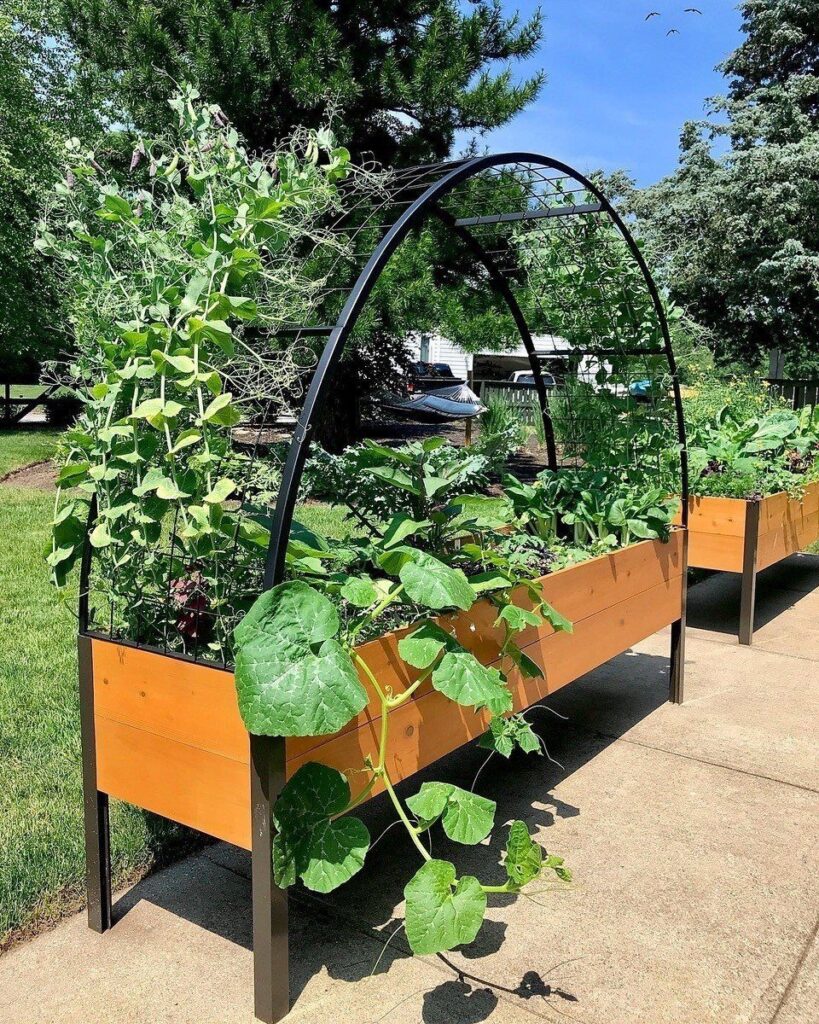
The 48-inch elevated version I have seen keeps soil at waist height and still leaves room for beans to climb an arched trellis fixed to the back rail.
[link-whisper-related-posts]1. Elevated Wood Planter Boxes
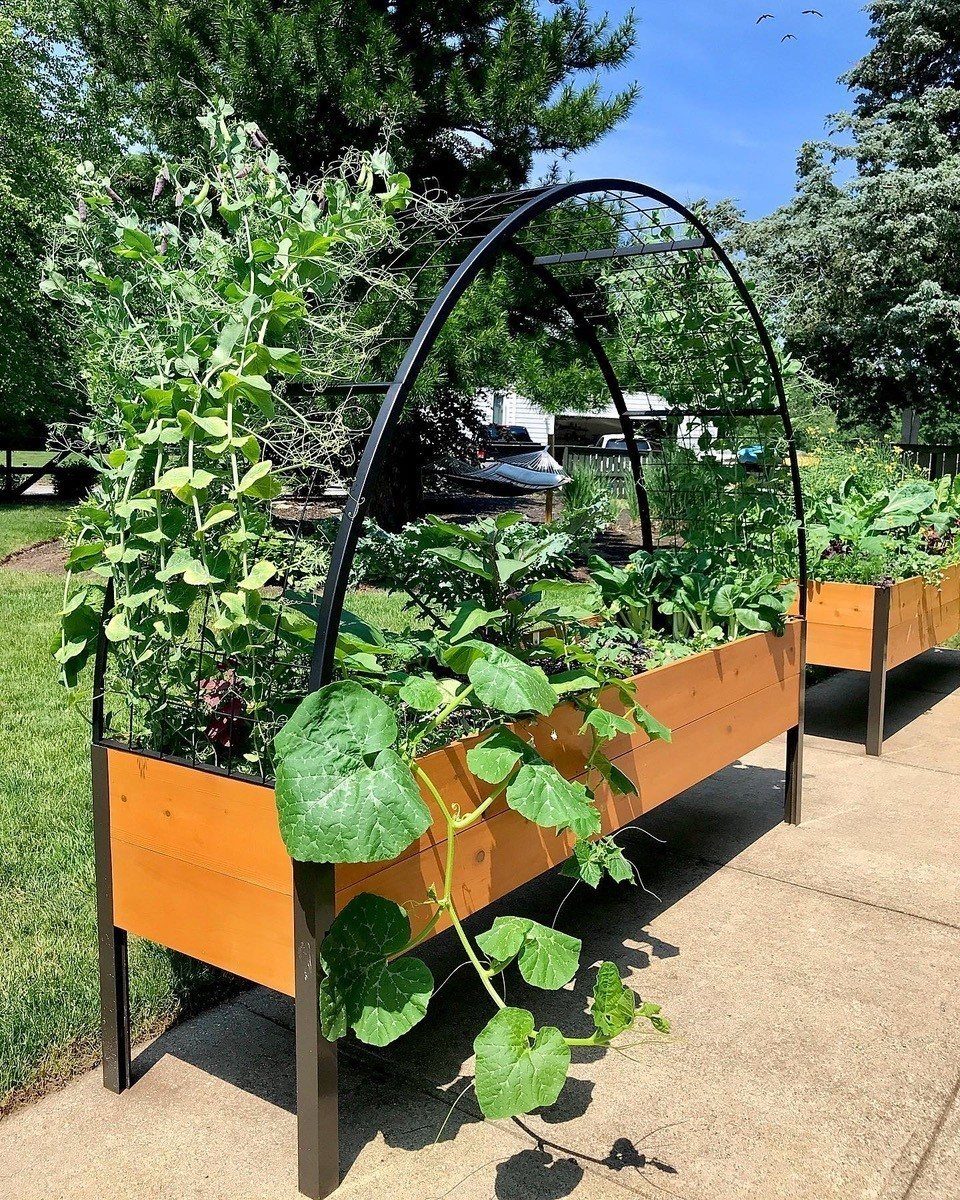
An elevated cedar planter box on metal legs keeps the soil at waist height, which means no kneeling and no morning-after backache.
The 48-inch version I have seen runs under $100 and still leaves room for an arched trellis fixed to the back rail for beans or morning glories to climb.
The legs do the work of a tall frame without the lumber cost. Drill drainage holes if the bottom is solid, set it on a level patch of concrete or pavers, and fill with your mix.
For anyone whose knees or hips make ground-level gardening a short session, this is the difference between tending tomatoes and watching them from the window.

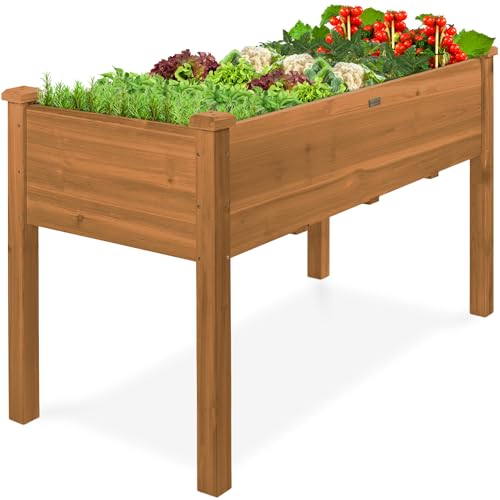
Elevate Your Garden - Opt for a brilliantly engineered raised garden bed to revolutionize your gardening. Its spacious design, measuring 48x24x30 inches, allows for the cultivation of multiple vegetable varieties alongside a plethora of herbs, optimizing your gardening space for ease and diversity.

DEEP PLANTER FOR MAXIMUM YIELD: With 16" of soil depth and a spacious planting area, this elevated bed supports healthy root vegetables like carrots, beets, and radishes while allowing more crops per bed, boosting overall harvest and garden productivity

Large Size and Wood Combination: MIXC raised garden beds is made of untreated fir wood, which resists warping and splitting over time better than cedar. The support part is made of Pinus radiata with better load-bearing properties. Dimension: 48”(L) X 24.4”(W) X 31”(H). With 5-6 cubic feet of space and a 9-inch depth, our garden bed offers generous room for your plants flowers and vegetables to breathe and thrive outdoors
2. Repurposed Pallet Raised Bed
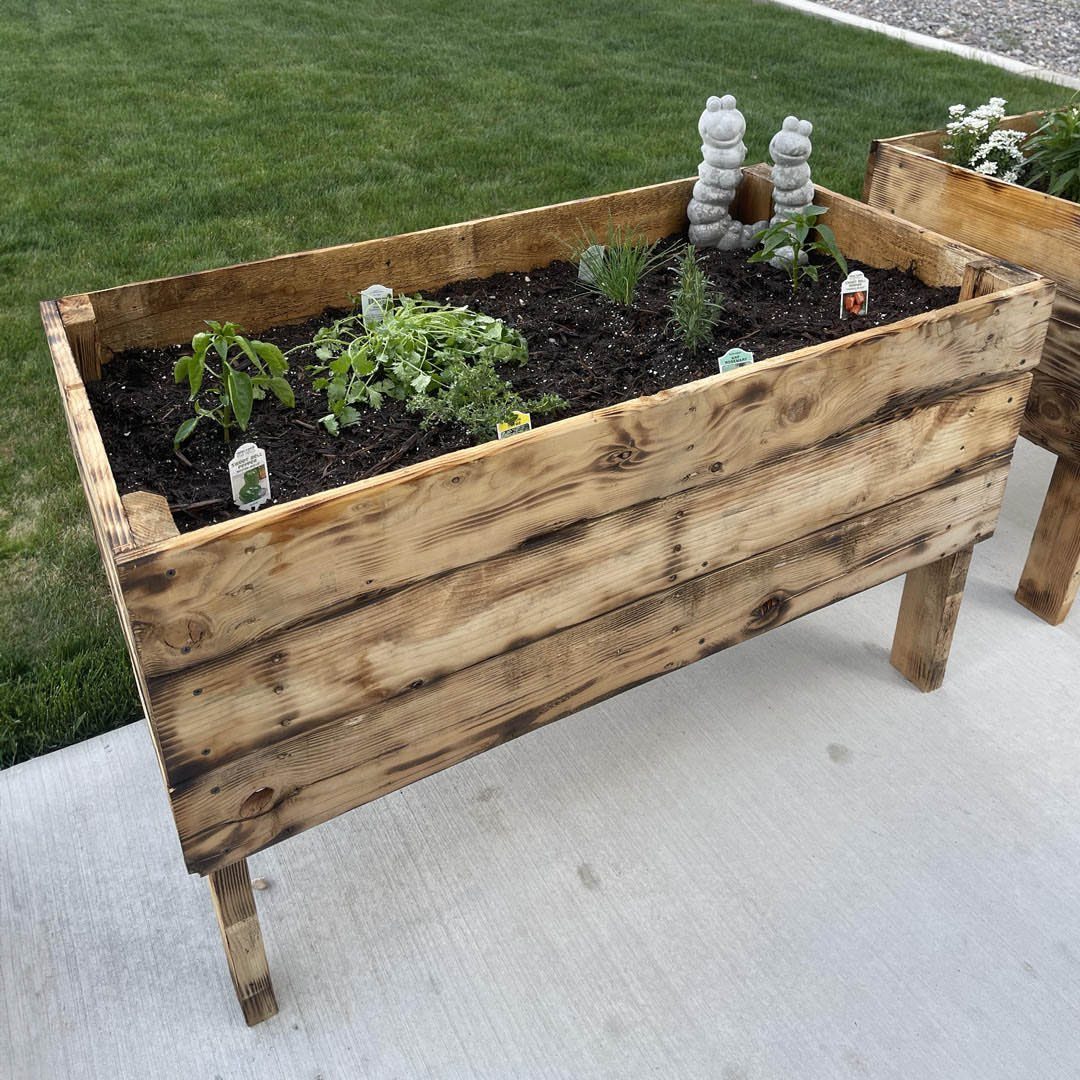
Leftover pavers, stacked blocks, an old clawfoot tub still holding water: a raised bed can start with whatever is already on your property costing nothing.
Pallets are the most common free salvage, though you need to check the stamp: heat-treated wood is marked HT and safe for vegetables, and if you see MB for methyl bromide, keep that one for flowers or skip it entirely.
Bricks look sharp against a matching patio and last forever, though they can push soil pH upward over the seasons.
My preference is the bathtub route for herbs, since the iron holds warmth in spring and the depth suits deep-rooted plants without any construction at all.

Generous Planting Space: Ample bed space provides your plants and vegetables with room to thrive, promoting healthy growth and robust yields.

DIMENSIONS: 48 in. W x 48 in. D x 29. 12.6 in. H
LARGE PLANTING SPACE: Designed with a long bed space (5CuFt) deep enough to provide your plants and vegetables with ample room to breathe and grow healthy
3. Planter Wall Block Raised Garden
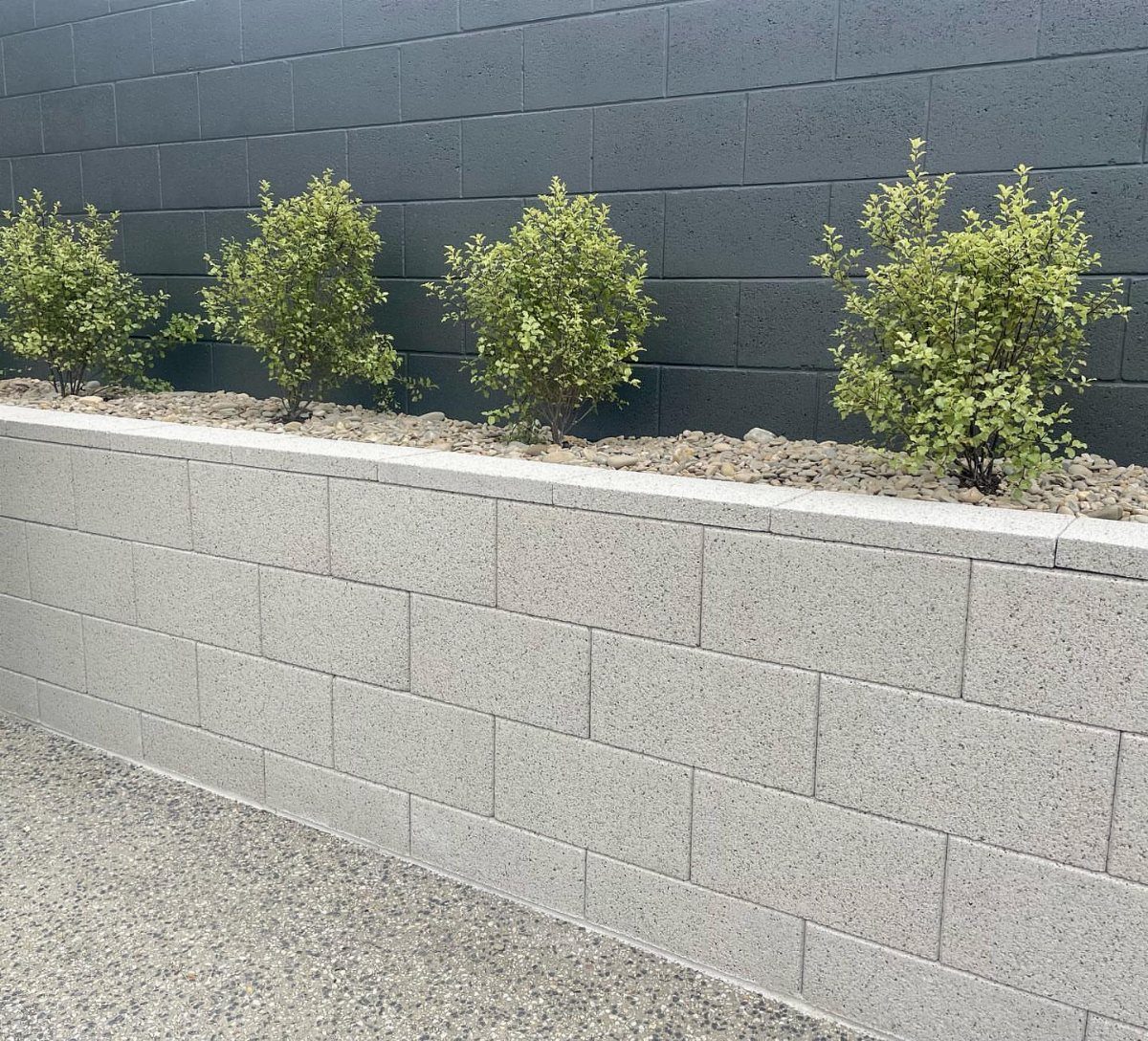
Wall blocks sit where they land; no mortar, no posts, no angled cuts.
Level a strip of ground the width of your bed and stack concrete blocks at the corners 2 courses high to form the walls that hold the soil.
The whole setup runs under $75 and comes apart with a pry bar if you change the layout next year.
I like this for renters or anyone testing whether they will stick with gardening. A layer of river stone on top is optional but keeps soil from washing onto the patio in a hard rain.

Ergonomic Height: Standing at 30 inches tall, it reduces strain from bending and kneeling, promoting more comfortable gardening.

2FT GROWING DEPTH: 24 inches of depth holds up to 239 gallons of soil-ideal for medium to deep rooting plants and vegetables like broccoli, beans, and more; Note: This product does not include a bottom panel
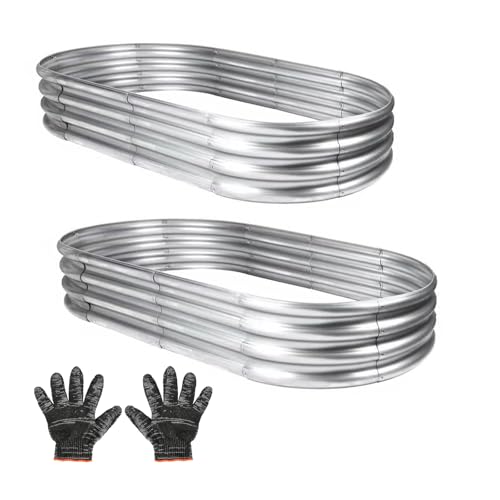
PRO-GRADE GALVANIZED STEEL: The average garden beds sheet reaches 0.79mm, and the thickest part can reach 1.59mm. The surface of our garden beds are double-galvanized with an extra layer of chrome-free passivation technology, resist rust 3X longer than standard metal planter boxes, ensuring 10+ years of durability in rain, snow, and extreme temperatures
4. Galvanized Planters
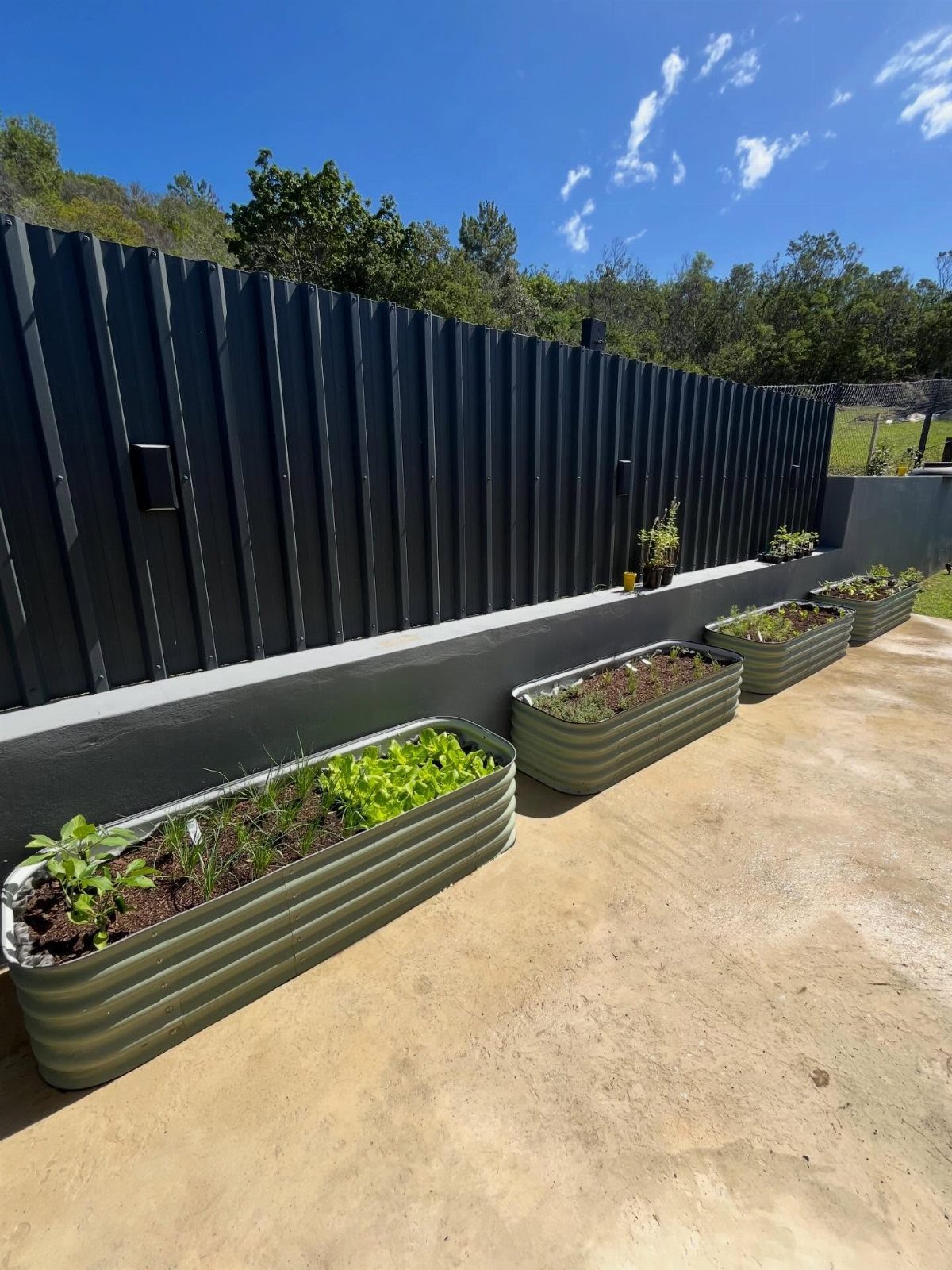
Corrugated galvanized tubs outlast any wood frame by decades; 20 years is conservative if you avoid denting them with a shovel.
Smaller tubs often ship with a solid bottom. Drill half-inch drainage holes along the bottom before you add soil, or roots drown in standing water.
Sizes run from washtub to livestock tank, so you can match the footprint to a balcony or fill a whole driveway edge. The zinc coating weathers to a soft gray that reads as neutral against paint or brick.

Dimensions: 21L x 21W x 11H in

GALVANIZED BEVERAGE TUB FOR PARTIES: This metal beverage tub and party drink bucket chills wine, beer, and sodas on ice — an ice tub and drink tub that anchors any backyard party or gathering. Please note: this tub has a drainage hole for planter use — use a liner for beverage/ice service.

🌱This oval-shaped galvanized tub is designed for versatile use—ideal for gardening, storage, beverage chilling, or rustic home décor. Its elongated shape offers more space & style for indoor & outdoor planter settings.
5. Tiered Vertical Garden Bed
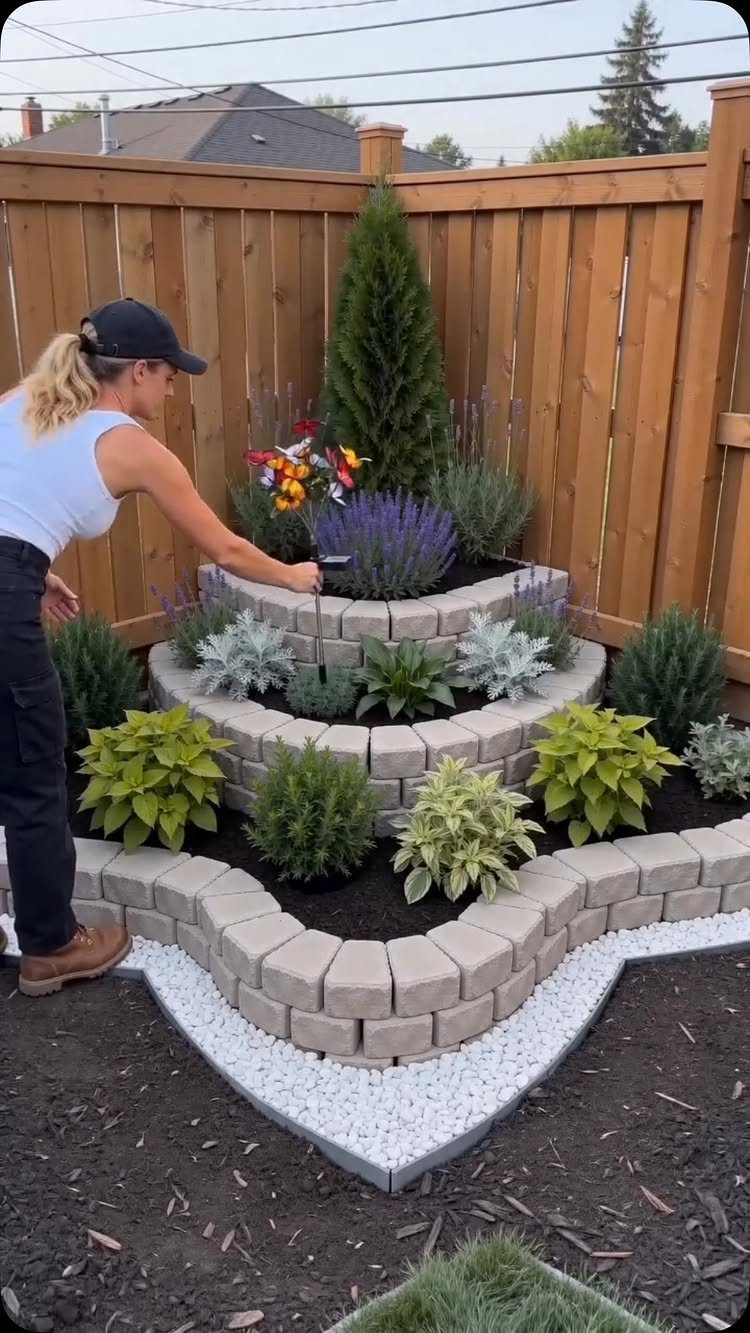
A corner stacked into levels turns a single footprint into as much planting area as a long ground bed, which matters when the only sunny spot is a wedge by the fence.
Stone facing fitted dry, without concrete, lets you adjust the tiers as plants grow in and show you what height actually works.
Water runs downhill, which means the top level dries fastest and the bottom stays damp.
Plant thyme or sedum up top where drainage is sharp, keep the thirstier crops below, and let gravity do the scheduling for you. In the smallest yards this is how you grow more than you kneel to.

Adjustable Height Trellis (17" to 50") – Perfect for Raised Beds & Tall Vines, grow Any Climbing Plant! DIY from Compact Seedlings to Towering Vines! Match your raised bed cucumber trellis needs: Start at 17" for young plants, then extend to 50" as they grow! Customize height—ideal for beans, peas, and tall outdoor climbing plants.

【Multi-Function】 Tall Tomato Cage-Each tomato cage can be adjusted from 16inches to 47 inches in height,suit for different growth stages of plants, offering versatile supports for a wide variety of tomato plants, ensuring they grow tall and strong.

【Advantages of cucumber trellises】Heavy Duty Rustproof Garden Trellis, No assembly required, Ready to use right out of the box
6. Soil Mixture for Raised Beds
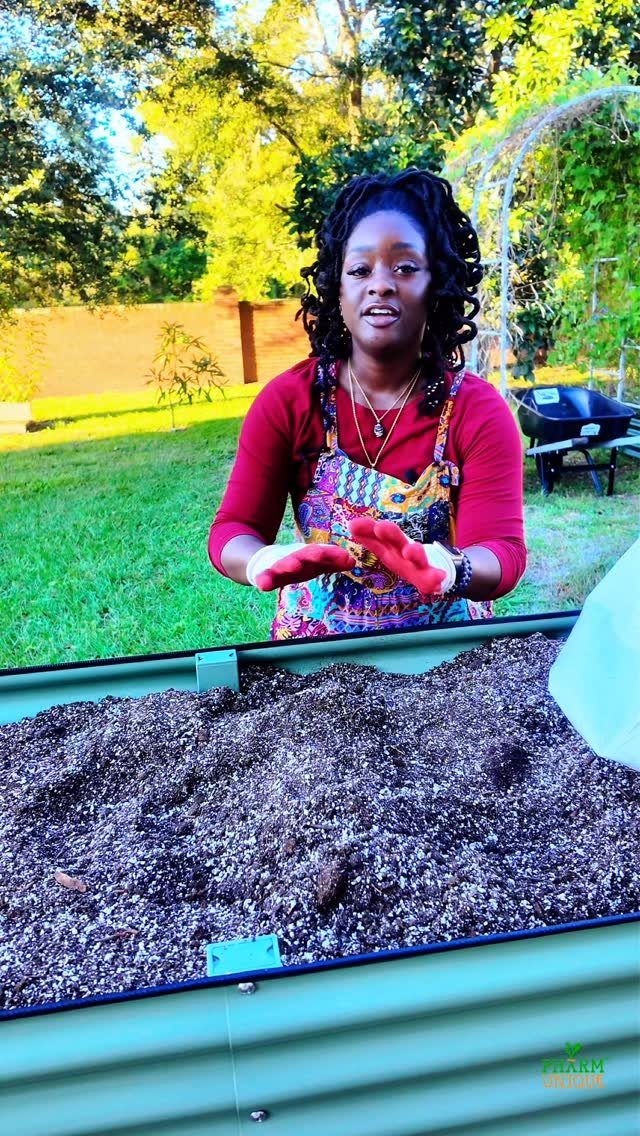
The soil mix matters more than the container.
Two parts topsoil to one part compost by volume is the ratio I have seen work for vegetables: enough structure for roots to anchor, enough organic matter to feed them through the season.
Perlite mixed in is optional insurance against compaction in wet climates.
Open bottoms let earthworms migrate up from the ground below, which is worth more than any bagged additive.
If burrowing pests are a problem where you garden, a layer of plain cardboard under the bed blocks them for a season before it rots through.
Taller metal walls dry faster and need watering more often than a low plank frame at ground level.

LARGE PLANTING SPACE: 8.4 cubic feet of space can support your choice of flowers, succulents, vegetables, and more

LARGE PLANTING SPACE: 8.4 cubic feet of space can support your choice of flowers, succulents, vegetables, and more

LARGE PLANTING SPACE: Designed with a long bed space (5CuFt) deep enough to provide your plants and vegetables with ample room to breathe and grow healthy
7. Covered Greenhouse Raised Bed
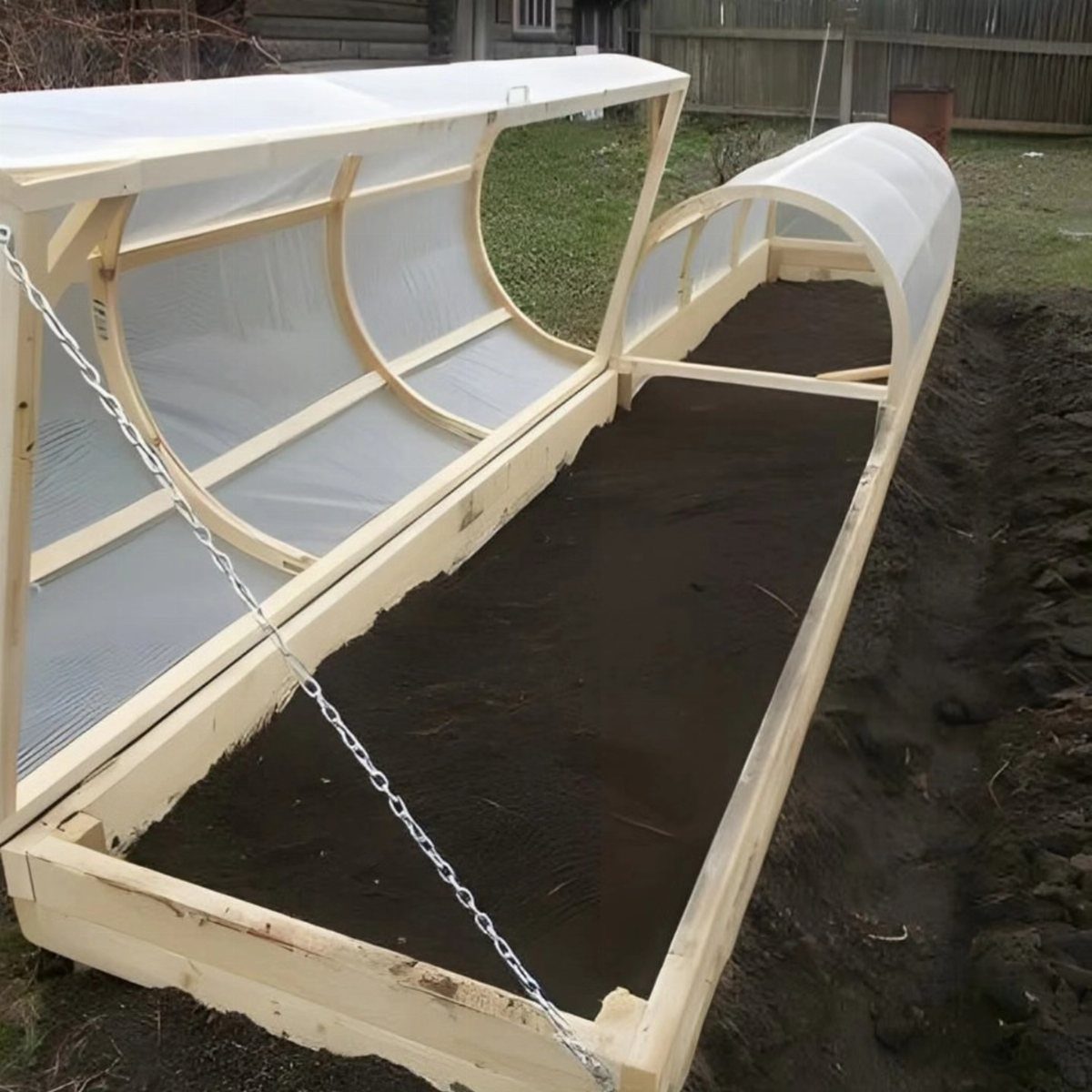
A hinged hoop cover turns an ordinary plank box into a season extender; the arched frame is covered with translucent plastic sheeting that pulls the soil temperature up faster than open ground in early spring.
The cover lifts on a chain for watering or harvesting, then drops back to keep frost off seedlings in March or lettuce going into November.
Leave gaps along the edges for ventilation on warm days, or the trapped heat cooks tender plants.
I would use this in zones with short springs and early falls, where the main growing season needs every extra week it can get.

Durable Cedar Construction – Made from natural cedar wood with thickened panels for enhanced stability and weather resistance. Designed to resist warping and decay, offering reliable performance through multiple seasons of outdoor use.

AMPLE PLANTING SPACE: Designed with a long bed space (2.65 CuFT) deep enough to provide your plants and vegetables with ample room to breathe and grow healthy; perfectly sized for kids and other fledgling gardeners!

Spacious Planting Area: Offering 44 cubic feet planting space and 15 inch depth for vegetables, flowers, and herbs. The raised garden bed is ideal for growing lettuce, tomatoes, or vibrant blooms in a wood planter box.
8. Simple Wood Plank Garden Bed
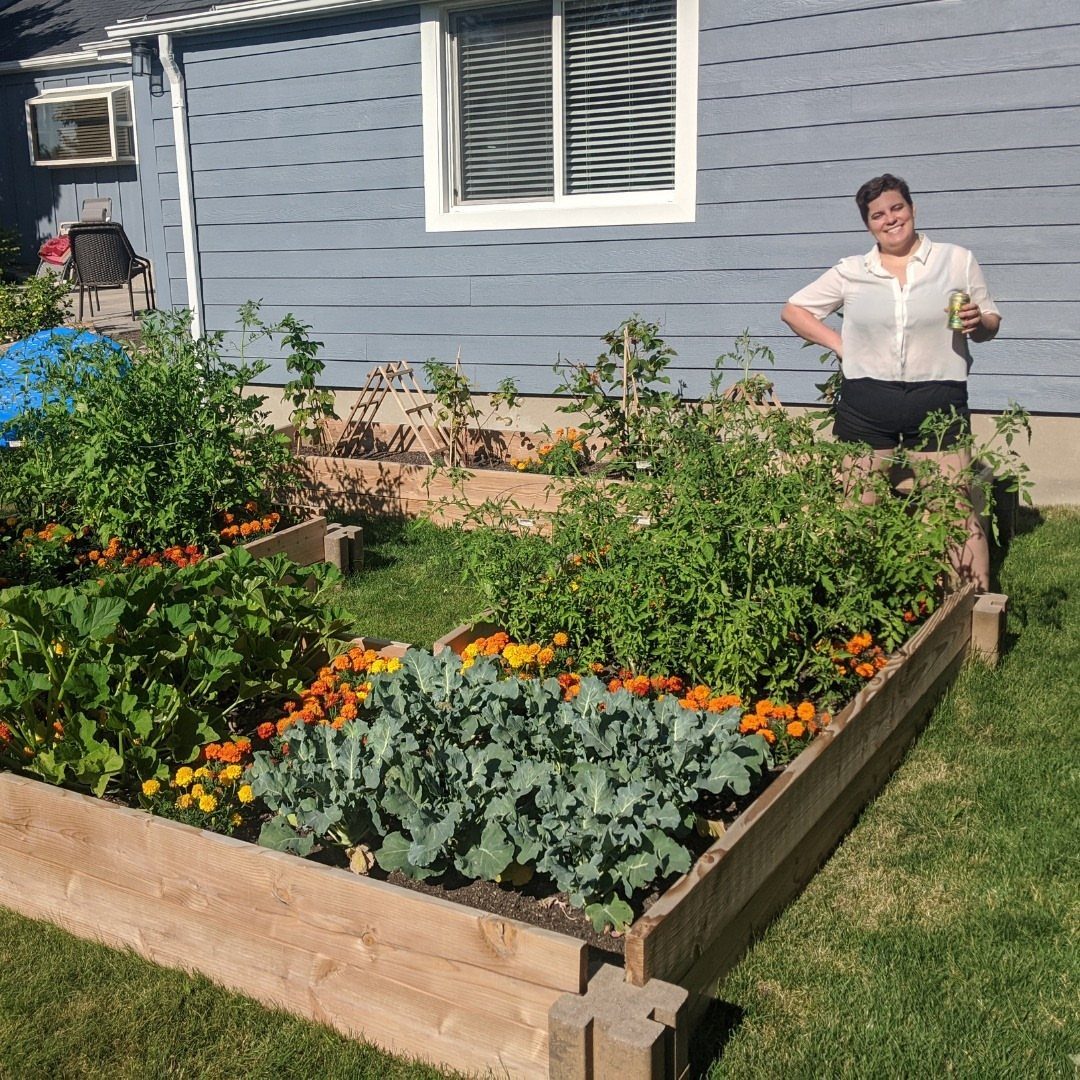
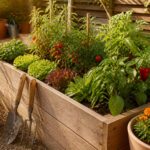
Plain 2×6 or 2×8 boards, stacked two high and screwed at the corners, are the raised bed most people picture first.
Check that the wood is chemical-free if you are growing food: barn wood and old fence pickets often carry treatments you do not want in tomato roots.
Cedar or redwood resists rot without paint; pine lasts 3-4 seasons and costs half as much. Level the ground first so the boards sit flat and the soil depth stays even.

Modular Design: Vego Garden raised bed kits feature an innovative modular design, which means you can assemble a kit into various configurations that fit any backyard or garden space in a 6-in-1 kit, you can build one of 6 possible configurations to fit your garden plans

Secure Wall Alignment: Brick Line Pins hold the alignment line tight on brick edges for straight horizontal and vertical block placement. They reduce crooked wall risk and help create cleaner masonry lines.

Sturdy Structure: Welded wire grid with 0.14-inch diameter joints prevents shifting under stone weight, maintaining neat flower borders.
9. Mobile Garden Bed on Wheels
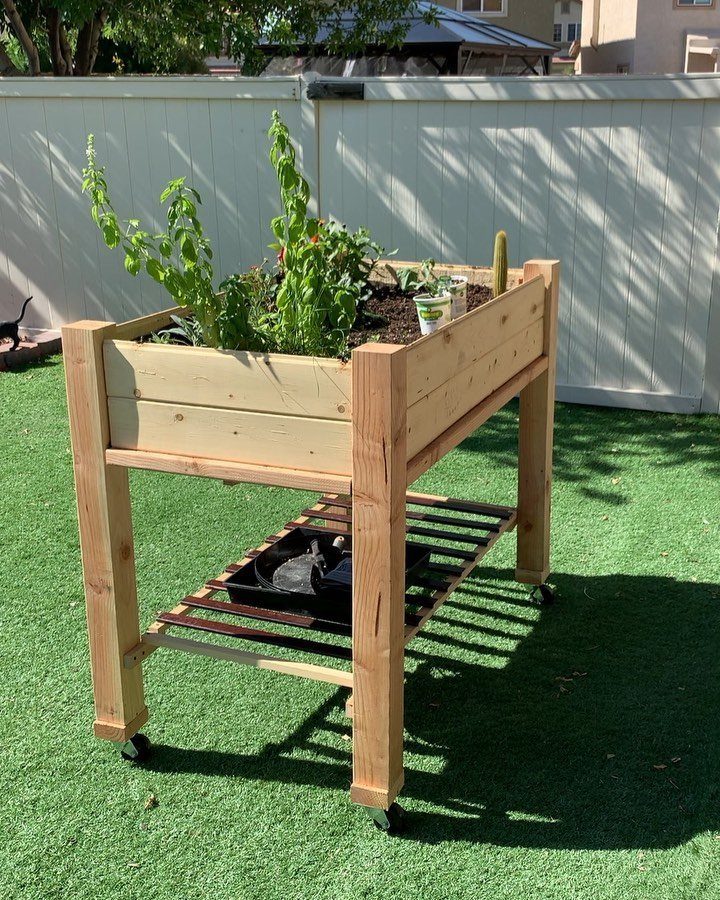
Caster wheels bolted to the legs of a raised planter let you roll the whole garden to catch sun, dodge hail, or move indoors when frost threatens.
The slatted shelf below the box is spaced tight for a reason. Soil in a planter this size weighs enough to bow anything flimsy, pots or not.
Use locking casters, the kind with a brake lever. Regular casters roll on any slope, and a loaded planter on a patio grade will find the slope.
The artificial turf underneath makes sense for drainage and keeps the wheels from sinking into lawn, though concrete or decking works the same way.
This is the option for renters, balcony gardeners, or anyone whose sunny spot moves with the season.
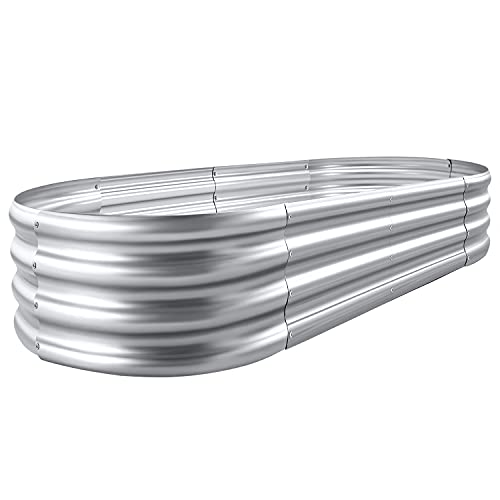
Each raised metal garden bed size: 4×2×1ft ,7.14Cu
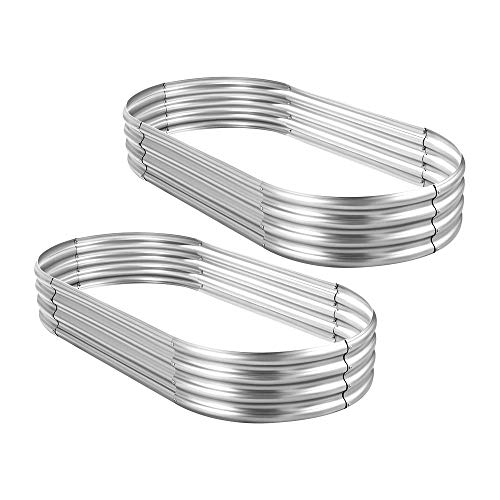
Each raised metal garden bed size: 4×2×1ft , 7Cu

Metal Material: our galvanized planter is made of galvanized zinc metal material, strong and sturdy, firm and solid, will not break or deform easily, can be applied for plants to decorate your windowsills, garden or balcony for enough long time; There is a leak hole at the bottom, cover the hole with small stones or breathable and water permeable materials, so that excess water can flow out, the roots of the plants can breathe, and normal breathing will make the plants grow better
Benefits of Raised Beds
Raised beds solve problems that ground-level planting cannot. You choose the soil instead of fighting what is already there, which matters when the native dirt is heavy clay, compacted from construction, or holding lead from old paint and fuel.
The height itself is the benefit most people notice first. Working at knee level or higher means sitting on a stool to weed instead of kneeling, and a morning of planting does not turn into an afternoon of back stiffness.
Drainage improves because the bed sits above the waterlogged layer. Water exits through the bottom instead of pooling around roots, though that same free drainage means you water more often than you would for ground beds.
Contaminants stay below the root zone if you line the bed properly. Weeds and burrowing pests are easier to block with hardware cloth or a layer of cardboard, since the defined edge gives you something to seal against.
The clean geometry also defines space in a small yard, turning lawn edge into a deliberate room.
Raised bed gardening is a simple technique that can improve the health and productivity of your garden.

【Package included】: This Trellis for Climbing Plants Outdoor comes complete with everything you need to get started: 17pcs metal stakes, 8pcs stainless wire connect pipe, 2 A-shaped connectors, and a 0.9x1.8meter Bird net.

A-Frame Design for Maximum Growth – The Suteck 39" 2 Pack A-Frame Cucumber Trellis allows double-sided planting for cucumbers, peas, beans, tomatoes, and other climbing plants. Promotes airflow and ensures full sunlight exposure for healthy growth and a bountiful harvest.

【Package included】:Crafted from robust hollow steel, this garden stakes features a fade-resistant green plastic coating, offering reliable protection against wind, rain, and rust. This Trellis for Climbing Plants Outdoor comes complete with everything you need to get started: 17pcs metal stakes, 8pcs T shape connect pipe, 2 A-shaped connectors, and a 0.9x1.8meter bird net.
Choosing Materials
Untreated cedar or fir lasts longer than pine and does not leach anything into vegetable roots.
Old barn wood and salvaged fence pickets carry a risk you cannot see. Arsenic-treated CCA lumber was common decades ago, and enough of that wood is still in circulation to make any reclaimed board worth questioning.
Pressure-treated lumber sold today uses copper compounds instead of arsenic. If you use it, the label should say ground contact, and a plastic liner between the soil and the wall reduces what touches the roots.
Railroad ties and any wood with a greenish tint from old treatment stay out of food gardens entirely.
Location and Sunlight
6 hours of direct sun is the threshold most vegetables need to fruit reliably. Leafy greens and herbs tolerate less, but tomatoes, peppers, and squash stall out in shade.
Watch the candidate spot through a full day before you build. Morning sun dries dew and reduces mildew problems; afternoon sun is hotter and pushes more growth into roots and fruit.
A fence or building that casts shadow at 4 PM in March will throw a shorter one in June when the sun is higher, so check the bed at different points in the season.
Level ground keeps soil depth uniform across the bed.
A box perched on a slope drains to the low corner and leaves the uphill roots dry. If the only sunny spot is sloped, the tiered vertical option handles the grade without the engineering a single plank box would need.
Watering and Maintenance
Raised beds dry from the bottom as well as the top. The taller the walls, the faster the moisture drops, which means a 20-inch box needs water more often than a 6-inch frame hugging the ground.
Water deeply so the root zone gets wet, then let the surface dry before the next round. Shallow daily spritzing keeps roots near the surface and stresses the plant when a hot day arrives.
Mulch buys you time between waterings.
A layer of straw, shredded leaves, or wood chips slows evaporation from the surface and keeps the top few inches of soil cooler. It also blocks the weed seeds that blow in from neighboring yards.
Check drainage holes in solid-bottom planters every spring; a clogged hole in a galvanized tub drowns roots faster than you notice.
Frequently Asked Questions
What is the cheapest way to make a raised garden?
Pallets stamped HT for heat treatment cost nothing if you can find them, and wall blocks with dropped-in 2×6 boards run under $75.
Old bathtubs, bricks you already own, or salvaged pavers work too. The only rule is checking pallet stamps: skip anything marked MB for methyl bromide, which is fine for flowers but not for anything you will eat.
What is the easiest vegetable to grow in a raised garden?
Radishes and kale are the most forgiving starter crops.
They germinate fast, tolerate the loose soil mix that raised beds use, and do not demand the deep, even moisture that fussier vegetables need. Lettuce, arugula, and chives are close behind if you want backup choices.
What vegetables should not be grown in a raised bed?
Avoid deep-rooted vegetables like full-length carrots in beds under 10 inches deep; the restricted soil column forks or stunts the root.
Tall or heavy plants such as full-size pumpkins or indeterminate tomatoes also need staking systems that standard 48-inch boxes cannot anchor securely.