These 22 backyard gardening ideas run from a single afternoon with a shovel to multi-season builds that ask for years of patience.
What decides which one belongs to you is whether you own the dirt or rent the patio, whether your weekends free up in half-days or whole ones, and whether your budget tops out at free broken concrete or stretches to cedar lumber and submersible pumps.
[link-whisper-related-posts]1. Comfortable Outdoor Seating
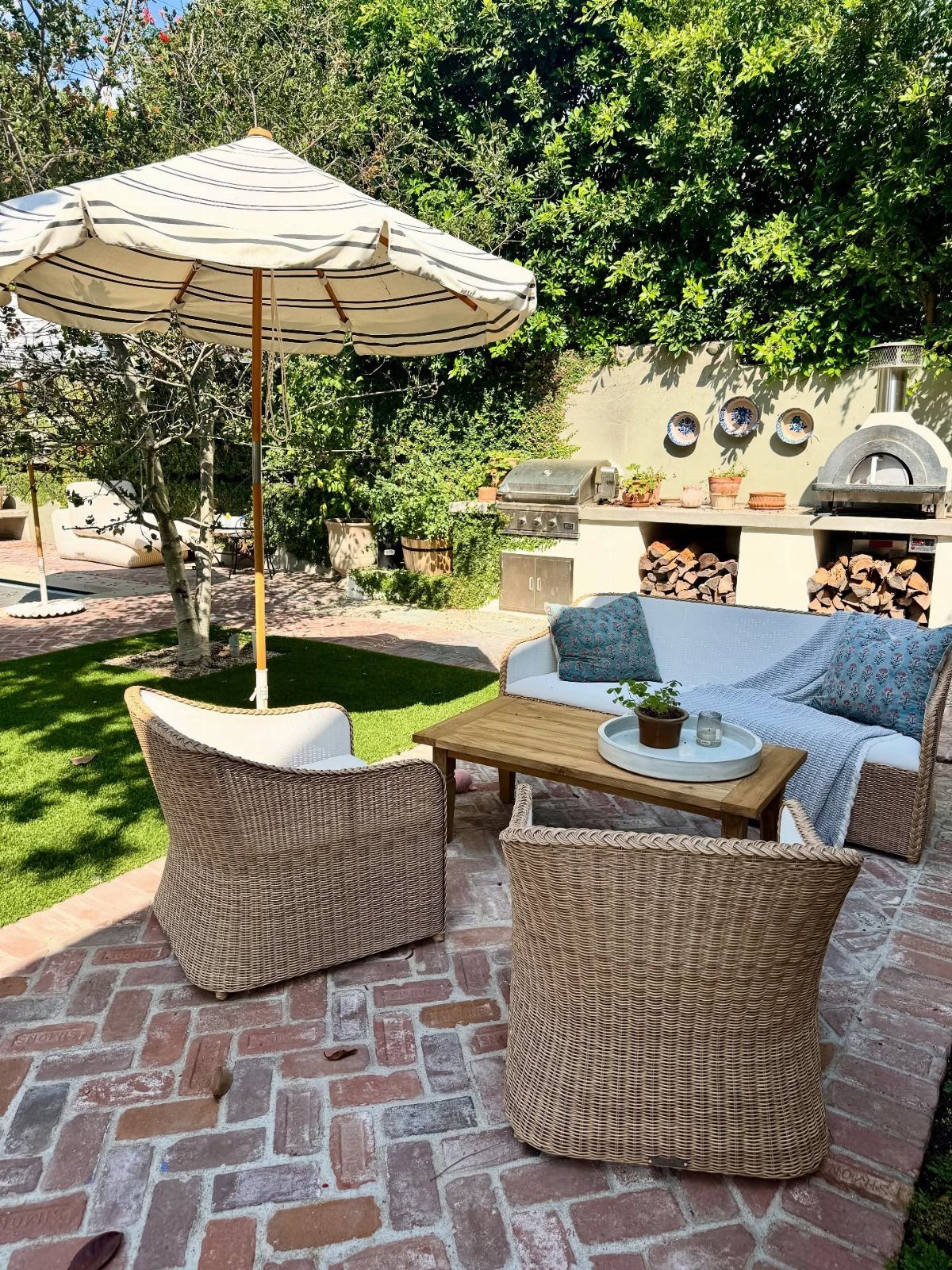
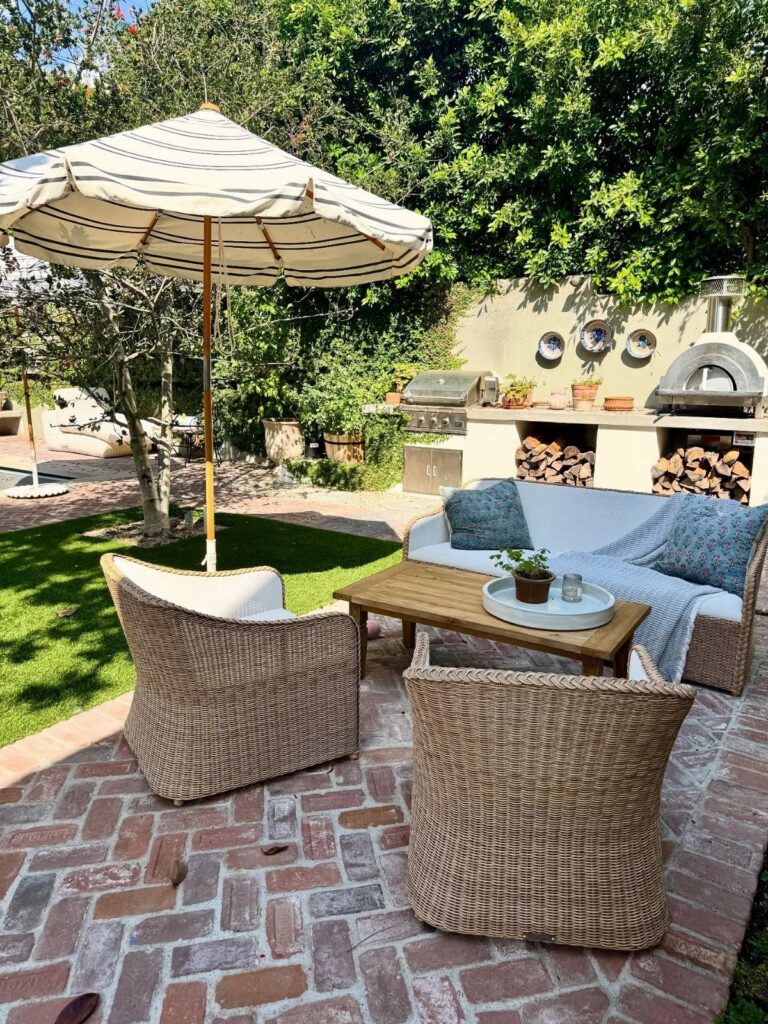
Woven wicker with thick cushions beats metal or plastic hands down for patio seating you actually want to sit in.
I learned the hard way that bare outdoor chairs turn a backyard into a space I walk through instead of stopping in.
A wooden coffee table stands up to weather without the wobble that kills cheap plastic after a single season.
Weather-resistant cushions with removable covers save the piece when pollen season hits, and a throw blanket on the back of a sofa turns cool September evenings into usable hours outside.
If space is tight, a corner bench against the house line frees up center room for a table.
Storage under the seat holds cushions during rain, which matters when you lack a garage. Secondhand wooden tables refinish easily; mismatched chairs pull together with shared paint or matching pads.

Perfect Fit for Most Chairs: This package includes 4 pieces D-shaped chair cushions, each measuring 17 x 16 inches with a 2-inch thickness. Designed for a snug and comfortable fit, they are ideal for various seating options such as garden chairs, front porch seats, barrel chairs, wicker furniture, and bistro sets. To ensure the best fit, please measure your furniture before purchasing.

[3 Piece Wicker Cushion Set ] Aegisun’s 3 piece wicker cushion set includes 1 loveseat cushion (44" x 19") and 2 U-shape cushions (19" x 19" x 5"). Designed as outdoor cushions for wicker furniture, it fits most rattan chairs, patio benches, and outdoor settees. Please measure your chair before purchasing for best fit.

Superior Comfort and Support: Our wicker furniture cushions are filled with blended shredded memory foam and polyester fiber, providing strong body-adaptive support that retains its shape and comfort season after season.
2. Cozy Fire Pit Area
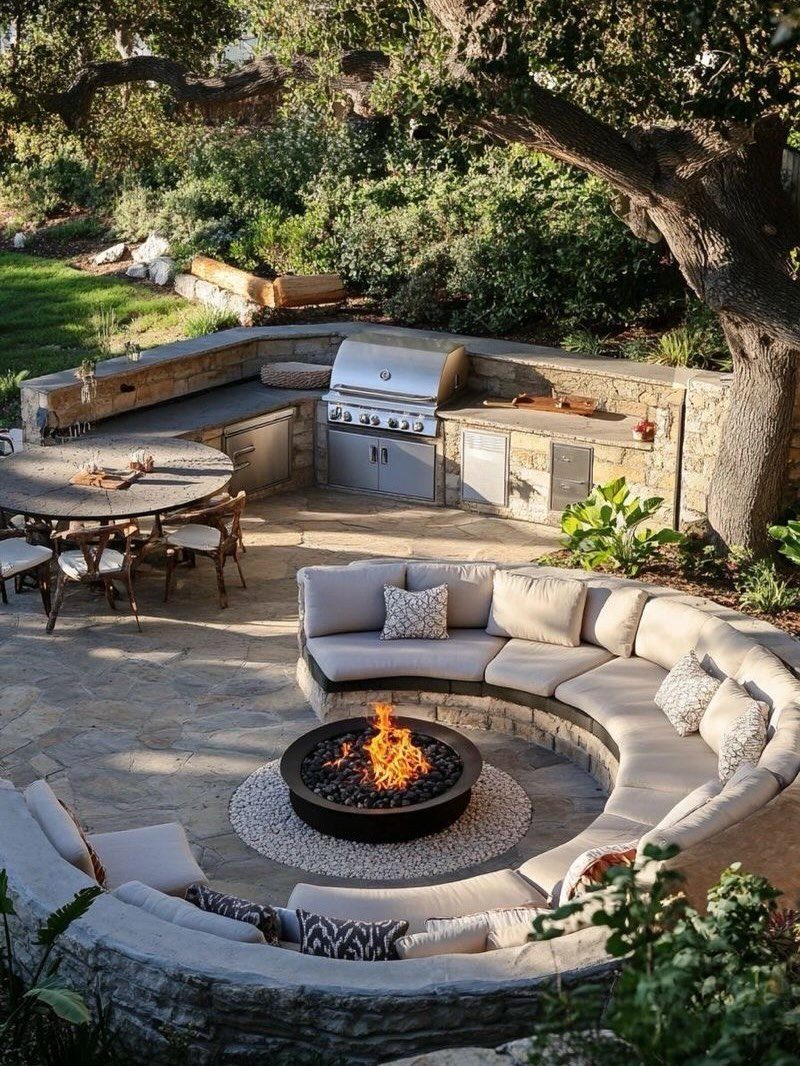
A sunken fire pit draws people in differently than one that sits on top of the patio. The circle shape matters: guests face each other instead of craning past shoulders, and heat rises to chest height instead of dissipating upward.
Dig a shallow circle 10 feet from any fence, tree, or structure.
Line it with stone pavers or stacked cinder blocks for the wall; broken pavers from a neighbor’s redo work fine and cost nothing. Check city rules first, since some towns ban open burning or require permits.
Built-in stone seating with cushions around the rim costs more than log rounds or stumps, but it keeps the gathering contained and dry.
I would spend the extra on the seat pads and save on the pit itself. Clear ash after each use, and the setup needs no other upkeep.

Premium Pit-Proven Performance: We source our genuine volcanic rocks from the Far East, so they'll bring a touch of exotic authenticity to your fire pit; And our fire pit rocks are made with extreme heat resistance

SMOOTH TUMBLED FINISH, NOT JAGGED LAVA ROCK — Unlike traditional porous lava rock, these stones are hand-tumbled to create a smooth, rounded shape with no sharp edges. The result is a clean, modern look that complements contemporary gas fire pits, fire bowls, and gas log sets beautifully.

Multifunctional: improve flame performance by spreading the gas dispersion in all directions | base layer underneath fire glass or mixing with glass together| great in soil to retain moisture for plants | decorative landscape lava rock for garden, patio, ponds | covering the entire floor of a fire feature, effectively hiding the unseemly pipes and tubes.
3. Raised Garden Beds
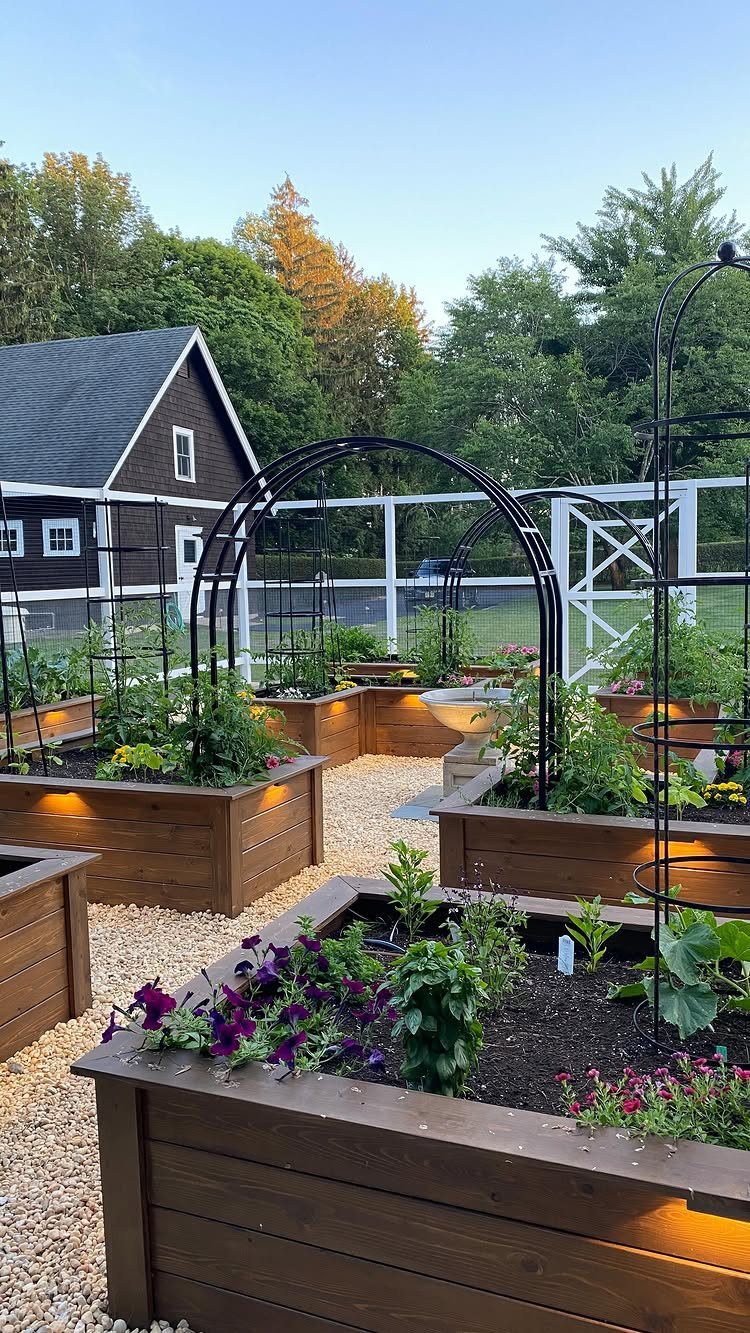
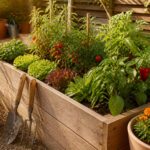
Raised beds lift the soil to the gardener, which sounds small until your back argues after a spring afternoon of bending. Wooden frames filled with mixed vegetables and flowers organize a backyard into rooms you can walk between.
Gravel paths between the beds keep mud off shoes and let you work after rain without sinking. Solar rope lights tucked under the frame lip do the same job for a fraction and install with a staple gun.
I build boxes from cedar or locust since both last untreated. Scrap wood works if you line the inside with plastic sheeting to block soil moisture from rotting the boards.
A railing planter on a deck or the short side of a bed near the kitchen door puts herbs at arm’s reach for cooking.

Elevate Your Garden - Opt for a brilliantly engineered raised garden bed to revolutionize your gardening. Its spacious design, measuring 48x24x30 inches, allows for the cultivation of multiple vegetable varieties alongside a plethora of herbs, optimizing your gardening space for ease and diversity.
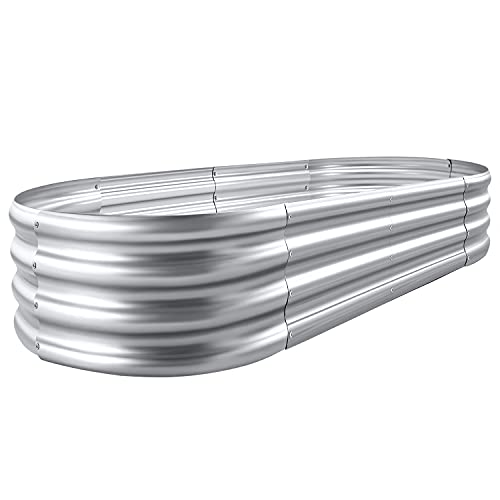
Each raised metal garden bed size: 4×2×1ft ,7.14Cu

DEEP PLANTER FOR MAXIMUM YIELD: With 16" of soil depth and a spacious planting area, this elevated bed supports healthy root vegetables like carrots, beets, and radishes while allowing more crops per bed, boosting overall harvest and garden productivity
4. Backyard Hammock Corner
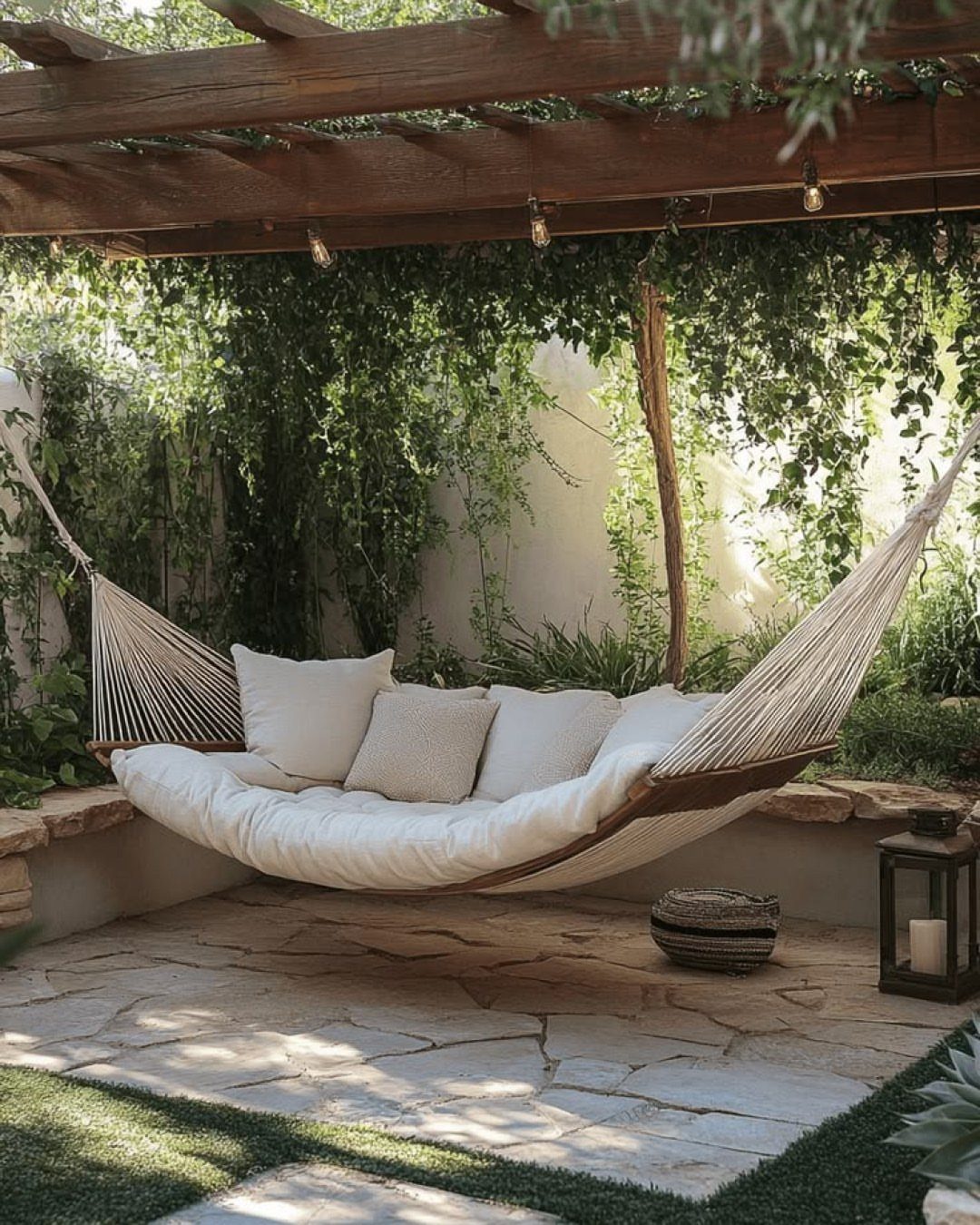
A hammock under a pergola fixes the tree problem: two perfectly spaced trunks are a backyard luxury most of us do not have.
A wooden stand works, though I prefer straps to eye bolts when the frame permits, since hardware loosens and creaks.
Trees a foot thick at the tie point will hold a person safely. Tree straps spread the load so rope does not cut bark and invite disease.
No suitable trunks? A metal or wooden stand picked up used lets you chase shade across the afternoon.
A side table matters more than the sales pitch suggests.
A stump, a crate, or a shelf bracketed to the pergola post keeps the phone, the drink, and the book within arm’s reach. Secondhand hammocks appear in yard sales every May; inspect the fabric for sun rot before buying.

𝐅𝐥𝐞𝐱𝐢𝐛𝐥𝐞 & 𝐄𝐚𝐬𝐲 𝐭𝐨 𝐈𝐧𝐬𝐭𝐚𝐥𝐥: Each panel measures 40" (L) × 5" (H), including 3" underground stakes for strong anchoring, leaving 2" visible above ground for a clean, low-profile border. The hammer-in design makes installation fast and effortless—perfect for creating neat, professional-looking edges without digging.

Durable Steel Landscape Edging – Made of heavy-duty galvanized steel with rustproof black finish, this metal landscape edging is built to last through rain, snow, and sun while keeping your garden borders strong and stylish.

Quality Metal Material: Our galvanized garden edge is processed using high-precision CNC technology, ensuring accuracy down to every millimeter. Innovative 3D ripple design not only enhances the aesthetic appeal of the fence but also strengthens its structural integrity.
5. Tall Shrub Privacy Hedge
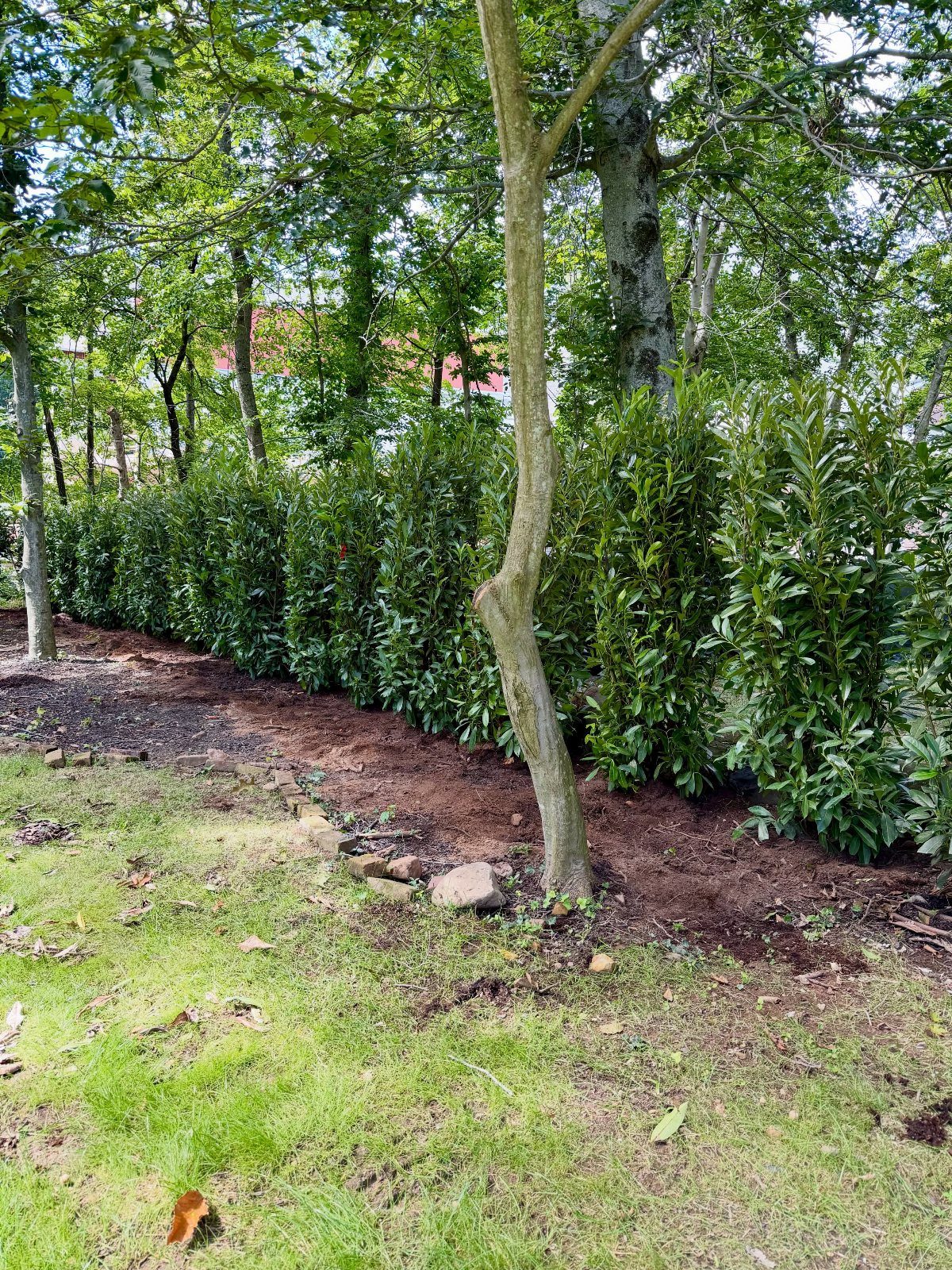
Green walls beat brown ones in summer, and a hedge of tall shrubs blocks sightlines without the permit fights that tall fences can trigger.
The full privacy effect stays a few seasons off with newly planted stock; impatient planters should buy larger or interplant with fast fillers.
Privet grows fast and thick but needs shearing twice a year. Evergreens like arborvitae stay green year-round and ask less of your weekends.
For sound as well as sight blocking, mix heights: a lower front layer at knee height, the tall wall behind it. The varied line reads as forest edge rather than property divider.
Soil preparation matters more with shrubs than with annuals.
Dig the trench twice the root ball width and mix in compost, since these plants stay put for decades. Water weekly until shrubs are established; after that, normal dry spells are survivable on their own.

STYLISH NATURAL WOOD: This FSC certified wood screen is made with real wood meaning no two boards have the same grain color, finish, or wood knots differing it from vinyl outdoor privacy fence screen panels.

STYLISH NATURAL WOOD: This FSC certified wood screen is made with real wood meaning no two boards have the same grain color, finish, or wood knots differing it from vinyl outdoor privacy fence screen panels.

1 SCREEN PURCHASE: You will receive preassembled materials to construct 1 cedar wood outdoor privacy screen in a charcoal finish with your purchase
6. Container Garden Cluster on Patios
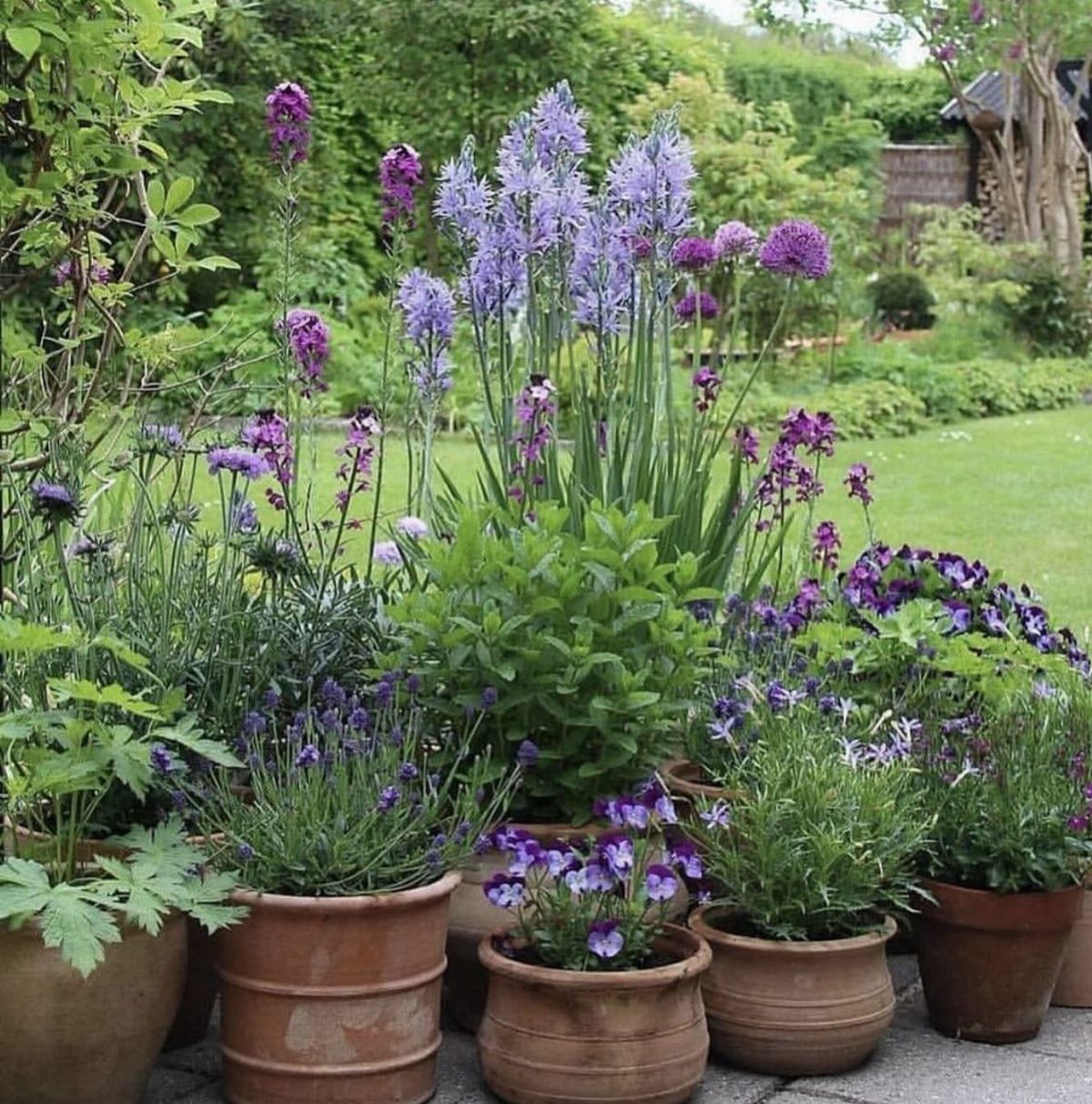
Terracotta clusters on a stone patio bring color where no soil exists, which matters when your backyard is paved and your lease forbids digging.
The varied pot sizes create height without staging platforms or risers; a tall lavender at the back, a rounded coleus in the middle, something trailing over the front edge of each pot.
Single large containers read cleaner than a dozen small pots competing for attention.
Choose plants that outlast the season, or design around one permanent central plant and swap understory color twice a year. Mismatched thrift store pots group fine once clustered; individual flaws disappear in the arrangement.
Pots dry fast in August sun. I check containers twice weekly, not the once that in-ground beds manage.
Drainage holes in the bottom prevent root rot; if a pot lacks them, a masonry bit solves that fast. Water until it runs through, since surface wetting leaves roots thirsty below.
When planning your patio garden get the balance of planting and landscaping right to make your small garden look beautiful. Garden designs for small gardens should aim for a ratio of around 50 per cent planting and furniture to 50 per cent paving or decking.

【Water Repellent】: Our thick outdoor chair cushions are made of water-repellent polyester fabric, strong and durable; the patio chair cushions have no fading risk after exposed to the sun for long time; also these patio cushions resist daily wear or tear

Perfect Fit & Dimensions: This set includes 2 outdoor chair cushions, each measuring 19 x 19 x 5 inches. Designed to fit most standard patio chairs, dining chairs, and wicker seating. Dimensions refer to the cushion only. Please measure your furniture's seating area before purchasing to ensure a proper fit
7. Edible Garden
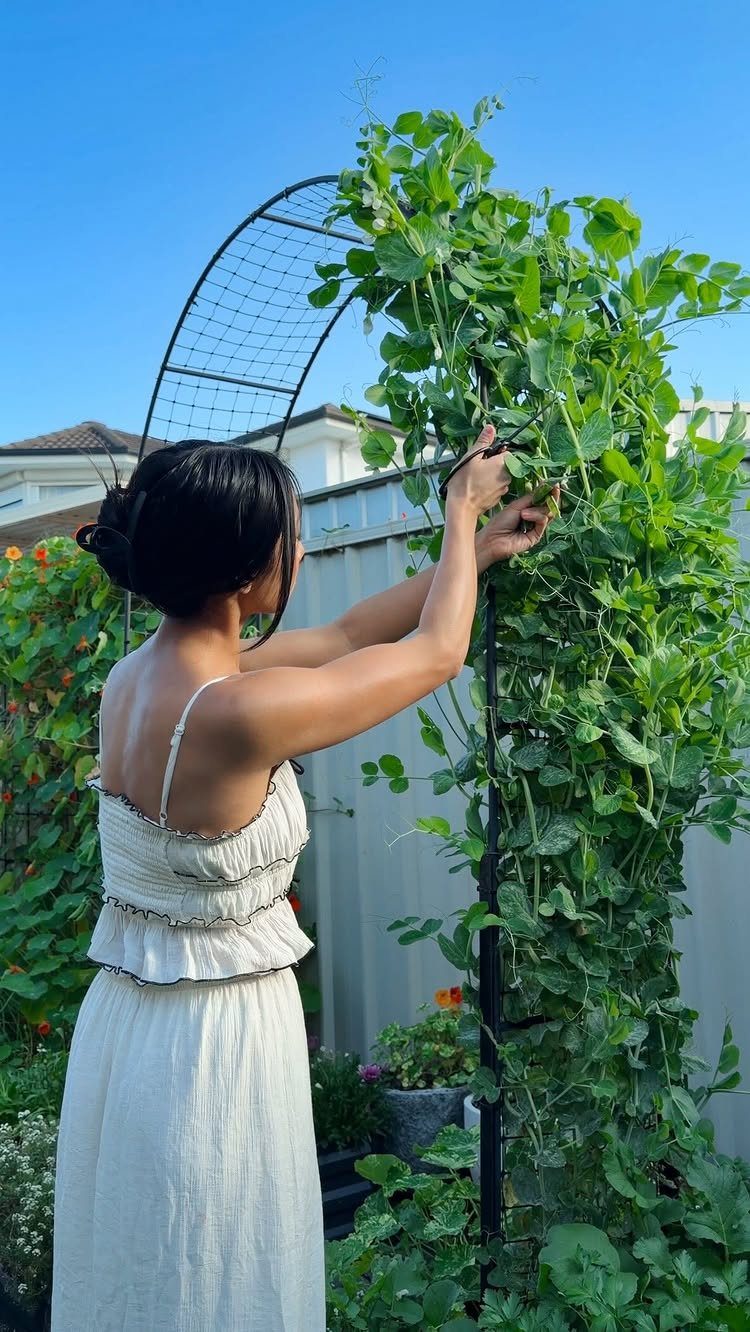
A metal arch loaded with climbing peas turns a backyard walk into a harvest.
Pole beans and snap peas both twine naturally; peas finish earlier and handle cool soil, so I start them in March and swap in beans by June if the season allows.
Dwarf fruit trees espaliered the same way give structure without shading the whole yard. Herbs at the base, thyme or sage, fill the ground layer and handle the drier soil under the vine canopy.
Raised beds nearby keep vegetables clean and separate from root competition. Over half the homeowners adding edibles now pick some mix of fruit, herbs, or beds; the climbing form just does it upright in tight space.
8. Vertical Gardens
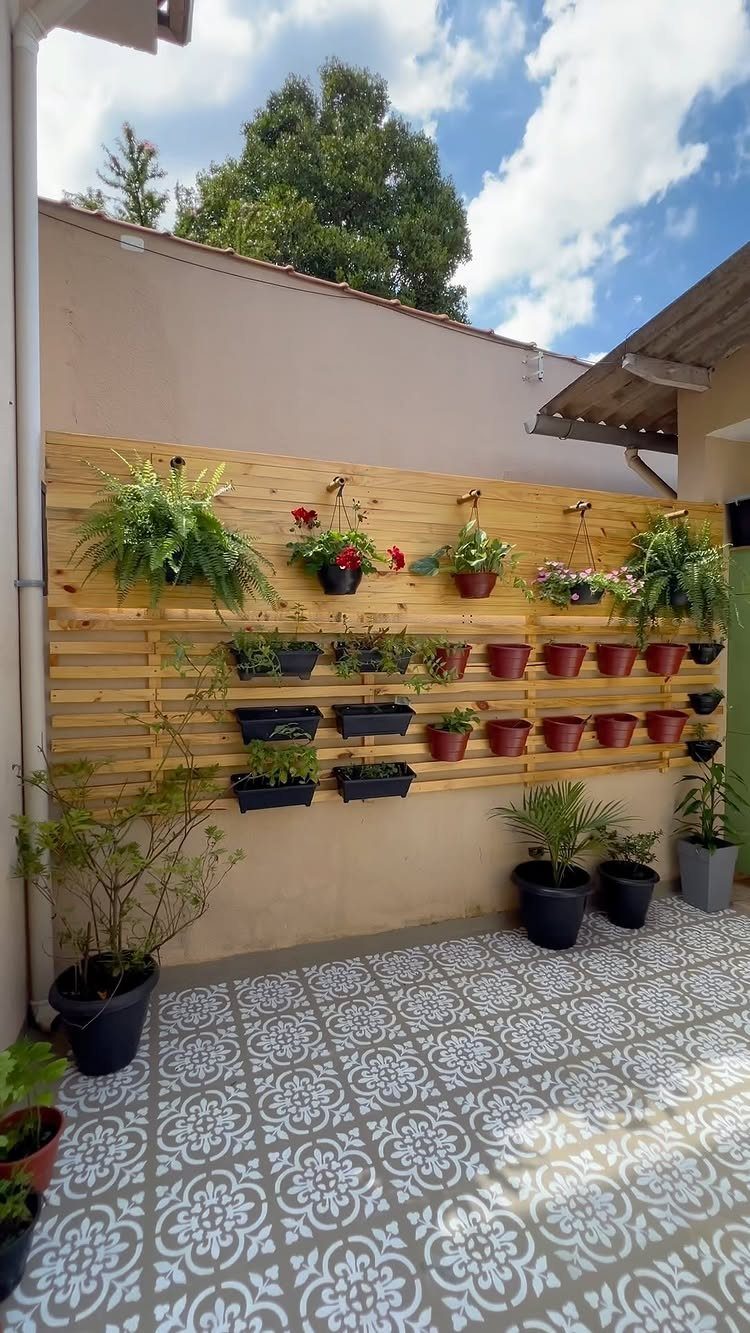
Wall-mounted slatted panels lift plants off the floor, which matters when a patio is your whole backyard. The wood gaps give drainage and air; the pots hang on simple hooks that let you rearrange fast when a plant fails.
A slat wall on the house side or fence line faces the question of sun.
South-facing walls bake in afternoon heat, so I pick succulents or trailing pothos there. East walls suit ferns and begonias with gentler morning light.
Pocket organizers from hardware stores work the same way for less, though they look rougher. The real limit is water: vertical pots dry faster than ground soil, so I check twice weekly in summer.

DIMENSIONS: 48 in. W x 48 in. D x 29. 12.6 in. H

🪵 Solid American Cedar: Crafted from untreated 100% solid American cedar boards, it is ideal for growing vegetables, herbs, and flowers.

LARGE PLANTING SPACE: 8.4 cubic feet of space can support your choice of flowers, succulents, vegetables, and more
9. Pathway with Stepping Stones
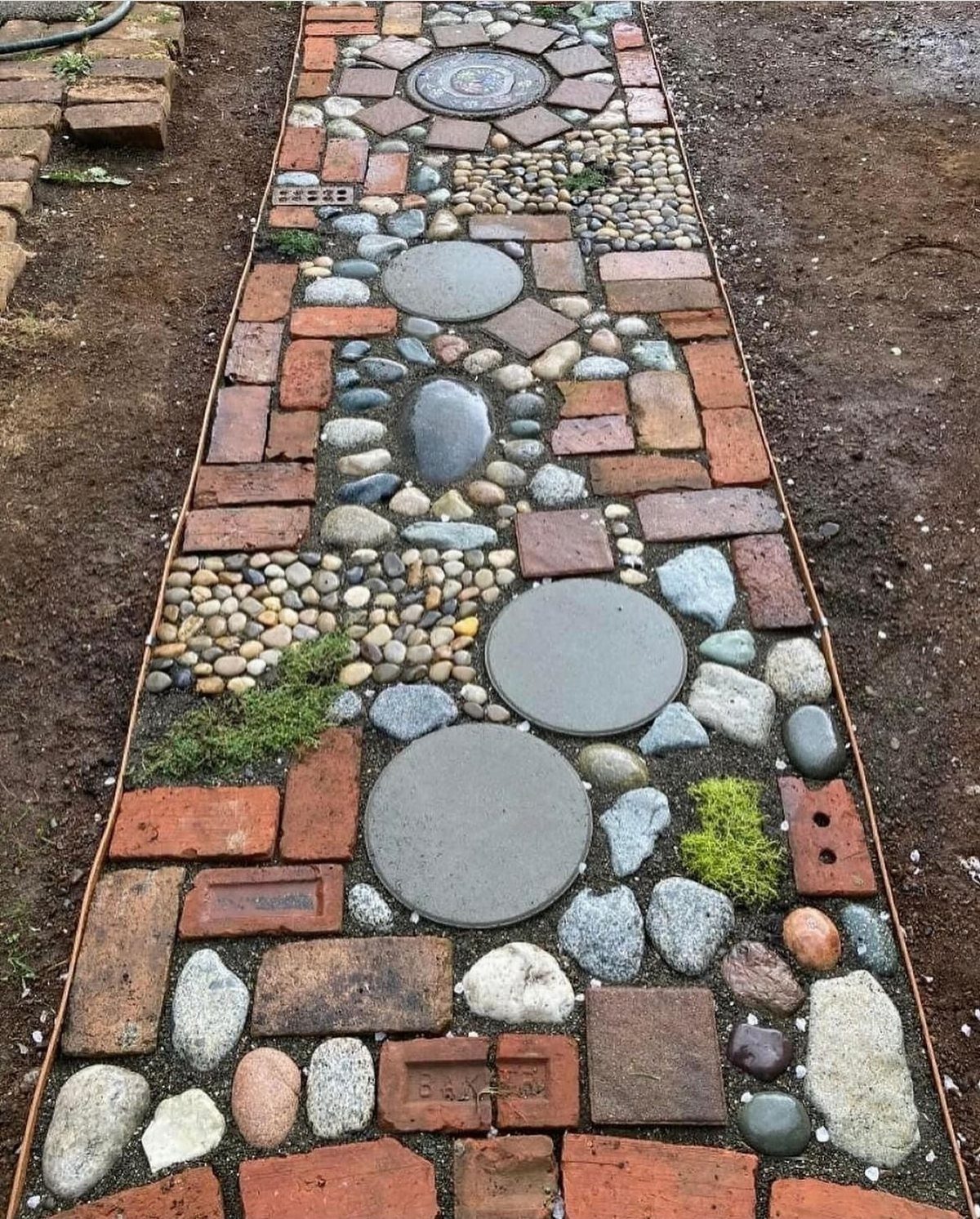
Stepping stones set in lawn need spacing you can mow across without dismounting the tractor.
A comfortable stride center to center is what decides whether a stone path feels natural; anything tighter looks fussy, anything wider lets grass grow ragged between.
Curving the line away from straight tricks the eye into seeing more yard than exists. Rectangular pavers laid horizontal across the path width, if you choose that shape, push the view sideways the same way.
Broken concrete from driveway teardowns runs free on classifieds; I check edges for sharp rebar first. A brick pressed into the mix, date or name stamped, gives a personal mark that costs nothing extra.
10. Arched Living Garden Tunnel
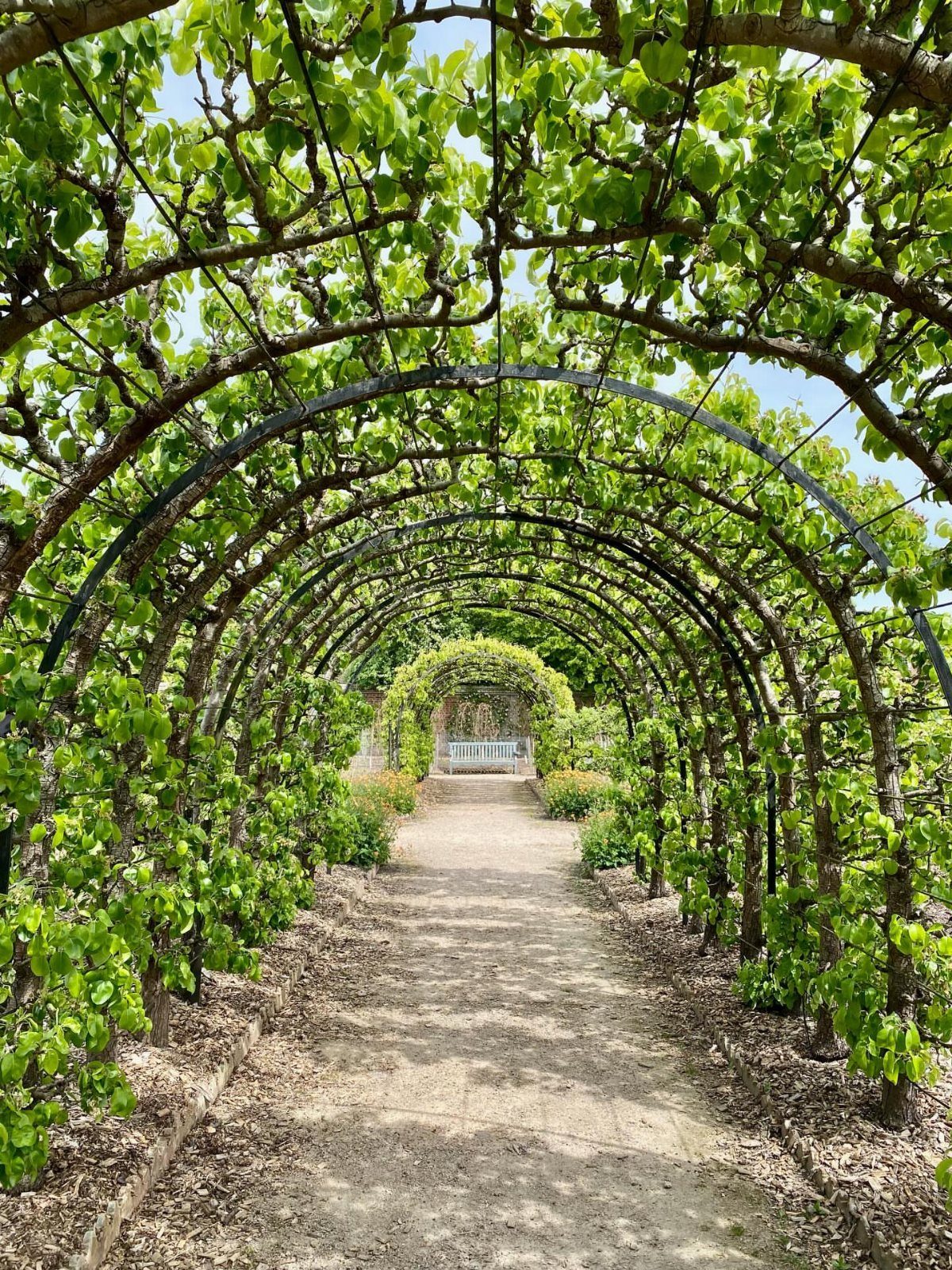
Trained fruit trees over metal arches make a tunnel you walk through and eat from. The form needs discipline: new growth tied monthly through summer, older wood pruned to keep the frame clear enough to walk under.
Apple and pear both accept this shaping; stone fruit like peach grows too fast and breaks under the weight of its own hurry. A gravel or dirt floor underfoot stays cleaner than mulch, which tracks everywhere.
The investment is time, not money.
Bare-root whips cost little; the arches run standard at farm supply stores. It takes longer than you might hope before the shade is solid enough to actually sit beneath, so interplant annual vines the first summers for quicker cover.
11. Curved Gravel Garden Walkway
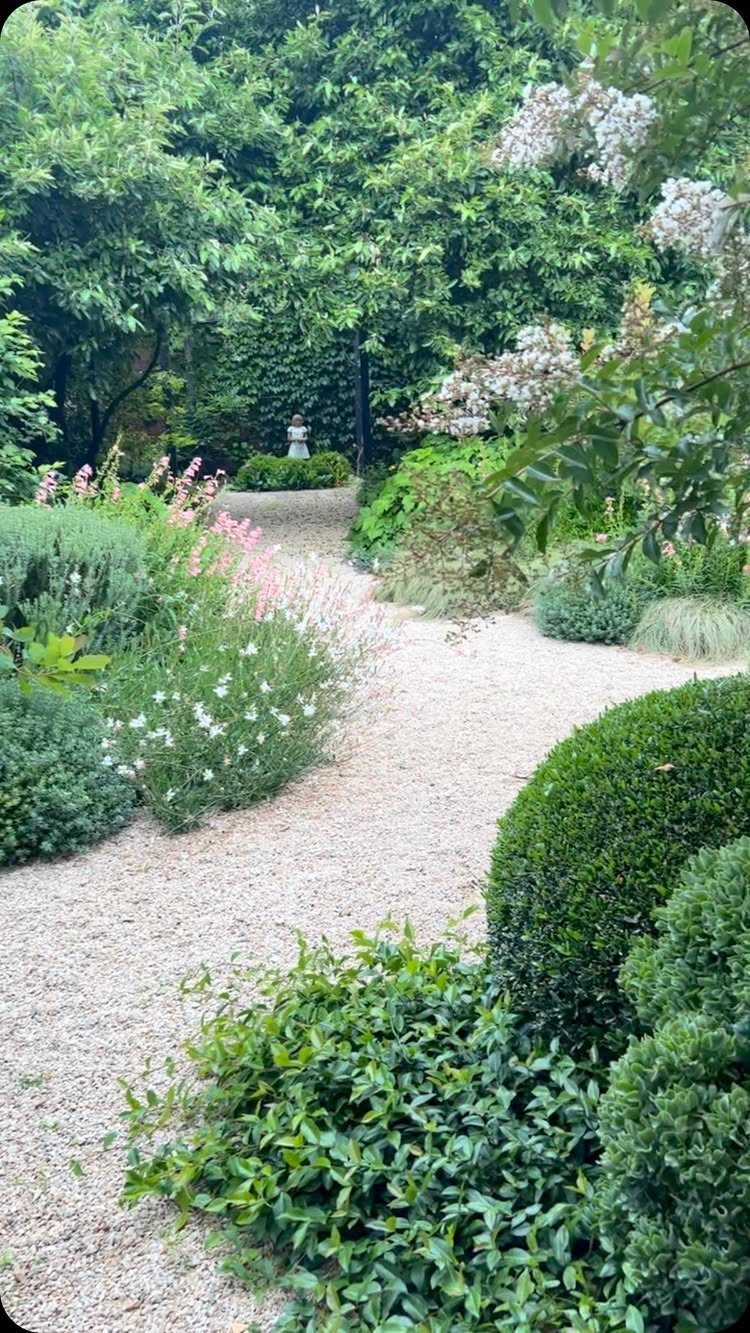
Light gravel winding through dense planting reads as a dry creek bed even when water never runs there. The curve slows the walk and hides what comes next, which makes a small yard feel borrowed from somewhere larger.
Edging keeps the gravel from migrating into beds. I use steel strip hammered flush with the soil; it disappears visually and lasts longer than plastic that buckles in heat.
Gravel from a landscape yard skips the garden-center markup if you have a truck or trailer and somewhere to dump the extra.
Weeding happens early.
Establish the path, then lay the gravel thick enough to block light; anything that punches through pulls easy when roots are small. A statue or single focal stone at the turn gives the eye a landing place.
12. Upcycled Painted Tire Planters
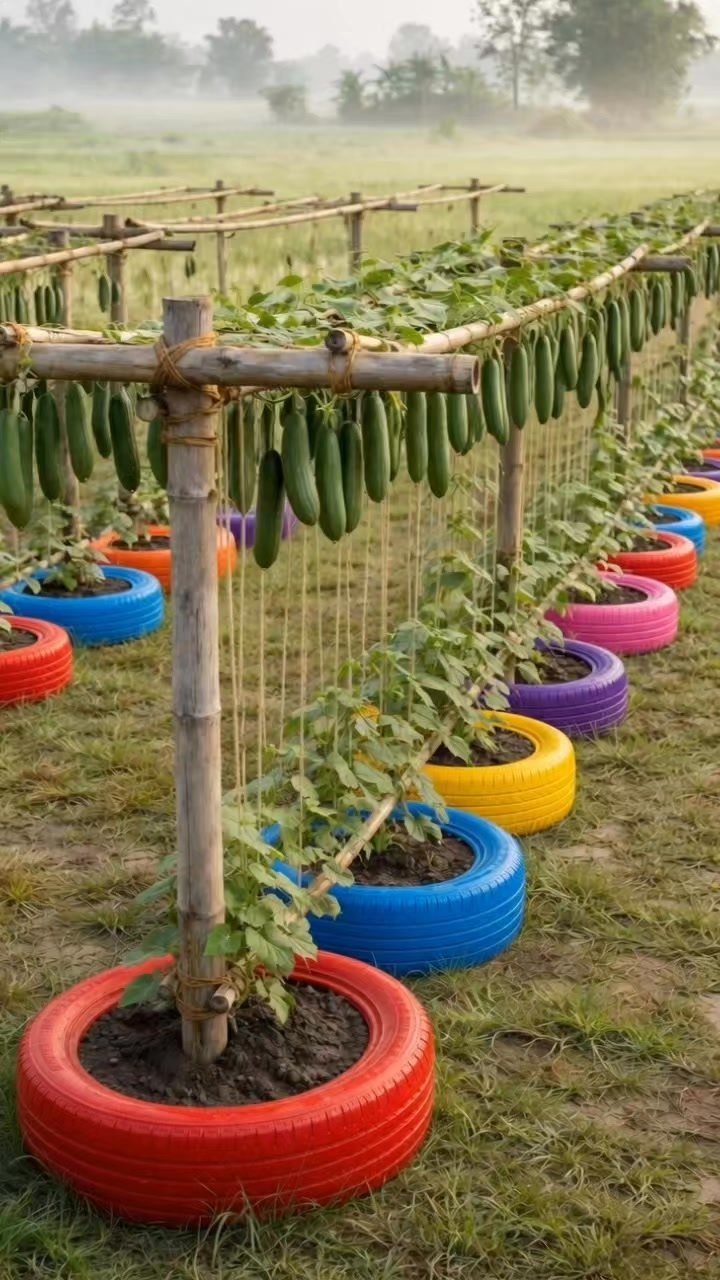
Painted tires in rows turn landfill into a cucumber trellis system you could read from orbit. Bright colors are a personal choice; I would pick one or two and repeat them for cohesion.
Drainage matters.
Tires hold water in the rim cavity unless you drill through the sidewall base; a half-inch bit fixes that in moments. The paint itself needs to be exterior-grade, since rubber flexes and interior latex cracks within a season.
Bamboo canes threaded tire-to-tire give the climbing vines something to grip.
These last a season or two before rotting; metal fencing panels last longer but cost more and heat in sun. Check that no tire was run flat to the wire; exposed steel belts cut hands and fabric both.
13. Playful Novelty Planters
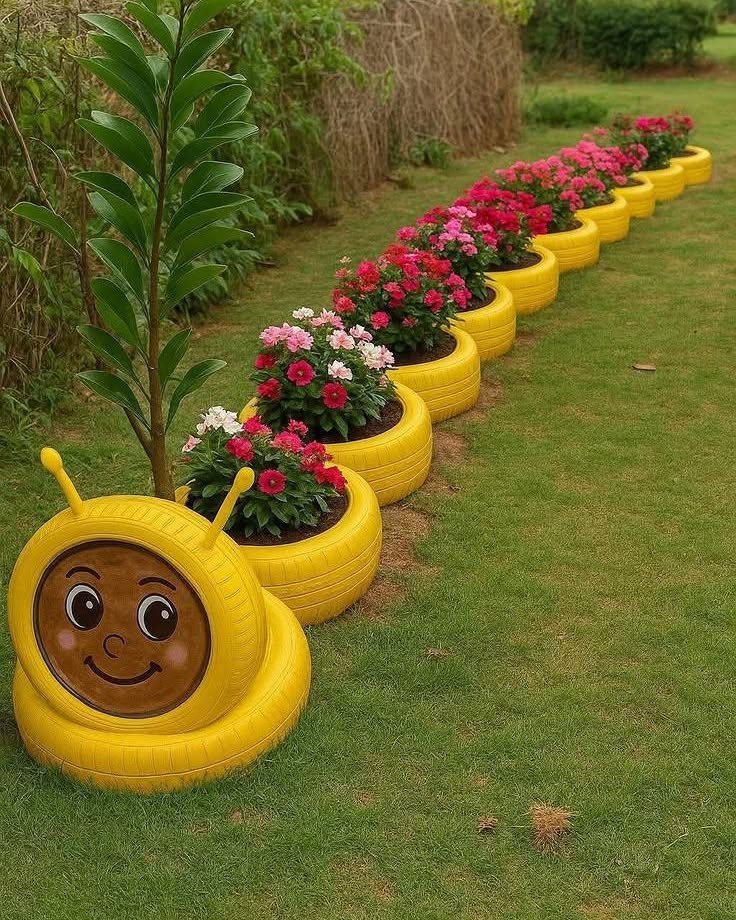
A tractor tire painted yellow and stacked nose-to-tail with its kin makes a planter line that children remember.
Drainage holes through the sidewall base matter more than the face you paint on the lead tire; water rots roots fast in a rubber cavity.
One color repeated reads bolder than a rainbow.
I would pick two at most and alternate them down the row. Exterior-grade paint flexes without cracking as the rubber swells in summer heat.
Old tires stacked two high make planters with built-in climbing frames; the rubber holds heat that tomatoes and beans both like.
14. Butterfly and Pollinator Garden
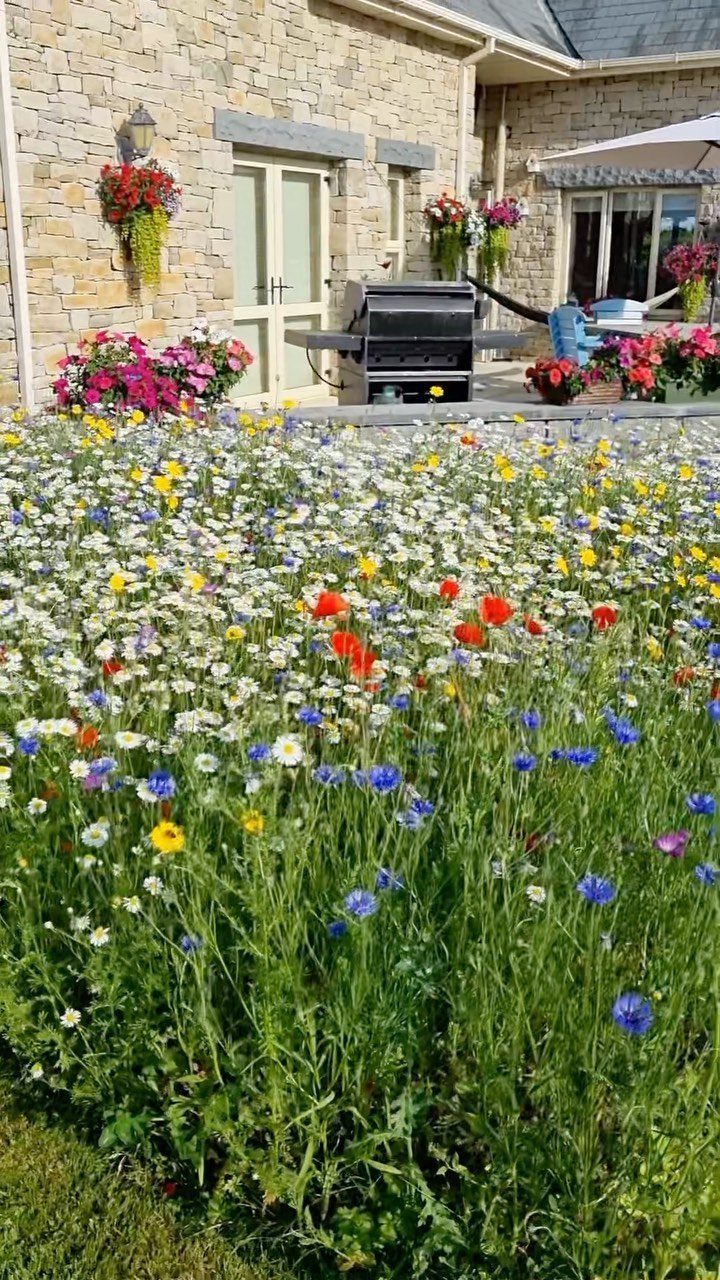
A strip of yard left unmowed turns into wildflower meadow with one intentional planting. Native daisies, cornflowers, and poppies reseed themselves once established, so the second year needs only pulling the grasses that muscle in.
Pollinators find a patch faster when three or four of the same plant sit together instead of singles dotted around. Pollinators spot a mass of color from farther off, and the garden reads as designed rather than accidental.
Skip pesticides entirely in this zone; they kill the butterflies and bees the planting is meant to feed. Divisions from neighbors’ perennial beds cost nothing and establish faster than seed the first season.
15. Wooden Pergola with Climbing Plants
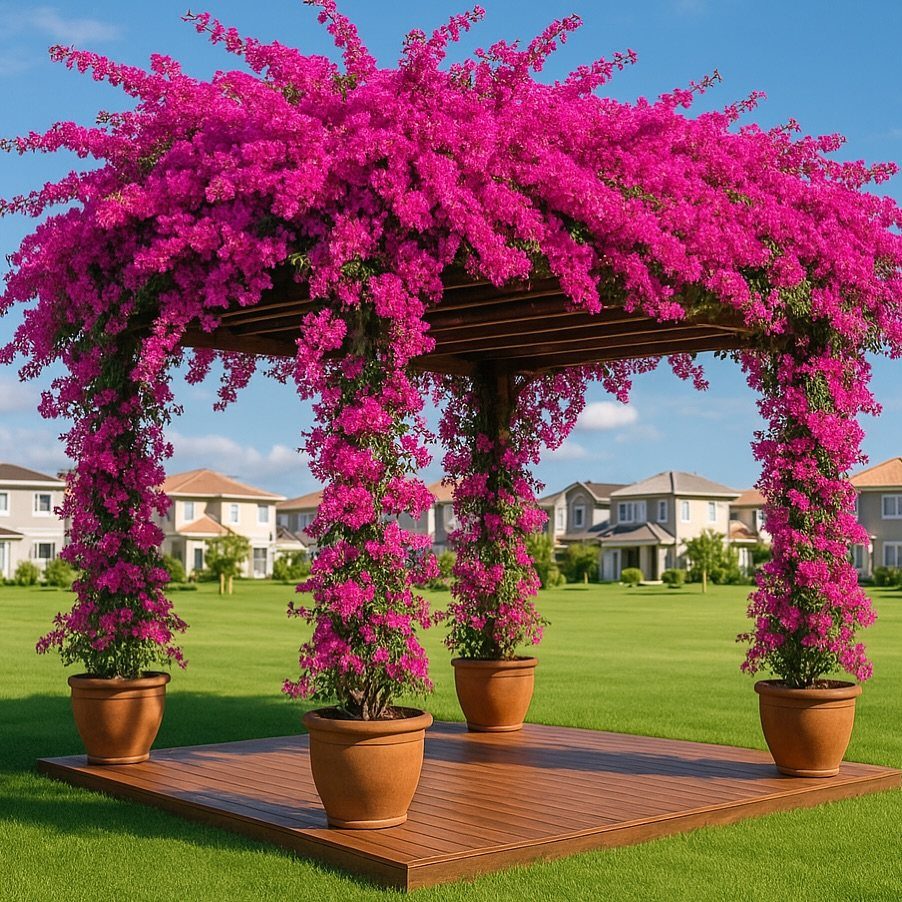
Pressure-treated lumber for the posts resists rot without fuss; reclaimed deck boards from a cut-off bin cover the beam work for less.
Clematis or hops strung up the posts will roof it over by next summer if you tie them in now.
Wisteria climbs by twining stems, bougainvillea works where winters stay mild, and grapes grip by tendril. The frame does not need complex joinery to stand square and look clean.
A second set of hands makes this a weekend build, not a month of solo evenings. The shade is partial, which suits most backyards better than full cover; moving air matters as much as blocked sun in July.
16. Zen Garden with Gravel and Stones
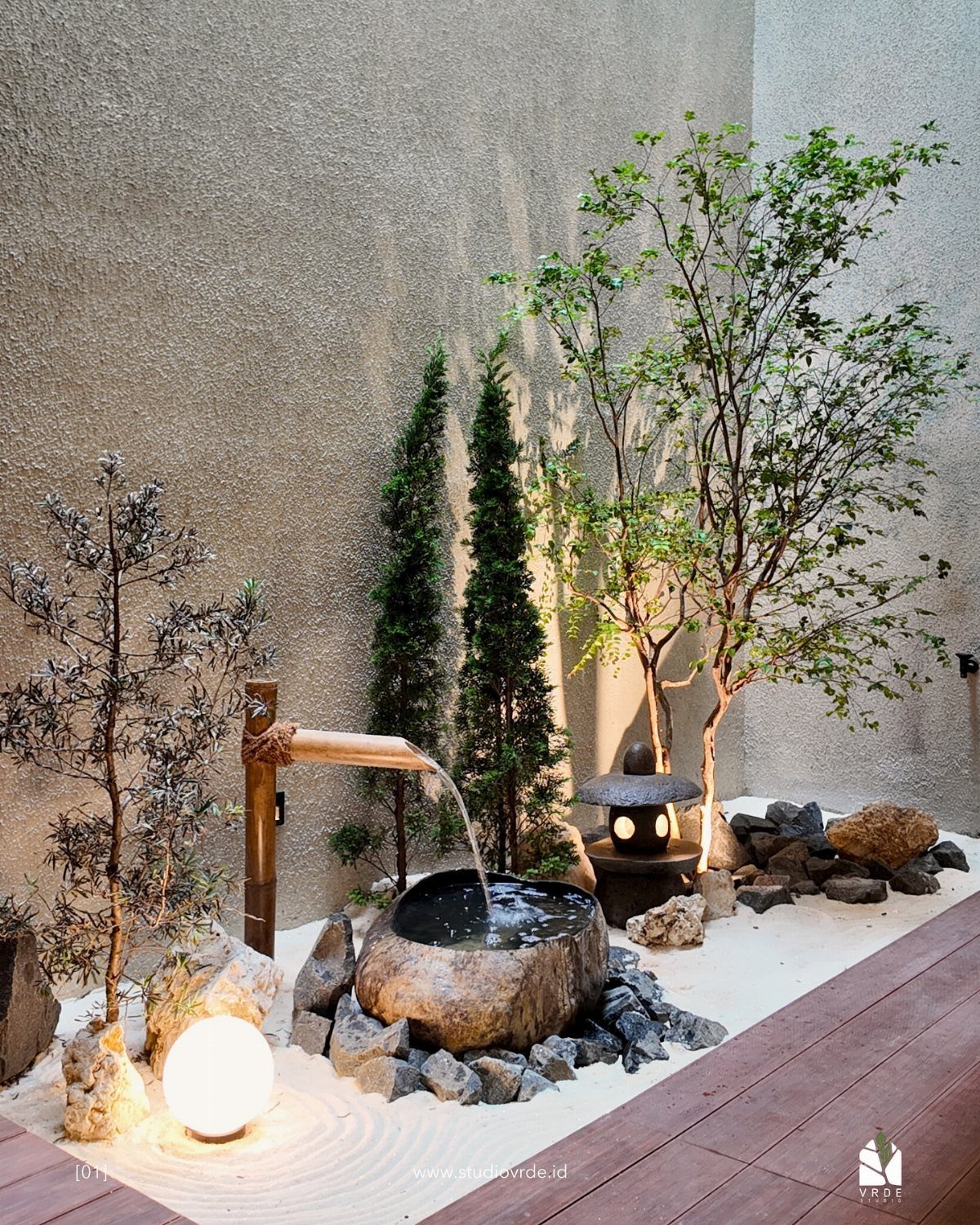
Raked gravel and a few placed stones make an outdoor corner that needs no watering, no deadheading, and no weekend schedule.
A small bamboo fountain adds sound; the pump runs on a solar panel set at the edge where foot traffic will not trip on it.
The emptiness is the point, not a flaw to fill. This suits spots too shady for flowers or too awkward for lawn, corners where other plantings look defeated.
Rake after heavy rain, and the maintenance is done.
17. Long-Lasting Hardy Perennials
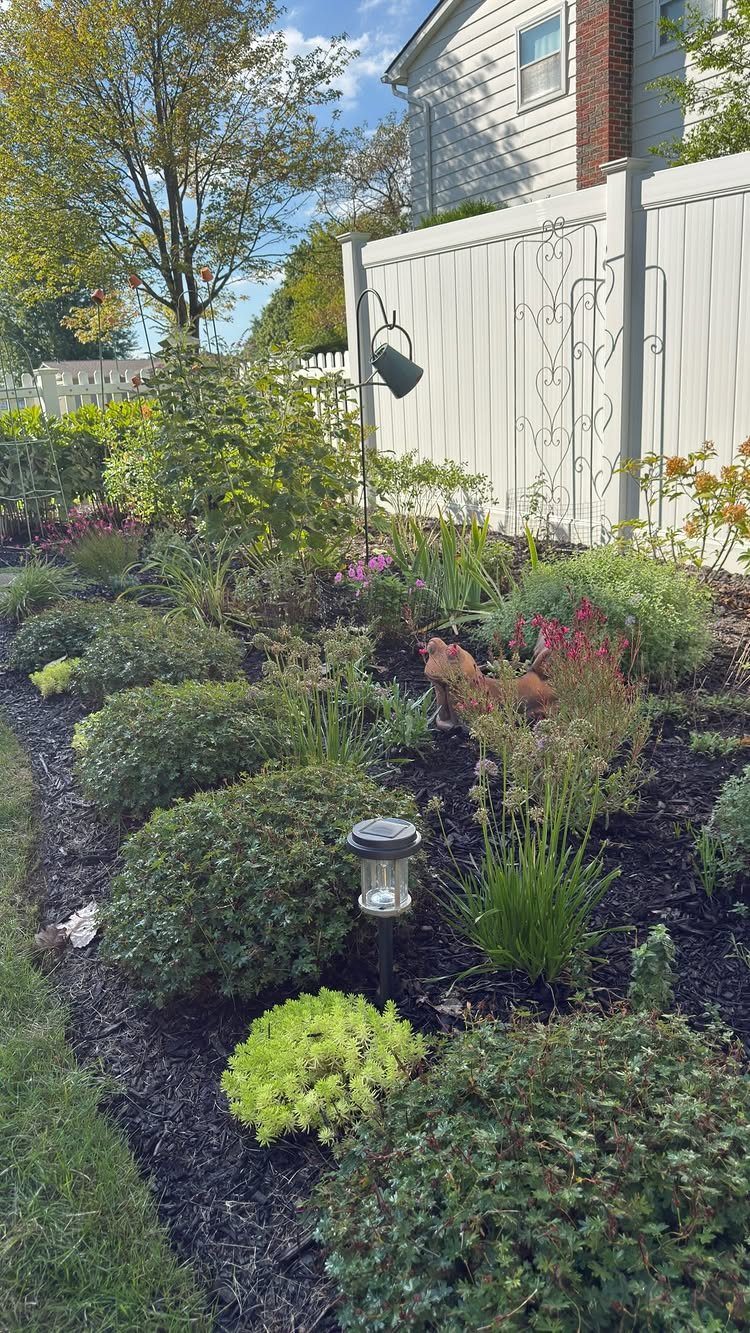
Coneflowers and lavender return each May without replanting, which matters when your weekends are already full. Black mulch around them suppresses weeds and keeps moisture steady through July dry spells.
Repeat-flowering shrub roses carry color from June to October in a small bed. ‘Lady of Shalott’ or ‘Flower Carpet Amber’ both outlast single-flush varieties that sit green for 10 months.
Hardy geraniums and Bowles’s Mauve wallflower fill the gaps between woody plants.
A single solar path light and a small statue give the eye somewhere to rest among the foliage. Perennials divide in spring; local gardeners often give away extras, so ask before buying nursery stock.
18. Build a Small Pond
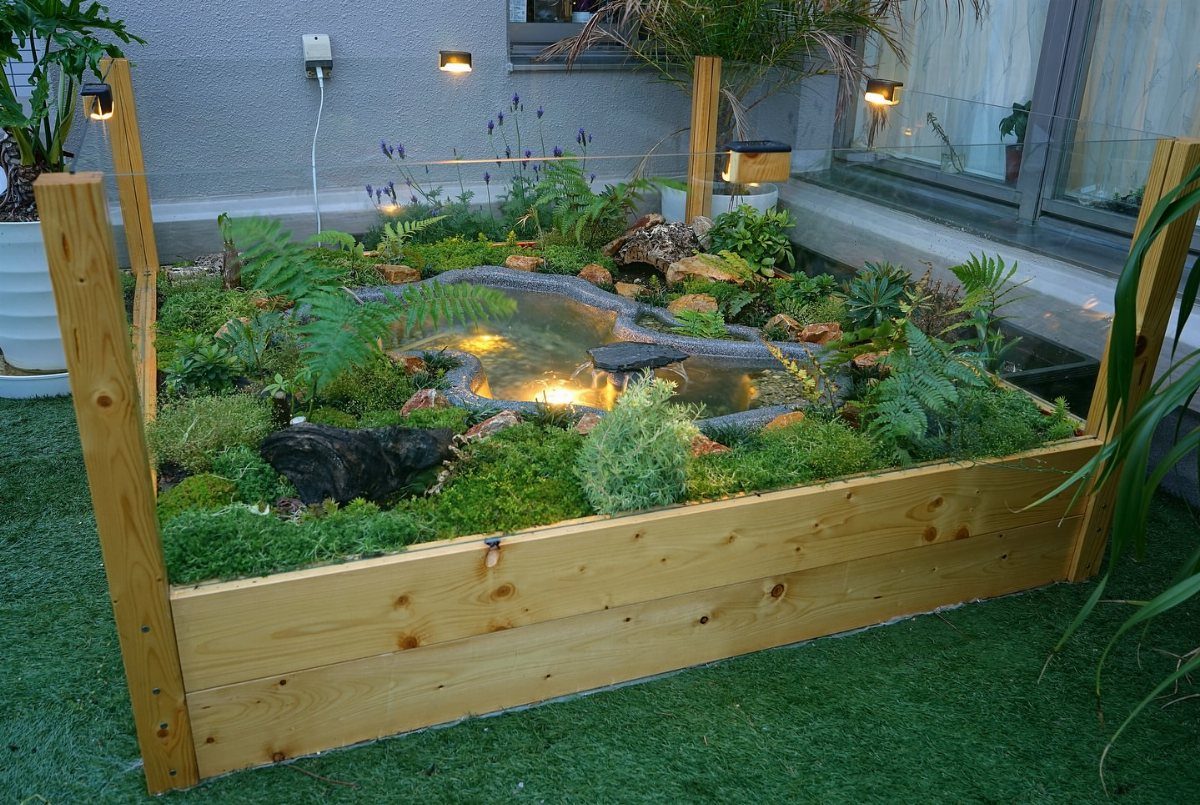
A four-foot pond changes how a backyard sounds even before the birds find it.
A shovel and a free weekend open a hole deep enough for a liner; hide the rim with flat stones from a masonry yard and the edge disappears. A submersible pump keeps water moving enough to discourage mosquitoes.
Floating water lettuce needs no potting; it drifts and roots freely. Used stock tanks work as a shell if you prefer not to dig, though they read more utilitarian.
The pump plugs into a low-voltage outdoor line; check that your outlet is GFCI-protected, which has been standard for outdoor house circuits for decades but still gets skipped on older garages.
Moving water attracts dragonflies and breaks the neighborhood noise in a way plants alone cannot manage.
19. Grow a Kitchen Herb Garden
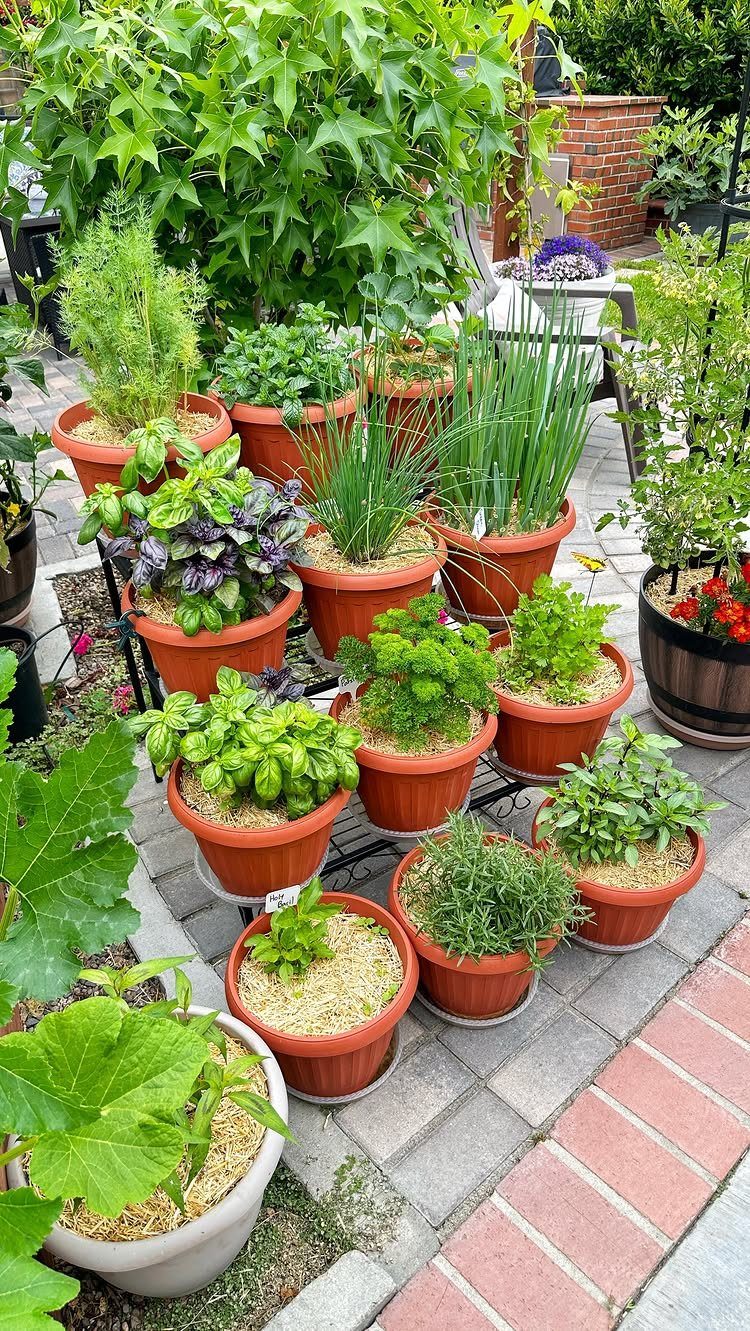
Terracotta-colored pots on a tiered stand keep basil, chives, parsley, and rosemary within reach of the back door. Small labels save guessing which green mound is which.
A wall of mounted wooden crates does the same job in tighter space; either way, shallow containers suit herbs fine. Seeds start for far less than nursery plants, and basil outruns most garden crops from a packet.
Rotate or replant when winter hits, since cold shelves near the house still freeze harder than open ground. Cooking with what you grew beats unwrapping plastic from the store every time.
20. Tropical Planting Style Backyard Design
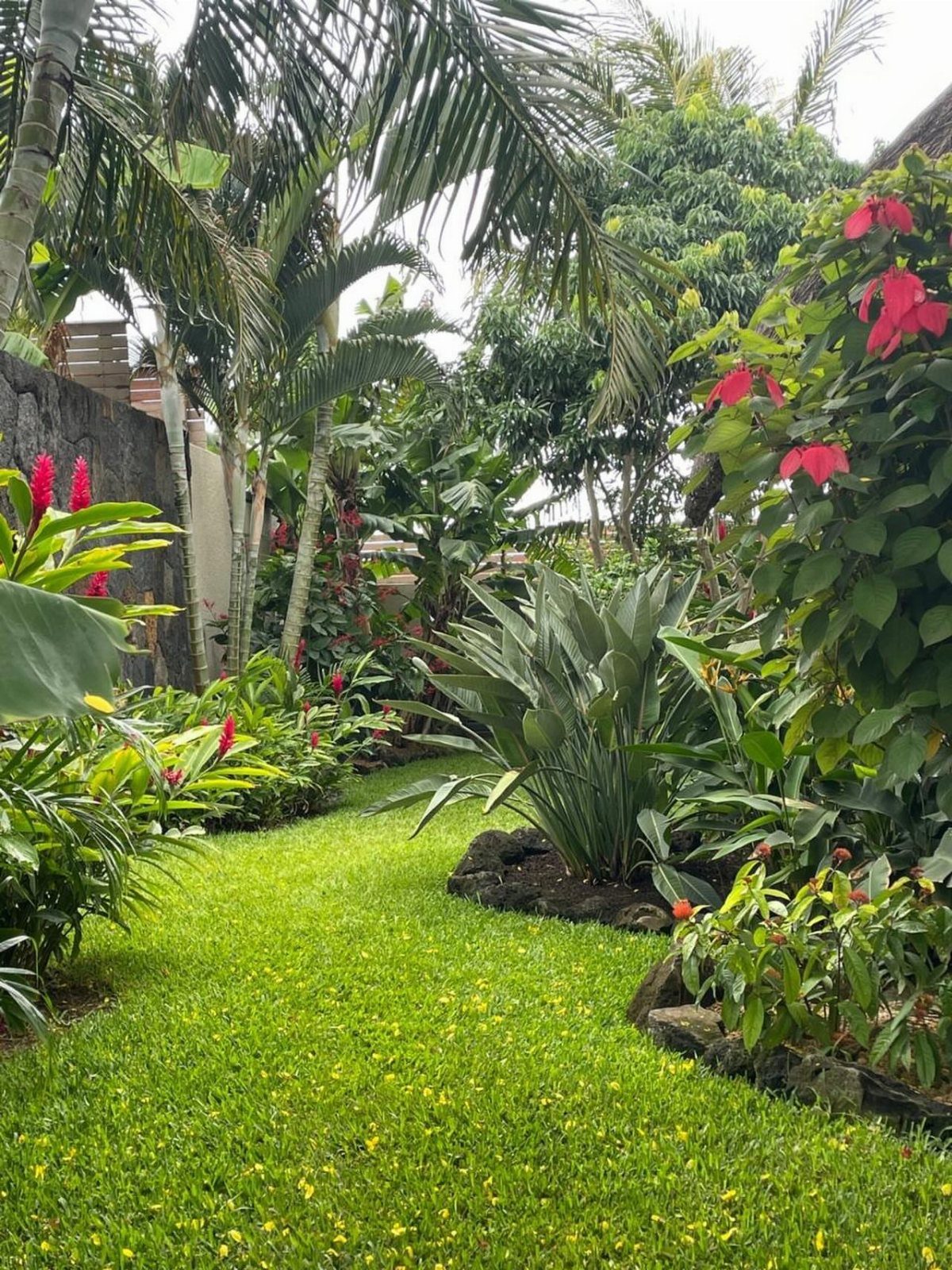
Tropical style means large leaves, dense layers, and little visible soil. Bird of paradise and red ginger handle the height; hibiscus or bougainvillea punch color against the green wall.
This look demands water, and it shows.
Species evolved for canopy shade need less sun than you’d expect, but dry climates kill them without help. Drought-tolerant palms, pineapple guava, and red hot pokers trade some lushness for survival where summers bake.
A small yard works; curved lines and the vertical layering read bigger than the footprint. The decision is whether your water bill and your climate agree.
21. Simple Arbor Entry
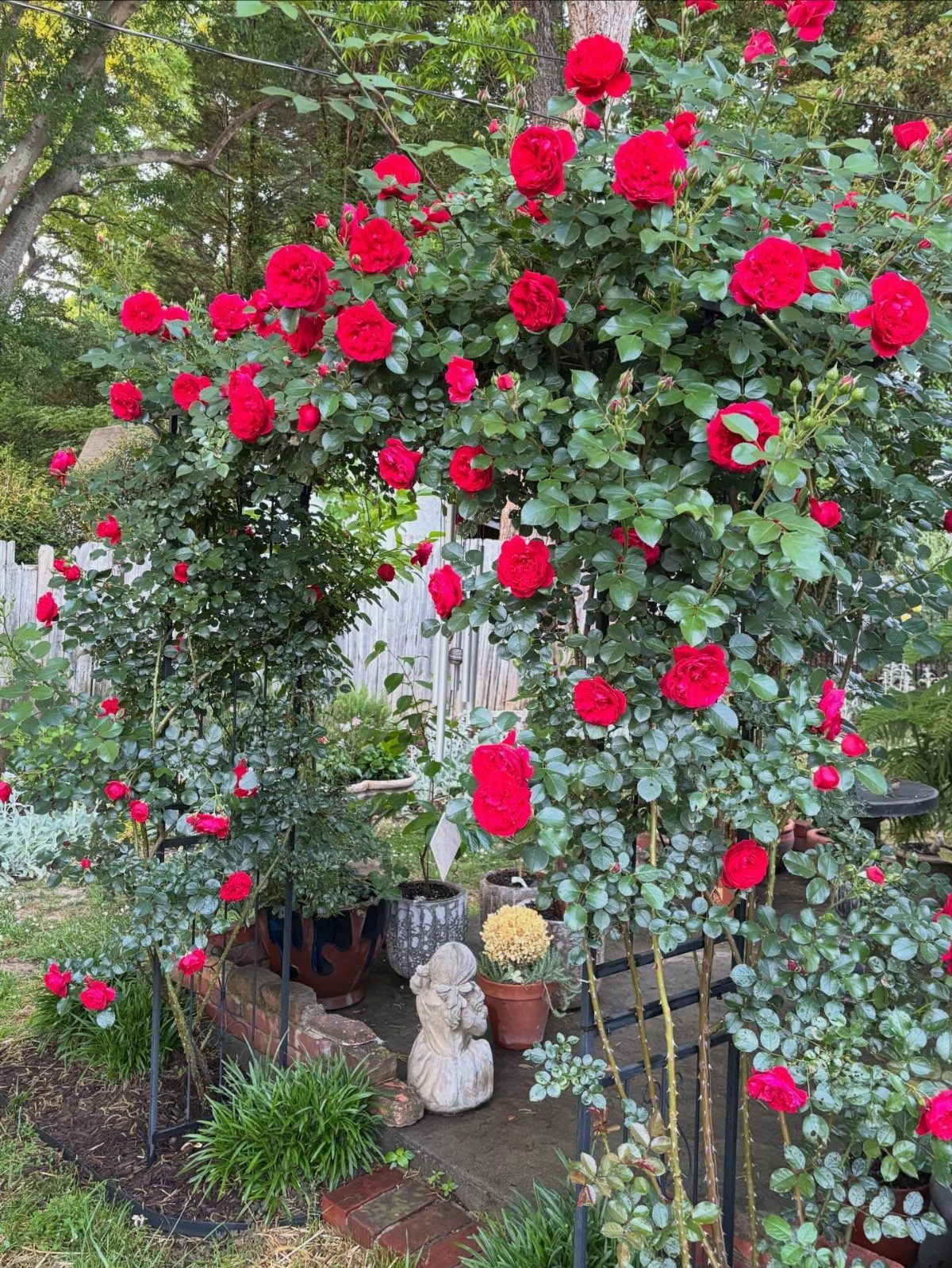
A metal arbor frames the path with red roses already climbing.
Cedar fence posts from a hardware bin carry the same load as specialty arbor lumber for less. Anchor deep; a wobbly arch loaded with mature vine turns treacherous.
Roses, clematis, or hops each grip differently.
Roses and clematis want tying in early; hops twine on their own and fill fast. The structure marks where the yard shifts from one space to another, which matters most when the whole property is small.
22. Layered Flower Borders
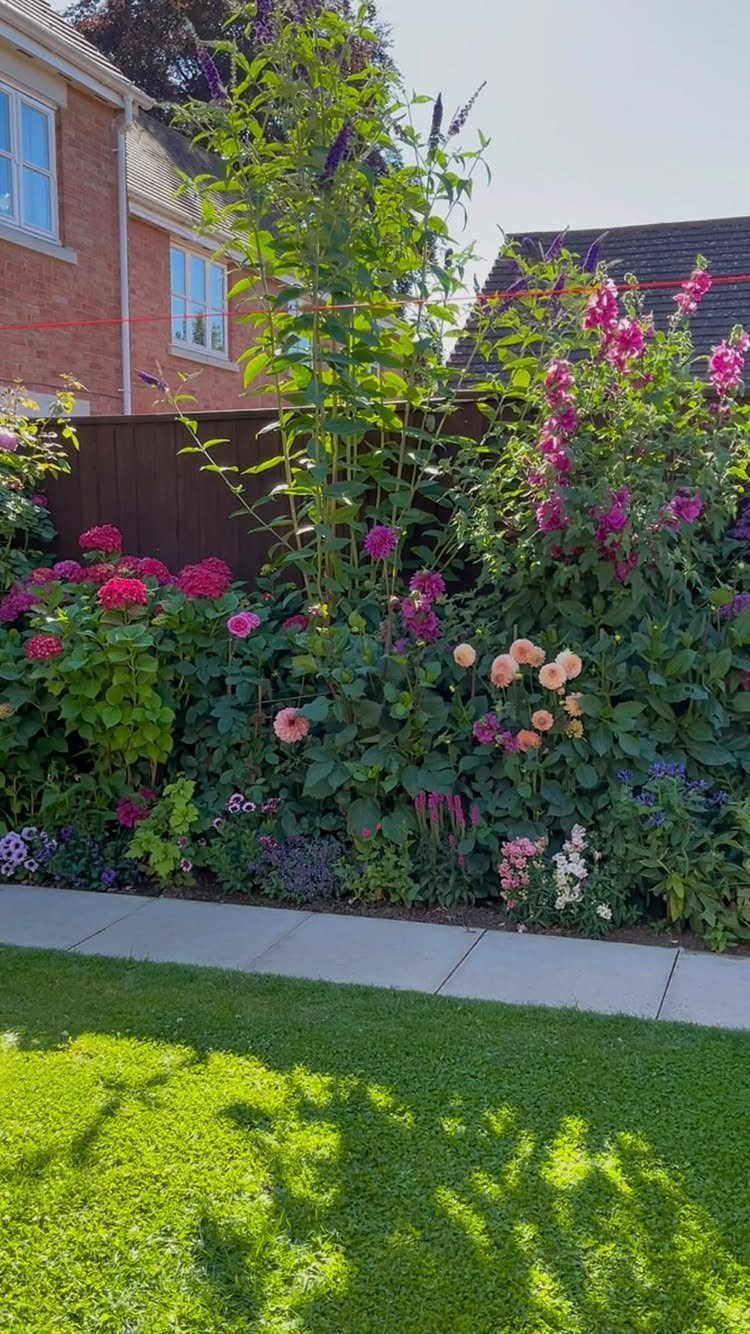
Short groundcover in front, mid dahlias and hydrangeas, tall hollyhocks and buddleia against the fence: each layer gets sun and none hides its neighbor.
A wooden fence backdrop sets the height; the eye reads the border as one mass rather than picking through individual plants. Two or three colors repeated reads intentional; every shade mixed reads accident.
Seeds stretch a dollar far against nursery starts, and a single packet fills gaps the first year that perennials will take later.
The back edge of a property sits empty too often; this turns it into the view you face from the patio.
Tips for Maintaining Your Oasis
Tidy paths monthly. Weeds push through stone or gravel fast once they get sun, and gravel laid thick enough blocks most.
Plants die.
Move furniture if the flow feels wrong. A garden changes season to season whether you planned it or not, and the ones that look lived-in usually got revised a few times.
Budget-Friendly Solutions
Repurposed materials carry most of these projects. Broken pavers from a neighbor’s redo build a fire pit wall for nothing.
Choosing Plants Wisely
For arid yards or sharp drainage, pick plants that do not need much water. Native plants support local wildlife without extra work: they also skip pesticides, which kill the pollinators you might be trying to feed.
Drought-resistant choices mean less weekend work and lower water bills. The arid landscaping tradeoff is less lush green; shade structures and careful plant picks balance that.
Creating Privacy
Full privacy from new stock takes a few seasons.
Frequently Asked Questions
What is the best way to keep pests away from my garden?
A tidy yard with no standing water removes the breeding spots mosquitoes need. Marigolds and herbs planted through the beds add a natural barrier that keeps some bugs from settling in without bringing out chemical sprays.
How do I know which plants will grow in my yard?
Start with your USDA plant hardiness zone, which marks the lowest winter temperature your area typically reaches. Local nurseries stock what survives there; their stock is a faster check than any catalog zone map.
What is the cost to start a backyard garden?
A few terracotta pots, a bag of soil, and seed packets run under $50. Fire pits or pergolas run higher, but most of these ideas build from materials picked up used or free on classified ads.