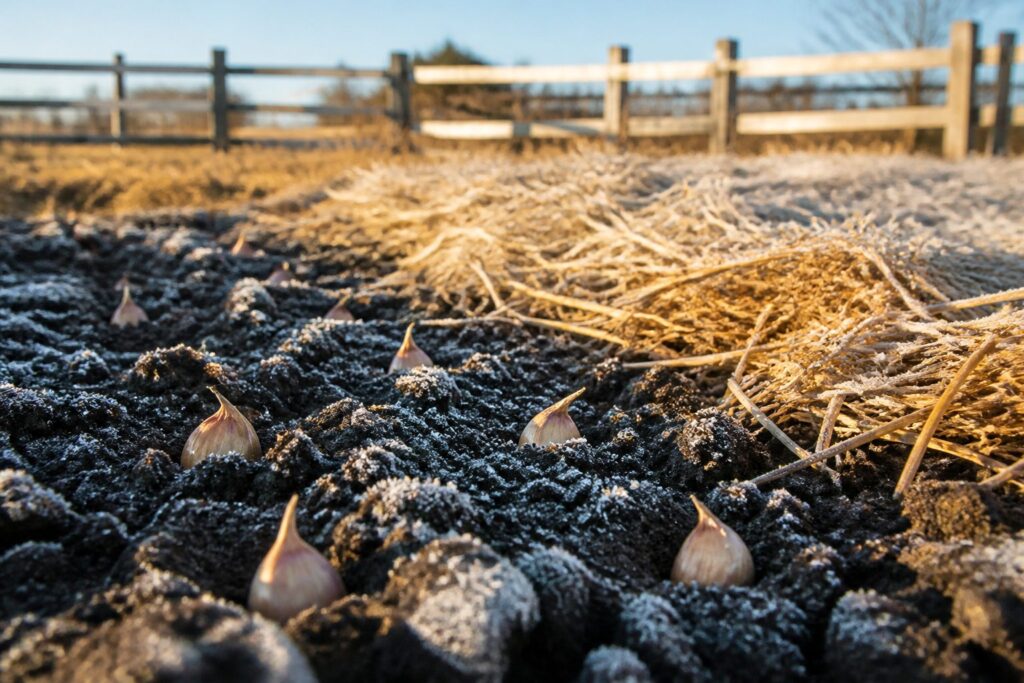
Fall garlic planting is the practice of setting cloves in autumn so roots establish before the ground freezes, producing larger bulbs the following summer than any spring planting can match.
Timing matters: those cloves need three to four weeks of unfrozen soil to root in, and without that window they sit vulnerable all winter.
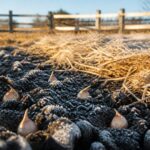
In my zone, that means late September or early October, with six inches of straw mulch laid on top to survive the freeze-thaw cycles that would otherwise heave them right back out.
[link-whisper-related-posts]Select Garlic Variety
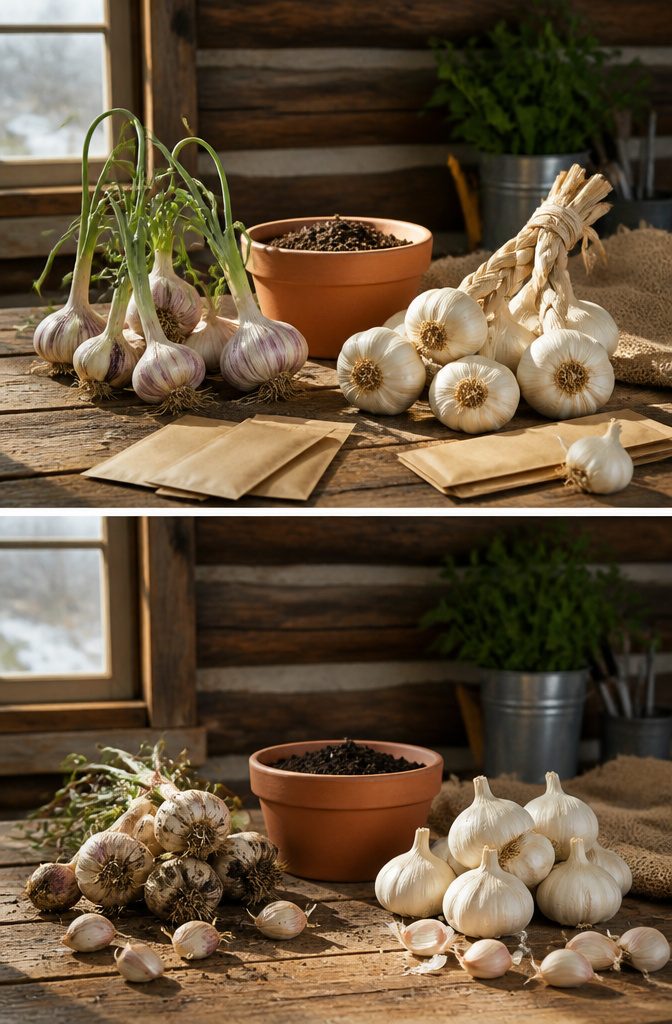
The first choice you make in fall garlic planting is between hardneck and softneck varieties, and the decision mostly comes down to where you live and how you cook.
Hardneck garlic thrives in colder climates and delivers more intense flavor, at least by my reckoning.
It also sends up scapes in late spring, those curling flower stalks that are entirely edible and carry a mild, sweet garlic note good for pesto or a quick grill.
Hardnecks generally do not keep as long into winter, so storage is where you compromise.
Softneck garlic grows in a wider range of regions, including warmer zones where hardneck can struggle. With heavy mulch, it will overwinter in northern gardens too.
The bulbs store longer and braid neatly for hanging, which matters if you are working with limited pantry space. Flavor is still excellent, just a shade less assertive than the hardnecks I have favored.
Either way, buy proper seed garlic rather than whatever sits in the grocery store produce aisle.
Seed garlic is certified disease-free and lacks the growth inhibitors sometimes applied to supermarket bulbs. It also lets you match the variety to your actual climate instead of guessing.

Large, Firm Garlic Cloves for Planting. Each bulb produces thick, well-formed garlic cloves that separate cleanly. Customers consistently mention the firm texture and size, making these garlic seeds for planting easy to handle and space evenly.
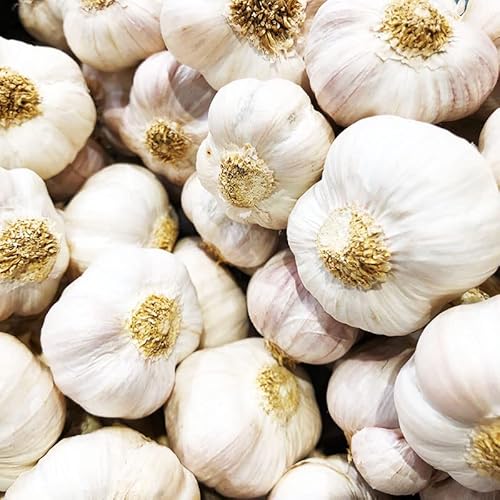
Bold, Rich Flavor: Known for their robust, spicy taste that intensifies when cooked—perfect for roasting, sautés, and garlic-infused oils.

A great tasting healthy. Heirloom, Non-GMO
Prepare the Soil
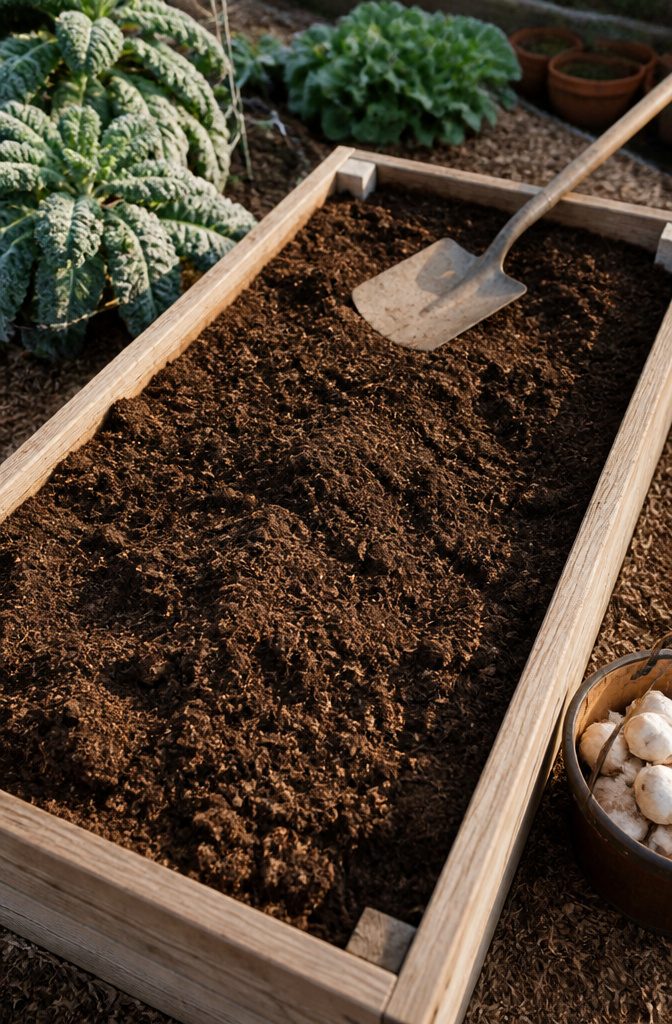
Clay soil has grown garlic for me with nothing more than a fork and patience, but a little organic matter makes the difference between a crop that survives and one that actually thrives.
The real trick is knowing when to stop. Mix in no more than 5–10% organic matter by volume, just enough to open drainage channels without turning the bed into a compost pile.
Garlic roots need firm ground to push through; almost pure organic matter leaves them loose and underfed in ways that look healthy early but stall out by spring.
Blood meal and bone meal can go in now if your soil runs light, worked in with the compost so the nutrients sit where the roots will find them.
I aim for a bed that crumbles in my hand but still holds a shape when I squeeze it.
That balance matters more than any exact recipe, and it is the one test that costs nothing but a few minutes of kneeling in the dirt before you start breaking bulbs into cloves.


Hardneck Garlic Bulbs for planting grow into flavorful homegrown garlic with firm bulbs, large individual cloves and distinctive curling scapes, making them an excellent choice for vegetable gardens, raised beds and kitchen gardens

California Softneck Garlic Bulbs for Planting contain multiple individual cloves that can each be planted to grow a new garlic plant. Softneck garlic develops full bulbs with numerous cloves and classic papery skins, making it an excellent choice for home vegetable gardens, raised beds and large containers.
Plant Cloves
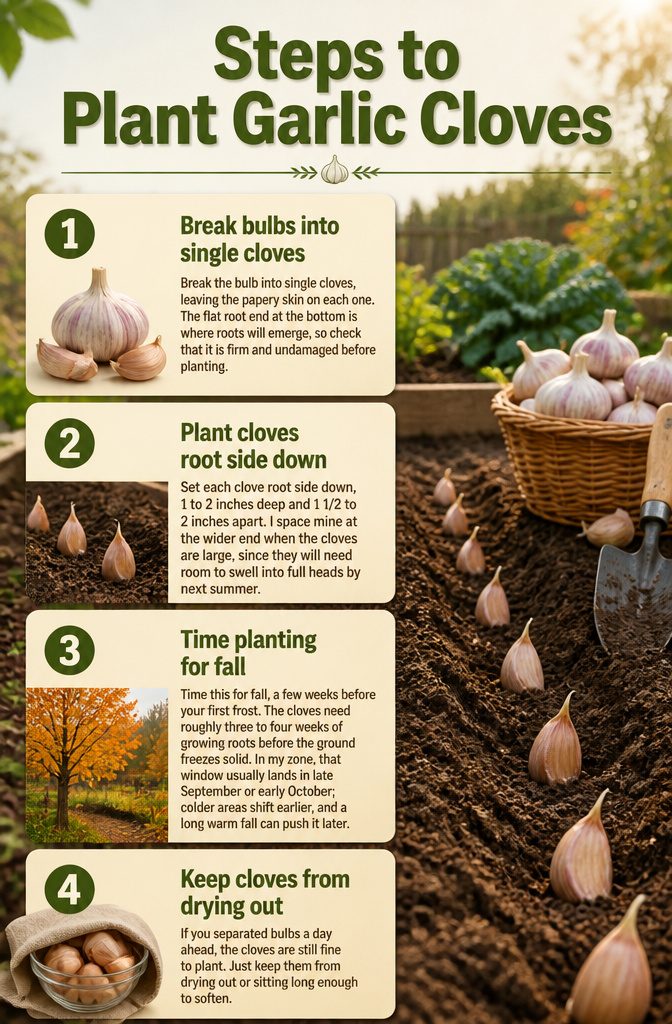
- Break the bulb into single cloves, leaving the papery skin on each one. The flat root end at the bottom is where roots will emerge, so check that it is firm and undamaged before planting.
- Set each clove root side down, 1 to 2 inches deep and 1 1/2 to 2 inches apart. I space mine at the wider end when the cloves are large, since they will need room to swell into full heads by next summer.
- Time this for fall, a few weeks before your first frost. The cloves need roughly three to four weeks of growing roots before the ground freezes solid. In my zone, that window usually lands in late September or early October; colder areas shift earlier, and a long warm fall can push it later.
- If you separated bulbs a day ahead, the cloves are still fine to plant. Just keep them from drying out or sitting long enough to soften.

Product of the USA

Bold Flavor: Enjoy the rich, spicy taste that garlic is renowned for—perfect for enhancing your culinary creations.
100% ORGANIC AND NON-GMO: There's no need to worry about intoxicants that may hinder your plant's growth because Back to the Roots Seeds are completely organic and not genetically modified
Mulch
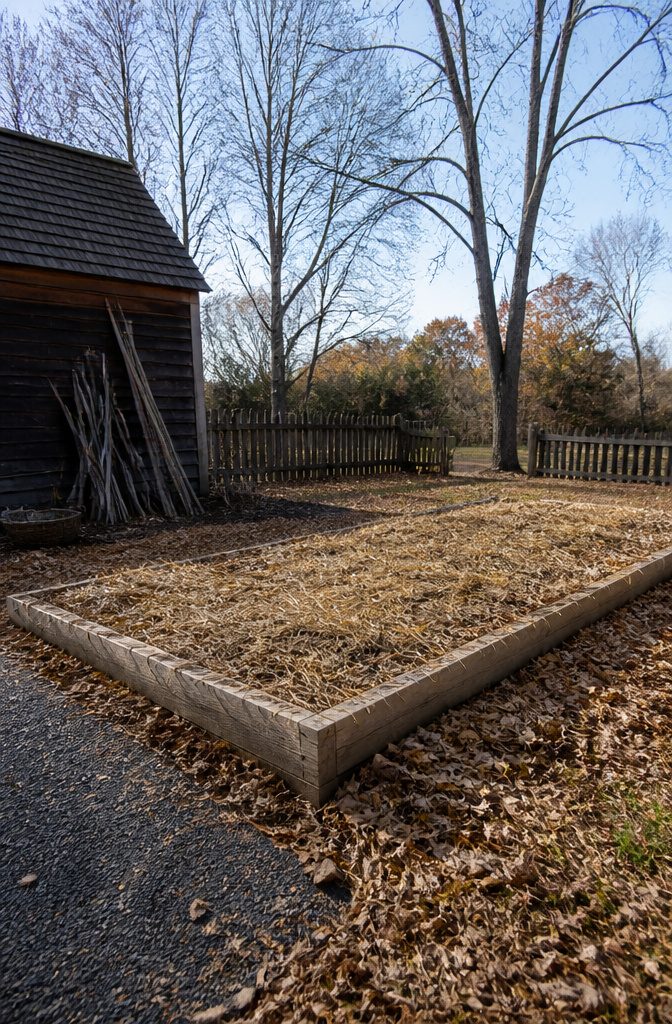
A thick layer of mulch is what keeps fall-planted garlic alive through freeze and thaw cycles that would heave the cloves right out of the ground.
In colder climates, 6 inches of mulch is the minimum that actually protects the cloves, not just the surface of the soil.
Straw works well because it stays light and airy enough for the garlic shoots to push through in spring, though some growers prefer shredded leaves or even a mix of both.
Timing is where opinions split: one approach mulches immediately after planting to lock in soil moisture and prevent winter erosion, while another waits until after the first hard freeze to avoid trapping warmth that might trigger early sprouting.
Both camps get garlic through the winter; the difference matters more in zones where false thaws are common.
The mulch stays in place through spring, gradually breaking down and feeding the soil while suppressing weeds that compete with the developing bulb.
By early summer, what started as winter armor has become part of the bed itself, and the garlic is already using the nutrients it released.

Great for Culinary Use in the Kitchen and for Planting and Growing Garlic
Water
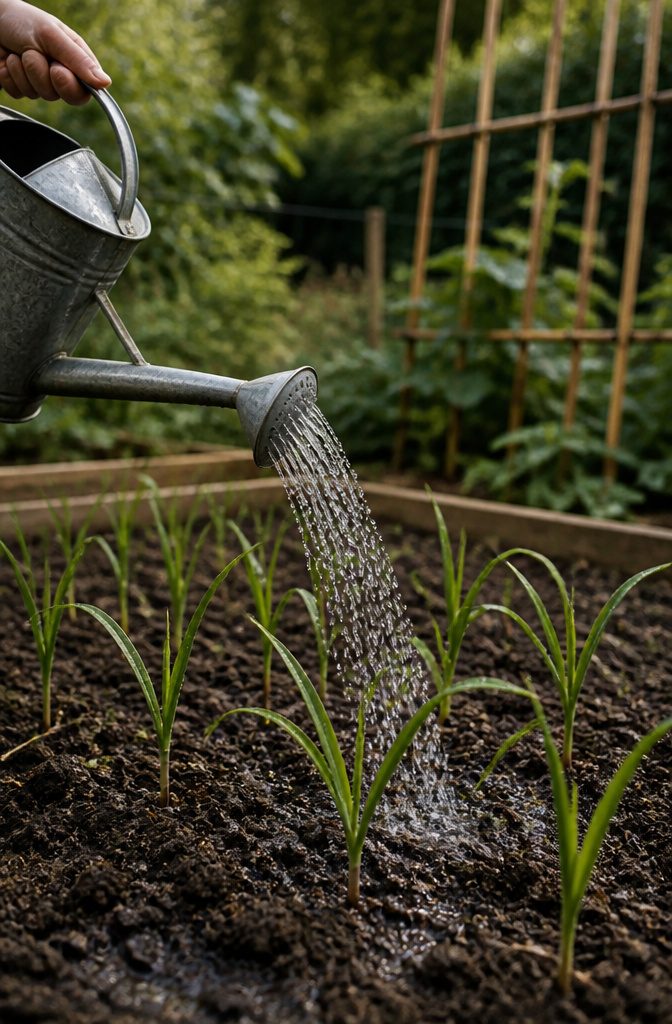
Garlic roots stay shallow through most of the growing season, so the moisture you see on the surface is not the whole story.
A dry week in April or May can stall bulb formation without any obvious warning, since the leaves still look green and upright.
Water when the top two inches of soil have dried, and do it deeply enough that the moisture reaches below the root zone rather than just wetting the mulch.
I check by pushing a finger straight down beside a clove, not near the stem where the soil stays looser.
If the bed has not seen rain in ten days and the forecast shows none coming, that is usually my signal to drag out the hose.
Clay-heavy ground needs less frequent rounds than sandy soil, but both want slow, steady application so the water sinks instead of running off.
Too much is as risky as too little once the weather warms. Soggy soil in late spring can start rot in the outer wrappers, and by then the damage is hidden until harvest.
I back off watering once the lower leaves begin yellowing in early summer, which tells the bulbs to start hardening off for the dry-down before digging.
Harvest
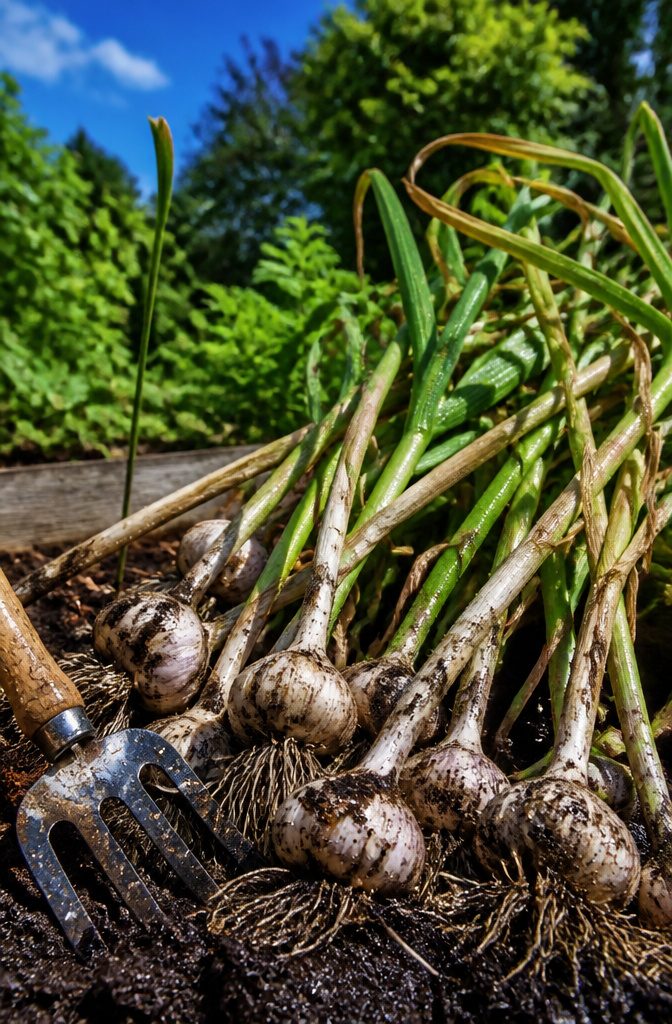
Garlic planted in fall is ready when the bottom leaves yellow and only 3 to 5 green leaves remain standing, usually mid-summer.
I count from the ground up; once the lower three or four have browned off and the top still holds that half-dozen or so, the bulb has formed its wrapper layers but the stem has not yet loosened from the cloves.
Waiting longer risks the neck separating entirely, which ruins storage.
A hand fork or shovel lifts the bulbs more cleanly than pulling by the stalk.
I work a few inches out from the plant to avoid slicing the bulb itself, because any cut or bruise means that head goes straight to the kitchen rather than the cellar.
Loose soil gets a gentle brush-off, but the stalk and roots stay attached for drying.
The garlic then bundles in small bunches and cures in a covered, dry spot out of direct sun; sun exposure scalds the wrappers and shortens keeping time.
Three to four weeks of that dry-down, and the heads are ready for braiding or trimming to store.
Cure and Store
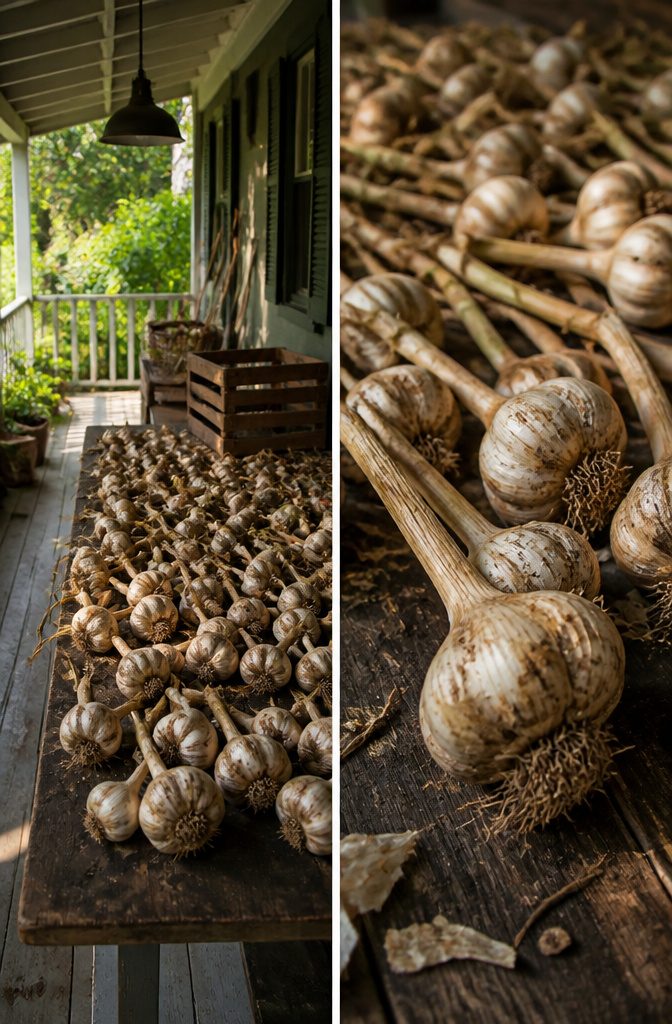
Curing starts the moment you pull the bulbs from the ground.
Lay them in a single layer somewhere dry, out of direct sun, with decent airflow. A shaded porch, a garage with a fan, or even a spare closet works.
The skins need 3 to 4 weeks to tighten and the necks to dry down completely. Rush this and you lose storage time later; the moisture left inside rots the clove from within.
Once the outer wrappers feel papery and the roots have shriveled to a brush, trim the tops to about an inch and brush off the dirt.
Do not wash them. Water on a cured bulb invites mold in storage.
For the months ahead, a cool, dark place between 32 and 40 degrees keeps garlic usable until the next crop comes in. A basement corner, an unheated closet, or even a refrigerator drawer set to the right zone does the job.
Warmer than that and the cloves sprout; colder and they freeze, turning mealy when thawed. Check the stash monthly and pull any soft ones before they spread rot to the rest.
That cycle, from clove in October to bulb in July and then to a jar by the stove, is what makes fall garlic planting worth the wait.
Hardneck vs. Softneck
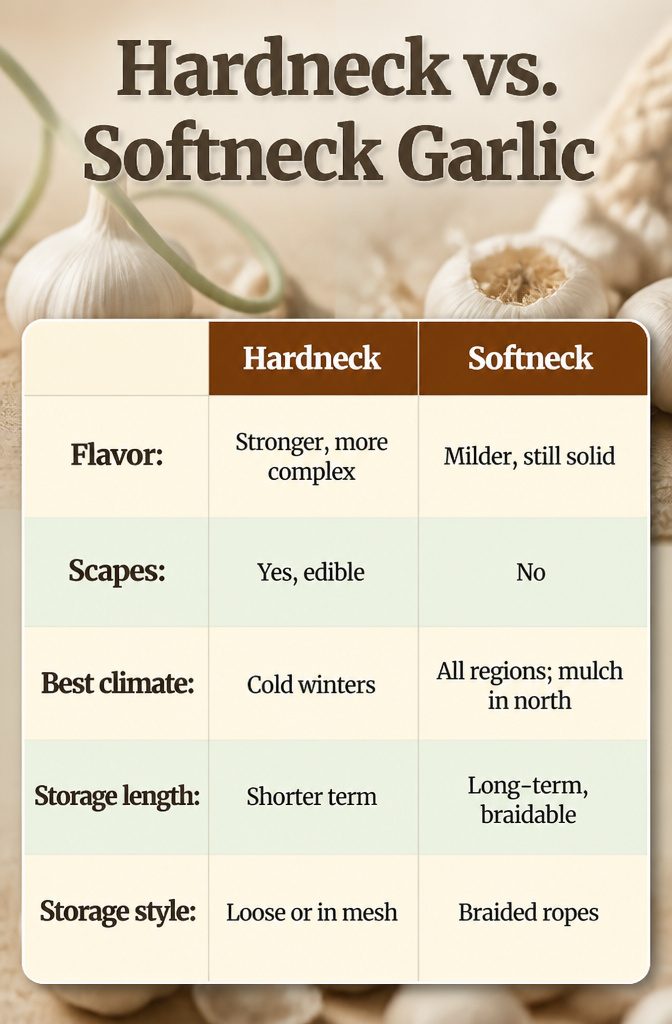
Hardneck garlic carries more flavor than softneck, at least by my own taste and by most accounts from growers who keep both in the ground.
The bulbs also send up scapes in late spring, those curling flower stalks that are edible and worth harvesting before they toughen.
Hardnecks keep for months, not half a year, and they prefer cold winters to vernalize properly; storage is the compromise. Softneck garlic, meanwhile, is the one you braid into ropes for the kitchen wall.
It stores longer and grows in a wider range of regions, though northern plantings need a heavy mulch layer to survive hard freezes. Flavor is still good, just milder.
| Hardneck | Softneck | |
|---|---|---|
| Flavor | Stronger, more complex | Milder, still solid |
| Scapes | Yes, edible | No |
| Best climate | Cold winters | All regions; mulch in north |
| Storage length | Shorter term | Long-term, braidable |
| Storage style | Loose or in mesh | Braided ropes |
Fall vs. Spring Planting
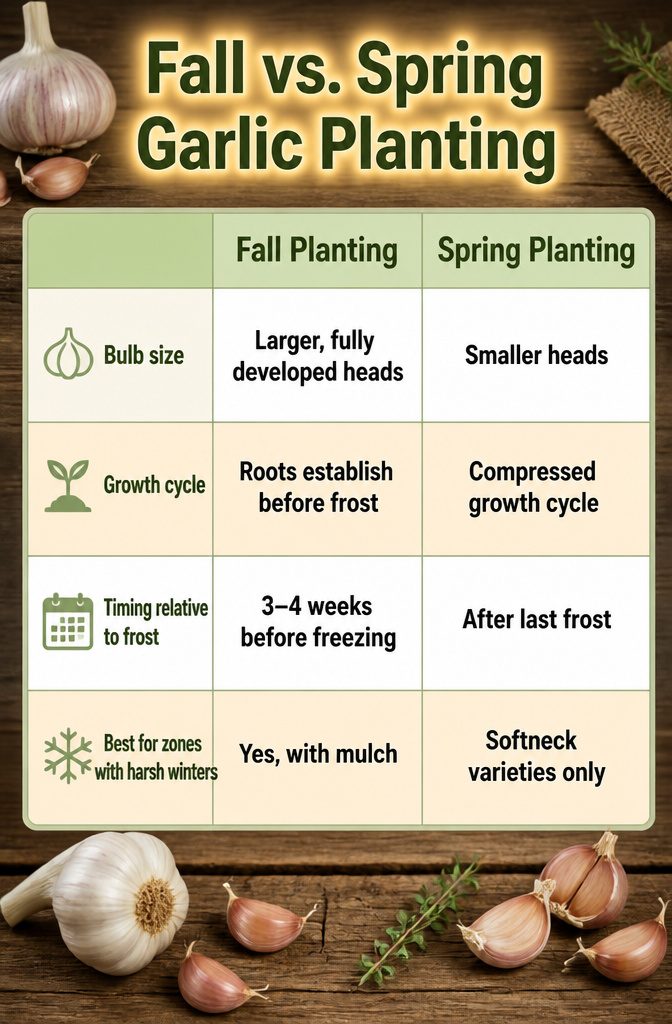
Fall-planted garlic has a full winter to settle in and push out roots before the ground freezes, which is why the bulbs come up larger and more developed by harvest.
Spring planting compresses everything: the cloves go in after the last frost, scramble to establish, and run out of cool weather before the bulb can size up.
One gardener on a farm blog put it plainly that fall heads are simply bigger, and late spring plantings never quite match them.
The timing gap matters too. Fall cloves need roughly three to four weeks of unfrozen soil to root in; without that window, they sit dormant and vulnerable.
Spring plantings skip that risk but lose the head start, so the whole cycle shifts later and the harvest window narrows.
| Fall Planting | Spring Planting | |
|---|---|---|
| Bulb size | Larger, fully developed heads | Smaller heads |
| Growth cycle | Roots establish before frost; resumes growth early spring | Compressed; less time before summer heat ends bulking |
| Timing relative to frost | 3–4 weeks before ground freezes | After last frost, as soon as soil can be worked |
| Best for zones with harsh winters | Yes, with heavy mulch | Softneck varieties only; considered for long, cold winters |
For most gardeners, fall is the move that pays off. Spring works as a backup or for specific softneck varieties in brutal zones, but the smaller bulbs are the trade you accept for planting late.
Garlic Scapes
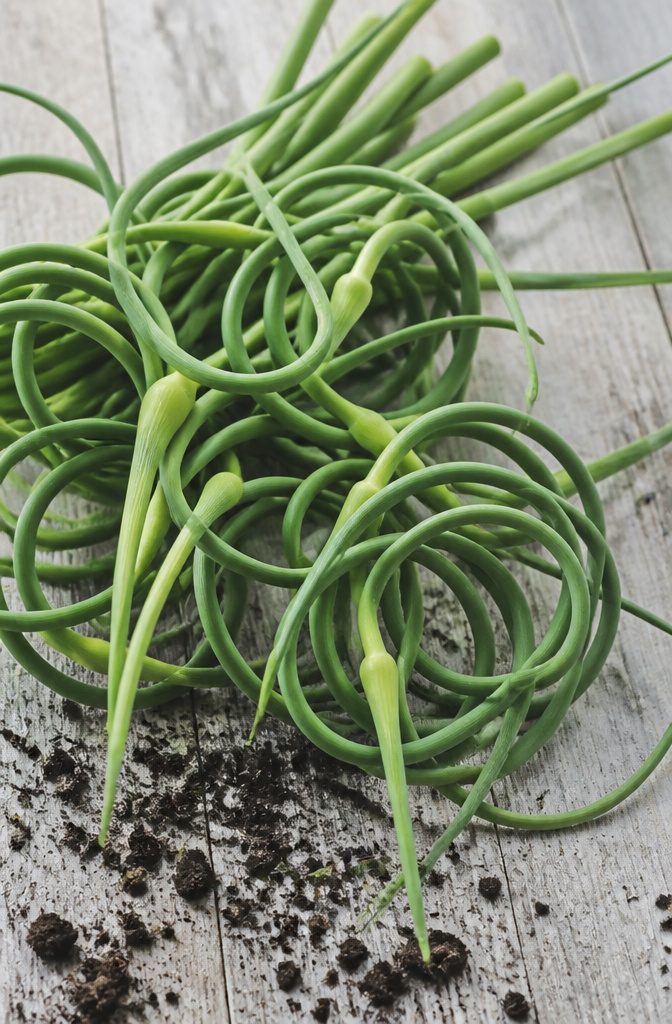
Hardneck garlic sends up a curved flower stalk called a scape in late spring, and catching it early matters more than most planting guides let on.
The stalk starts tender and tightly coiled, almost like a green onion with a garlicky edge, but left alone it straightens and turns woody as the plant shifts energy into seed production instead of the bulb you planted for.
I cut mine as soon as the coil forms, usually mid-June here, which redirects the plant’s reserves downward and gives me a second harvest from the same crop.
The scapes themselves are worth the trouble. They carry a milder, greener garlic flavor than the cloves, and they work anywhere you’d use scallions or chives with more punch.
I have grilled them whole, chopped them into fried rice, and once blended them into a pesto that needed no basil at all.
Fermenting is another option if you are already set up for it. Harvest before the stalk uncoils; after that point the texture goes stringy and the flavor loses its sweetness.
Companion Planting
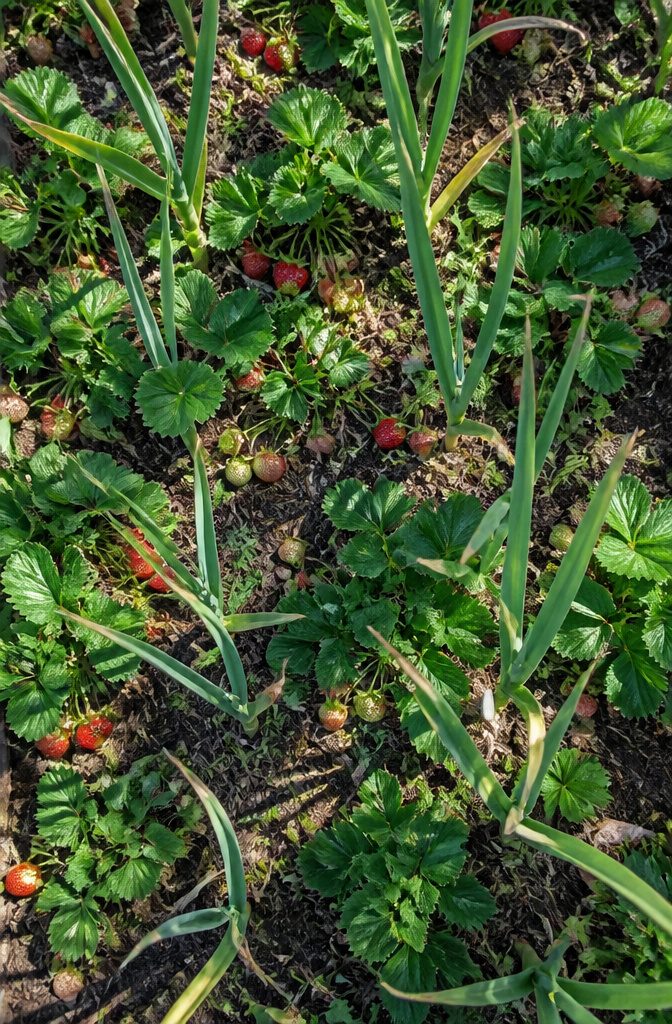
Garlic tucked between strawberry or raspberry rows earns its keep even before harvest. The sulfur compounds that give cloves their punch also repel several of the pests that chew through soft fruit canes and leaves.
- Garlic near strawberries may confuse spider mites and aphids that otherwise cluster on the undersides of leaves. The pairing works best when garlic goes in at the same fall timing as the berry bed’s renovation, so both root systems establish together without crowding.
- Garlic near raspberries reportedly deters Japanese beetles and root weevils, the kind of "bad bugs" that skeletonize primocanes in summer. Martha, growing in Acton, Massachusetts (Zone 5b/6a), planted garlic directly with her raspberries after reading the tip and found both crops "very happy."
- Space still matters. Sixteen garlic cloves per square foot is the standard density for a dedicated block; when interplanting with berries, drop that to the outer edges or every other gap so you are not shading the shallow berry roots.
- Do not expect garlic to replace a full pest program if pressure is heavy. The smell disrupts, it does not create a force field.
What to Avoid
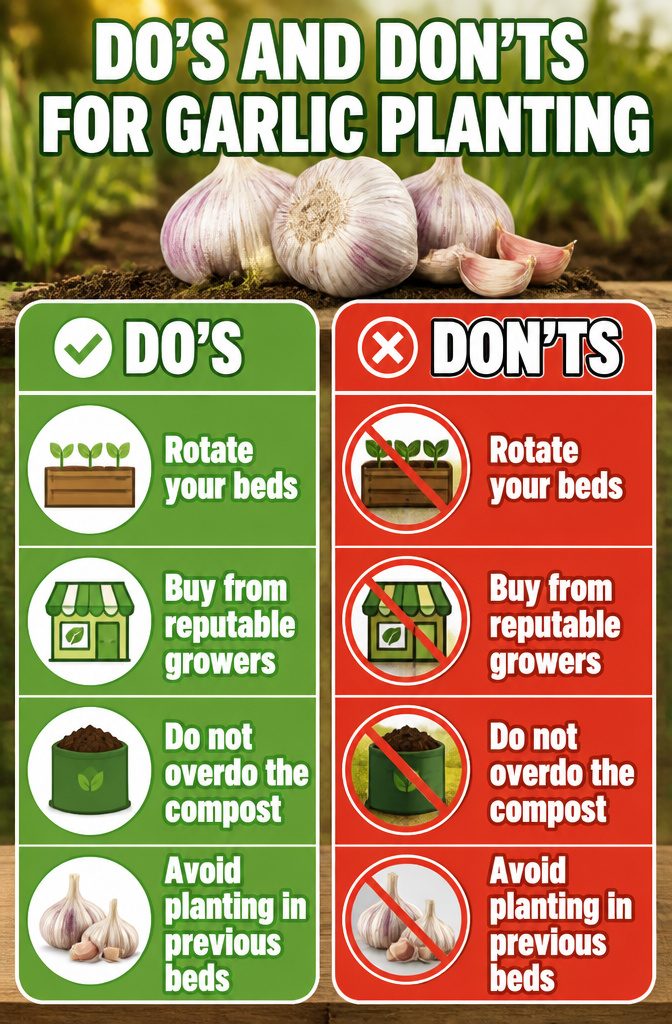
A few missteps with fall garlic planting can undo a whole season’s work before winter even sets in.
- Rotate your beds. Nematodes build up in soil where alliums grow year after year. The garlic bloat nematode spreads fast and hides well; you might not spot it until the bulbs rot underground. Moving this year’s garlic to a completely different bed breaks that cycle, even if your seed stock looked clean last harvest.
- Buy from growers who screen for pests. Burpee, Fedco, and High Mowing have reputations for clean stock, which matters more than saving a few dollars on mystery bulbs from a bin.
- Do not overdo the compost. Garlic wants drainage more than it wants richness. Mix in organic matter at roughly 5–10% by volume and stop there. Almost pure organic matter holds too much moisture and can stall root growth or invite rot in wet falls.
One good piece of advice however, is to rotate your crops. So don’t plant this fall’s garlic in the same bed you planted last year.
That single swap of location does more for pest prevention than most sprays you could buy.
Frequently Asked Questions
When is the best time to plant garlic?
The best time for fall garlic planting is a few weeks before your first frost, usually late September or October in most zones.
The cloves need three to four weeks of unfrozen soil to establish roots before winter sets in. Colder areas shift earlier; a long warm fall can push the date later.
How deep should garlic be planted?
Set each clove 1 to 2 inches deep, with the flat root end facing down. Space them 1 1/2 to 2 inches apart, using the wider end of that range for larger cloves that need more room to swell into full heads.
What is the difference between hardneck and softneck garlic?
Hardneck garlic delivers stronger, more complex flavor and produces edible scapes in late spring, but it stores for a shorter term and prefers cold winters.
Softneck garlic grows in all regions, stores longer, and braids neatly for hanging, though its flavor is milder.
How do I know when to harvest garlic?
Dig your garlic when only 3 to 5 green leaves remain, counting from the ground up.
That balance means the bulb has formed its wrapper layers but the stem has not yet loosened from the cloves. Waiting longer risks the neck separating, which ruins storage.
How should garlic be stored after harvesting?
Cure the bulbs for 3 to 4 weeks in a dry, shaded spot with good airflow until the outer wrappers turn papery.
Then trim the tops to about an inch and store in a cool, dark place between 32 and 40 degrees. Do not wash them; moisture invites mold.
Are you supposed to plant garlic in the fall?
Yes, fall planting is the standard approach because cloves get a full winter to root in before growth resumes early spring.
Fall-planted bulbs come up larger and more developed by harvest than spring-planted ones. Spring works only as a backup, mainly for softneck varieties in zones with brutal winters.
What not to plant with garlic in the fall?
Avoid planting garlic where any allium grew the previous year.
Nematodes and soil-borne pests build up in allium beds, and rotating to a completely different bed breaks that cycle more effectively than sprays. Also skip heavy-feeding neighbors that would crowd the shallow roots or compete for nutrients.
What happens if I plant garlic in July?
July is too early for fall garlic planting in most regions. The cloves would sprout and send up green growth that winter cold would kill, since they lack the dormancy trigger of shortening days and cooling soil.
Without that window of three to four weeks before frost to root in quietly, the cloves sit exposed and vulnerable.
What are some common mistakes people make when planting garlic?
Overdoing compost is a frequent error; mix in no more than 5–10% organic matter by volume or the bed holds too much moisture and roots stall.
Planting grocery store garlic brings growth inhibitors and possible disease. Skipping mulch in cold climates leaves cloves vulnerable to freeze-thaw heaving, and repeating garlic in the same bed invites nematode buildup.