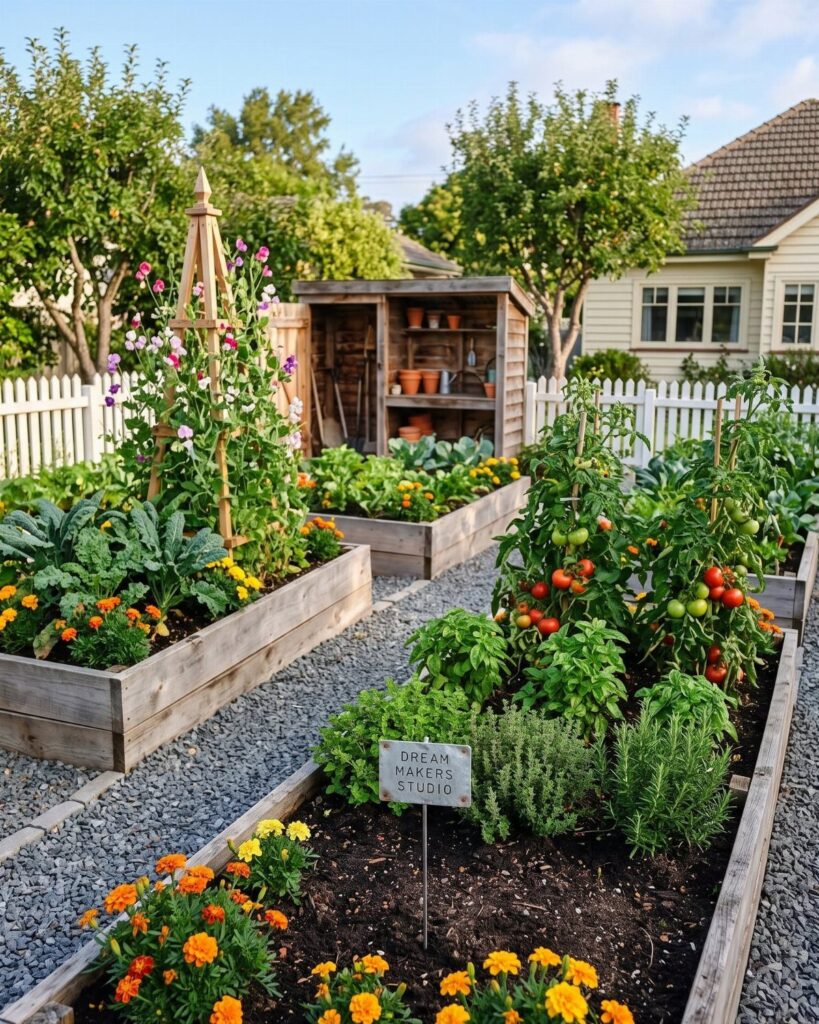
These 8 beds run from nothing but a fork and sweat to a mini-excavator and stone that resets every spring, and the right one depends on how much your knees are willing to forgive versus how long you need the build to last.
The cheapest is a double-dug strip with no border at all; the most durable, cinder blocks that outlast any wood I have priced, including cedar that rotted at the corners after 8 wet seasons.
[link-whisper-related-posts]1. Natural Wood Beds
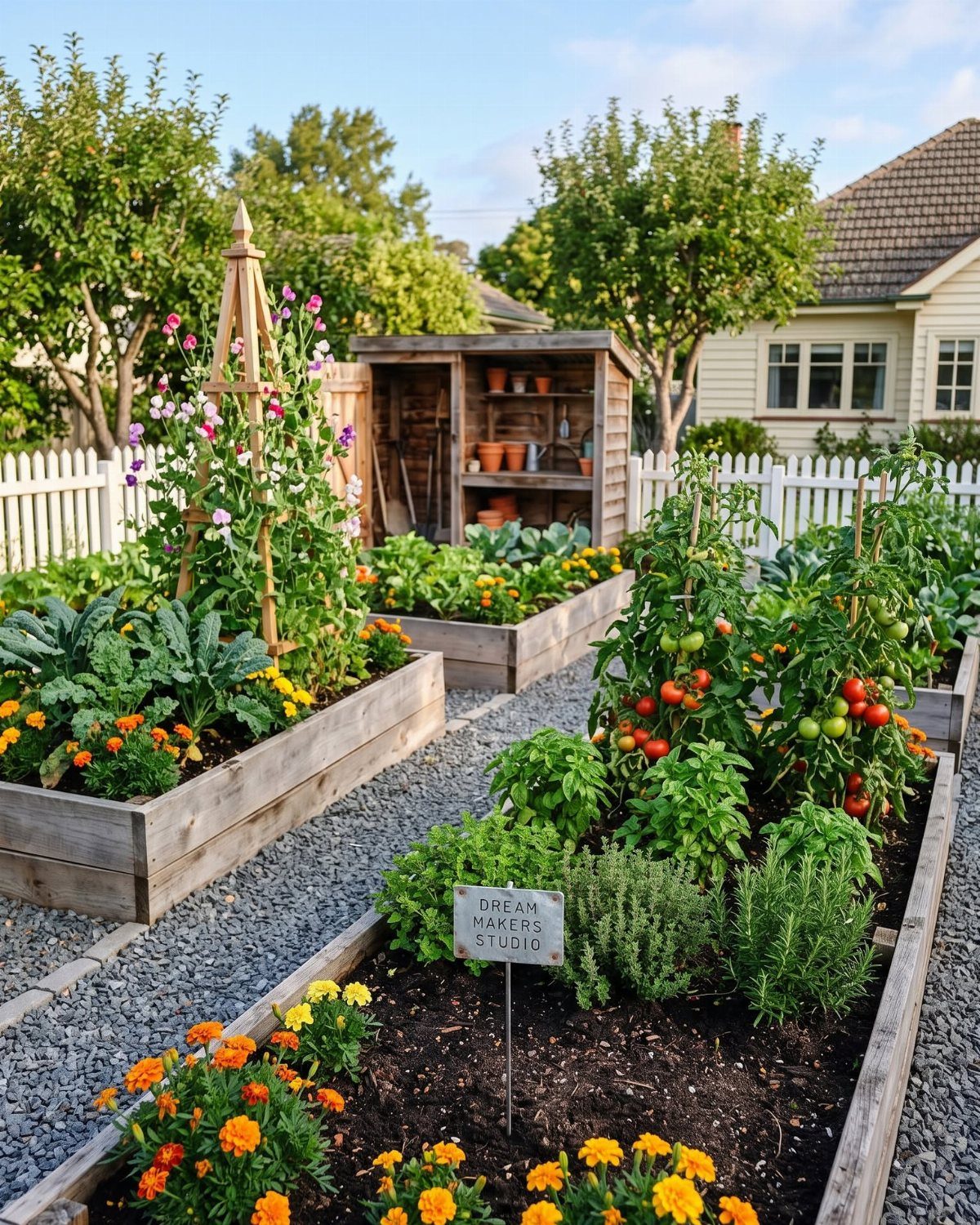
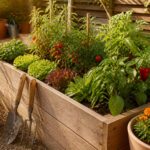
Cedar boards last years against rot without the weight of oak or hemlock.
I built my first beds from untreated 2×12s after learning that pressure-treated lumber leaches copper compounds into root vegetables; the cedar upgrade cost more upfront and paid back within a few years.
A 4′ by 8′ footprint is what most arms can reach across from either side.
Leave enough space between beds for a wheelbarrow or a kneeling pad. The kits at big-box stores cost more than cutting your own from fence-grade cedar if you have a saw and a drill.

LONG-LASTING: Made from rot resistant, 1" thick, North American Western Red Cedar

16.5" deep to accommodate large, deep-rooted plants
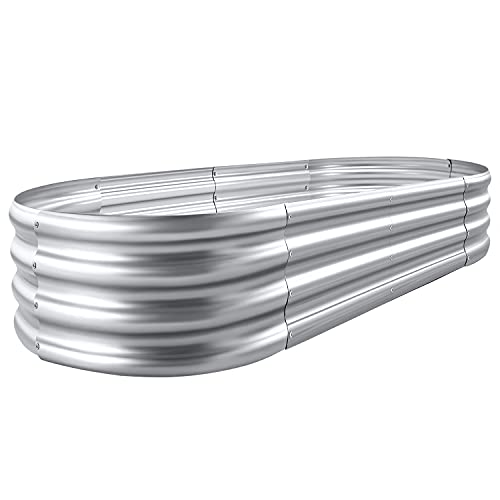
Each raised metal garden bed size: 4×2×1ft ,7.14Cu
2. Improved Drainage
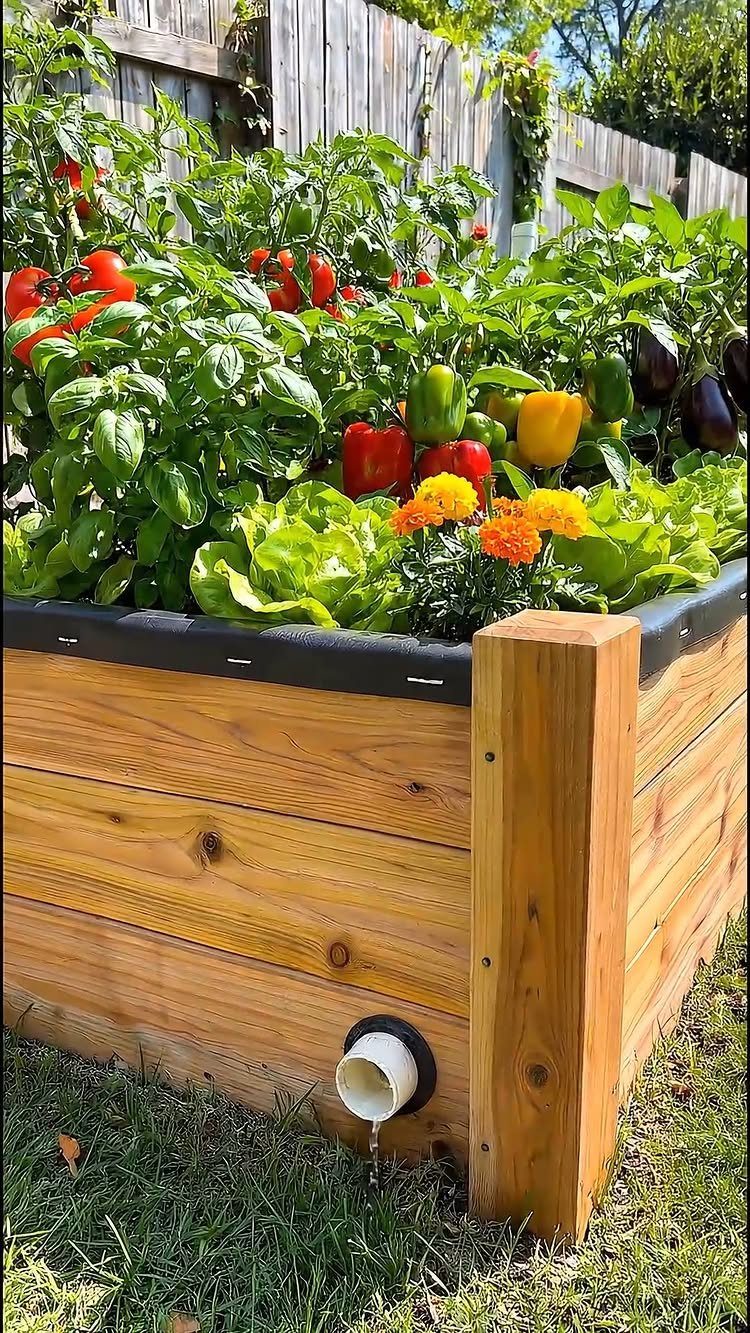
Raised beds fix the waterlogged clay that kills tomatoes in my part of the state.
The elevation gives roots air space that flat ground denies them, and a perforated drain pipe laid at the base before filling carries off the excess.
I ran PVC pipe along the bottom of one bed, sloped toward daylight, and stopped losing peppers to root rot within a season. The pipe was cheap; the bed itself was the same cedar box I would have built anyway.
Without that outlet, you are still banking on the height alone, which helps but does not solve heavy soil after a week of rain.
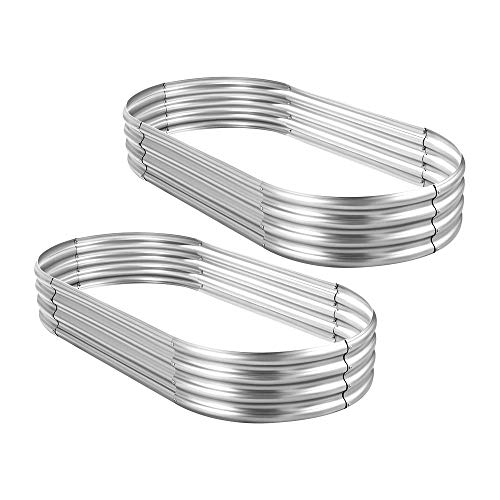
Each raised metal garden bed size: 4×2×1ft , 7Cu

4X2X1FT GROWING SPACE: This oval raised garden bed measures 4 x 2 x 1 ft, providing 7+ cu. ft. of organized growing space for vegetables, herbs, flowers, strawberries and selected root crops. Its compact footprint fits naturally into backyards, lawns and small outdoor gardens while keeping plants easy to reach and maintain.

Size: 60×29×11 in, 68 gallons of soil required.
3. Easy Raised Beds
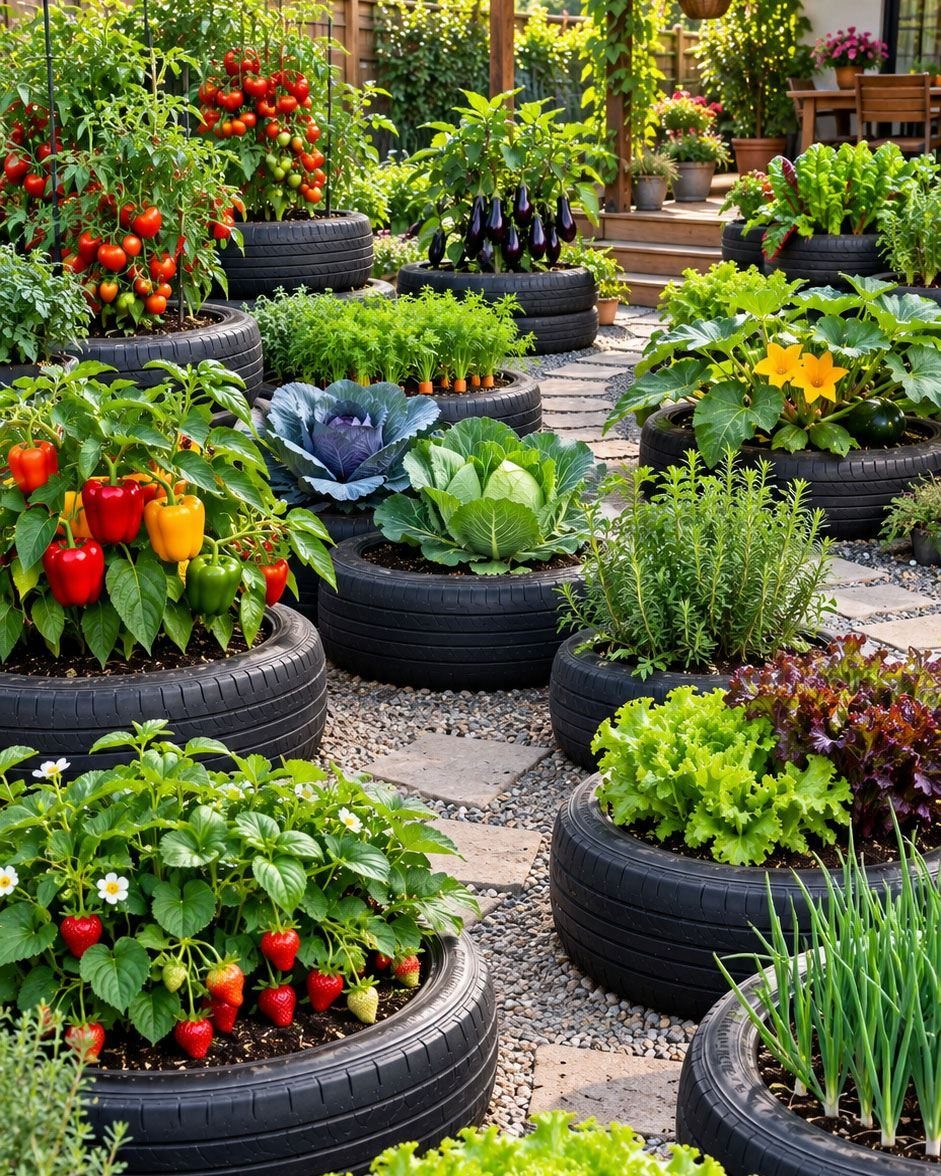
You can stack tires, or start with just a fork, a spade, and a patch of lawn you stop walking on.
John Jeavons’ biointensive method calls for double-digging a 5′ wide strip, loosening earth two spade-depths deep, then never compacting it again with your feet.
No border, no lumber, no budget spent. The work takes an afternoon of real sweat, and the bed stays fluffy enough for carrots a year later.
Tires save the digging and cost nothing if you know a shop that will let you haul them away; the rubber warms early but leaves you explaining your yard to the neighbors.

Pipe unfolds and expands from 2 to 25-feet

HELPS PREVENT YARD FLOODING Designed to improve drainage and help reduce standing water around foundations, patios, flower beds, retaining walls, and landscaping

RELEASE WATER AWAY FROM PROPERTY: Capture water upstream and carry it away from structures and poor drainage areas to discharge with the pop-up emitter positioned downstream
4. Cinder Block Beds
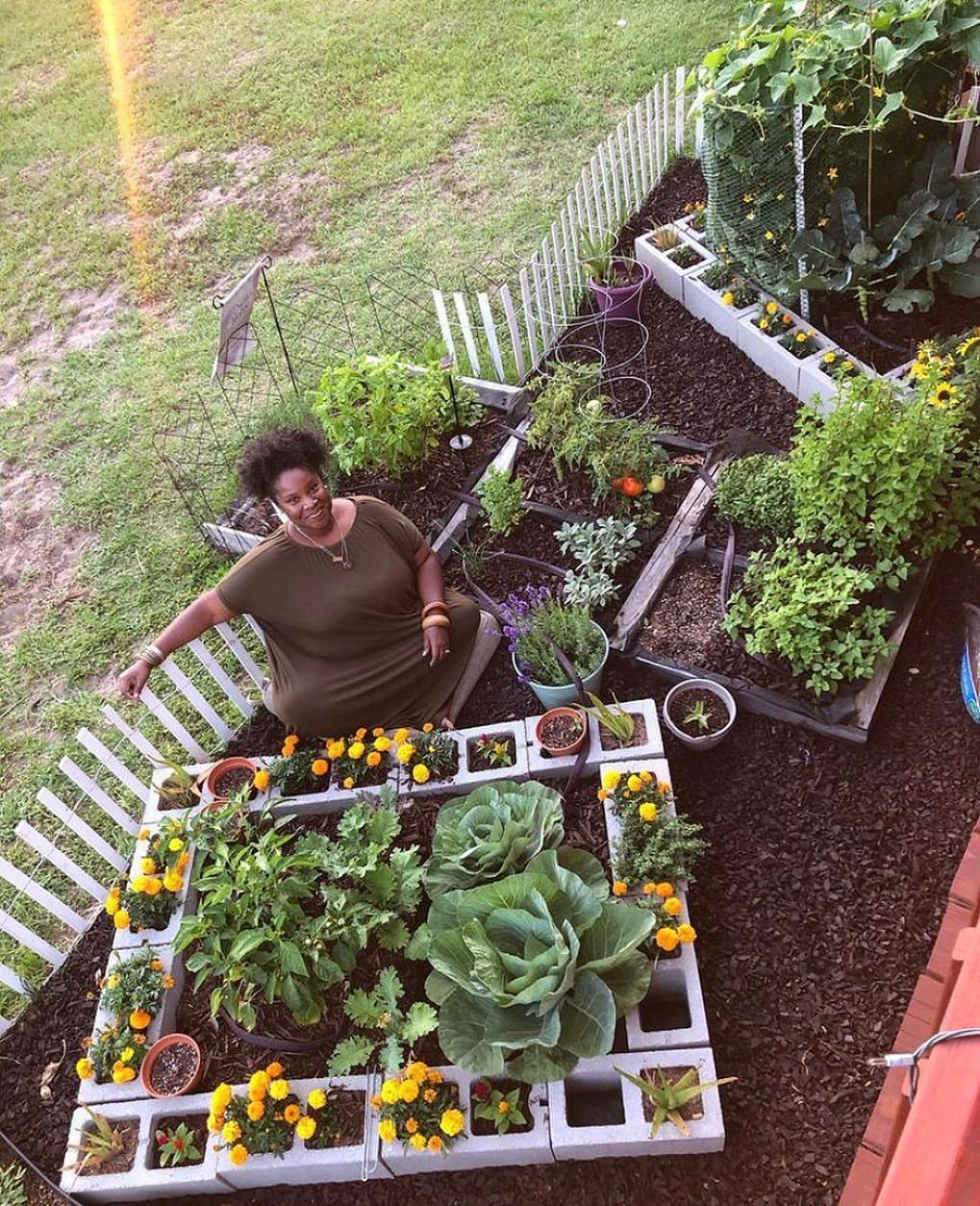
Cinder blocks will outlast any wood I have tried, including the cedar that rotted at the corners after 8 wet seasons.
The hollow cores fill with soil and sprout their own herbs; thyme or creeping oregano cascading from the holes turns the wall into something alive.
Stacked dry, without mortar, a 4′ by 8′ bed takes standard blocks that cost a couple dollars each at most home centers.
The look is industrial; faced with rough-sawn cedar scraps screwed to the block faces, it softens to something closer to a cottage garden.
That added more time and a small extra cost to the build. The blocks hold heat, which helps in spring and hurts in July.

More suitable raised garden bed size and Volume:67"L x 20"W x10"H, 7 Cu. Ft. You can cultivate plants, like vegetables, flowers, herbs in your patio, yard, garden, and greenhouse.

ULTIMATE PRACTICALITY: The planter box measures 96"(L) x 24"(W) x 12"(H), has a huge capacity, any plants and flowers you want to grow can be planted, happiness is overflowing.
5. Stone Raised Garden Beds
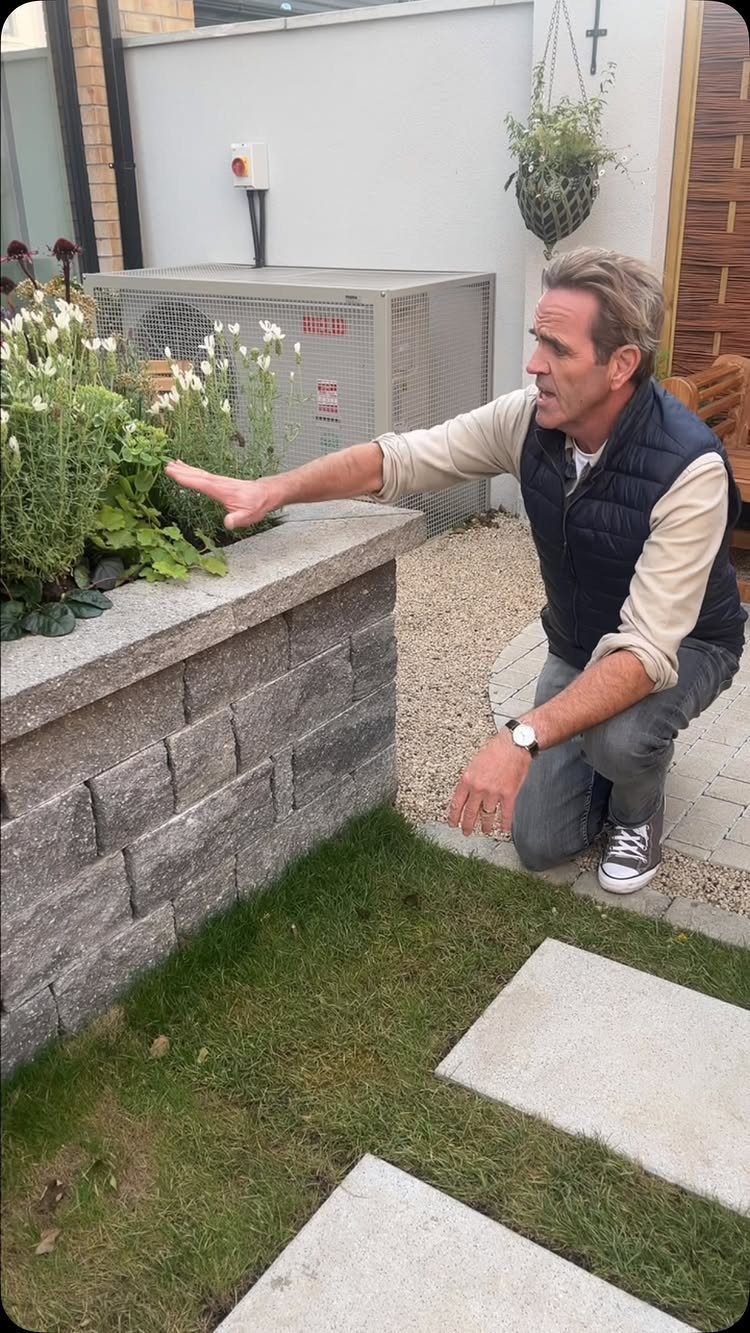
Fieldstone beds suit a yard that already has gravel paths and some slope to work with.
Grey limestone can be laid dry, no mortar, which means frost heave shifts a stone or two every spring and you reset them when the ground thaws.
The weight is the real cost.
My neighbor hired a mini-excavator for the back 3 beds and still spent his weekends fitting the face stones by hand. Start with one bed to learn whether your knees and your patience match the material.

Raised Garden Bed - Add a new level of convenience to your gardening experience with the Galvanized Raised Garden Bed. Enjoy expanded yield and a more assembled garden layout with this garden accessory, each sized at 120 cm X 60 cm x 30 cm.

Pack of 2 Raised Garden Bed- Add a new level of convenience to your gardening experience with the Galvanized Raised Garden Bed. Enjoy expanded yield and a more assembled garden layout with this garden accessory, each sized at 48 Inches x 24 Inches x 12 Inches.
6. Greenhouse Covered Raised Bed
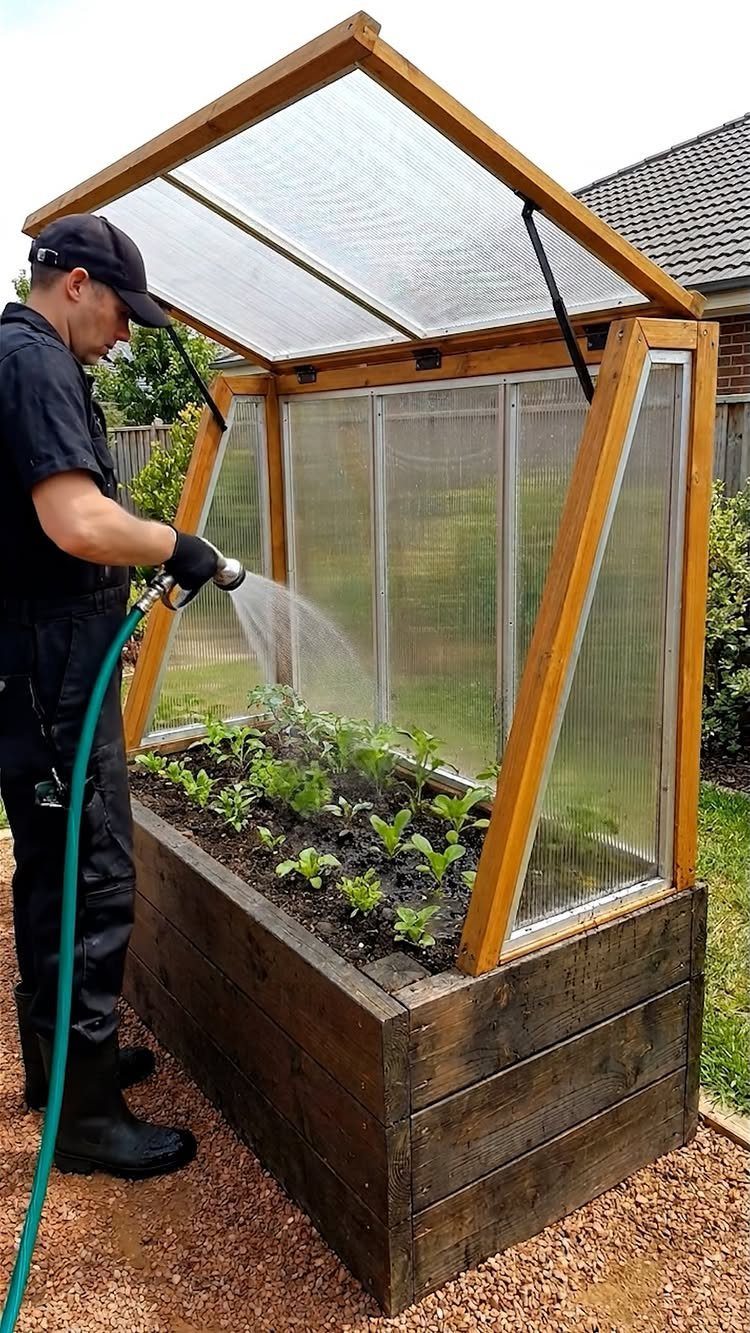
The hinged polycarbonate top turns a single raised bed into a cold frame that lettuce can survive March in.
I priced the hardware for a lid that size at $45 for the polycarbonate sheet and another $20 for galvanized hinges and a prop stick. The wood frame must match your existing bed exactly or the hinge alignment fails.
The cover also traps heat in May; mine came off entirely by the second week of that month or the spinach bolted early. One bed is enough to learn whether your timing justifies the expense.

DIMENSIONS: 48 in. W x 48 in. D x 29. 12.6 in. H

Winter gardening and raised bed gardening
7. Corrugated Metal Raised Beds
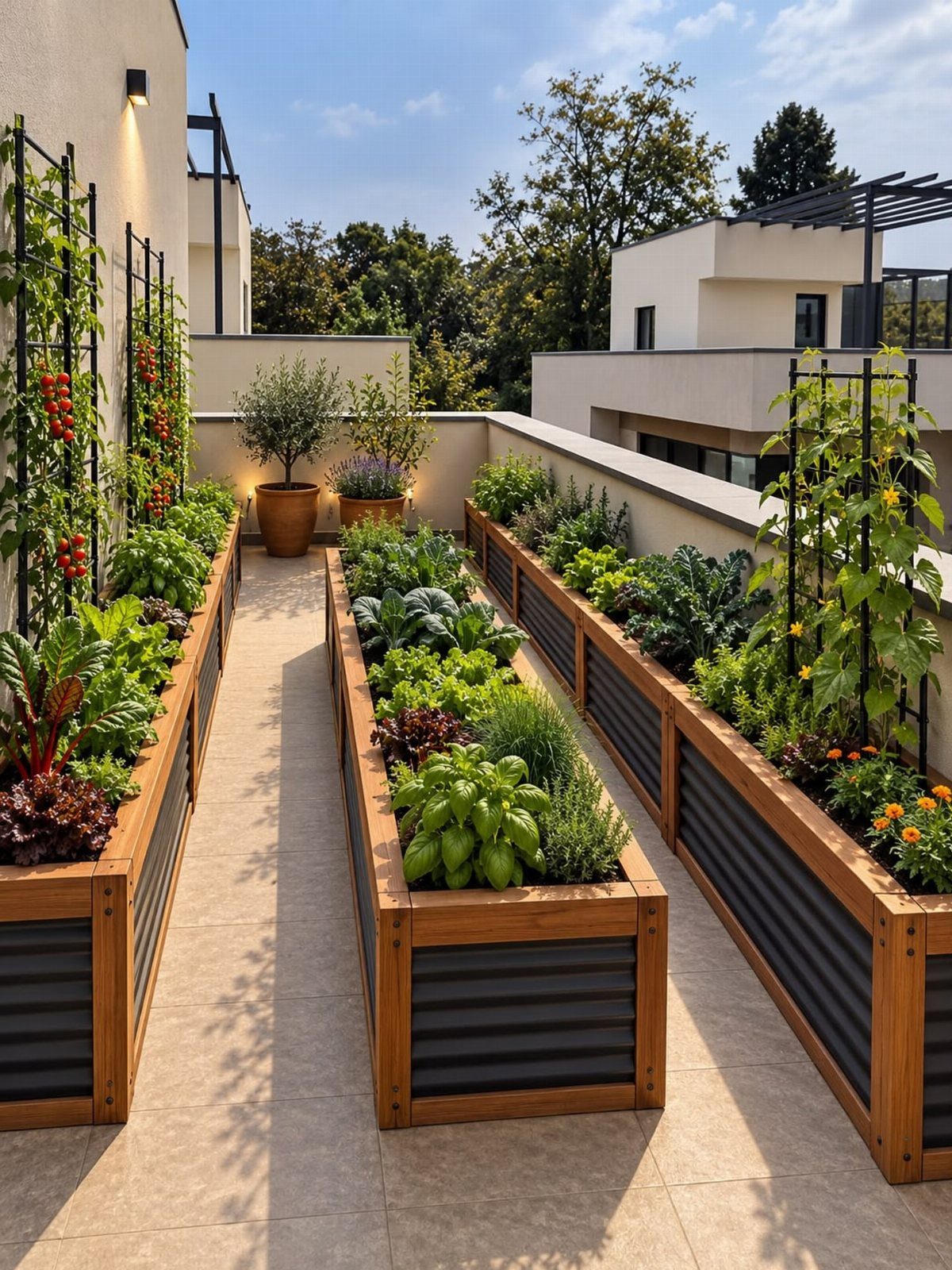
Corrugated metal panels give a raised bed clean edges on gravel terraces and rooftops where wood frames alone look unfinished.
The wave structure in galvanized steel adds rigidity without weight; a panel 83 inches long and 35.5 inches wide creates 17.83 cubic feet of planting space.
I would build the frame from cedar 2×4 corners and a top cap you can sit on, since the metal edge alone cuts soil bags and shins.
The panel will outlast the wood, so bolt it rather than screw it for replacement later.
Painted dark, the steel absorbs enough heat to warm early crops; in Texas or New Mexico, that same trait calls for afternoon shade cloth or a light-colored finish instead.

MOBILE GARDEN ON WHEELS — Two all-terrain wheels and an ergonomic handle let you roll a 200+ lb planted bed wherever sunlight goes. Move your garden across patio, balcony, or backyard in minutes.

Compatible Size: This atrium drain grate cover is specifically engineered for 4-inch round drainage pipes and fittings. Its precision-molded dimensions ensure a snug fit on the pipe top, providing a secure and reliable connection without slipping

LARGE PLANTING SPACE: 8.4 cubic feet of space can support your choice of flowers, succulents, vegetables, and more
8. Protective Mesh Enclosure Beds
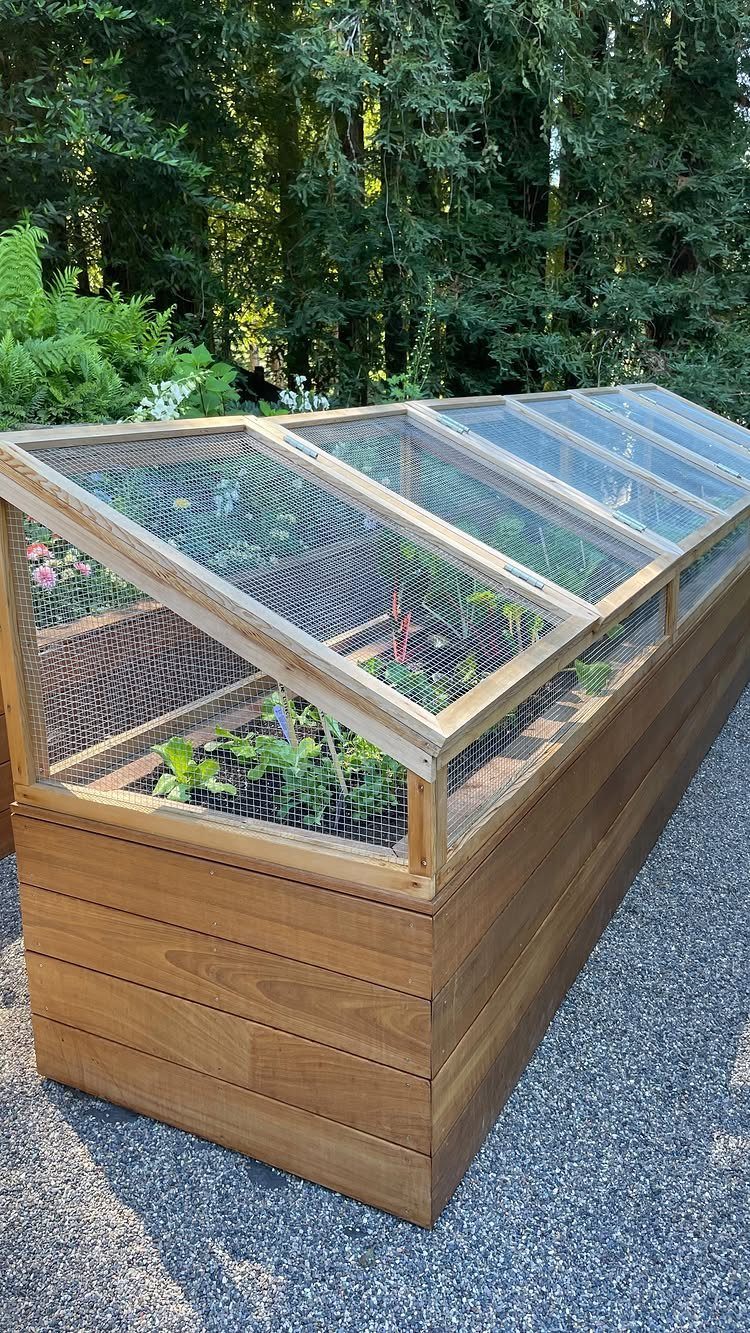
A hinged wire mesh cover turns a standard wooden bed into a cage that groundhogs and cabbage moths cannot breach.
Stained lumber frames work best angled to shed rain, with the mesh stapled to the inside so the edges do not snag gloves or hose nozzles.
Check whether the hinge side is tall enough for your tomatoes at midsummer; if the cover stays low, you are planting lettuce and spinach or nothing at all.
The prop stick needs a metal catch, not wood alone, or a wind gust will slam it on your fingers.
I would sink hardware cloth below the bed rim to block tunneling from below, since rabbits dig when they cannot push through.
Benefits of Raised Beds
Accessibility depends on height. A 12-inch bed edges toward easier kneeling; 24 inches or more suits seated gardening, but that much fill gets expensive fast.
Pest control in the list turns on physical barriers: wire mesh covers keep groundhogs and cabbage moths out, hardware cloth below stops tunneling rabbits.
Soil quality, meanwhile, is mostly what you put in. A new bed gets trucked compost and topsoil; over years, you add your own.
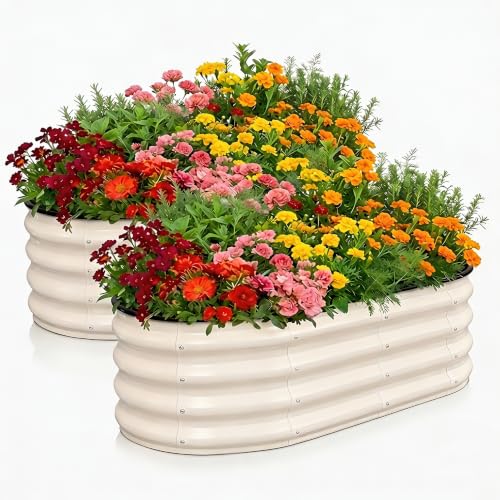
【Raised Garden Beds Outdoor】: GRASQUILINE’s galvanized raised garden bed features enhanced rust and corrosion resistance, ensuring years of durable use even in harsh...
Materials for Raised Beds
Cinder blocks survive seasons that turn cedar to rot. Materials like stone or brick for raised beds add time and cost compared to simpler options.
Corrugated metal panels need a wooden frame anyway, with a top cap worth sitting on.
The catch is the sweat, and the need to never step on it after.
Assembly Tips
Without those tools, the kit saves you buying them.
Mortar is optional for cinder block and for fieldstone laid dry, though frost heave will shift unmortared stone each spring. Blocks stacked dry go faster; stones take hand-fitting either way.
Match the wood frame of a greenhouse lid exactly to the bed below, or hinge alignment fails and the stick prop will not hold.
Hardware cloth across the bottom of the bed, buried a few inches down, stops voles from tunneling up into the soil from below.
Frequently Asked Questions
What is the cheapest way to make raised garden beds?
The cheapest method is double-digging a 5-foot wide strip with a fork and spade, then staying off it forever so the soil stays fluffy.
John Jeavons’ biointensive method costs nothing in materials and leaves carrots happy a year later. Tires work too if a shop lets you haul them away, though neighbors may ask questions.
What should you put in the bottom of a raised garden bed?
A perforated PVC drain pipe at the base carries off excess water from heavy soil. Without that outlet, height alone still won’t save your plants from waterlogged clay after a week of rain.
What vegetables don’t do well in raised beds?
Root rot from poor drainage hits tomatoes and peppers hard before the bed is fixed. In shallow beds, you are limited to lettuce and spinach under a low mesh cover; a short prop stick leaves no room for midsummer tomatoes.
Deep-rooted crops need the full depth you built, so a 12-inch minimum matters for more than just kneeling comfort.