These 8 ideas run from free branch piles to cedar-framed beds with hinged covers, and the one that fits your yard depends on whether you are working flat ground, a slope, or a tight corner you would rather tend than mow.
[link-whisper-related-posts]1. Rectangular Raised Beds
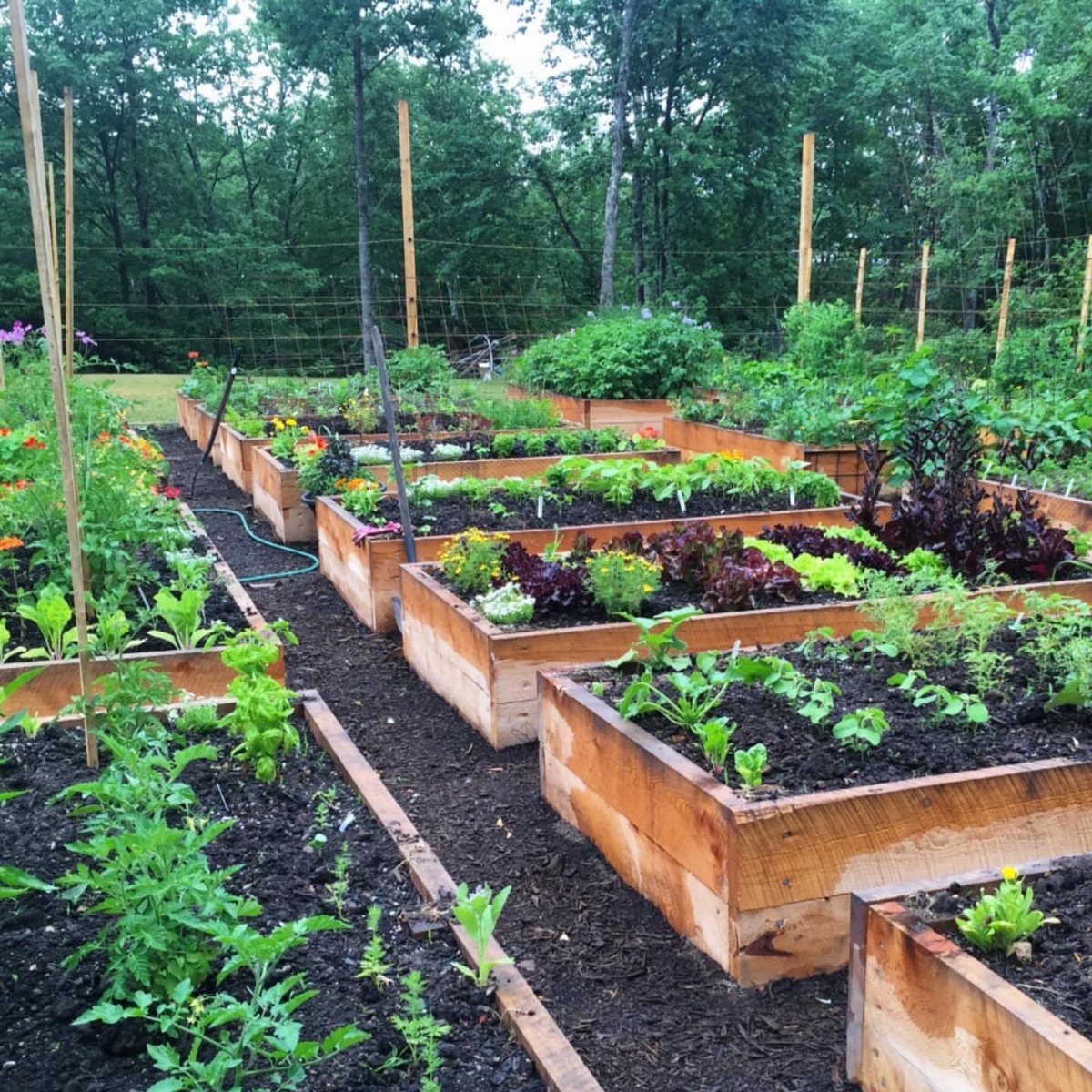
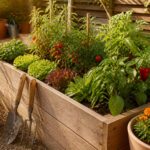
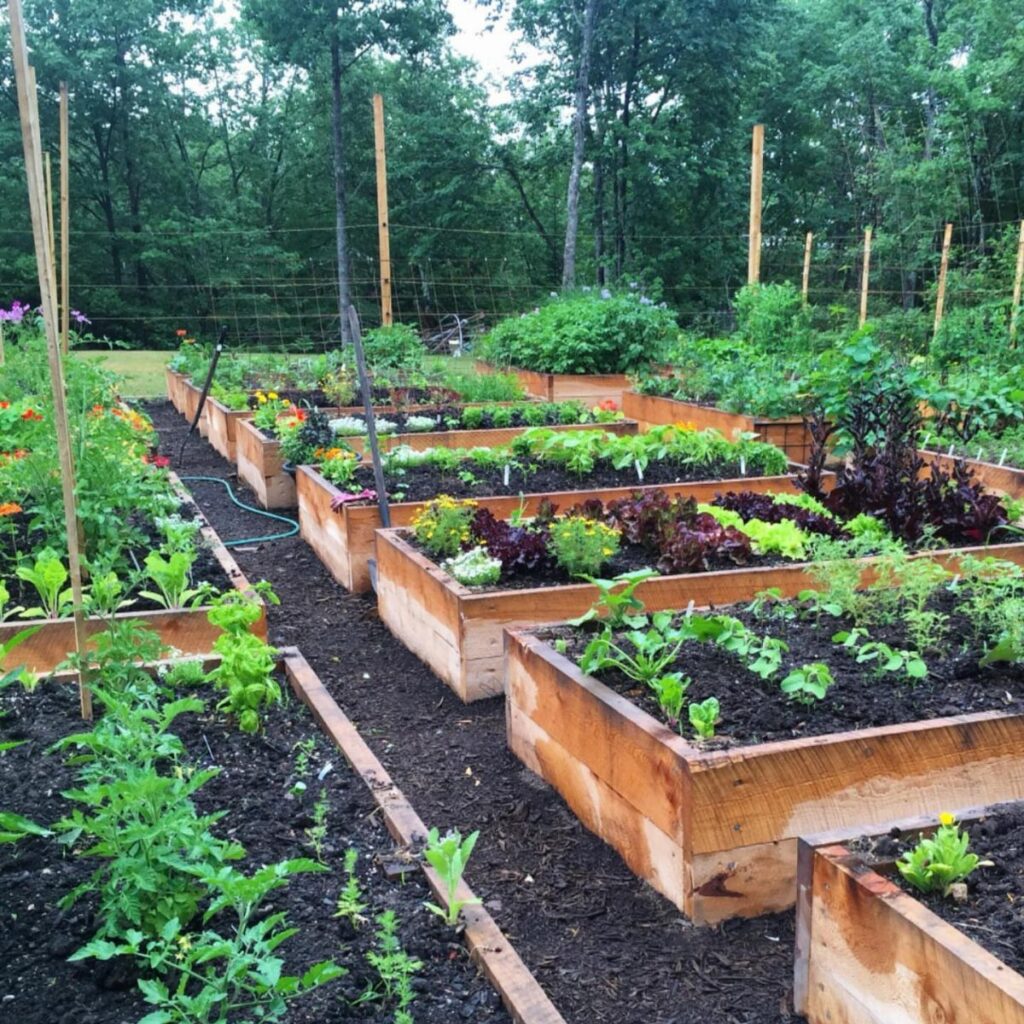
Neat rows of 4-foot-wide wooden boxes let you reach the center from either side without stepping into soil. That width is the standard for a reason: your arm span, not your ambition, sets the limit.
I built my first beds at 8 feet long and watched the corners sag inside a season. Soil expands more than you would think; metal strapping across the outside boards keeps the bowing in check better than screws alone.
Pocket screws look clean, but they are not the move for anything over 12 inches high, where outward pressure really starts to matter.
For access, place a 2-foot path down the middle if you are running beds longer than you can walk around. Gravel holds up; mulch darkens and disappears into the mud by August.
Bed Layout: In a 30×50 foot fenced area, you can fit six to eight beds, depending on spacing. Arrange beds with 2-3 foot wide paths between the beds for comfortable walking, wheelbarrow access, and general maintenance.

Elevate Your Garden - Opt for a brilliantly engineered raised garden bed to revolutionize your gardening. Its spacious design, measuring 48x24x30 inches, allows for the cultivation of multiple vegetable varieties alongside a plethora of herbs, optimizing your gardening space for ease and diversity.

Multifunctional Design: This garden planter is separated into two growing areas for different plants or planting methods. The baffle can be removed to form a bigger growing area.

Temperature-Activated Lid: Innovative hinge with heat-sensitive wax automatically opens lid when temperatures exceed 70℉ and closes as it cools with no electricity needed
2. 12-18 Inches High Raised Beds
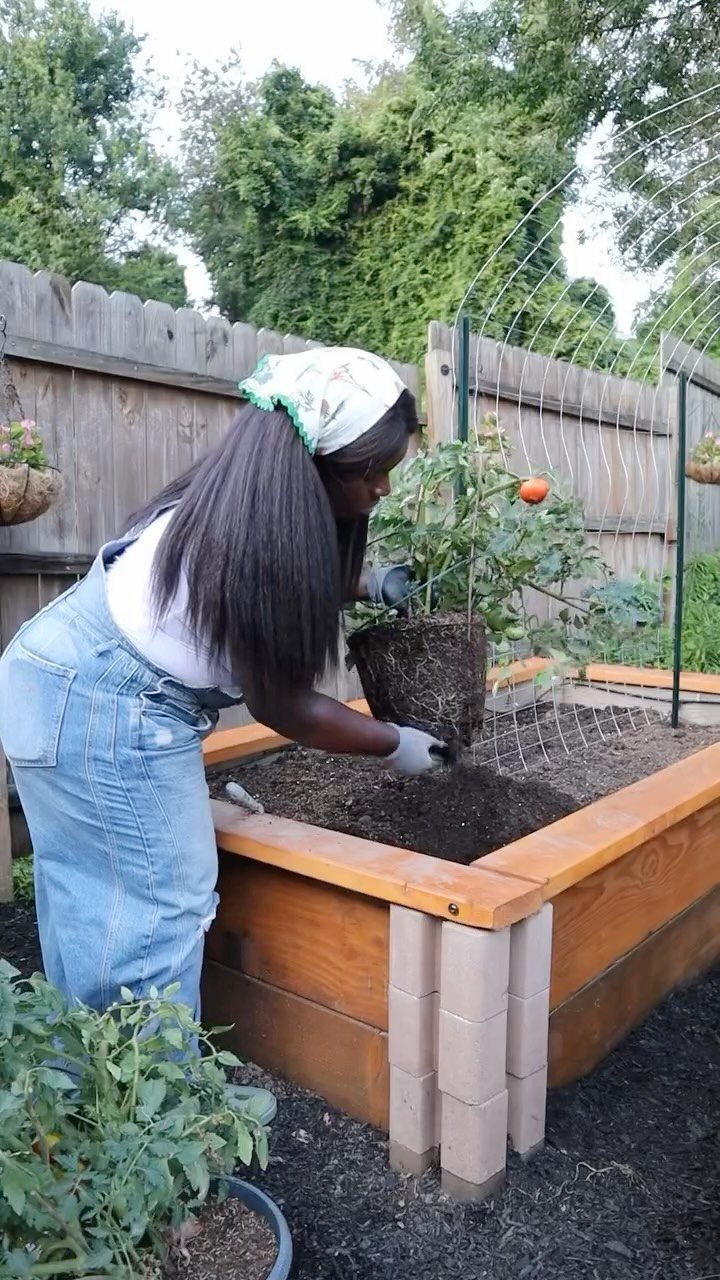
A 12-inch height handles most vegetables and saves your back at half the lumber cost of going to 24. I have planted tomatoes in 12-inch beds for years; the roots find what they need below the box line.
Eighteen inches is where I would stop for root crops like carrots that actually need the depth, or if your soil drains poorly and the extra space buys you a drier root zone.
Cedar lasts longest in contact with damp soil; pine at this height will need replacing sooner.

Durable Construction: The 3FT diameter round galvanized garden raised bed is made with strong galvanized steel material with crimped edge and corner,no sharpe, ensuring safely using it and long-lasting durability and resistance to rust

Safe Folding Edge & Reinforced Design: The raised garden bed features a foldable edge with upgraded built-in iron clip to prevent injuries and ensure secure assembly. The robust structure resists deformation under sunlight, offering enhanced safety for children and pets while maintaining long-term stability

Durable Construction: The 4FT diameter round galvanized garden raised bed is made with strong galvanized steel material with crimped edge and corner,no sharpe, ensuring safely using it and long-lasting durability and resistance to rust
3. Pathways Between Beds
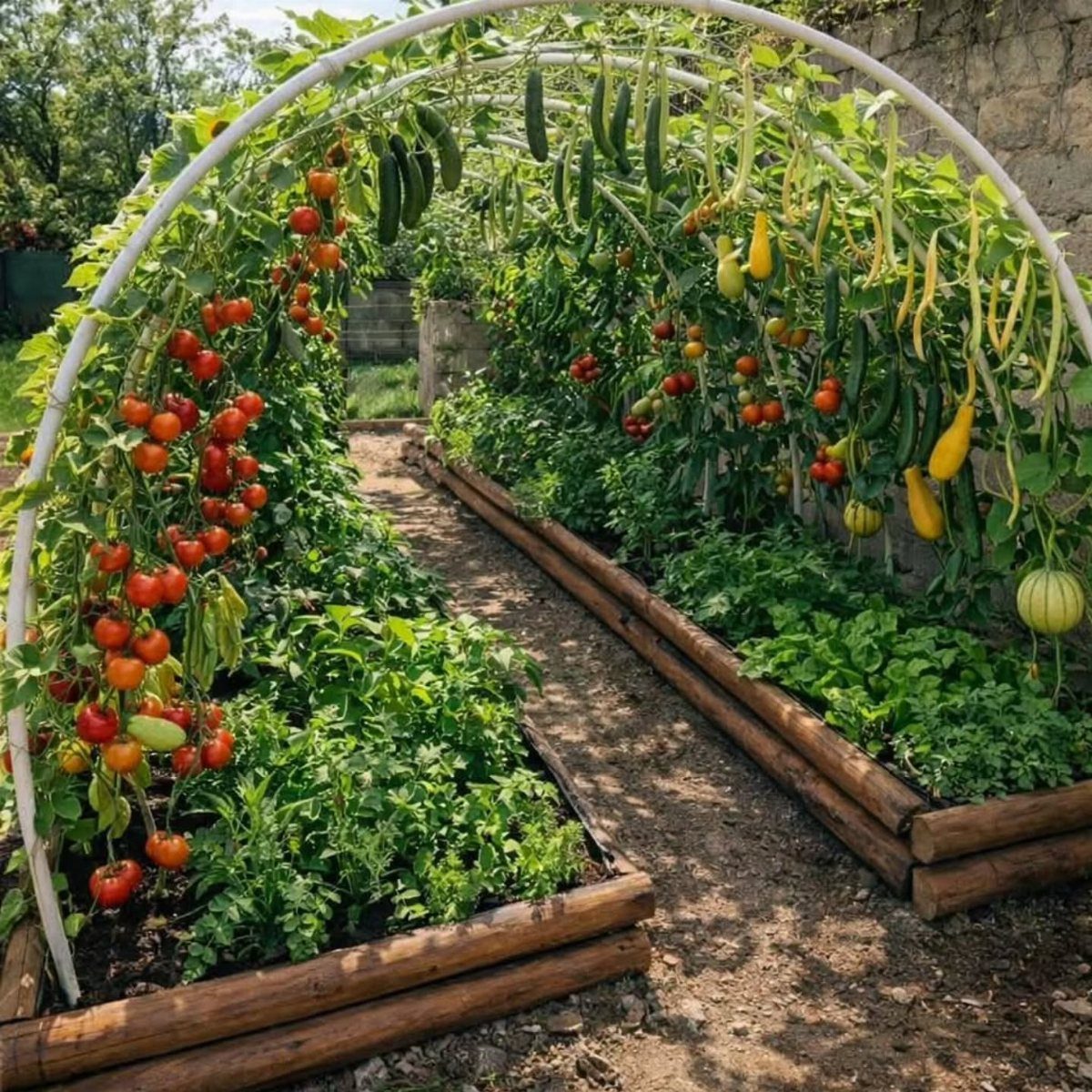
The path carries the harvest. At 2 feet wide you can shuffle through with a basket; at 3 feet, a wheelbarrow turns without scraping your squash.
I started too narrow once and regretted it by June when the tomatoes overhung and the hose snagged on every trip through.
A trellis tunnel between beds lets indeterminate tomatoes and cucumber vines hang above head height instead of sprawling across your walking space. The fruit stays clean, and you stop ducking.

The banding strapping kit include 1*Strapping Tensioner,1*Strapping Sealer, 1/2'' x 3200" Polypropylene(PP) Strapping Roll,100pcs metal seals.

Metal Strapping Tools Kit: Includes 1 feedwheel steel strapping tensioner, 1 double-notched front-action crimper & sealer, and 1 strapping cutter. Made of high-hardness steel, featuring high hardness, strong toughness, and high-temperature resistance
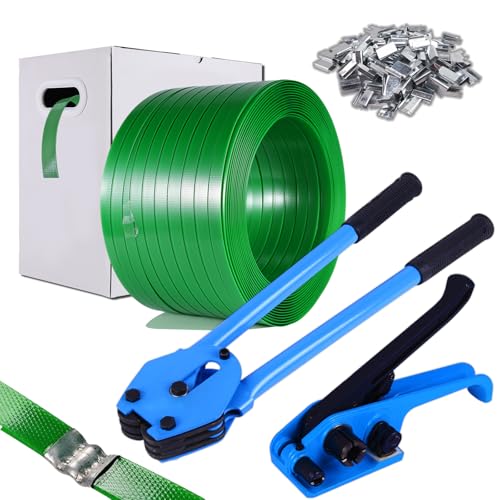
Complete Packaging Kit – This Strapping Banding Kit includes everything needed for efficient and secure strapping: a 1000ft 5/8" PET strapping roll, 100 steel seals, a heavy-duty manual sealer, and a professional-grade ratchet tensioner. This all-in-one kit is the perfect choice for banding and securing bulky items during transportation.
4. Contoured Beds
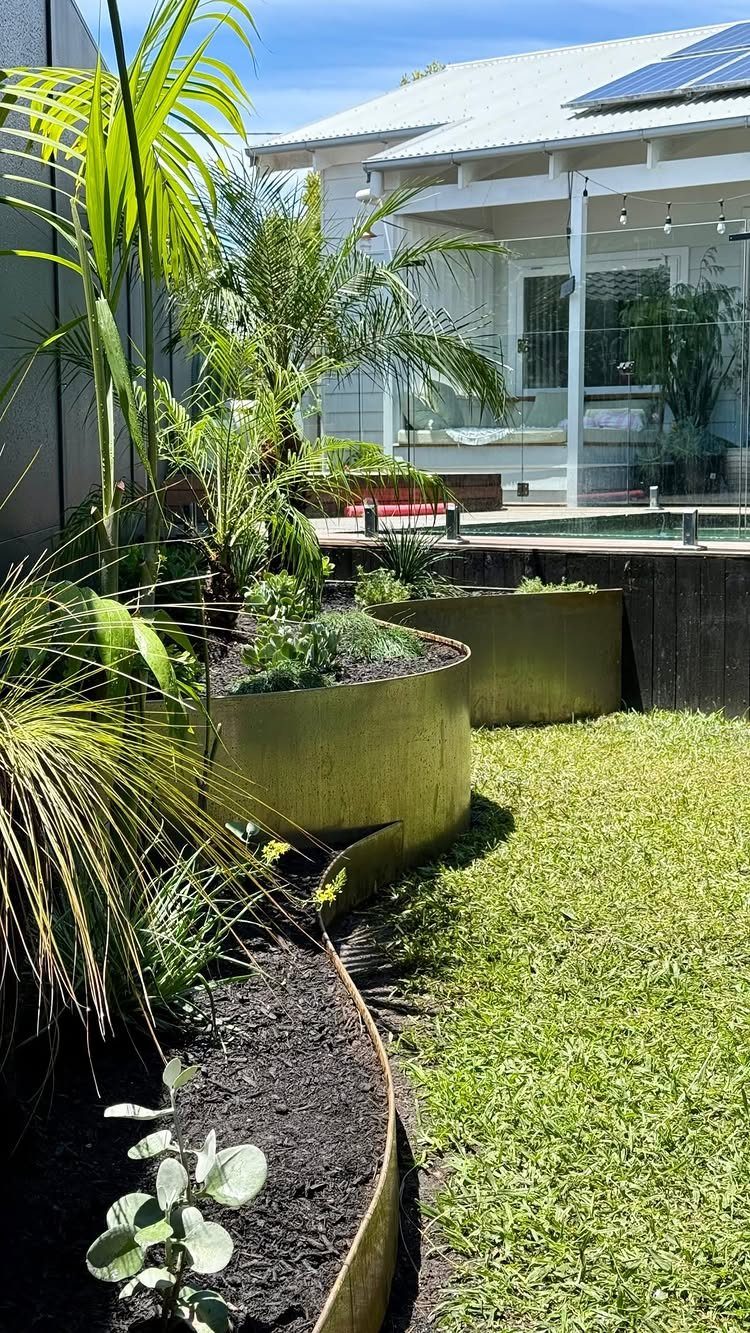
Sloped ground wants a different shape than flat.
Following the land’s contour with curved or stepped edges slows runoff and catches water where roots can use it, instead of letting it pour off the downhill side and take soil with it.
Brass-toned metal edging bends to follow the line you cut; wood fights you at every radius. On a slope, contour beds slow runoff so much that erosion drops to almost nothing even after hard rain.
The trade is more cutting and more pieces; this is not a Saturday project if your slope changes more than a foot across the bed length.
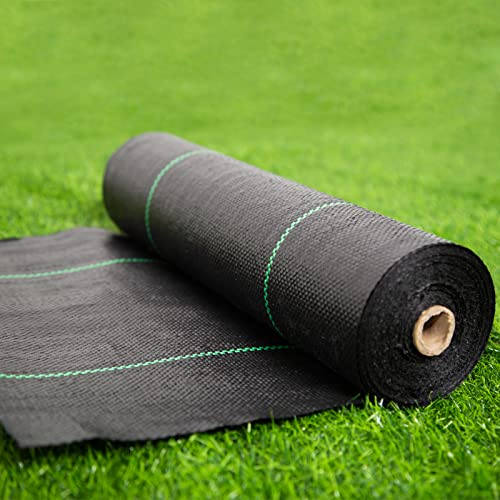
【Premium Weed Barrier Fabric】 Made of thick polypropylene woven fabric, this heavy duty weed barrier fabric is durable and helps keep your garden and flower beds free of weeds for long-term use.

Multifunction: The felt mulch pathway is mainly used for landscaping and gardening, which can be used as a decorative addition to your outdoor garden and as a weed barrier to help you reduce yard work.

SIZE: kindder raised garden bed measure is 48"L x 24"W x 22"H. This planter box provide ample growing space to raise vegetables, flowers and plants.
5. Circular Labyrinth Raised Bed Layout
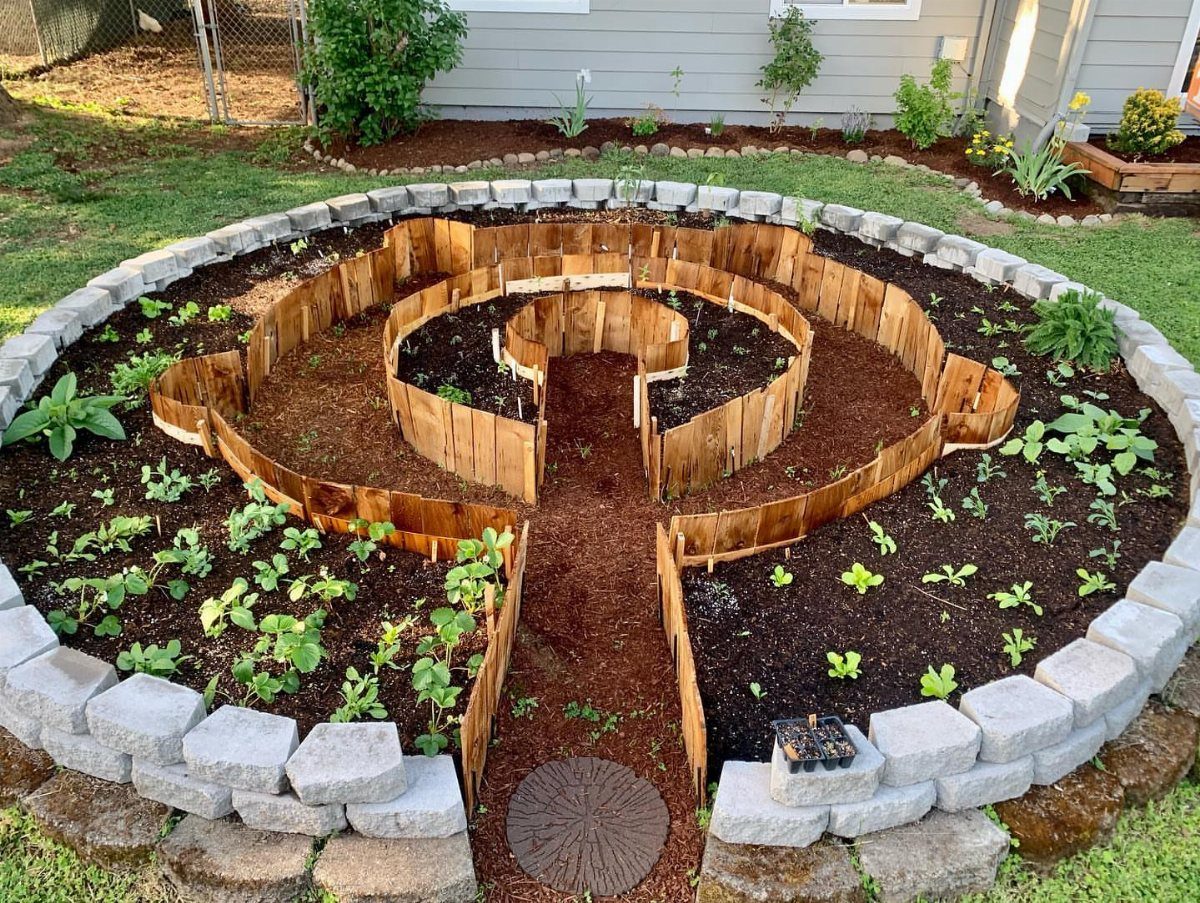
A labyrinth of concentric curved walls turns walking and weeding into the same path. The design suits a flat central space, a lawn corner, or anywhere you would otherwise mow what you do not grow.
The curves are harder to cut and harder to seal at joints than straight boxes; cedar or a rot-resistant composite pays back the extra labor.
Check your radius before you buy lumber: a 4-foot inner ring and 18-inch-wide paths let two people pass without brushing shoulders, and that spacing is cramped enough.

LARGE PLANTING SPACE: 8.4 cubic feet of space can support your choice of flowers, succulents, vegetables, and more

SCALLOPED EDGE DESIGN: Decorative scalloped edge adds charm to your outdoor space, featuring a Best Choice Products exclusive design that enhances your garden, patio, or balcony with a stylish raised planter display

SCALLOPED EDGE DESIGN: Decorative scalloped edge adds charm to your outdoor space, featuring a Best Choice Products exclusive design that enhances your garden, patio, or balcony with a stylish raised planter display
6. Raised Beds with Built-in Covers
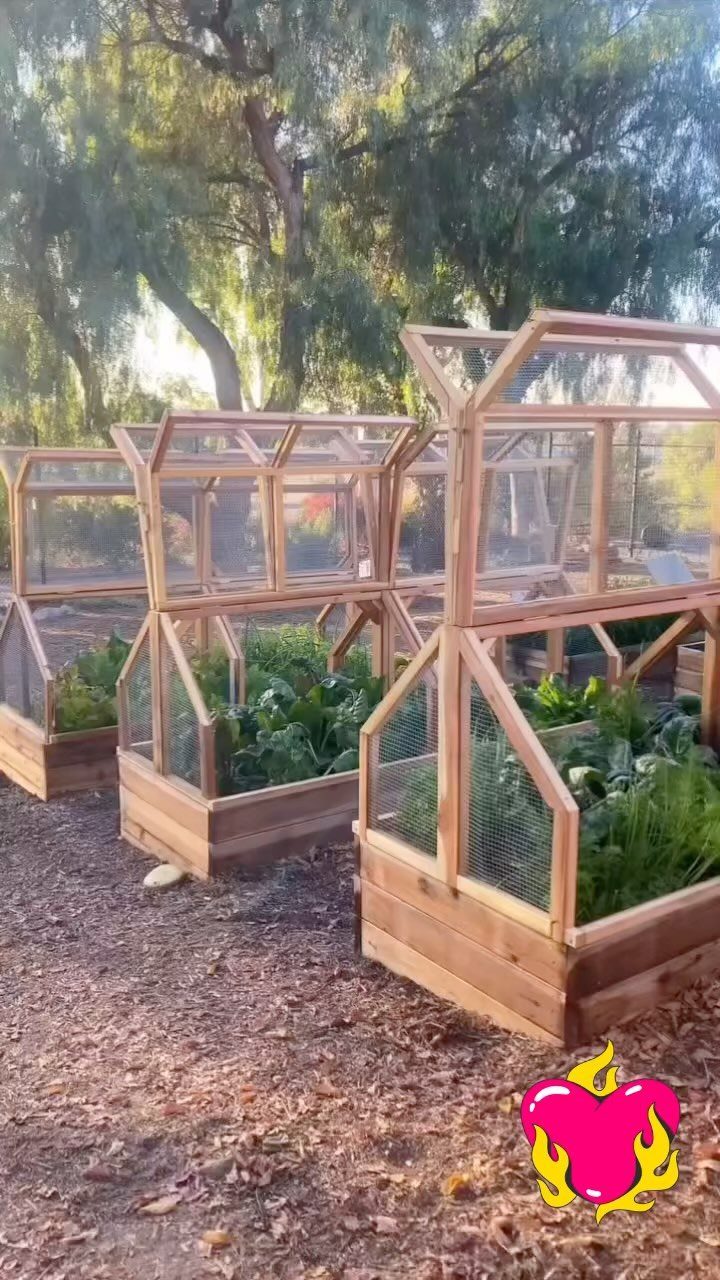
Hinged covers turn a raised bed into a cold frame or pest screen without the work of building both. Wire mesh and glass panels propped over raised beds, then closed, keep rabbits, deer, and early frost off the same plants.
The hinge point matters. Too low and the open cover blocks your reach from the near side; too high and wind catches it like a sail.
I would mount at bed wall height or just above, with a prop stick that locks in place so you are not holding glass with one hand while you harvest with the other.

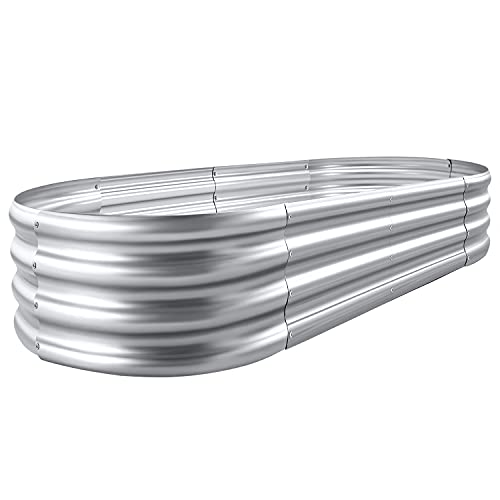
Each raised metal garden bed size: 4×2×1ft ,7.14Cu

Solid Fir Wood: The raised garden bed is made of non-painted fir wood, known for its strength and stability. The thick solid boards are polished with smooth surfaces and no burrs or wood splinters
7. Raised Beds with Vertical Trellises
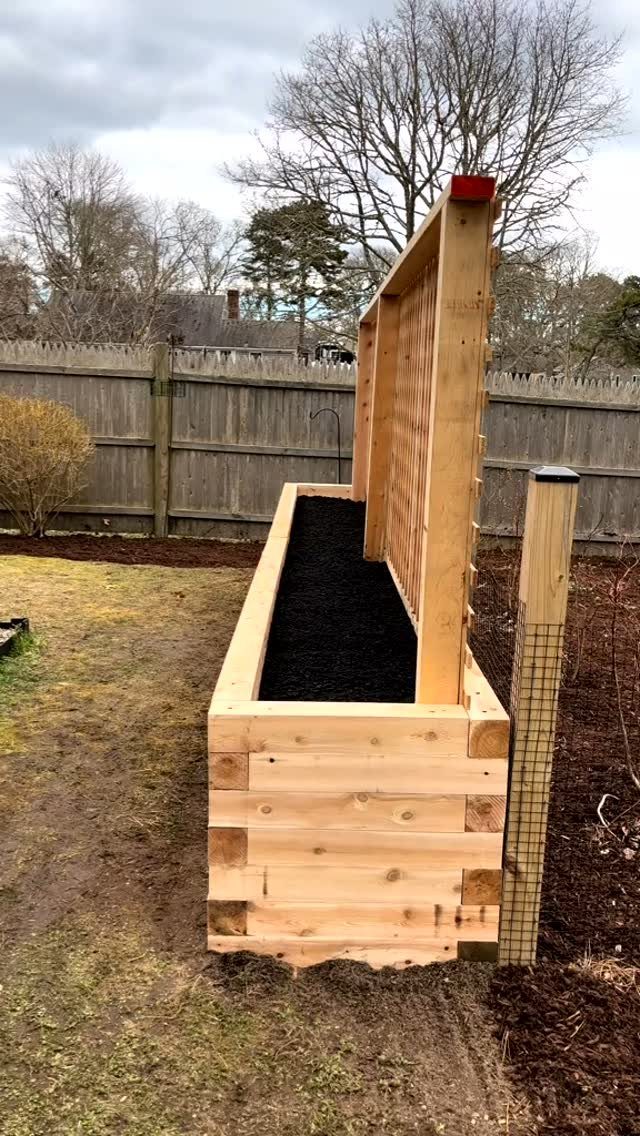
A vertical trellis built into the back wall of a raised bed keeps cucumbers, pole beans, and indeterminate tomatoes off the soil and out of your walking paths.
A trellis frame that rises well above head height lets vines climb to their full span before they tangle at the top.
The depth of the bed front to back matters here.
A shallow bed leaves almost no room for the root zone once the trellis rail and soil settle; extra depth is the practical minimum if you want healthy plants and a harvest you can still reach.
Set the trellis posts inside the box walls, not bolted to the back face, or the outward pull of mature vines will torque the whole frame loose by August.

Safe Folding Edge & Reinforced Design: The raised garden bed features a foldable edge with upgraded built-in iron clip to prevent injuries and ensure secure assembly. The robust structure resists deformation under sunlight, offering enhanced safety for children and pets while maintaining long-term stability

Smart-Soil Efficiency: 12" height is ideal for herbs, lettuce, strawberries, and other shallow-root vegetables. Improves drainage, warms soil faster, and requires less soil to fill than deeper beds, helping reduce setup cost. Perfect for beginners and small garden setups

ULTIMATE PRACTICALITY: The planter box measures 96"(L) x 24"(W) x 12"(H), has a huge capacity, any plants and flowers you want to grow can be planted, happiness is overflowing.
8. Circular Rustic Branch Raised Bed
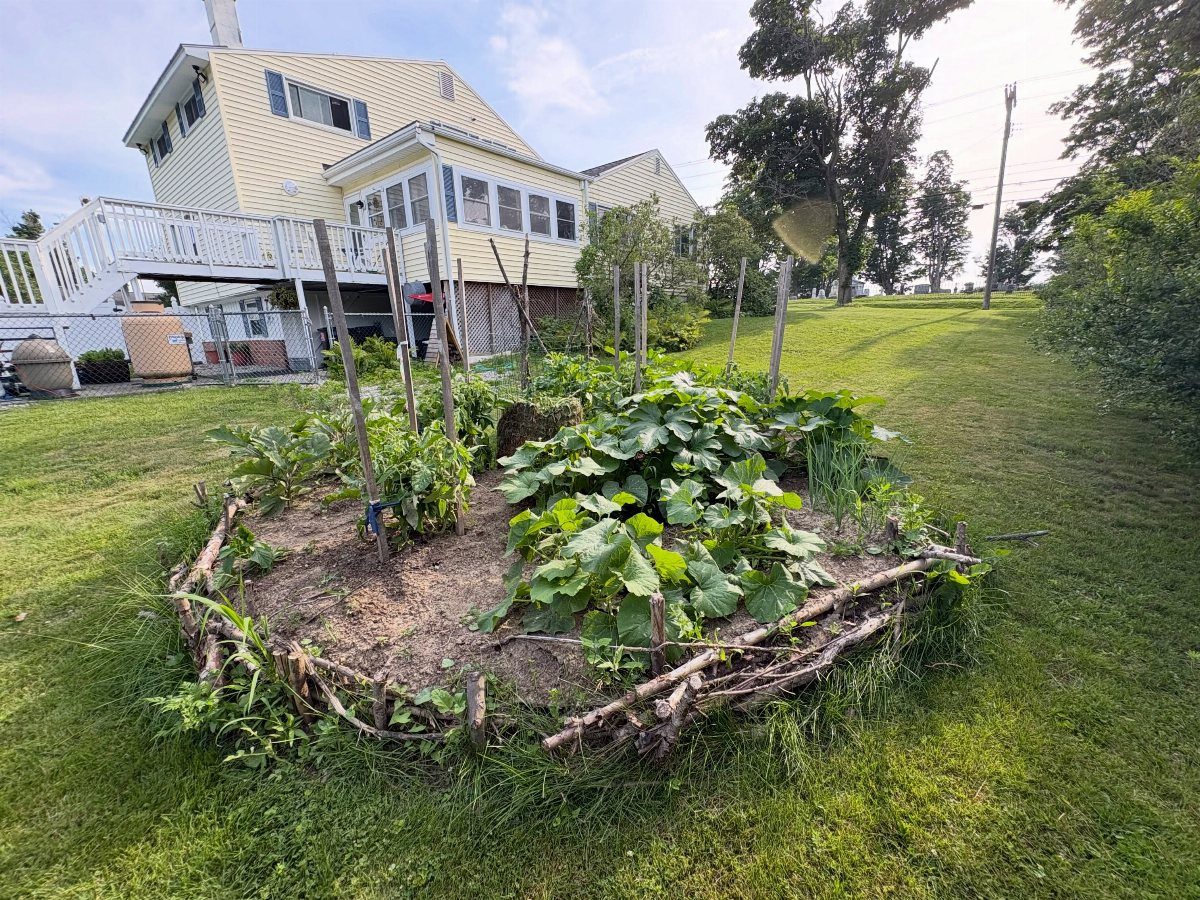
Branch-edged beds cost almost nothing in materials and more than you expect in time.
Each stick is a separate piece to cut, overlap, and stake; a branch ring of this size took me an afternoon where a board box the same size took under an hour.
Green wood from a spring pruning will shrink and loosen its stake grip by fall. Seasoned hardwood holds shape but fights your hands; wear gloves, or the bark strips under your palms before the ring is half built.

2-in-1 Ratchet Tensioner & Cutter: The steel strapping tensioner integrates tensioning and cutting functions, compatible with steel strapping of 3/4 in/19 mm. Featuring a rotary design, the serrated non-slip ratchet grips the strapping, enabling easy cutting

2-in-1 Ratchet Tensioner & Cutter: The steel strapping tensioner integrates tensioning and cutting functions, compatible with steel strapping of 3/4 in/19 mm. Featuring a rotary design, the serrated non-slip ratchet grips the strapping, enabling easy cutting
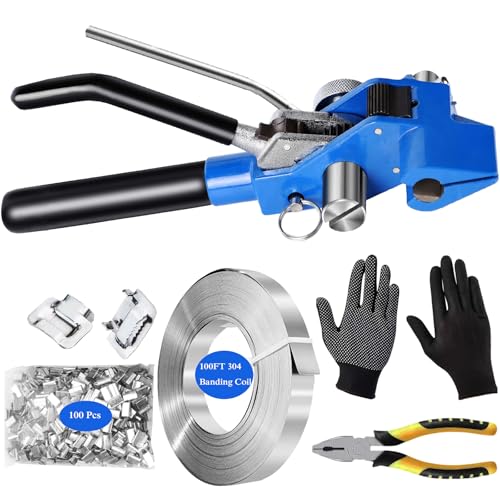
【Strapping Tensioner & Cutter Tool】The steel strapping tool is tensioner and cutter integrated tool,ratchet locking design, save labor and not easy to slipping out.Also cut the steel band easily and smoothly.
Weed Control Strategies
A layer of cardboard or several sheets of newspaper at the bottom of a new bed blocks most perennial weeds for a full season before it breaks down.
I lay it dry; wet paper tears when you move soil over it.
Over that, 2–4 inches of straw or shredded bark keeps annual seeds from finding light. Organic mulch needs topping off by mid-July in my beds; it settles and thin spots let crabgrass through.
Landscape fabric under paths is the practical choice where you are not planting, though I have pulled more than one strip from the edge of a bed where weeds rooted in the grit above it and made the fabric part of the problem.
Fabric inside the growing area itself fights roots and earthworms both; I would not use it there again after seeing what one season did to the soil structure.

【24'' Growing Depth】Measuring 48"(L) x 24"(W) x 24"(H), the metal raised garden bed holds 144 gallons of soil and provides extra large growing space for vegetables, fruits, flowers and other plants.
Optimal Bed Orientation
North-south alignment puts the same sun on both sides of a row for most of the day. Morning light hits the east face, afternoon the west, and neither row shadows its neighbor for more than an hour or two.
On flat ground with no buildings or trees to the east or west, this evens out growth so one side of a tomato plant does not outpace the other.
In practice my yard has a garage wall to the south; my beds there run east-west instead so the shadow falls on the path, not across half the box.
Check your own shade before you set the first corner post. A fence or house cuts off hours of light that no orientation fixes.

Generous Planting Space: Ample bed space provides your plants and vegetables with room to thrive, promoting healthy growth and robust yields.
Water Management
If your summer brings steady rain, that extra retention is welcome. If spring is muddy and August is dry, soil at the bottom of a deep bed can stay soggy enough to rot pea roots while the surface cracks.
Gravel or sand under the box frame helps where drainage is poor; a bed raised on legs or blocks does the same work with more air below.
I drilled 1/2-inch holes every foot through the base boards of one bed that sat on clay; the improvement was enough that I have done it since.
Drip line laid on the soil surface under mulch loses less to evaporation than spray over the top.
Crop Rotation Practices
Tomatoes, peppers, and eggplant share soil-borne blight; planting any of them where another grew last year invites the same brown spots by July. Brassicas follow brassicas poorly; clubroot lingers in soil for years and the roots twist into useless knots.
Rotating through vegetable families in sequence, nightshades to brassicas to legumes to roots or squash, lets the soil recover what each crop takes out.
My two 8-foot beds cannot hold that full cycle without splitting families; I group the onion and carrot bed together, tomatoes and peppers together, and move the groups each spring.
Keep a written record. By June the previous fall feels distant, and guessing wrong sets you back a full season with no chance to correct until next spring.
Frequently Asked Questions
What is the optimal layout for a raised bed garden?
Run beds north to south on open ground so both sides pick up the same sunlight through the day. The east wall gets morning light, the west wall afternoon, and the rows barely shadow each other.
Check your actual shade before setting corner posts; a garage wall or fence to one side can flip the logic, and in my yard I run east-west where a south wall would otherwise throw shadow across half the box.
Paths between beds need to be at least 2 feet for a basket shuffle, 3 feet if you want a wheelbarrow to turn.
What should you put in the bottom of a raised garden bed?
Cardboard or several sheets of newspaper laid dry blocks most perennial weeds for a full season before breaking down.
Landscape fabric inside the growing space works against you; weeds root in the grit above it while the fabric itself blocks earthworms and your own plants’ roots.
In heavy soil, gravel or sand under the frame helps, or lift the whole box on blocks or legs for airflow underneath.
What are some common mistakes people make when using raised garden beds?
Building beds too wide to reach the center from either side is the first one; 4 feet is the practical limit set by arm span, not ambition.
An 8-foot run needs metal strapping across the outside; without it, soil pressure pushes the corners loose no matter how tight your pocket screws.
Path widths under 2 feet sound tidy in March and feel like torture by June, with tomato branches and hose fights every trip through.
Planting tomatoes, peppers, or eggplant where any nightshade grew the year before invites the same soil-borne blight by July.