These ideas run from a fire pit you can build in an afternoon to a whole yard rebuilt in phases, and the right match depends on whether your space needs one quiet corner or a full outdoor living zone.
Start with the spot you already use most; in my notes the zones that worked best were the ones sketched around daily habits, not weekend aspirations.
A single adhesive hook run of LED filament bulbs on a fence line can prove the concept before any permit gets pulled.
[link-whisper-related-posts]1. DIY Fire Pit
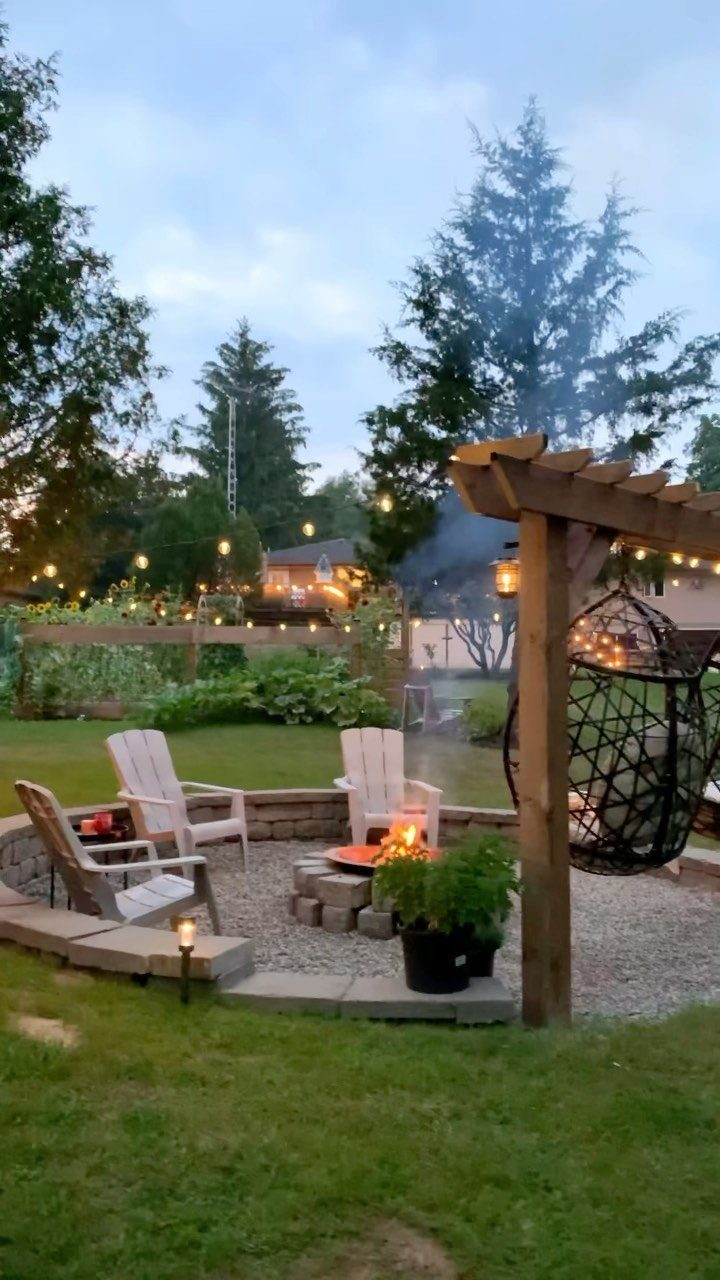
A fire pit turns any evening into something people stay for.
Concrete blocks or stacked stone do the job for a weekend build if you shop the home center lot and skip the pallet deliveries. Size it to leave room for chairs, since the warmth is only half the point.
For a deck or small patio where open flame is not an option, a planter filled with sand, rocks, and three tiki torch canisters gives the same gathering spot without the engineering.

Heat Resistant: This natural lava rocks stone resists extreme temperatures without chipping and remains heat resistant for long periods of time

SMOOTH TUMBLED FINISH, NOT JAGGED LAVA ROCK — Unlike traditional porous lava rock, these stones are hand-tumbled to create a smooth, rounded shape with no sharp edges. The result is a clean, modern look that complements contemporary gas fire pits, fire bowls, and gas log sets beautifully.

Multifunctional: improve flame performance by spreading the gas dispersion in all directions | base layer underneath fire glass or mixing with glass together| great in soil to retain moisture for plants | decorative landscape lava rock for garden, patio, ponds | covering the entire floor of a fire feature, effectively hiding the unseemly pipes and tubes.
2. Create Outdoor Living Zone
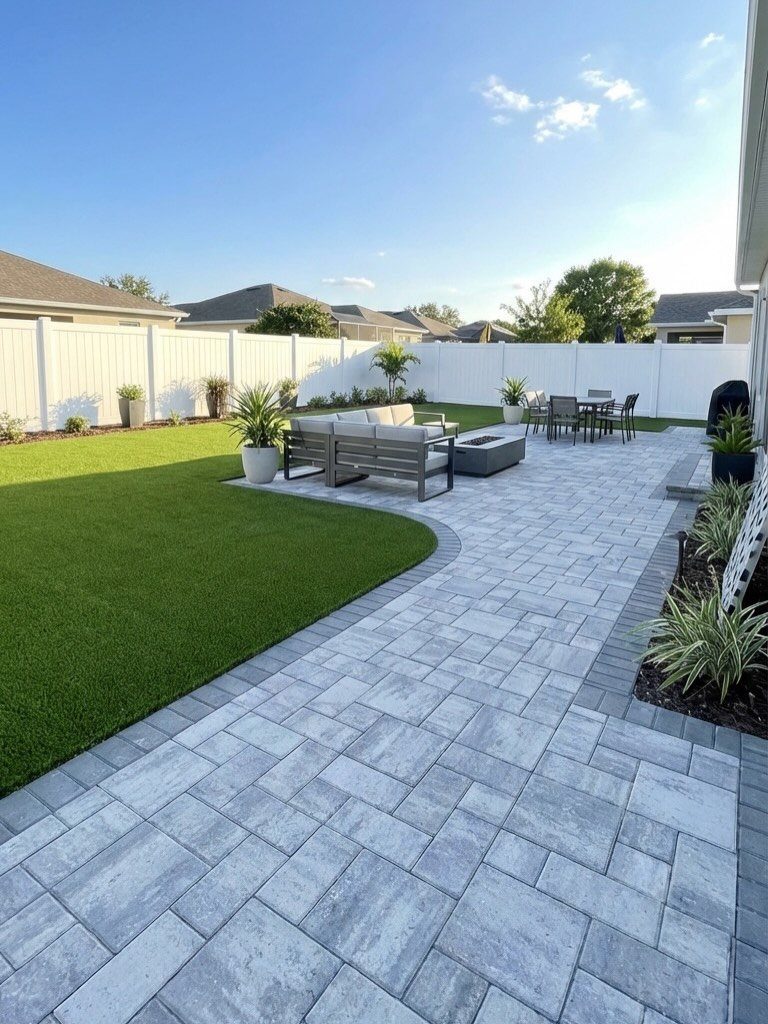
Backyards work better when one area claims a single purpose.
A pergola overhead, an outdoor kitchen against the house wall, or a low sofa grouping under a tree does this without new construction.
The boundary can be as light as a change in flooring, gravel to grass, or as solid as a partial wall of planting.
Pick the anchor first and let the rest of the yard relate to it; nothing else needs to happen at once.
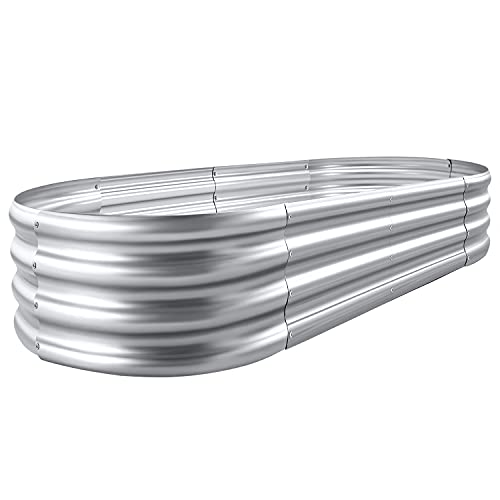
Each raised metal garden bed size: 4×2×1ft ,7.14Cu

More suitable raised garden bed size and Volume:67"L x 20"W x10"H, 7 Cu. Ft. You can cultivate plants, like vegetables, flowers, herbs in your patio, yard, garden, and greenhouse.
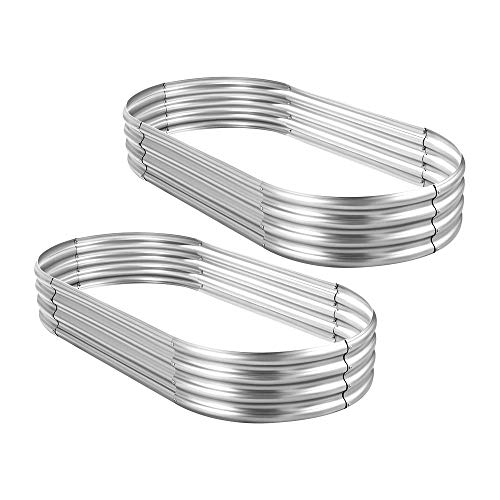
Each raised metal garden bed size: 4×2×1ft , 7Cu
3. Pool Wall Murals
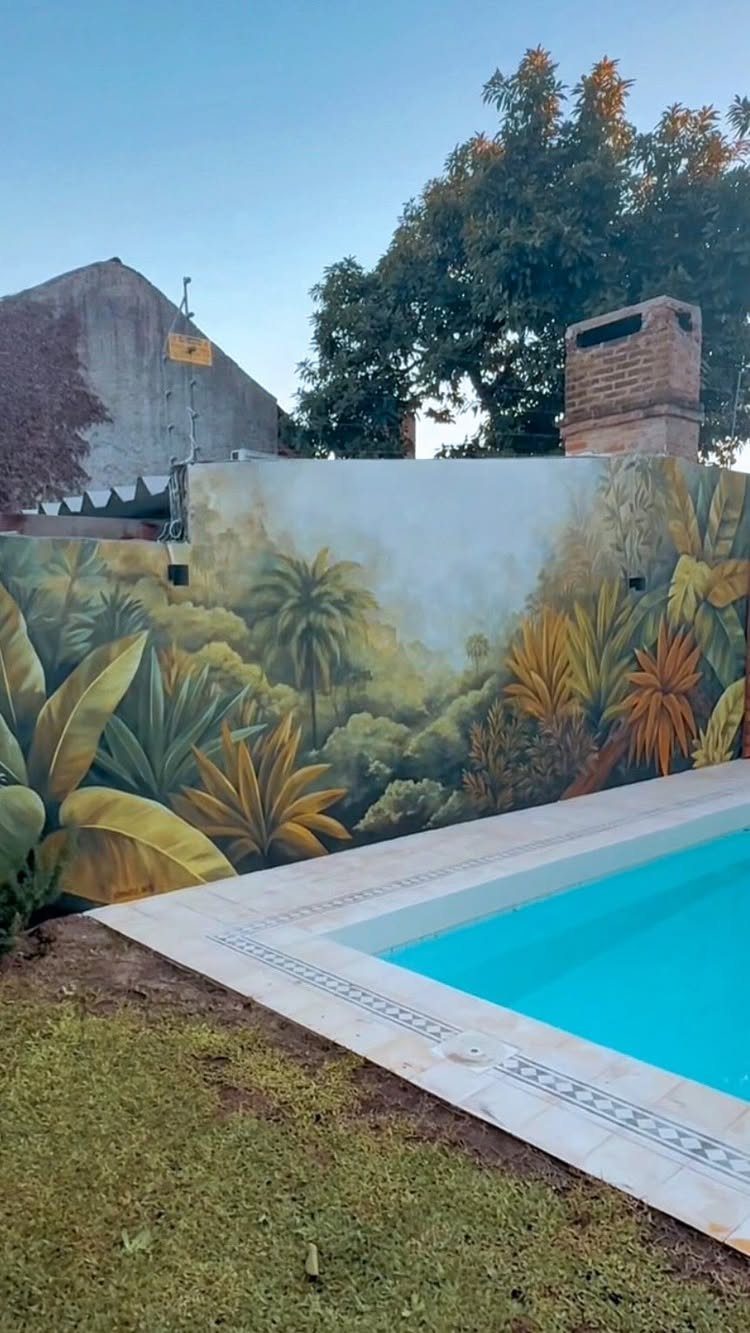
A painted mural on a pool wall reads as tile or wallpaper from a distance, but costs a fraction and takes a day, not a week.
The work needs exterior-grade paint on masonry prepared with a bonding primer, and the design should carry far enough that you do not see where it ends while swimming.
Commissioned art runs higher; a confident friend with a projector and a steady hand can manage a geometric or big-leaf pattern. Check local codes first if the wall serves as a pool barrier.
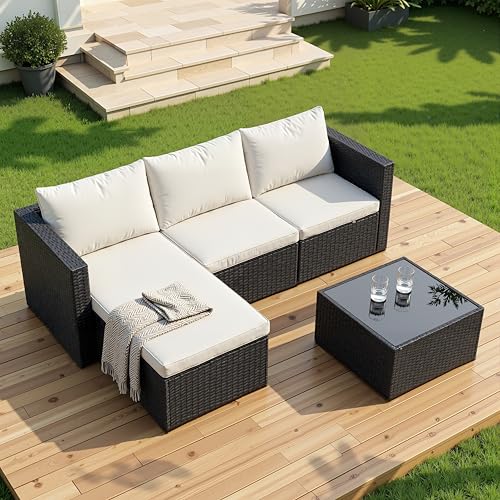
All-Weather PE Rattan: Crafted with high-density, hand-knitted PE wicker over a sturdy powder-coated steel frame for maximum durability. This weather-resistant material stays cool to the touch in summer and resists fading or cracking, ensuring your furniture maintains its premium look through every season

【Space-Saving L-Shaped & Versatile Layout】 This 5-piece patio furniture set forms a sleek L-shape, perfectly fitting into corners or small outdoor spaces like balconies, backyards, and porches. The modular design includes a 3-seat sofa, a comfortable ottoman, and a coffee table—offering flexible seating for gatherings or a cozy spot for one to relax.

★Olefin Anti-fading Waterproof Fabric +TPU Waterproof Coating + Waterproof Inner Cover.
4. Outdoor Lighting
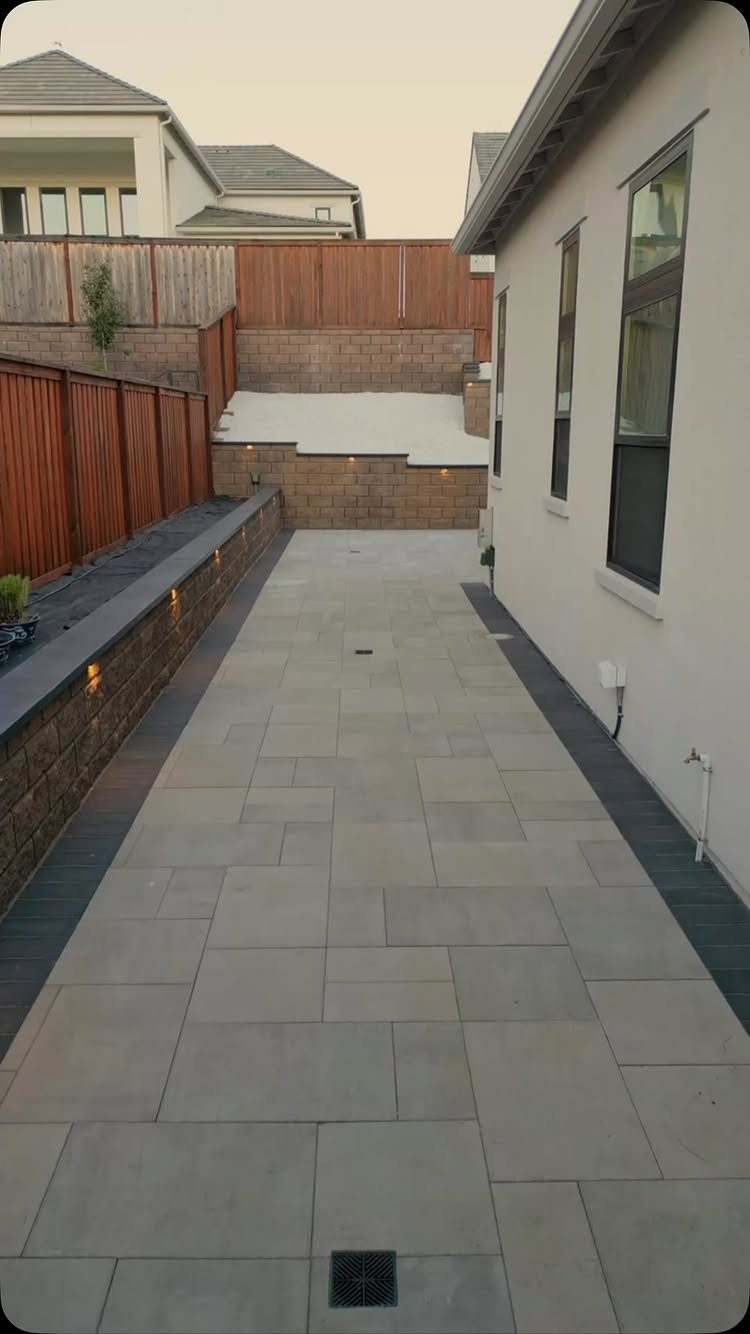
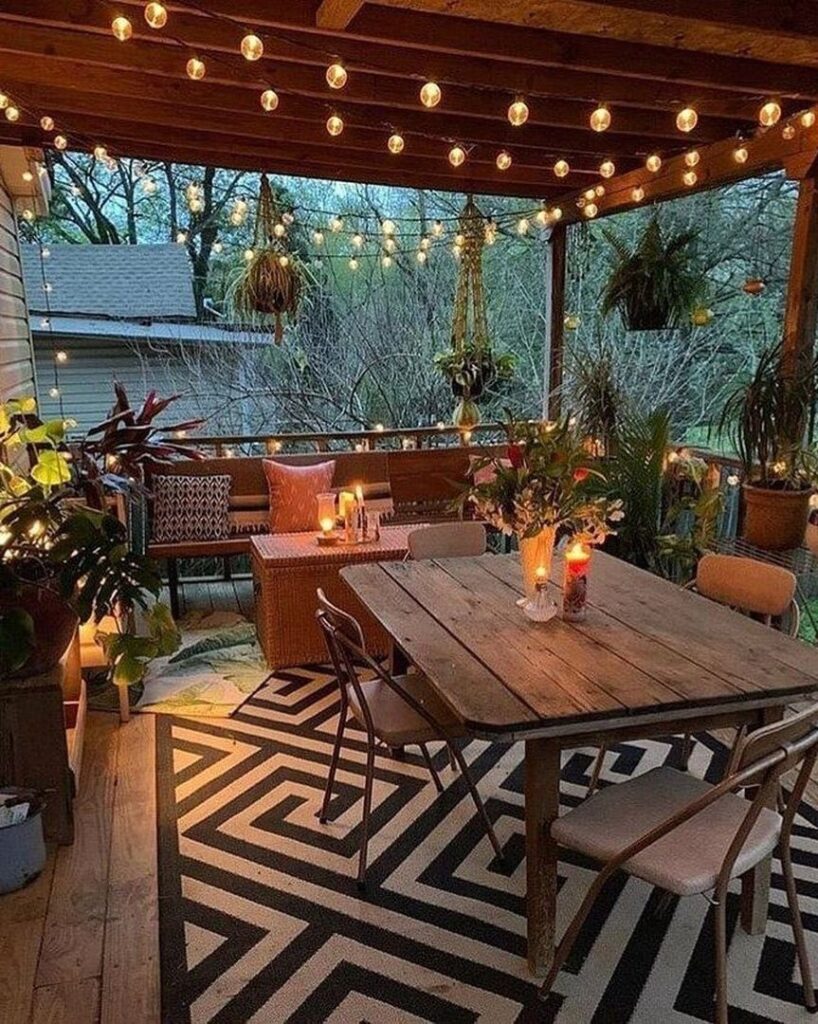
String lights are cheap scenery.
LED filament bulbs on suspension bars, or adhesive hooks along a fence line or siding, go up in an hour and come down without damage.
Built-in downlights in a retaining wall cost more but stay weatherproof and trip-free. Layer the two if you use the space after dark more than once a week; one for mood, one for walking safely.

ONE LIGHT CLIP FOR EVERY TWO FEET OF LIGHTS: One package of the Command Clear Outdoor Light Clips includes 20 clear hooks and 24 small water-resistant Command Strips; use one light clip for every two feet of lights

【3X Stronger Adhesion – Won’t Fall Off in Rain】Upgraded with 3X stronger adhesive than standard double‑sided tape. These clear heavy duty clips stay locked on wood, metal, vinyl siding, glass, gutters, tile, painted drywall, and smooth plastic – even in rain, snow, or high heat. No more climbing a ladder to re‑stick fallen lights.
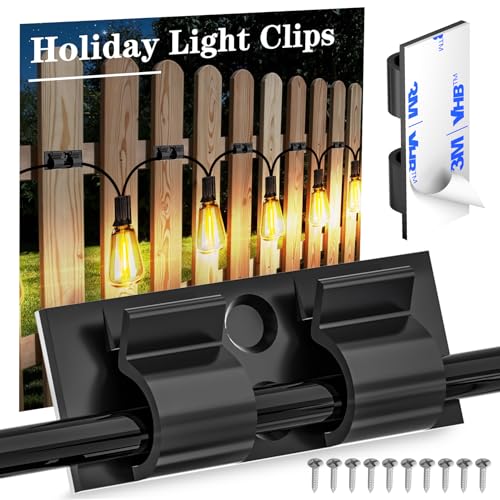
High quality material:XHF Adhesive Cable Clips are manufactured from Strong Adhesive and PA66 nylon
5. Vegetables and Herbs
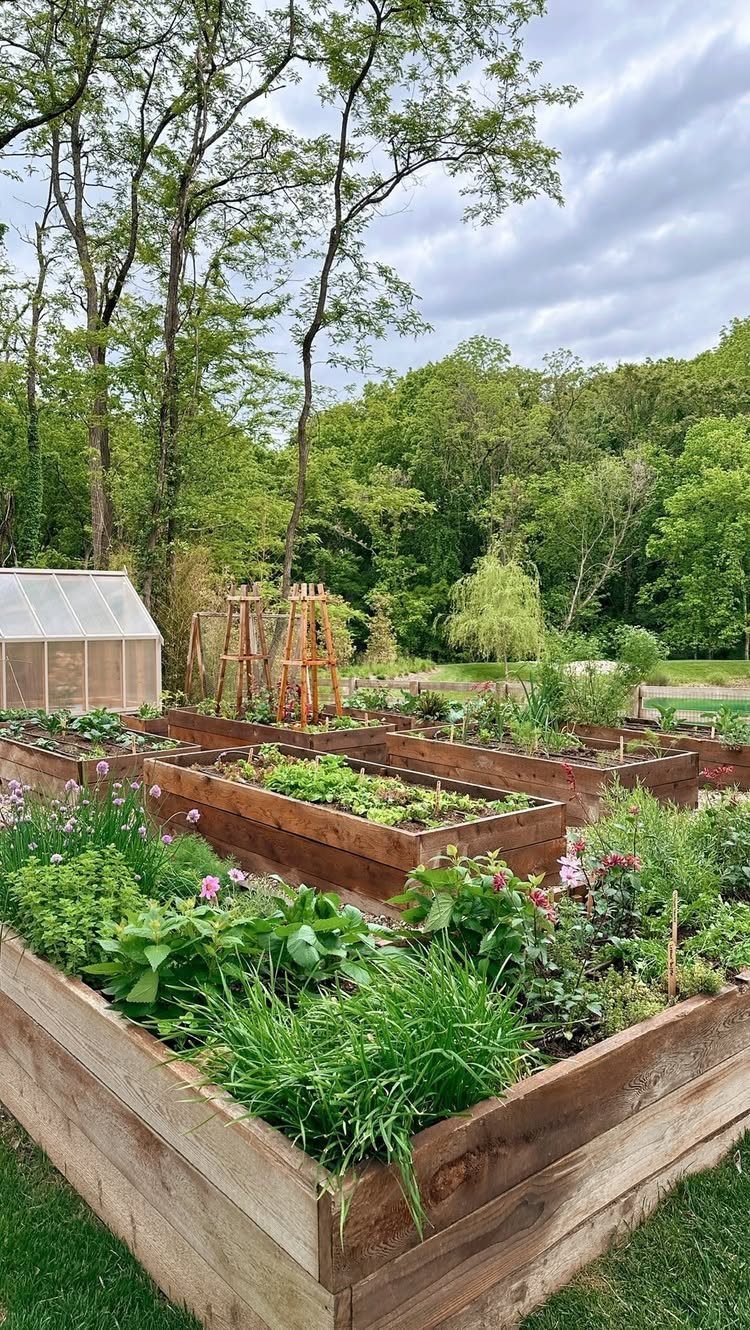
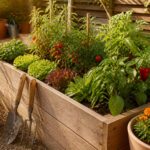
Raised beds lift the work to a height your back thanks you for.
Cedar or rot-resistant lumber tall enough to drain well, warm early, and keep most pests out.
Start with what you will actually eat; tomatoes, leafy greens, and herbs give the fastest return for a first season. A small greenhouse extends the calendar on each end, but the beds alone are enough to begin.

Mural paint offers lasting results on both outdoor and indoor murals, canvas, and other mediums

MADE FOR EXTERIOR MASONRY: Designed for concrete, cement, brick, stone, stucco and masonry walls. Ideal for refreshing exterior walls, facades, garden walls and other properly prepared vertical masonry surfaces.

Extremely durable outdoor paint ideal for use on properly prepared exterior wood, brick, masonry, concrete, weathered aluminum, weathered vinyl siding*, and primed metal substrates
6. Place a Hammock
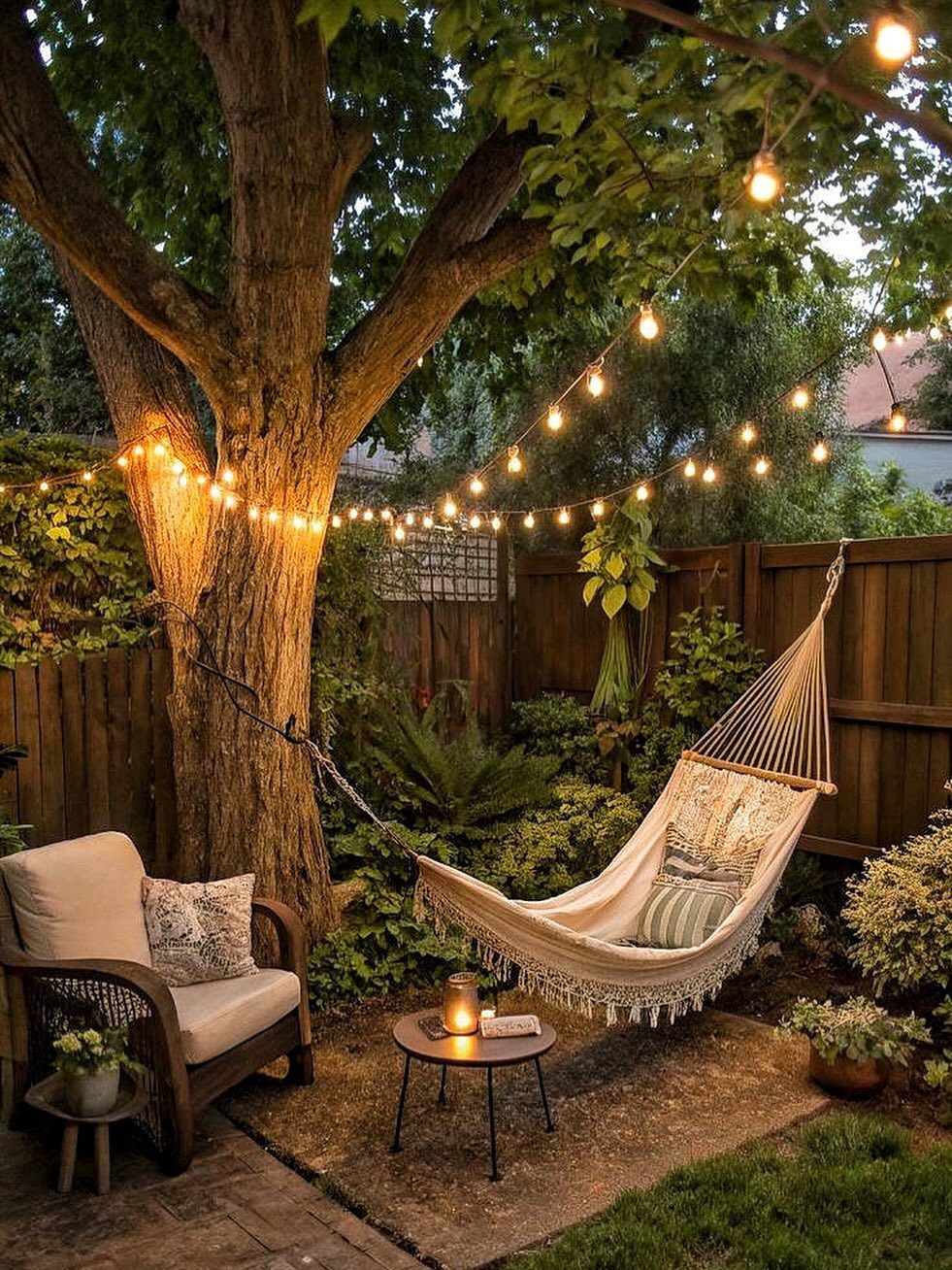
A hammock needs only two solid anchor points and enough span to hang with a good sag.
Trees are ideal; fence posts set in concrete or a purpose-built stand are the backup.
Woven cotton with a spreader bar flattens the lay for reading, gathered-end styles cocoon better for napping. String lights in the same tree make the spot usable after dinner without adding a single new fixture.
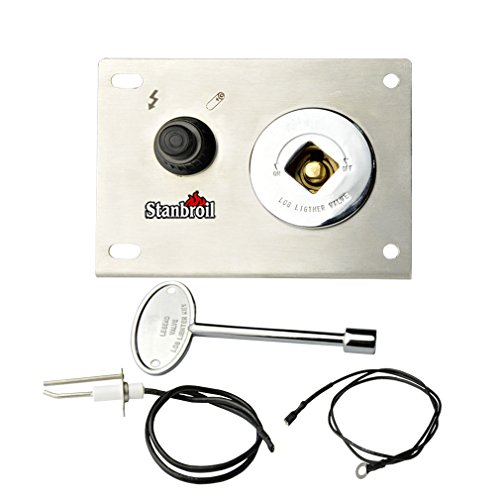
Dimensions of the Face Plate: 7.02" L × 3.86" W × 3.83" H; Ground Wire: 48"; Lead Wires: 48"; Probe: 2.44".

LIGHTWEIGHT CONCRETE: This fire pit is constructed with lightweight concrete that offers a stone look. The shape allows easy seating arrangement for you and your guests, providing light and warmth all around during those chilly evenings.

Easy Installation: The 8-piece fire pit ring insertion kit is easy to assemble and can be assembled in just a few minutes.Seamless design allows for easy installation and integration into your DIY fire pit project.Fixed with screws, it will not easily fall off during use. Let you have more time to enjoy the joy brought by flames.
7. Vertical Garden
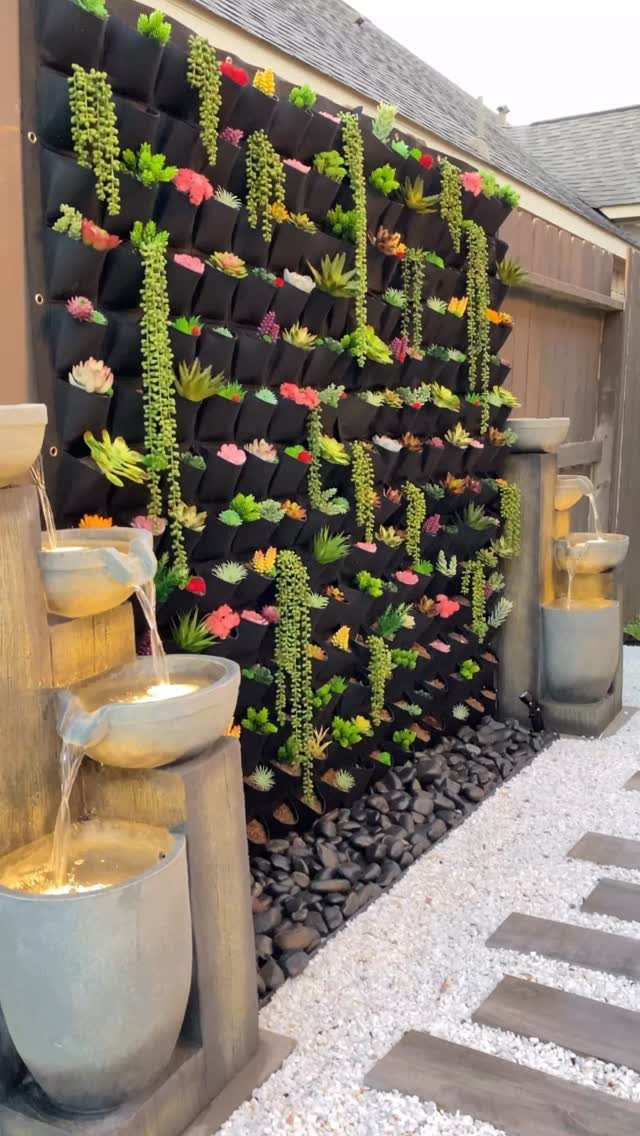
A fence or trellis becomes garden space you did not know you had.
Pocket planters in rows of black fabric take succulents, herbs, or trailing flowers and hang from any vertical surface that sees sun.
2 stone fountains flanking the wall give a vertical garden rhythm, but a single gutter or mounted hardware store trellis does the same work on a rental fence you cannot modify.
Weight matters more than height: wet soil pulls hard, so anchor through the slats or use a freestanding frame leaned against the wall.
What you already have, arranged better, often beats starting from nothing.


GROW THE VEGETABLES & HERBS YOU ACTUALLY COOK WITH: This curated variety pack includes 30 heirloom vegetable and herb seed packets chosen for real kitchen use, including tomatoes, basil, cilantro, peppers, lettuce, carrots, zucchini, spinach, dill, parsley, kale, peas, radish, and more. A practical mix designed for planting, harvesting, and cooking fresh meals at home.
8. DIY Fountain
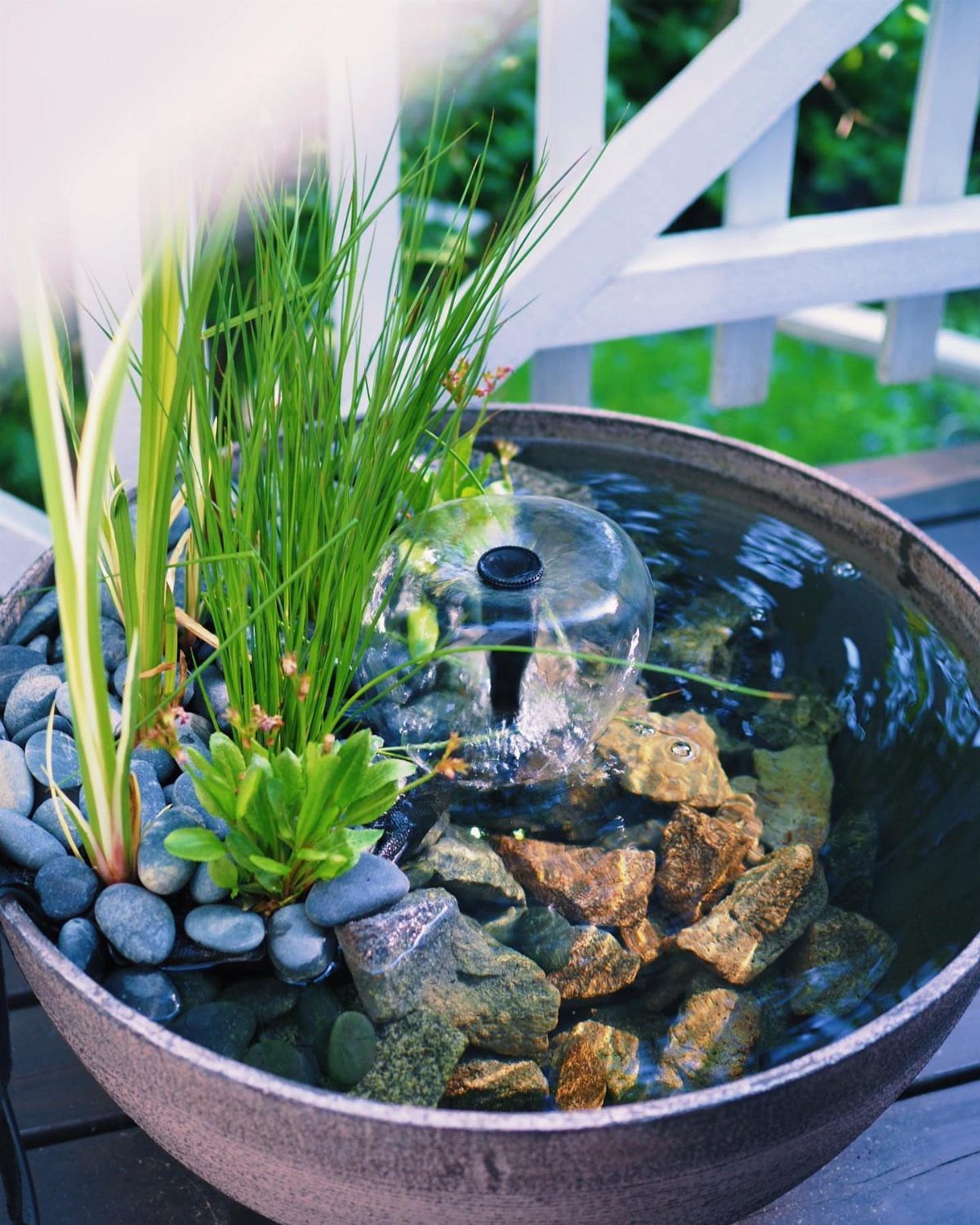
Water sounds expensive until you find the solar-powered middle ground.
A wide concrete planter with the plug sealed, filled to the lip and set with a floating solar fountain, runs only while the sun hits it and costs less than dinner out.
Light-up faux lily pads add evening use without wiring, though they are decoration, not illumination.
The bell-shaped spray needs a pump with some pressure; for a burble instead of a jet, a smaller solar unit suffices. No sun on your deck?
A submersible pump in a patio outlet does the same job, just with a cord to manage. Pebble the bottom to hide the hardware and give birds a foothold.

Simple and Elegant: Each wicker patio Chairs and love seat features a handsome checkered pattern for a beautiful, classic style. Great for various outdoor living spaces such as patios, decks, backyards, and poolside areas

SET INCLUDES: This wicker furniture set come with one box which includes 1 loveseat, 1 lounge sofa with cushions and 1 table;Loveseat:47"L x 23"W x 26"H ; Lounge sofa:47"L x 23"W x 26"H ;Table:34"L x 16 "W x 14 "H.

Comfortable Textile Material: The back and seat of the chair are made of textile materials with many meshes. It is one of the selected materials for outdoor furniture. This quality material is very breathable and you will enjoy it even in the summer. When it’s dirty, just wipe it with a wet or dry cloth.
9. Bar Area with Stools
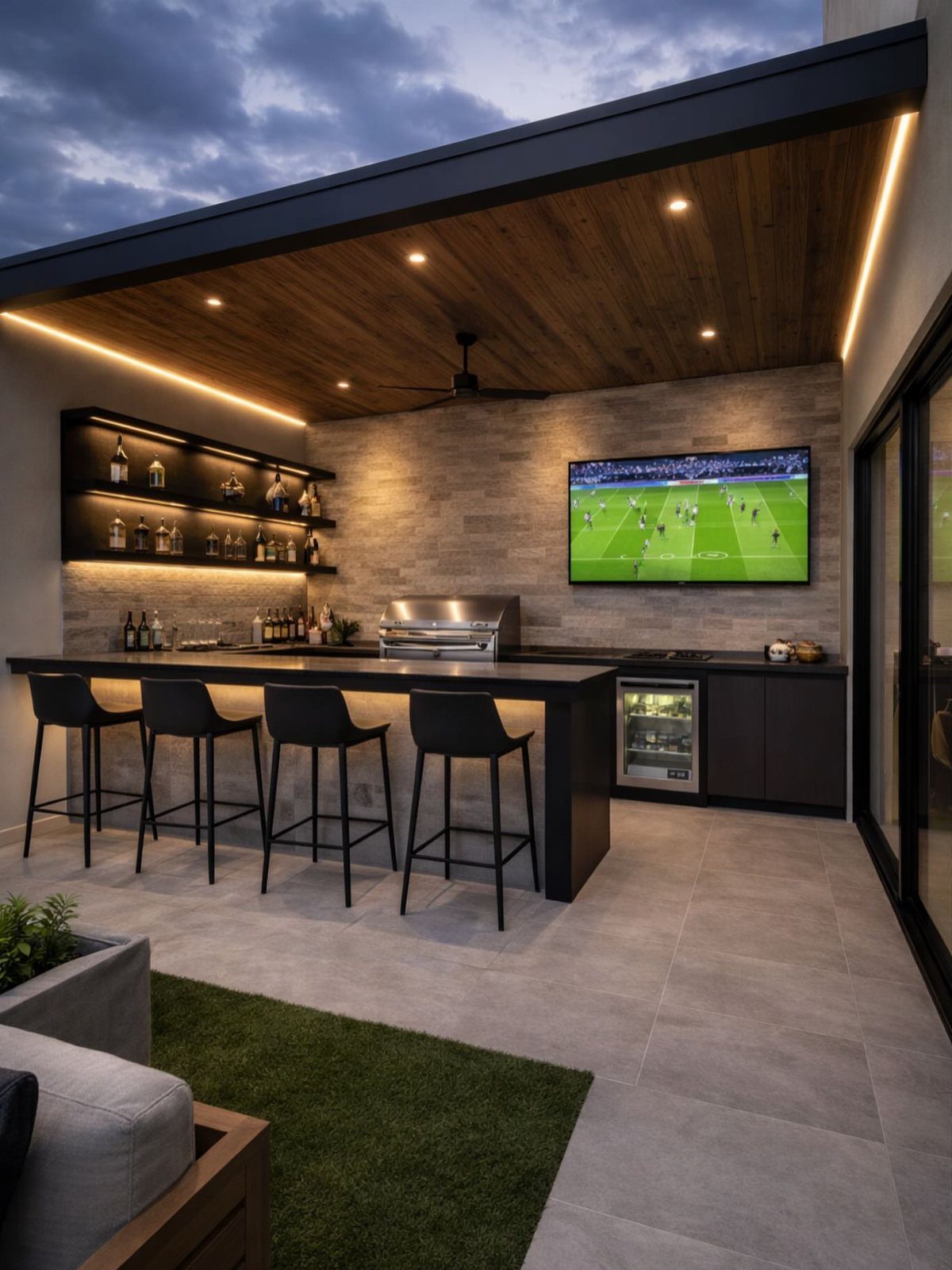
Outdoor dining works when the cooking and the sitting happen in the same glance.
A counter running along the house wall, stools on the open side, and a roof overhead turns a narrow leftover space into the part of the yard people gather in.
A television and bottles on shelves make it a destination, but the core is just counter, stools, and shelter from drizzle or noon sun.
A grill beneath or beside the counter keeps the cook in the conversation, which is the point.
Adirondack chairs pulled up nearby give the kids a place to land. Stove, shelf, stools, roof: add them as budget allows, starting with what keeps you out there longer.

Keep your lights cord in place with our double hook clips:Conventional single hook design is often unstable when fixing, swaying from side to side, etc. The improved and upgraded outdoor light hooks design prevents the fixtures from sliding or sagging. You can adjust them to the most suitable height and enjoy the beautiful display effect.

60 PCS Light Hooks Clips Per Box: Length 16mm/0.63inch, Width 15mm/0.59inch, Height 8mm/0.31inch; Suitable for cables with a diameter (maximum) of 5 mm/0.2 inches, size fits most wires, small size and space saving.

Sturdy and Durable: Package include 30 pcs clear adhesive christmas light clips. Base 1.57”x 0.9”, Inner Height 0.2”. The double-hook design and the use of high-quality PA66 materials make our string light hooks sturdy and durable, no worry about light clips for outside string lights falling off.
10. Outdoor Shower
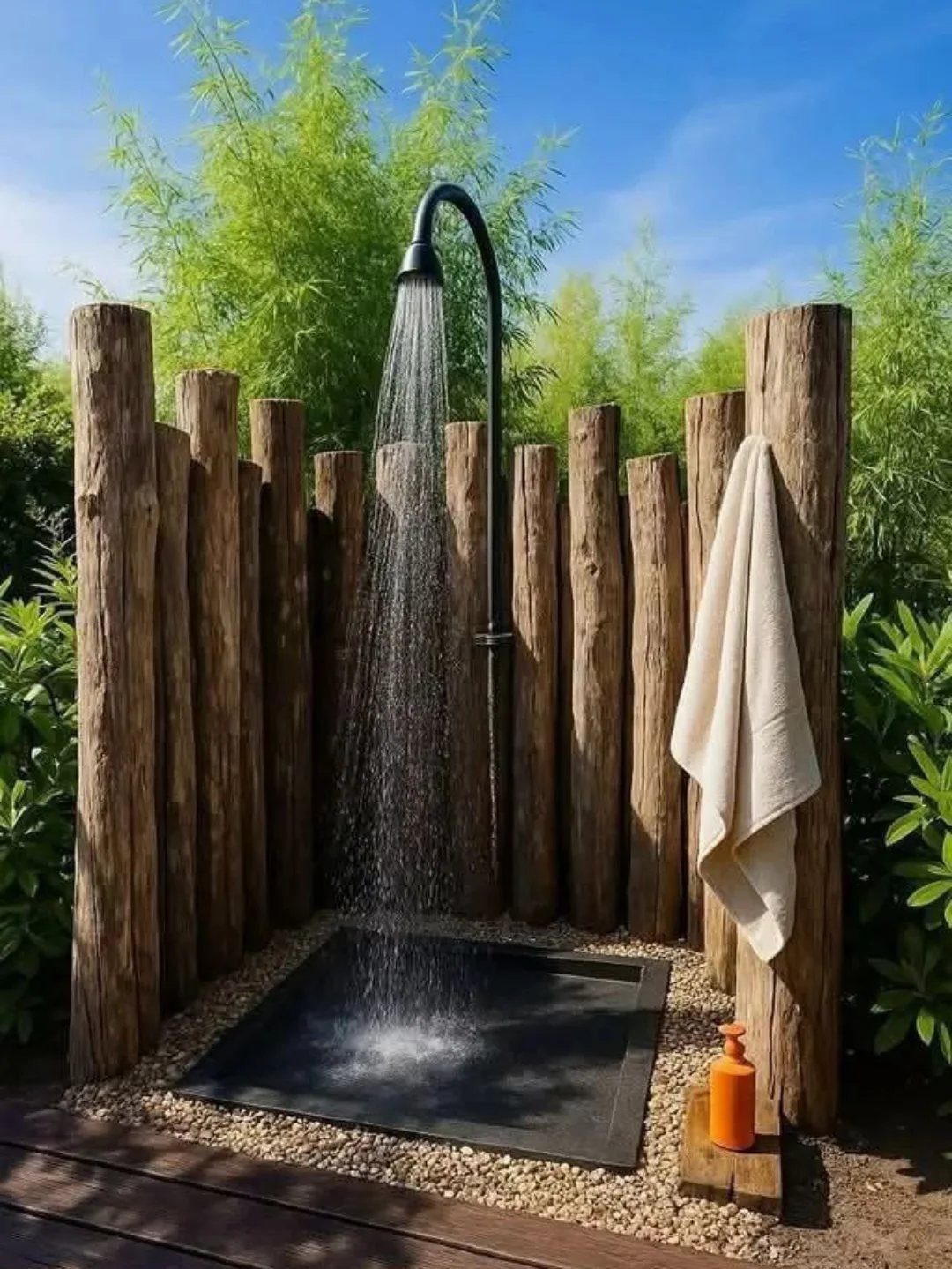
Cold water piped outside costs less than it feels like it should.
A simple black fixture on a post, gravel underfoot for drainage, and vertical wood slats for sightline cover give you a rinse after mowing or a cooldown that air conditioning cannot match.
A rustic log fence is one way to solve privacy for an outdoor shower; canvas sailcloth or tall planting works if lumber is scarce. A dark base pan collects the runoff and keeps mud from forming.
Hot water takes more plumbing, but a cold outdoor shower gets used more than you expect on August evenings, and installation is a Saturday if the hose bib is nearby.

Mural paint offers lasting results on both outdoor and indoor murals, canvas, and other mediums

32 VIBRANT OUTDOOR ACRYLIC PAINT - Comes with 32 bottles outdoor acrylic paint set(2 oz / 60 ml each), 3 brushes, 1 sponge, 1 art knife, and a color wheel guide. Perfect for outdoor projects like fences, furniture, murals, concrete walls, or seasonal crafts like Halloween pumpkin painting. Great pumpkin painting kit for Halloween arts, pumpkin painting supplies, and festive DIY decorations.

24 Essential Outdoor Paint Colors: A complete starter palette of DecoArt Patio Paints — perfect for DIYers, garden enthusiasts, and artists looking to bring color to outdoor spaces.
11. DIY Plant Stand
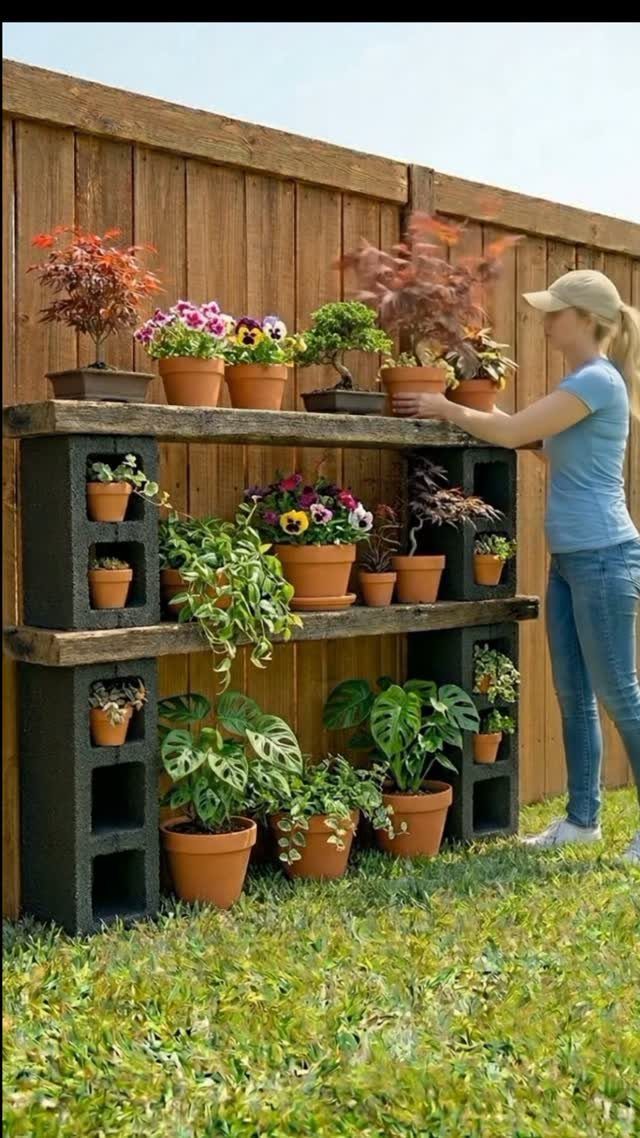
Elevated plants read as deliberate; ground-level pots read as parking.
Cinder blocks painted to suit the fence, with boards laid through the openings, give stacked staging levels in an hour’s work.
The block-and-board method survives weather better than pallet wood alone and moves when the party needs the space. Milk crates on standing supports, painted and drilled together at varied heights, do the same job with lighter material and bonus storage.
Either way, stagger the heights so each pot gets its own light; a flat shelf shades its own back row by July. Start with the biggest pot you own and build around it.
Phased Renovation Approach
The fastest way to waste money is to tear out finished work later.
Running gas lines for a fire pit through a brand new travertine patio is the kind of mistake that only happens when each project lives in isolation.
I sketch the whole yard on paper first, even where the budget says construction will wait a year or five.
Drainage, pathways and patios go in phase one because they shape everything that follows. Privacy planting, irrigation, lighting and outdoor kitchens layer on once the hard surfaces are settled.
A pool, deck and surrounding yard read as one architectural program or they read as failure, no matter how much any single element cost.
The notes I see divide the finished yard into zones: a wet zone, dining zone, lounge zone, fire zone and garden zone. That framing helps me decide which zone earns the next dollar, not which project felt urgent this weekend.
Budget-Friendly Options
A beautiful plan means nothing if the budget cannot build it.
I have seen designs that grew beyond what the homeowners hoped to spend, and the fix was rarely to find more money.
Salvaged stone or timber from the property itself saves money and leaves something of the old yard in place.
For decks, working with the existing structure and adding creative touches runs far cheaper than building from footings up. Paint, new hardware, a rail detail or revised furniture layout refreshes the space without permits or demolition.
Some moves cost almost nothing: adhesive hooks for string lights, gravel to mark a zone change, a planter converted to a fountain.
The constraint shapes the idea better than a blank check does. I start by asking what daily use the spending would improve, then protect that line item when everything else competes for the leftover funds.
Importance of Planning
Yards that read as an extension of the house, not a separate zone, tend to get lived in rather than looked at. One that feels like maintenance duty gets avoided.
The photos a reader brings to a designer matter less than the conditions they step out into each morning: where sun falls, where water pools, how wind moves, what the neighbors’ windows see.
Working with those conditions beats importing a look from a different climate or lot size.
I plan the whole yard before breaking ground, even if phases stretch across years.
Gas lines, drainage and structural loads are cheap on paper and expensive in concrete. A design refined to real resources, with patio size simplified and existing materials kept in play, builds smoother than one aspirational blueprint.
Maintenance feels manageable when the original plan accounted for how the owner actually lives, not how they imagine living after the reveal.
Sustainability in Design
Stone, brick, or timber already in the ground can be lifted and relayed; if it is sound, it stays.
That choice supports the budget and keeps visual continuity with what the yard already held. Native planting does the same work over time: less water, fewer inputs, stronger growth in the microclimate the lot actually offers.
Small moves add up.
A simple wooden table and chair create an outdoor workspace without construction. A bonfire ring with log benches gathers family without a kit order.
Solar-powered fountains and LED string lights run without adding to the utility bill. Metal edging, reused where it still holds shape, defines zones with less material waste than new timber or plastic.
The energy a backyard carries is harder to name than its style, but easier to feel. Low maintenance and low input help sustain that energy past the first season of enthusiasm.
Frequently Asked Questions
What is the average cost of a backyard makeover?
A full backyard overhaul can land anywhere from about $12,000 up past $60,000, depending on how much you take on. That sequencing keeps money from going into finished surfaces that later have to be torn out for gas lines or drainage.
What are some cheap ways to upgrade my backyard?
Adhesive hooks for string lights, gravel to mark a zone change, and a planter converted to a fountain cost almost nothing. Salvaged stone or timber already on the property saves money and leaves something of the old yard in place.
What are some new backyard ideas for 2026?
What I see working now, and expect to keep seeing into next year, includes solar-powered fountains, LED filament string lights, painted pool murals that read as tile from a distance, and outdoor living zones marked by a pergola or change in flooring rather than new construction.
Native planting for less water and fewer inputs also fits where yards are headed.