Small gardens run from a free bundle of pruned twigs to a five-tiered cedar planter you build in a weekend, from creeping thyme that needs no watering once it fills in to a hanging bucket that needs daily attention in July.
What picks your project is how much time you actually have, not how much you wish you had.
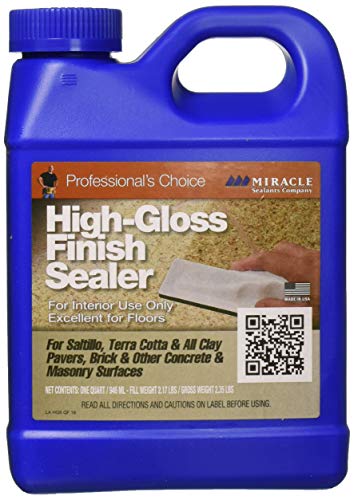
The fake stone finish on a scratched resin pot, now in its third season, is the kind of detail that only works if you will put in the paint layers and the single coat of sealer.
[link-whisper-related-posts]1. Faux Finish Garden Containers
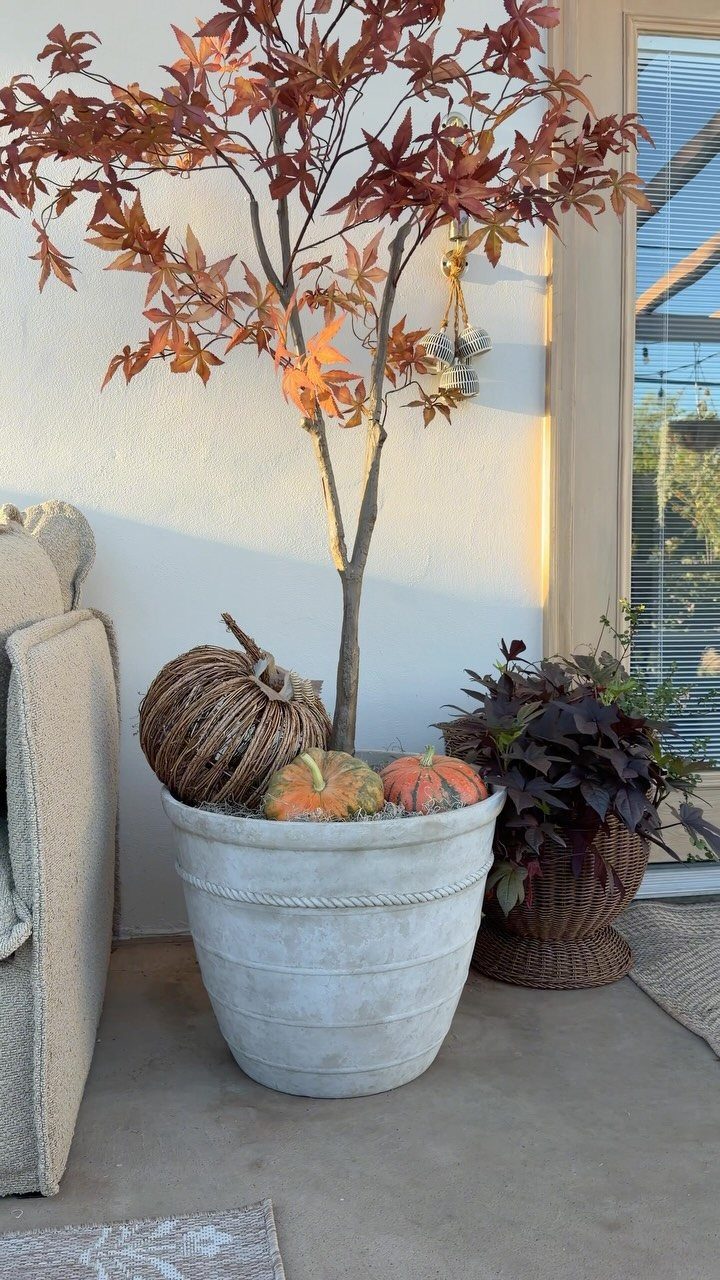
A scratched plastic pot with a bleached rim can look like quarried stone with the right paint layers.
I start with a dark base coat, dry-brush a mid-tone gray, then flick on a near-white with a stiff brush for the speckled effect.
Rough "stone" against woven texture reads intentional, not disguised, so pair faux-finish planters with wicker or rattan stands.
One coat of exterior sealer over the top keeps the finish from chalking.
I have used this on resin planters that came with the house and on a cracked terracotta pot I could not throw out. Both are in their third season.


[Modern Faux Stone Finish & Elegant Decor] Crafted with an authentic stone-textured surface, this 4-pack tall planter set delivers the premium aesthetic of natural slate or concrete without the heavy weight or fragility. Perfect for modern home decor,enhancing your front door entryway,patio,porch, or living room space.
2. Reclaimed Wood Plant Stand
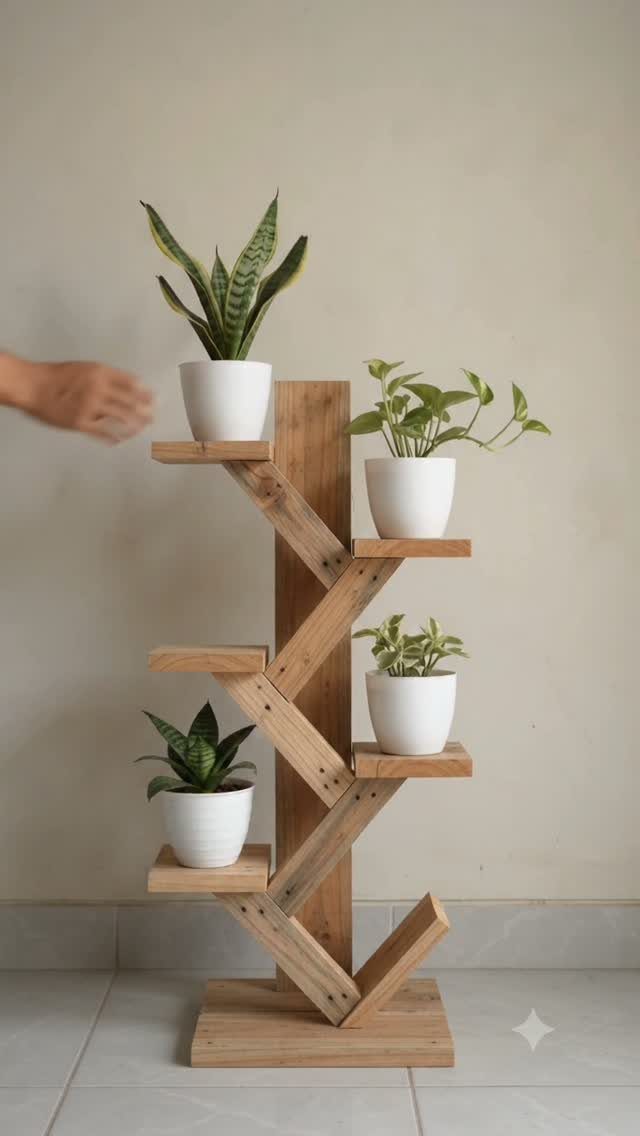
Old fence boards or pallet slats, trimmed square and joined with simple butt joints, make a stand that holds four pots in a footprint barely larger than one.
Staggered shelves let each plant catch light from the side, which matters more than height when you are gardening against a wall.
I build these without a back panel so air moves through.
A light sanding takes off splinters; I skip planing because the uneven surface is what makes it read as reclaimed rather than rough. One person can carry it empty, and it fits through a doorway for winter storage.

【Indoor Plant stand】: Raised your lively plants in an higher place and settled it in your corner, made it attractive and eye-catching in your home. Tiered plant stand indoor in simple and natural design is suitable for all kinds of small spaces, placed in your bedroom, living room, sofa corner, hallway, and turns your boring small space into a vibrant and elegant scenery. It's widely used indoor with movable wheels.

【𝐒𝐭𝐫𝐨𝐧𝐠 𝐏𝐢𝐧𝐞𝐰𝐨𝐨𝐝 𝐂𝐨𝐧𝐬𝐭𝐫𝐮𝐜𝐭𝐢𝐨𝐧】Made entirely from solid pine wood, this wood plant stand offers exceptional durability and strength. Its sturdy build supports heavier pots and won’t warp or crack, providing lasting stability while enhancing your home decor

>7-Pots Plant Stand: Featuring a ladder design that allows unobstructed sunlight, this plant rack accommodates more than 7 pots, making it an ideal decorative piece for organizing your plant collection. Suitable for both indoor and outdoor use.
3. Creeping Thyme
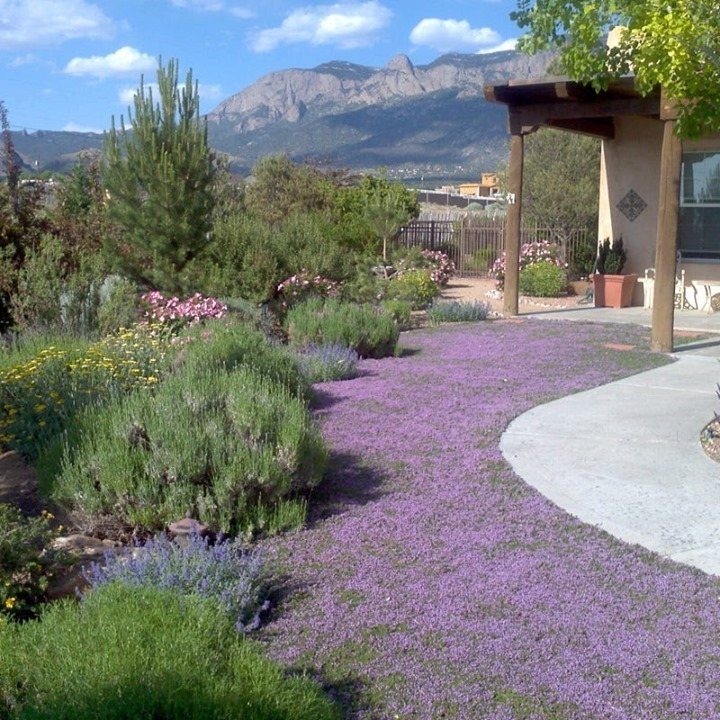
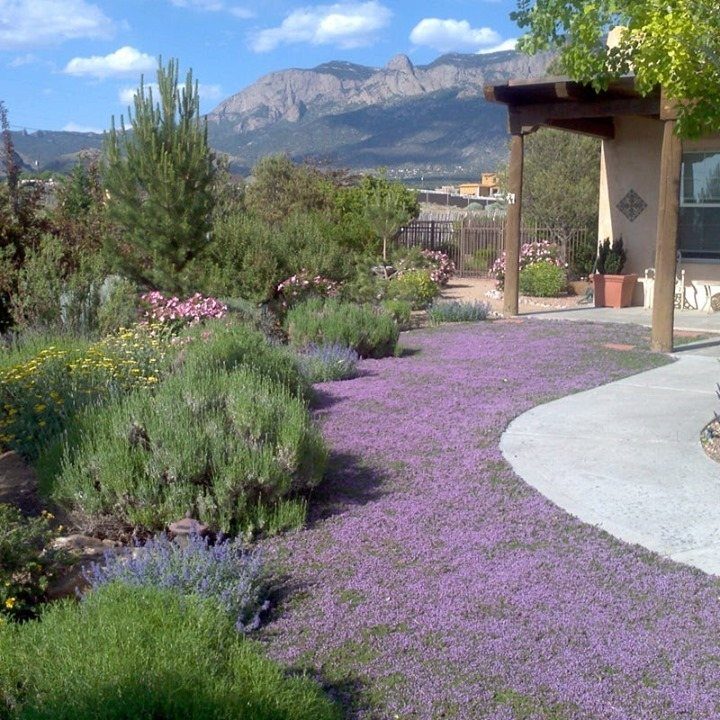
Creeping thyme spreads into a mat dense enough to crowd out most weeds, and it releases its scent when you brush past it on a path edge.
I planted mine between flagstones first, then filled a bare slope where grass would not hold.
It wants sun and soil that drains; wet feet in winter will kill it faster than cold. Purple-flowering thyme is the most common variety sold, though white and pink strains exist.
I shear mine after bloom to keep the growth tight, and a patch started from a few nursery plants will give cooking sprigs all summer. Divide it in spring if it outgrows its space.

COVERAGE: 20,000 seeds of creeping thyme (Thymus Serpyllum) provide extensive ground coverage for gardens, pathways, and landscaping areas

Light and Covering: Never bury the seeds too deep. Simply press the seeds lightly onto the soil surface and cover them with a very thin layer of soil, or leave them uncovered entirely, as seeds need light to germinate

🌱 High Germination Ground Cover Seeds – Create a lush green carpet for paths, patios, and empty garden spaces.
4. Strawberries
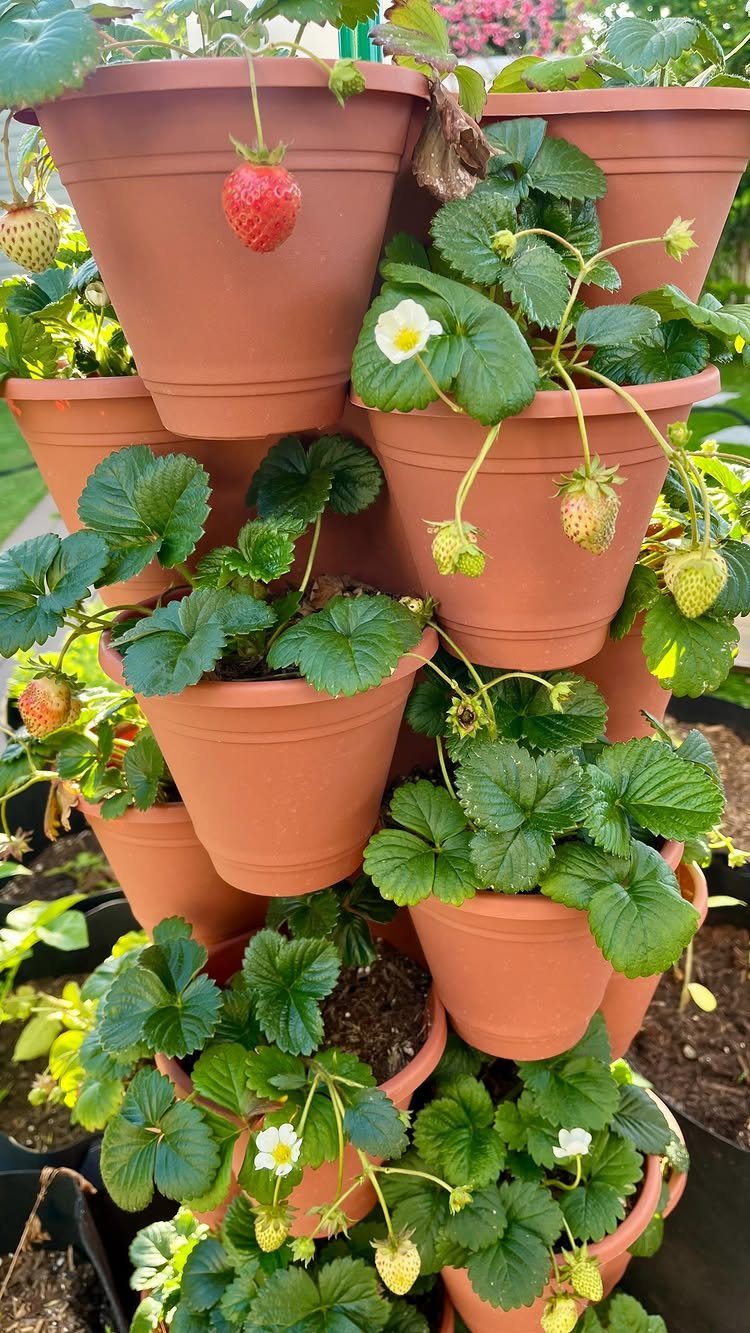
Strawberries as ground cover give you fruit you can reach without bending far, and the white June flowers under green leaves look tidy from the street.
Stacked pot towers save square footage by growing vertical; each pocket gets sun from a different angle through the day.
I have grown them in a tiered planter made from a hole saw set, about $10, and in a simple clay pot row.
The tower needs daily water in July; the ground row forgives a missed day. Runners will root where they touch soil, so a contained bed or pot keeps them from wandering into your thyme.

Utilize vertical planter to optimize outdoor space effectively. With its tiered design, you can grow a diverse range of herbs, strawberries, and various plants in a compact tower garden format. This innovative solution allows for abundant yields.

High-quality Product: Thick, high-quality PP materials can be used repeatedly without fading, not easy to crack even in summer; Suitable for garden or indoor use

Portable and lightweight: Strawberry Plant Pot, crafted from lightweight materials, this planter is easy to carry and reposition, offering flexibility in plant arrangement,indoor pot,decorative flower pots
5. Lamb’s Ear
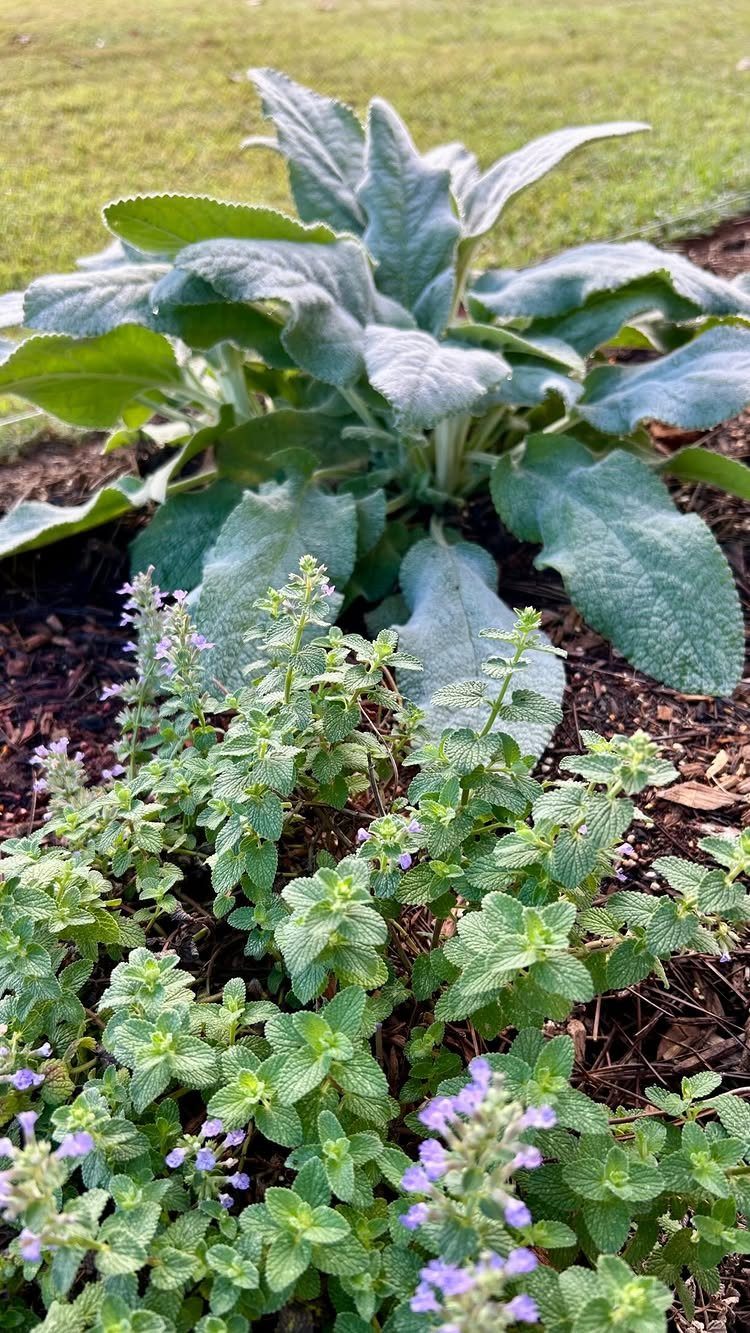
Lamb’s ear starts as a single soft rosette and ends up a silver carpet you can divide every spring for new plants.
The leaves feel like felt, and they stay low enough to edge a path without blocking the view of what is behind them.
It tolerates poor soil and drought once established; I have mine on a slope where little else thrives. Catmint blooms purple alongside it, and that pairing works because both like the same neglect.
I dig out chunks with a trowel to move or give away, and they take with minimal watering. The flowers attract bees, though I grow it more for the foliage.

Rattan and Wood: this wicker plant stand combines hand-woven rattan tops with solid pine legs, creating a warm boho texture, the dark walnut finish adds a vintage mid-century touch that elevates living rooms, bedrooms, and covered balconies

Core Feature: This flower stand combines natural wood and wicker materials to create a sturdy and stylish rattan planter with legs, designed to elevate your indoor or outdoor plants while enhancing any living room, balcony, or garden decor

Woven Basket for Plant with Stand: coming with 1 piece of 10 inch plant basket, 2 bamboo plant stands and 1 plastic tray; Approximate size is about 10" diameter x 10" high; Pot and plant are not included, you can assemble them together and create a beautiful decoration
6. Astilbes
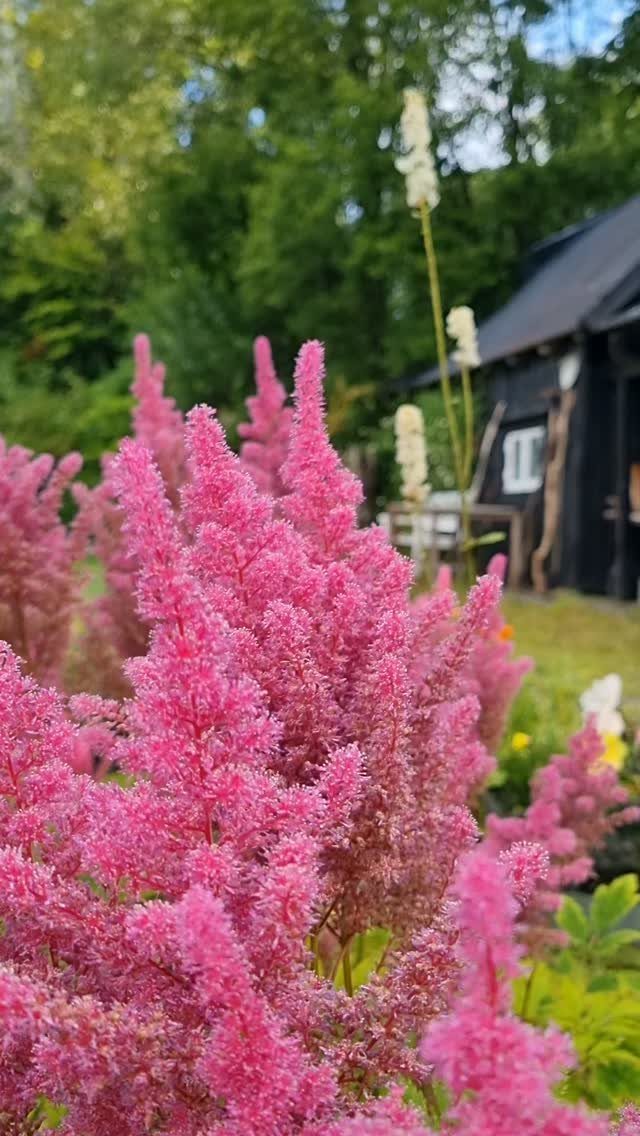
Astilbes carry their plumes 2–5 feet high in light shade where few flowering perennials will perform.
Plant astilbes where a birch tree or light structure filters the afternoon sun; the pink feathery heads show up against dark mulch from well across a yard.
They need steady moisture; the bed must not dry out while they are establishing from rhizome or crown. Mine die back to nothing in fall, so I mark the spot with a short stake to avoid digging into the roots.
Butterflies find them in late spring, and the spent plumes hold their shape dry through winter if you leave them.

[Modern Faux Stone Finish & Elegant Decor] Crafted with an authentic stone-textured surface, this 4-pack tall planter set delivers the premium aesthetic of natural slate or concrete without the heavy weight or fragility. Perfect for modern home decor,enhancing your front door entryway,patio,porch, or living room space.

[Modern Faux Stone Finish & Elegant Decor] Crafted with an authentic stone-textured surface, this 4-pack tall planter set delivers the premium aesthetic of natural slate or concrete without the heavy weight or fragility. Perfect for modern home decor,enhancing your front door entryway,patio,porch, or living room space.
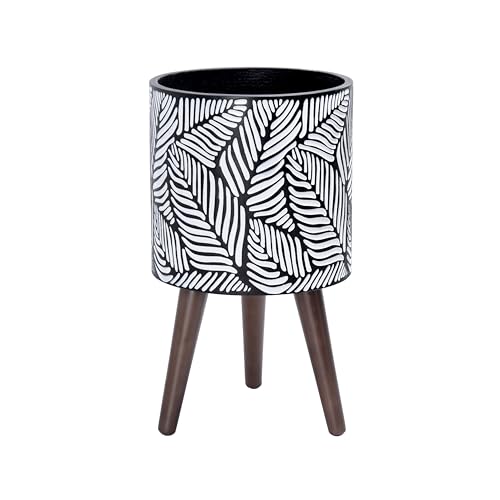
Handcrafted durable fiberclay modern Planter Pot with Wood Stand, leaves design with bronze/grey or white/grey finishing.
7. Daffodils
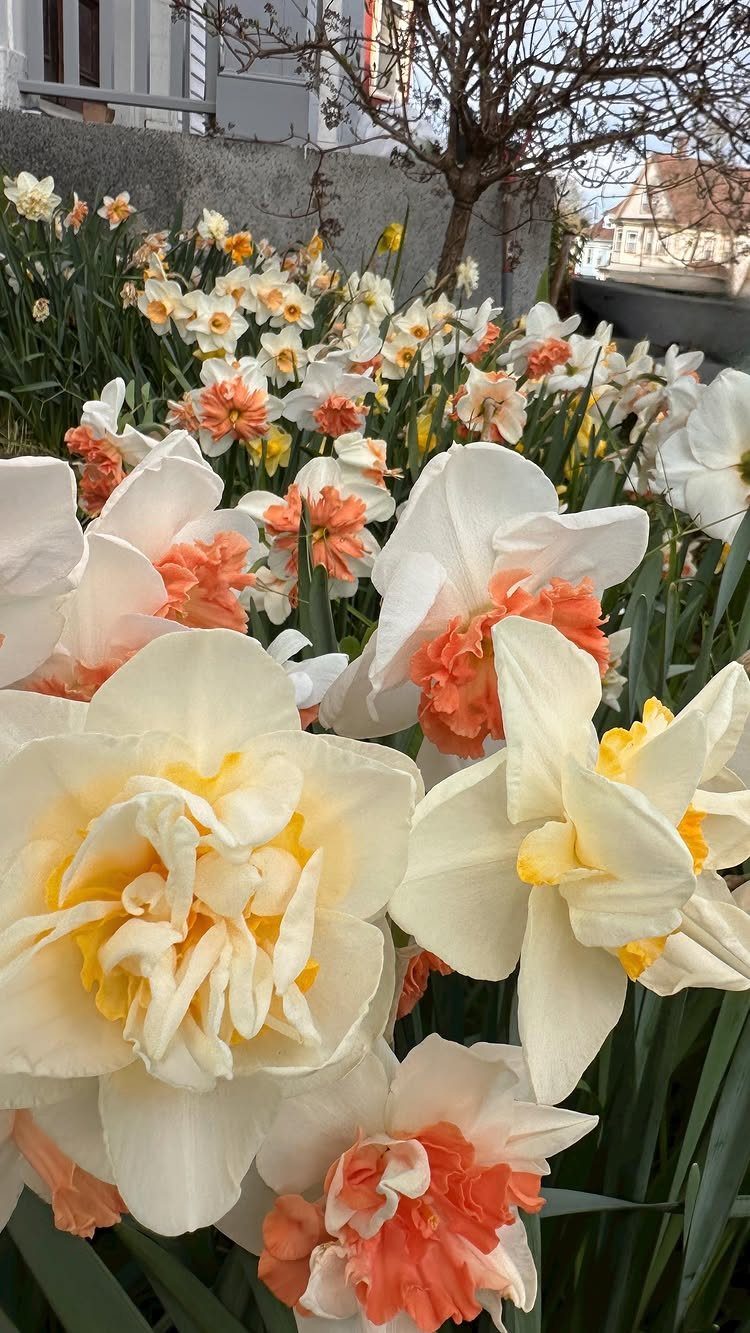
Double daffodils carry 2 ruffled layers of petals in white and peach-orange, and they come back each spring once you plant them in fall.
Deer leave daffodils alone, though the bulbs are toxic enough that pet owners should plant them out of reach of ground-level diggers.
A bare spot under a deciduous tree suits them perfectly; the canopy is still open when they bloom in late winter or early spring, and the die-back leaves room for summer perennials to take over.
Established clumps of daffodils near a front walk can thicken for years without dividing, so a inherited patch keeps returning with little work.

【 Exquisite Plant Stand Indoor 】Unique design of plant stand indoor let each pot of plants absorb sufficient sunlight, fully display, and form a beautiful landscape. 3 tier plant stand indoor not only provides enough storage space for your flower pot, but also decorates your living room, bedroom and office with modern appearance.

【𝐒𝐭𝐫𝐨𝐧𝐠 𝐏𝐢𝐧𝐞𝐰𝐨𝐨𝐝 𝐂𝐨𝐧𝐬𝐭𝐫𝐮𝐜𝐭𝐢𝐨𝐧】Made entirely from solid pine wood, this wood plant stand offers exceptional durability and strength. Its sturdy build supports heavier pots and won’t warp or crack, providing lasting stability while enhancing your home decor

✅ Space-Saving 5-Tier 6-Potted Plant Stand - Fits perfectly in any unused corner, maximizing your room space! This plant stand is ideal for apartments, living rooms, or patio gardens, holding multiple potted plants without occupying valuable floor space. Dimensions: 39×29.5×86.5 cm (15.4”L x 11.6”W x 34”H) – compact design for small spaces.
8. Tiered Wooden Planter Box
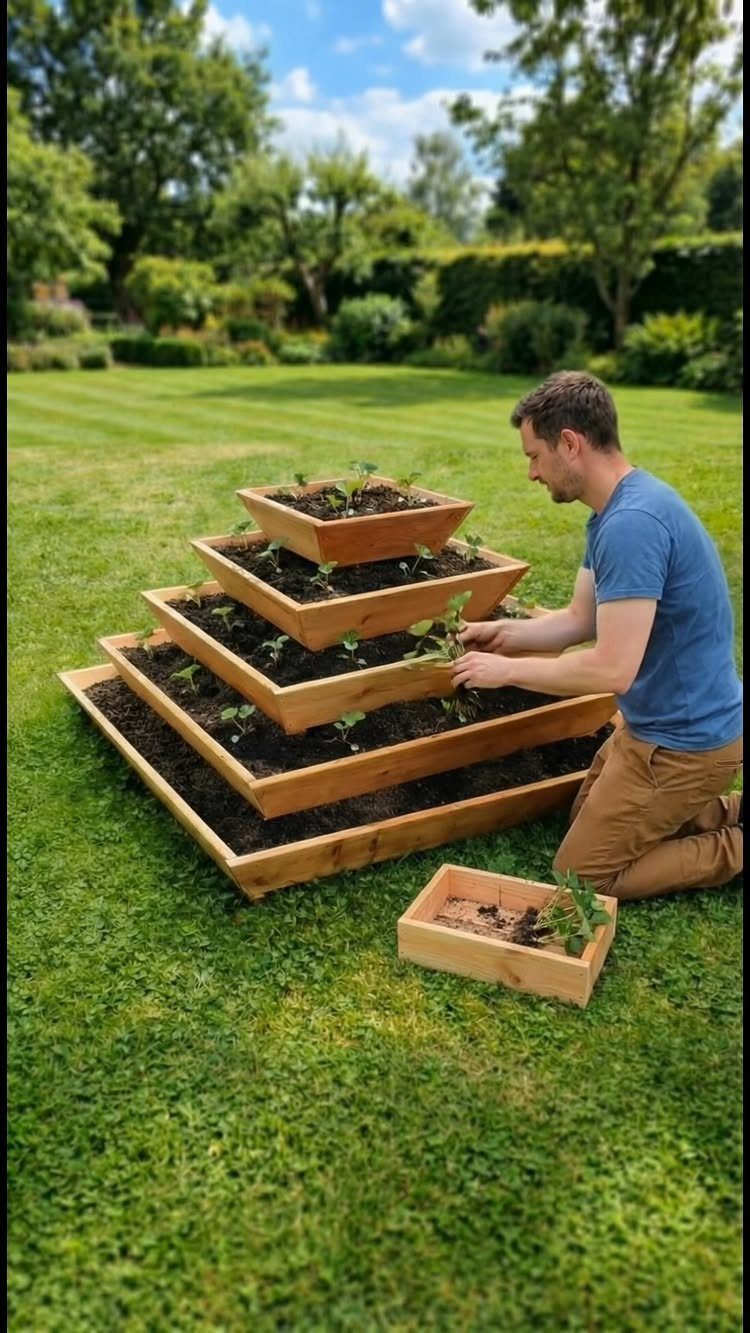
A five-tiered pyramid planter sits on grass and holds small plants in stacked rows, each shelf narrower than the one below. A footprint this small can still hold the surface area of several separate pots.
Build it from cedar or a rot-resistant softwood; pressure-treated lumber works if you line the soil side with plastic sheeting.
Check that each tier drains, or the lowest plants sit in water. Look for a design light enough to carry empty into a garage when frost threatens.
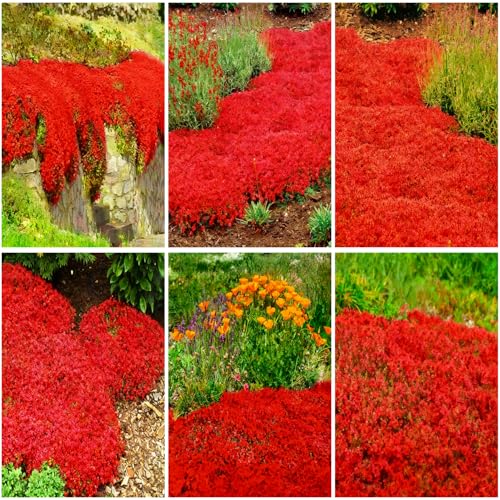
COVERAGE: Vibrant Ground Cover & Fragrance – Creeping thyme seeds ground cover form a lush, aromatic carpet with magenta-lavender blooms. Ideal for walkways, rocky slopes, and borders

COVERAGE: 20,000 seeds of creeping thyme (Thymus Serpyllum) provide extensive ground coverage for gardens, pathways, and landscaping areas

🌱 10000+ Lemon Thyme Seeds for Planting Includes 10000+ lemon thyme seeds for planting, ideal for herb gardens, borders, containers, and outdoor landscaping projects with long-lasting aromatic foliage.
9. Upcycled Plastic Bottle Hanging Planters
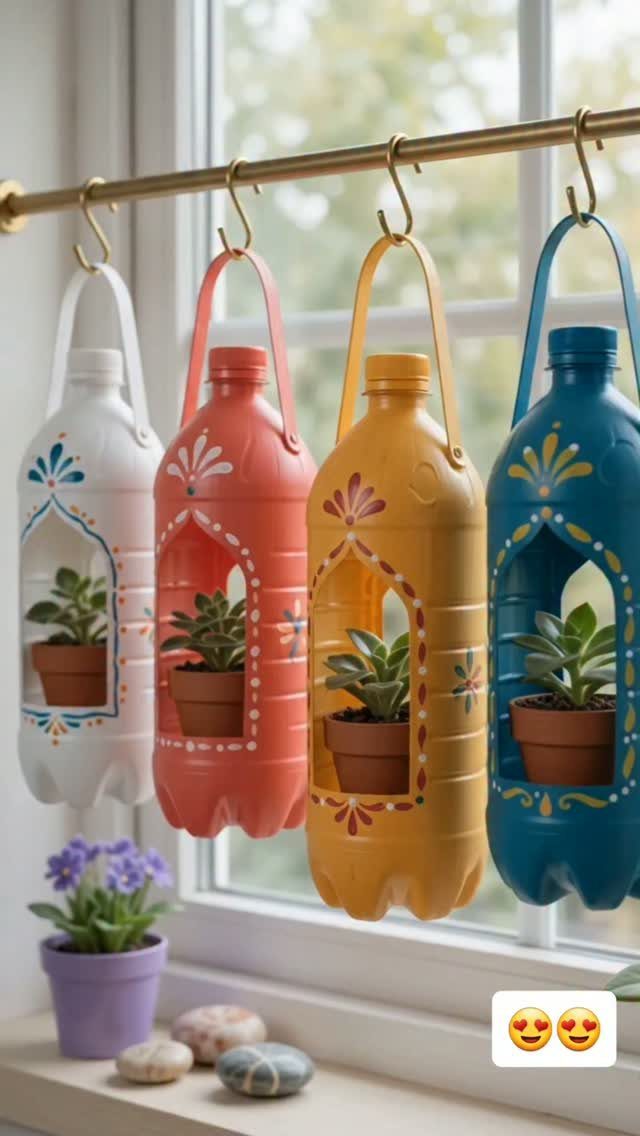
Soda bottles painted white, coral, yellow and blue hang by S-hooks from a brass rod, each with an arched cutout that cradles a small potted succulent.
The plastic keeps the soil light, so a tension rod inside a window frame holds the weight without drilling.
Cut the opening high enough that the pot rim rests on the bottle’s shoulder, not on the soil itself.
Spray paint needs a plastic-bonding primer or it chips where the hook rubs. I would stick to drought-tolerant plants; there is no drainage hole to dump excess water.

Space-Saving : This strawberry planter maximizes your gardening space by stacking 5 layers to grow more plants in a compact area. The strawberry tower planter is ideal for patios, balconies, or indoor use.

【4-Tier Size Set】: This strawberry tower set includes 4 round pots: 35.4”x11.8”, 27.5”x11.8”, 19.6”x7.8”, and 11.8”x7.8”. These strawberry planters for outdoor plants can be stacked into a vertical planting tower, maximizing space on balconies or small yards. Compared to horizontal planting, this stackable planters design increases growing capacity by 3 times for efficient strawberry cultivation
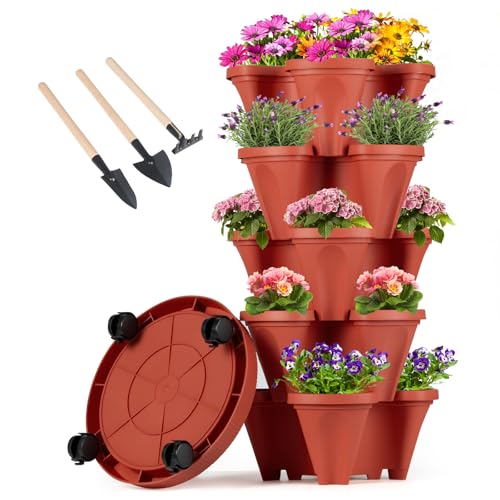
SAVE FLOOR SPACE - Stackable vertical planter tower
10. Hanging Twig Basket Planter
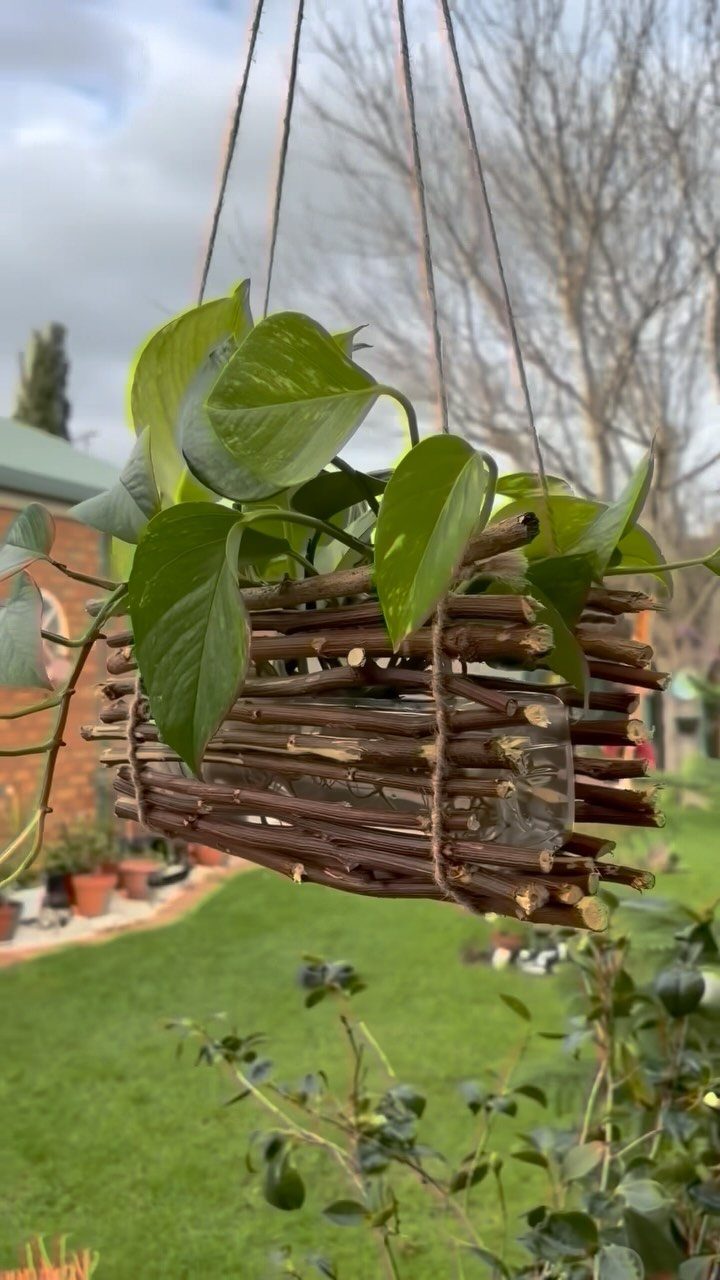
Small cut branches bound with twine form a rough basket around a clear container, hanging in a backyard with a pothos trailing out.
The sticks are thin enough to bend slightly and lash into a cylinder, and the gaps let the plant’s own pot slide inside.
Green wood from pruning works better than dry twigs, which snap under tension.
I would use jute or cotton cord that can weather a season and be replaced; synthetic line lasts longer but looks less right against the wood. The pothos tolerates the dappled light most backyards give.

【WEATHER-RESISTANT PE RATTAN CONSTRUCTION】 Crafted from weather-resistant PE rattan with a sturdy metal frame, this boho plant stand set withstands sun, rain, and humidity—ideal for indoor/outdoor use on patios, balconies, or living rooms without fading or cracking.

Good Material and Size, Handcrafted meticulously, sustainable jute and sewn in a coiling method that results in a flexible textile that is stiff enough to hold its shape. Approximate size is 11" Diameter x 11" High. Pot and plant are not included
11. Hanging Bucket Planter
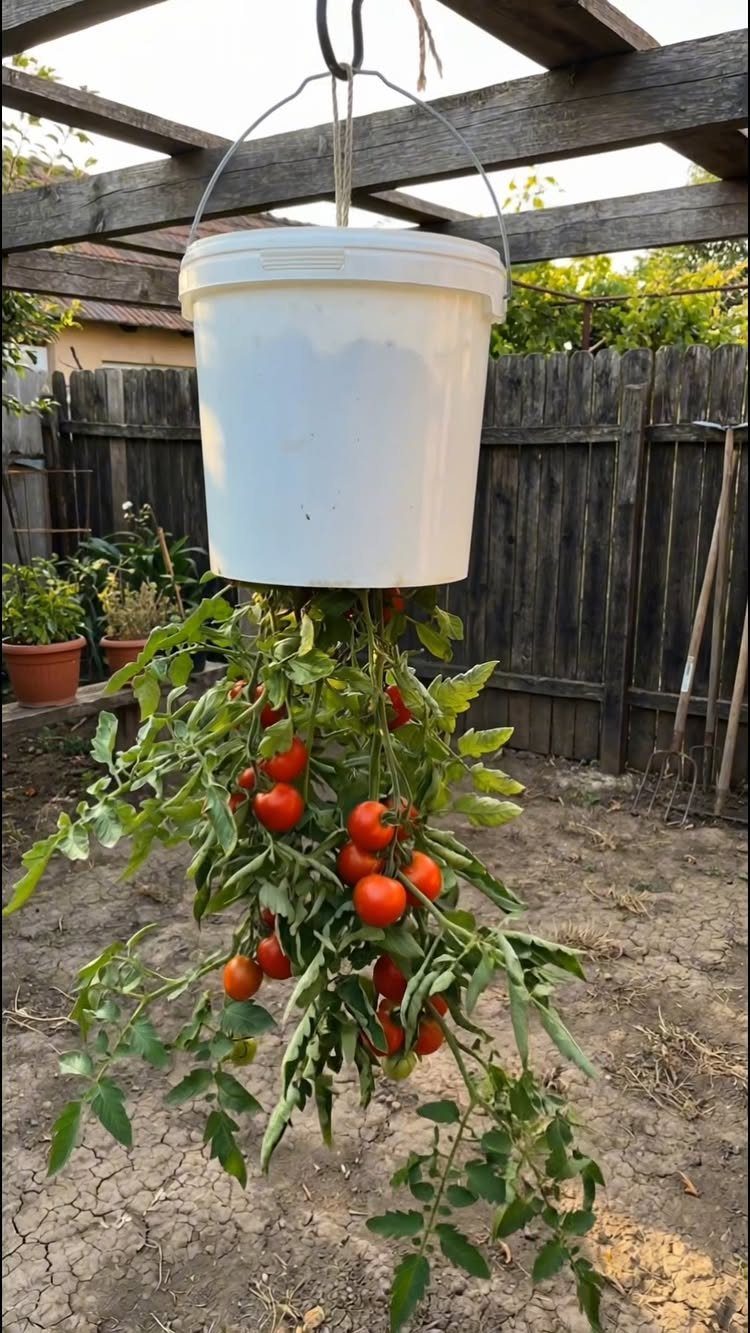
The bucket’s handle and a sturdy hook carry the weight once the plant fills out.
Drill or cut the hole in the bucket’s base, not the side; the plant needs to hang straight to set fruit properly.
A determinate tomato variety stops at a manageable size; indeterminate vines will outgrow the bucket by August. You still water from the top, and the soil mass holds moisture better than a small pot would.
12. Balcony Railing Container Garden
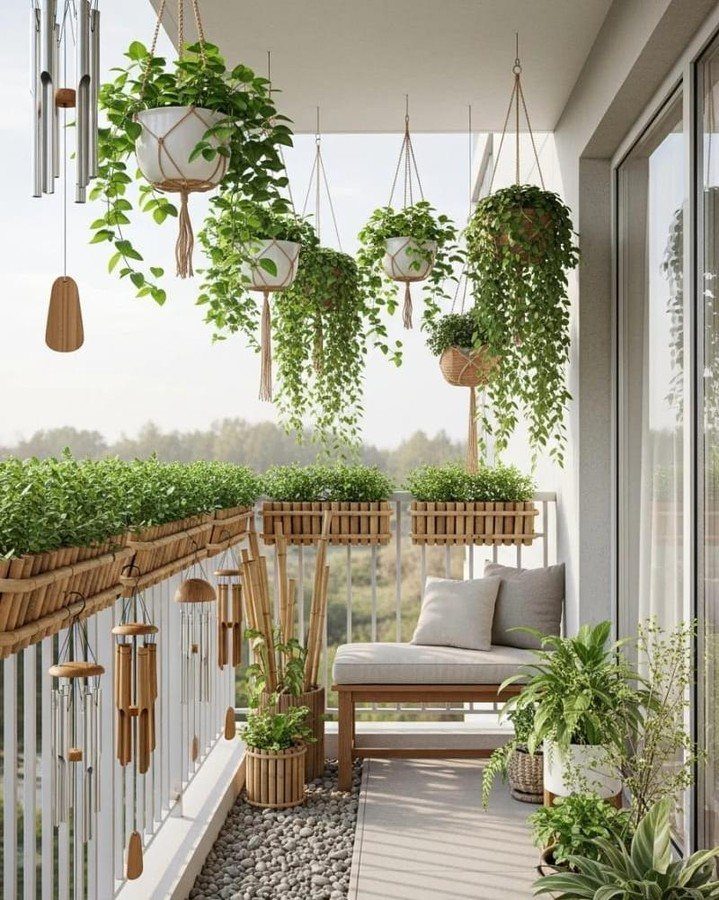
Railing planter boxes, macrame hangers and floor pots turn a narrow balcony into a garden with a bench still free for sitting.
The rail boxes face outward to catch sun without stealing floor space, and the hanging plants draw the eye up past the railing line.
Check your lease or HOA rules before adding weight to railings; some specify bracket types or ban attachments outright.
Self-watering rail boxes exist, though I would skip them in favor of checking the soil by hand. A single cushion on a wooden bench makes the space usable, which matters more than filling every square foot.
Low Maintenance Gardening
Perennials cut the yearly replanting budget to nearly zero once they are established.
The plants in the list that come back on their own are creeping thyme, lamb’s ear, astilbes, and daffodils; strawberries behave as perennials too, though their runners mean you are managing new growth rather than buying it.
The lowest-effort approach is to group plants with the same tolerance for neglect. Lamb’s ear and catmint both take poor soil and drought; planting them together means one watering schedule for the whole patch.
Marking astilbe beds with a short stake prevents accidental damage after die-back.
Edible Plants for Gardens
Strawberries work as ground cover or in stacked towers, and the plant list also holds creeping thyme for cooking sprigs plus tomatoes in a hanging bucket planter.
The white June flowers read as ornamental from the street, so the bed does not look like a vegetable patch. Creeping thyme gives cooking sprigs all summer from a patch started with a few nursery plants.
The railing garden section mentions no edibles, though a determinate tomato in a hanging bucket would fit the same footprint as an ornamental.
Repurposing Materials
Reclaimed wood and upcycled plastic are the 2 material streams in the list. Resin planters that came with the house and cracked terracotta pots take a faux stone finish instead of replacement.
Attracting Pollinators
3 plants in the list draw pollinators directly.
Shearing after bloom keeps the growth tight but removes the food source; timing that cut is the tradeoff.
No other companion pairing in the list is noted for pollinator value, though a balcony with rail boxes, hangers, and floor pots stacked vertically gives flying insects more landing layers than a single ground bed.