These setups run from a clear plastic food tub on the windowsill to a black crate holding six cloves across, and the right one depends on whether you want to grow greens inside or put bulbs through a cold season outside.
A clove planted indoors without cold weeks stays small and single, while the same clove with 8 inches of depth and a season outside can fill a kitchen jar by June.
[link-whisper-related-posts]1. Planting Cloves
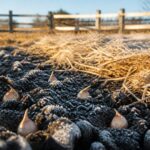
Fall is when garlic cloves get their start, and timing matters more than technique.
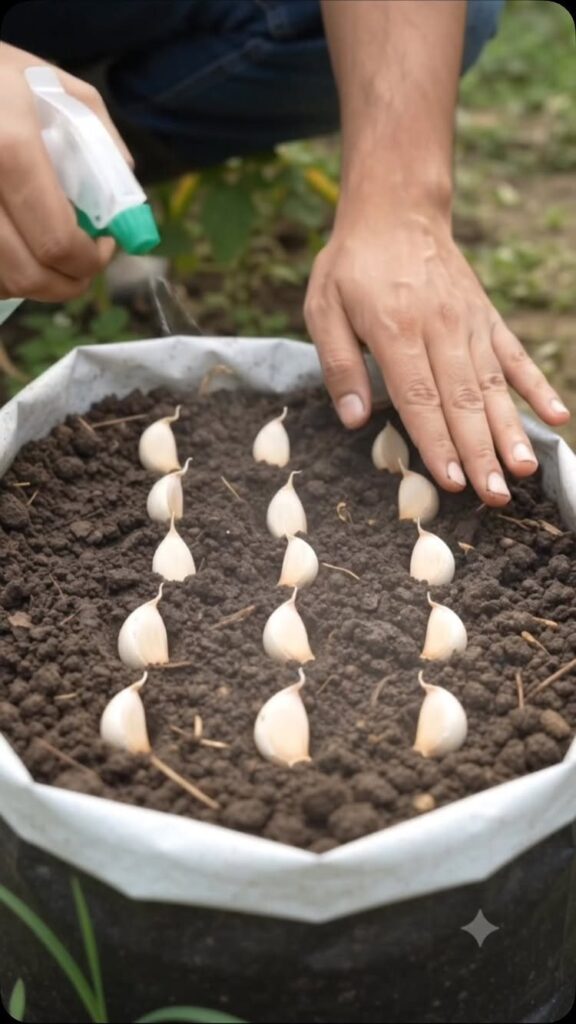
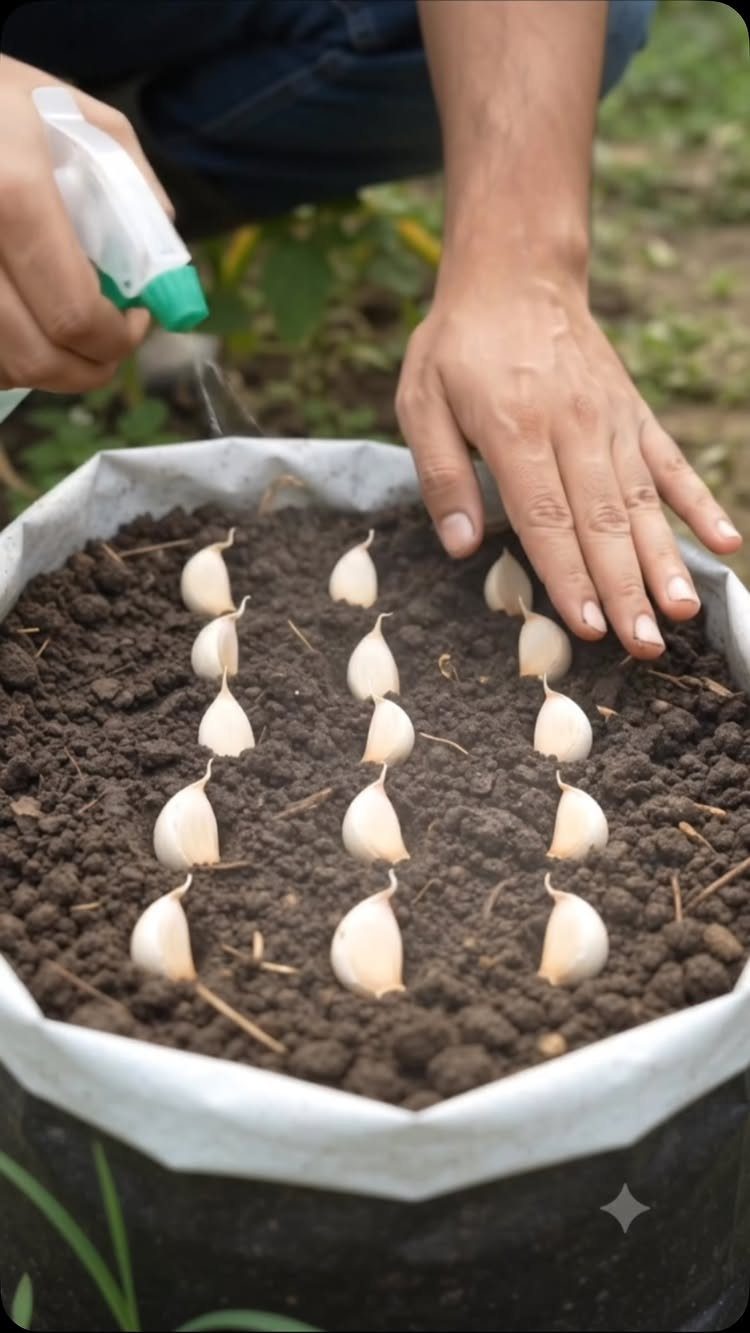
I set mine 3 to 6 inches apart, root-end down, buried just deep enough that a 1- to 2-inch blanket of soil covers the pointed tip. A light misting settles them in without washing them loose.
The papery skin stays on; it shields against rot and infection through the cold months ahead. Hardneck varieties handle winter freeze best in northern zones, while softneck tolerates milder southern winters where the ground barely stiffens.
Plant between September and November, before real frost arrives. The cloves need that stretch of chilling to divide into separate pieces; without it, you will get one round snow garlic bulb, edible but awkward to store and use.

GNOME-PLACE LIKE HOME: This gnome themed garlic keeper is an adorable addition to any kitchen that keeps your garlic fresh and ready to use. No more finding your garlic sprouting when you need it for a recipe!


California Softneck Garlic Bulbs for Planting contain multiple individual cloves that can each be planted to grow a new garlic plant. Softneck garlic develops full bulbs with numerous cloves and classic papery skins, making it an excellent choice for home vegetable gardens, raised beds and large containers.
2. Potting Soil with Compost
Garden soil in a pot is a fast track to soggy, rotted garlic.
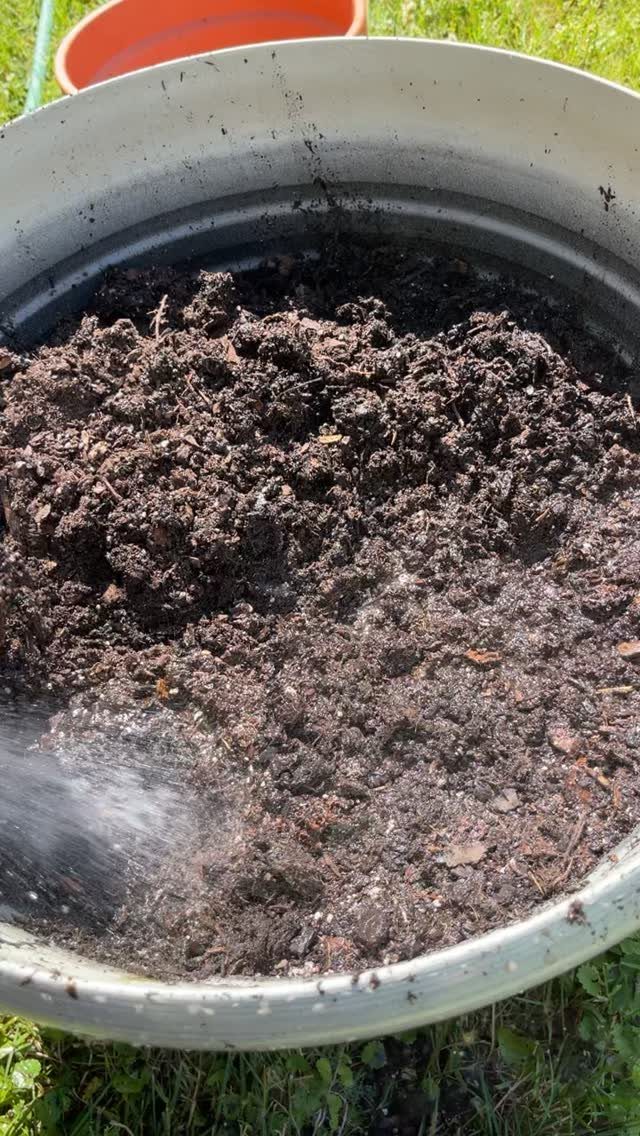
I use bagged potting mix blended with compost, about 30 percent by volume, or worm castings if I have them. The loose structure drains freely and still feeds the long months of slow growth.
Terra cotta looks classic but turns you into a daily waterer for eight or nine months.
Worse, moisture seeps into the pores and freezes, flaking and cracking the pot by spring. Plastic, glazed ceramic, or fiberstone sits outside without complaint.
An 8-inch depth is the floor for root room; I prefer wider to hold more cloves and stretch the watering interval.
My own pot is wide enough that the cloves sit a few inches apart, which keeps them from crowding each other.
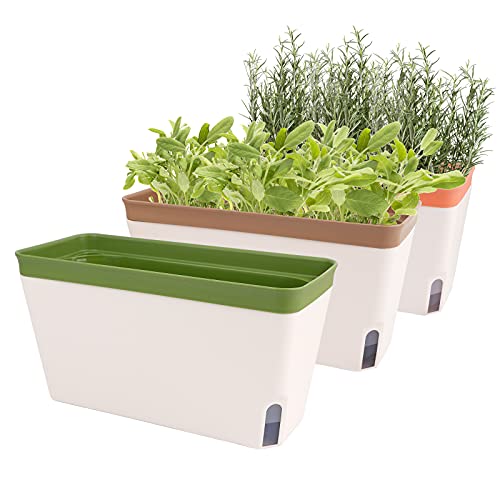
SELF-WATERING PRINCIPLE: Through two absorbent cotton ropes, the self watering pots provide water to the soil and keep the soil moist through the principle of osmosis, without having to water the plants regularly. Even if you leave home for a few days, it can help you take care of the plants and avoid plants die from water shortage.

Drain Holes Design -- Window planter box design with many small drain holes,prevent excessive watering, maintain soil drainage and ventilation.

【Simple but Modern Window Box】Simple but easy to decorate in any scene with rectangular design, good for DIY or sticking labels, bringing a good gardening and rural life; Package includes: 1 x Rectangle Window Boxes, Plants Not Included.
3. Harvesting Garlic
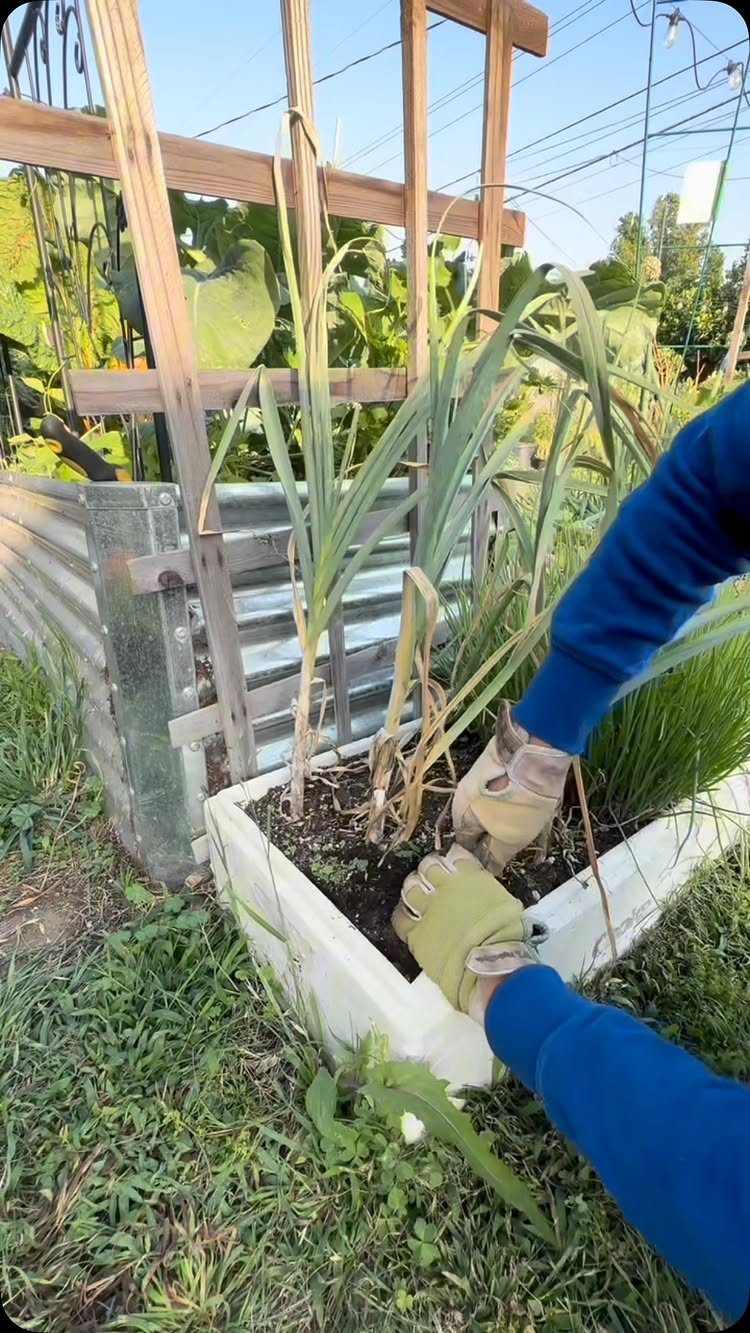
Yellow lower leaves are the signal, not the calendar, though most garlic put in during fall ripens the following summer after its long wait underground.
I stop watering once the tops start turning, then give it 2 weeks until roughly a third of each plant has yellowed and flopped.
Each clove matures on its own schedule, so I check bulbs individually rather than clearing the whole container at once.
Yanking the stalk by hand usually snaps it clean off, which leaves the bulb in the dirt and costs you the leaves you need for curing.
I work my hand down to feel the bulb, then ease it up with fingers or a pitchfork stabbed below the roots. Digging near the stalk itself, I learned early, punctures bulbs more often than you would expect.
Includes 6qt of Back to the Roots Indoor Potting Mix. Our Potting Mix contains organic yucca extract that aids in retaining moisture in the soil which keeps your indoor plants happy and healthy

INDOOR GROWING: Growing indoors is easy under the right conditions; Miracle-Gro Houseplant Potting Mix is an indoor plant potting soil that combines key elements container plants need to thrive

ALL-NATURAL MIX: Burpee Organic Premium Potting Mix is formulated with plant food & coconut coir to promote seed & root growth and healthy flower, vegetable & herb plants. OMRI Listed for organic use.
4. Clear Plastic Container Setup
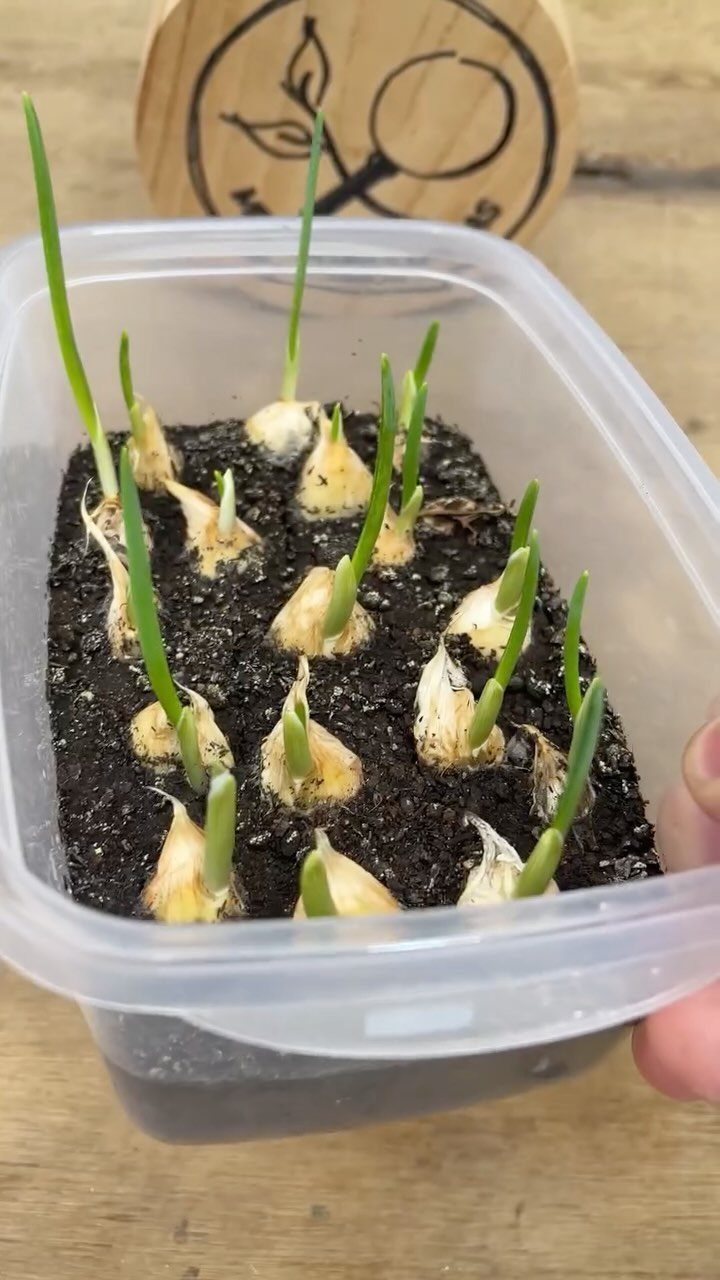
A clear plastic food container makes garlic sprouting visible in a way soil hides. I can watch roots reach and shoots push without disturbing anything, which satisfies the impatient side of gardening.
Soil goes in first, cloves press in root-down with the pointed end up, then a thin layer of mix covers them.
Moisture stays even without waterlogging, and the shallow depth suits the early weeks before transplanting or finishing in a deeper pot.
For real harvest, this size is only a starting point.
Garlic roots eventually want 8 inches of depth and a drainage hole; I move these starts to a proper container once green shoots stand several inches tall. The clear walls then become a lesson in root development, not a permanent home.

Stackable Pantry Organizers and Storage: overall size: 11-7/32"L*7"W*7-1/8"H. The bamboo lids: 11.22"L*7"W*0.60"H. Large Opening Front: 7.68"L*5.32"H. The large capacity trash bag holder is designed to accommodate most standard and large roll garbage bags, includes 4/8 /13 gallon most sizes, which meets the needs of ordinary kitchen laundry storage. Our Pantry organizers stand out because although there is an opening in the front, we have added a flexible stopper that can be removed and installed at any time, which effectively prevents items from being placed too full and falling out of the open opening

Complete set: This value pack includes 24 plastic spice jars with shaker lids, spice chalk labels, blank chalk labels, everything you need to organize and label your spices

Product Size and Composition: The size of the kitchen storage organization is 29cm*18cm*18cm (11.3in*7.1in*7.1in) for the large size and 26cm*15cm*13.5cm (9.8in*6in*5.3in) for the small size. You will receive the package inside containing 2 large and 2 small storage organizers, a total of 4 pantry storage boxes to help you organize and store your items quickly and easily.
5. Black Plastic Crate Planter
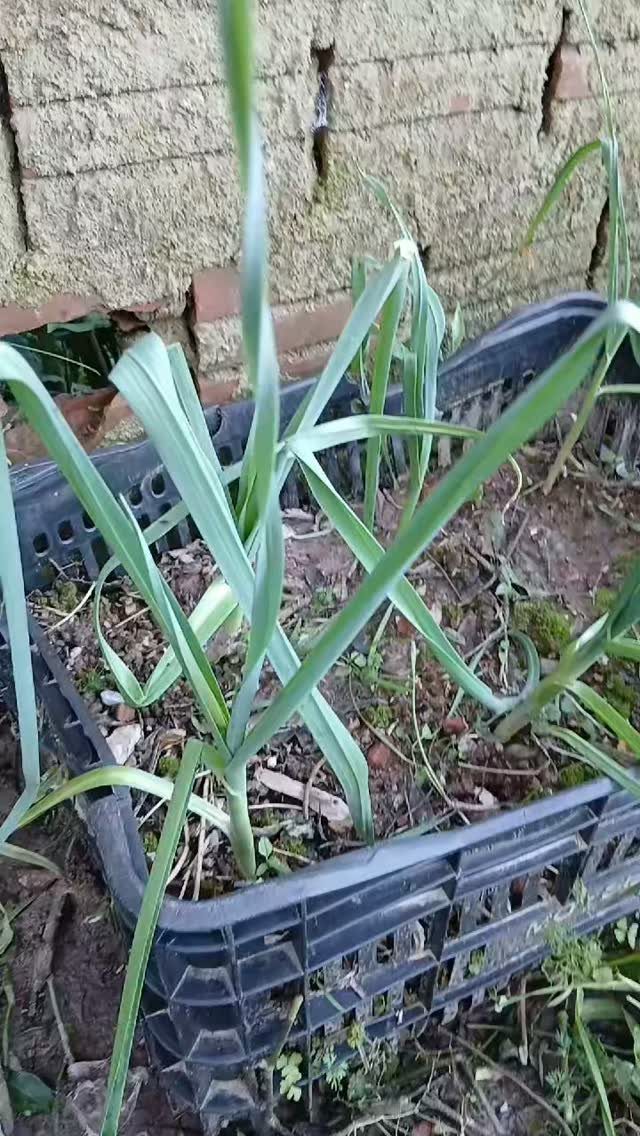
Black plastic crates stack, store, and cost next to nothing come planting time.
Depth is the question to settle first.
8 inches is the minimum for garlic to bulb properly; shallower and you get cramped roots and thin results. Most crates run deeper than they look, but I measure before filling.
Black plastic absorbs summer heat, which can stress roots in warm months.
In cooler spring and fall weather that same warmth helps starts along; I would shade the southern side in July if I were keeping a crop through peak heat.
For a single-season run planted in fall and pulled in June, the tradeoff barely registers.

Large Opening and Capacity: This garlic keeper measures 4.4" x 3.9" diameter, which can easily hold 3 normal-size garlic bulbs. The wide opening makes the garlic holder easy and convenient to take the garlic out with your hands. A must for garlic lovers! Not only a garlic jar, also it can be used for onion, patato or ginger.


Ventilated Lid for Freshness – The small holes on the lid promote air circulation, helping to keep garlic fresh and dry for longer periods. SIZE: 2.95x3.3inch. Please check the size carefully before order!
Growing Garlic Indoors
Growing garlic indoors for full bulbs is more trouble than most kitchens can handle. A windowsill rarely gets cold enough long enough for the cloves to shift from growing leaves to building bulbs.
I have kept pots in an unheated garage through winter, which stays cold enough to trigger bulbing without freezing the roots solid.
Come spring, the plants still need serious light, so I haul them back outdoors or park them on the sunniest windowsill I’ve got.
Skip the cold treatment and indoor garlic tops out at salad greens. The leaves clip cleanly for cooking, but the clove beneath stays small and single.
For someone in an apartment with no outdoor space at all, greens are a reasonable harvest; just know what you are signing up for before you fill the pot.


GUARD YOUR GARLIC: Keep your garlic safe and organized with this classy terra cotta garlic keeper. Works for small and medium sized bulbs, larger sized bulbs may not fit.
Container Materials
Plastic holds moisture longer than terracotta, which matters when a container sits through eight or nine months of growth.
I learned the hard way that terra cotta in winter means ice in the pores, and by spring the pot has chipped or split.
Fiberstone sits in the middle, heavier than plastic but less thirsty than clay.
Drainage holes are not optional. I add gravel to the bottom of any pot so water does not pool where the roots sit.
Moving pots into an unheated garage for the coldest nights protects the roots from hard freeze while still letting the bulbs feel enough cold to develop properly.
A bedsheet draped over the top, weighted at the edges, works in a pinch if frost cloth is not on hand.

Indoor Herb Garden Planter with Tray - Add greenery to your home with this vintage metal windowsill planter. Herb planters for indoor plants with a farmhouse touch. Place the indoor herb planter on your kitchen counter or display the small herb planter as an apartment window planter.

【Indoor Herb Garden】Experience the joy of gardening with our specialized indoor herb planter. This set includes a planter with a tray but does not come with plants and seeds. Designed specifically for herb cultivation, these planters can be used both indoors and outdoors. Crafted from durable metal with a sleek, glossy white finish, they blend functionality with a farmhouse style to enhance your living space.

【Drainage Holes and Attached Saucer】3 opened drainage holes and 3 reserved holes, conductive to keeping soil drained and ventilated, providing properiate airflow and promoting plants to grow strong; Easy to clean with the removable tray.
Spacing and Depth
The width matters too, since cloves need 3 to 6 inches of space on all sides. A 24-inch container at proper depth holds four to six plants, which is enough garlic for most kitchens.
Smaller, single-clove pots make sense if you rearrange your space often or grow on a balcony where every inch counts. One healthy clove per pot also means less weight to lift when you move them inside for a hard freeze.
Four good-sized heads in June beat eight stunted ones that barely qualify as roasting garlic.
Garlic has a relatively short root system, so you don’t need super deep pots to grow massive bulbs. Instead, all you need is a container that’s at least 8 to 10 inches deep.
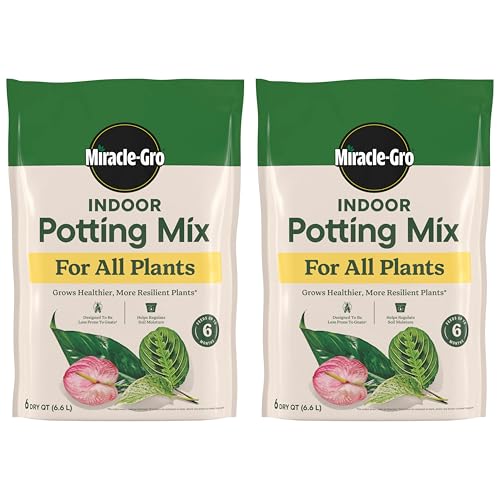
Miracle-Gro Indoor Potting Mix for All Plants feeds houseplants for up to 6 months and grows healthier, more resilient plants (vs unfed when used as directed)

Nutrient-Rich Composition: 100% organic potting soil is packed with essential nutrients and minerals, providing a fertile environment that promotes robust and healthy plant growth
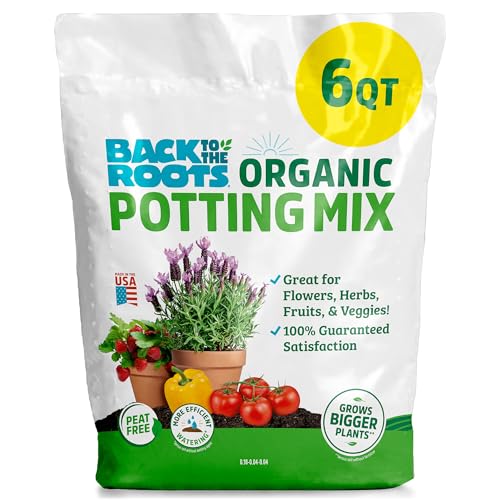
Includes 6qt of Back to the Roots Premium Blend Potting Mix. 100% Organic and Peat-Free, made from upcycled plant matter and wood fines from across the U.S. No imported peat, just better soil with a lighter carbon footprint.
Temperature Requirements
I water until the soil freezes, then let the pot rest under mulch or in a sheltered spot until spring growth starts.
In a warm-winter zone, you can fake the chill by storing loose seed garlic in a refrigerator drawer for the required weeks before planting.
I have not tried this myself, though sources I read agree it works for gardeners who lack a true cold season.
The garlic still needs its long, warm summer afterward to finish bulbing, so indoor temperature control alone will not carry a crop from clove to harvest.

SMART KITCHEN STORAGE: The Easy Essentials Specialty 10-Ounce Onion Container is perfectly designed to hold half of a large, sliced onion.

Premium Quality: Our plastic spice containers are made of high-quality plastic, durable and lightweight, and not easily broken.

Airtight Seal keeps butter fresh
Frequently Asked Questions
Does garlic grow well in containers?
Yes, garlic grows well in containers if the pot is at least 8 inches deep and has drainage holes.
The cloves need space to expand underground, and the soil mix has to drain freely so the bulbs do not sit wet through winter.
I use plastic or glazed pots that handle freezing without cracking, since a container sitting outside from fall to summer takes real weather.
How many garlic plants can you grow in a 5 gallon bucket?
A 5-gallon bucket holds about four to six garlic cloves spaced 3 to 6 inches apart. Four full-sized heads beat eight cramped ones that barely size up for roasting.
What are some common mistakes people make when planting garlic?
Overwatering rots the cloves before they establish, and skipping the cold period leaves you with single round bulbs instead of divided heads.
I water with a light mist at planting and let winter do the chilling work outdoors. Garden soil straight from the yard is another trap; it compacts in a pot and holds too much moisture around the roots.
Will garlic grow back every year?
Garlic is grown as an annual and needs replanting from saved or purchased cloves each season. A clove put in during fall bulks up by the following summer, then that bulb is harvested and the process starts fresh.
Keeping a few of the best heads from June to break apart for September planting saves buying seed garlic and keeps the strain going.