These 21 ideas run from a $60 afternoon build to full weekend projects with stone and concrete, and the right one depends on whether you are solving for privacy, food, shade, or just somewhere to sit after work.
A backyard pond with a rigid liner and small submersible pump fits the same budget tier as a pallet-wood bar in the DIY Projects section; both need an afternoon and a hardware store run, but only one forgives a yard that slopes toward the foundation.
I sorted the list by what your yard already does and what you are willing to change.
[link-whisper-related-posts]1. Patio and Garden Zones
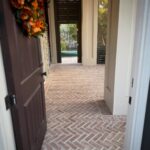
Brick pavers or poured concrete mark where the patio ends and the garden begins, the way Mike Pyle used brick to separate an outdoor kitchen from the main slabs.
I started my own zone plan by listing what the yard needed to do: cook out, grow tomatoes, read in shade. Those jobs became 3 areas, each with its own surface.
A lower patio for the grill and table, a raised bed zone for vegetables, a gravel corner with a single chair. One zone at a time keeps the budget under control and the work to a weekend per section.
Break up a large backyard by using different hardscaping surfaces to landscape your different zones.

American Arborvitae Seeds for Planting: Grow beautiful native evergreen trees with dense emerald-green foliage that naturally forms outstanding privacy screens, windbreaks, living fences, property borders, and landscape accents. An excellent choice for backyard privacy, foundation plantings, wildlife habitats, and year-round evergreen beauty that enhances any landscape.

Upgrade today with the 2026 Latest Upgraded Version and enjoy fuller greenery, stronger installation, and instant privacy

2. Hedges for Privacy
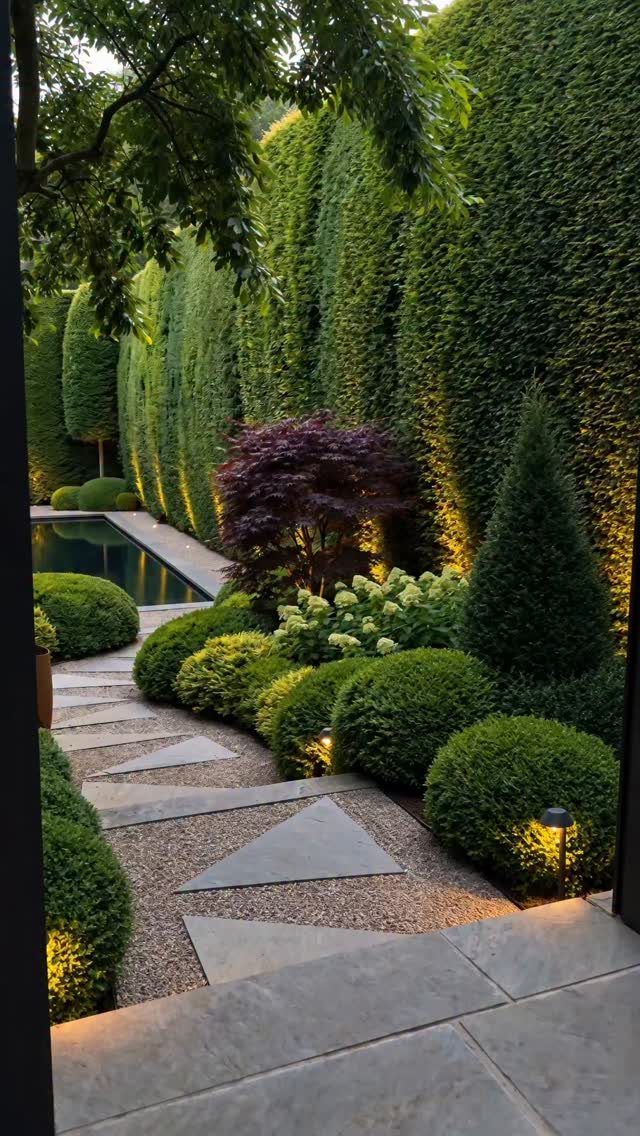
A boxwood hedge started from a gallon pot grows to shoulder height slowly, but the wait costs less than a fence and outlasts most.
Patrick Wade rebuilt an old bungalow yard with boxwood spheres and hedges after clearing overgrowth, and the result screens the pool from neighbors without any permit.
Fast-growing evergreens like Leyland cypress or privet speed up the timeline if you need privacy in two seasons, not five.
You will prune more often. I laid out my own hedge line with a garden hose first, walked it for a while, then moved it twice before digging.
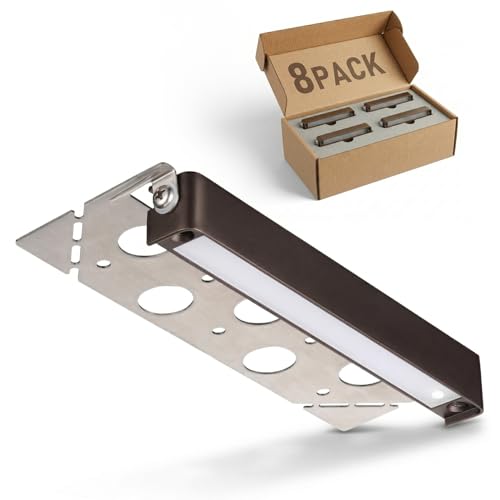
Widely Used: Powered by 12-24V AC/DC, this LED low voltage landscape light can be used to light barbecue fire pits, landscape steps, retaining walls, decks, rock brick column, outdoor kitchen, flowerbeds, and masonry walls. This hardscape paver light can be rotated to fits more applications


PENETRATING STONE SEALER: All-purpose natural stone sealer that provides an impenetrable barrier from moisture and saltwater erosion. This deep penetrating grout sealant is ideal for both indoor and outdoor stone surfaces such as travertine patios, flagstone walkways, stone pavers sealer, limestone pool decks, and it’s ready to use. No mixing required!
3. Flower Garden
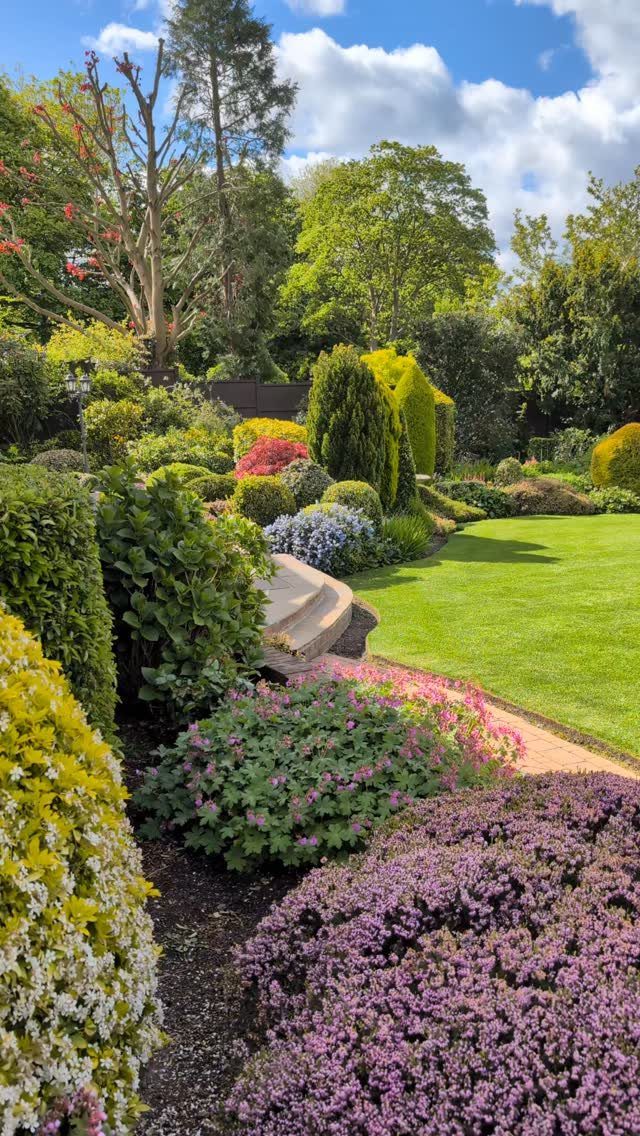
A flower garden built from perennials fills out over time on a small budget, one wave of color at a time.
Robert Stilin used hydrangea rows and hedges as soft fencing for an East Hampton cottage; the same approach works on a plain rectangular lot by planting the perimeter and keeping the center green.
Start with what blooms in your local yard sale season, add one new variety each spring, and note what survives the winter.
My first peony took patience; I almost dug it up before it finally bloomed, and then it produced so many flowers I stopped counting.
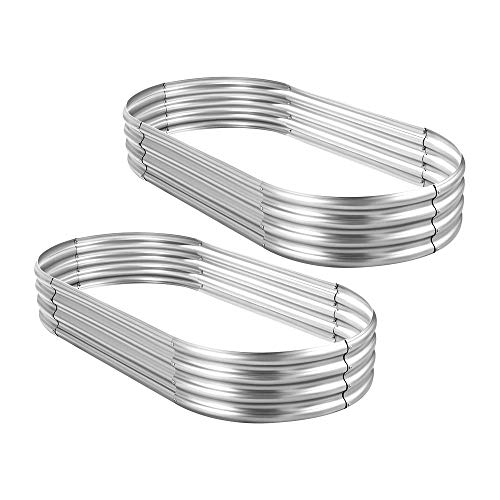
Each raised metal garden bed size: 4×2×1ft , 7Cu

SIZE: 47.24"L x 23.62"W x 11.81"H, this oval raised garden bed provides practical growing space for vegetables, flowers, herbs and other outdoor plants

More suitable raised garden bed size and Volume:67"L x 20"W x10"H, 7 Cu. Ft. You can cultivate plants, like vegetables, flowers, herbs in your patio, yard, garden, and greenhouse.
4. Vegetable Garden
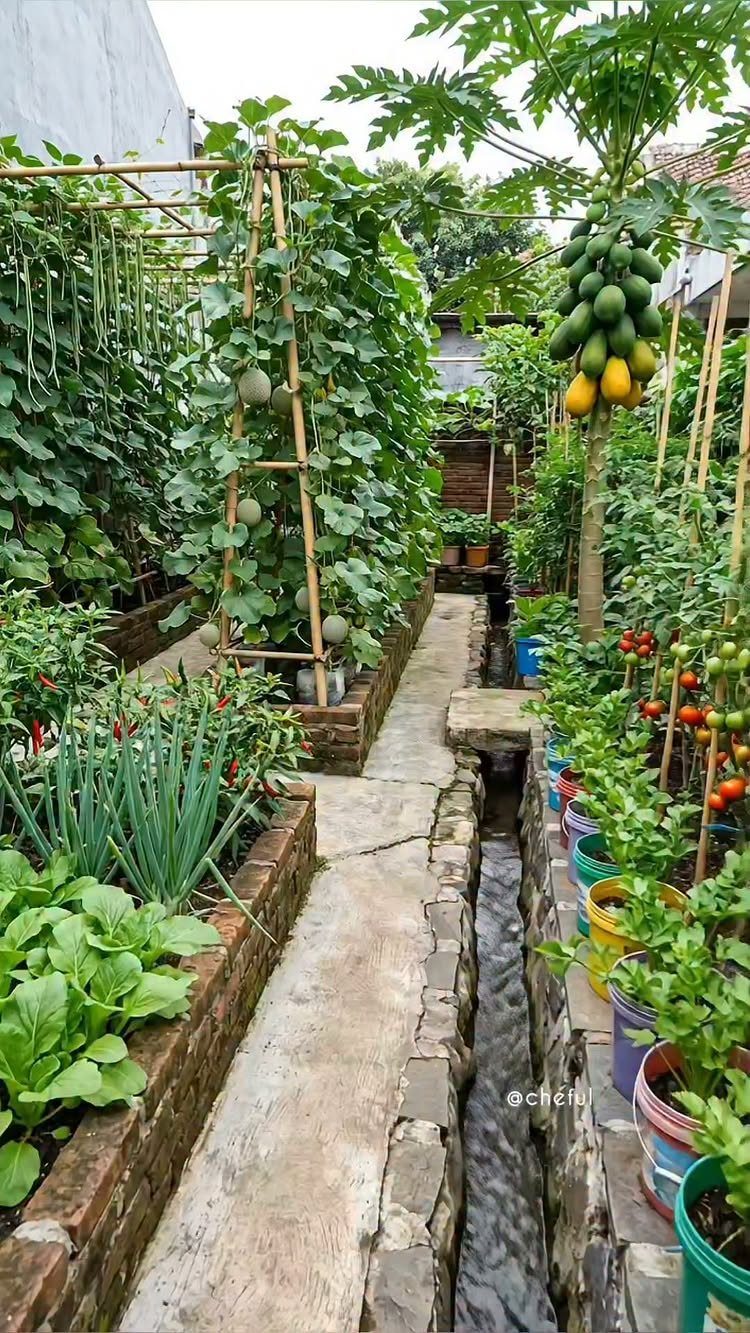
Raised brick beds with bamboo trellises grow more food per square foot than row planting because the vertical space handles climbers.
I stuck to green beans and tomatoes my first year, the 2 crops I actually ate in bulk, and skipped the fussy vegetables that need staking, spraying, or perfect soil.
A narrow side yard handles this setup easily; the beds warm faster than ground soil and the brick edges keep mower wheels back.

Easy Growing: Perennial hydrangea seeds that thrive in various growing conditions, producing stunning blooms year after year with proper care and maintenance

Vibrant Color Mix: Includes 150+ premium hydrangea seeds in a stunning blend of blue, pink, and purple shades, perfect for adding a colorful and lively touch to any garden

5. Native Plantings
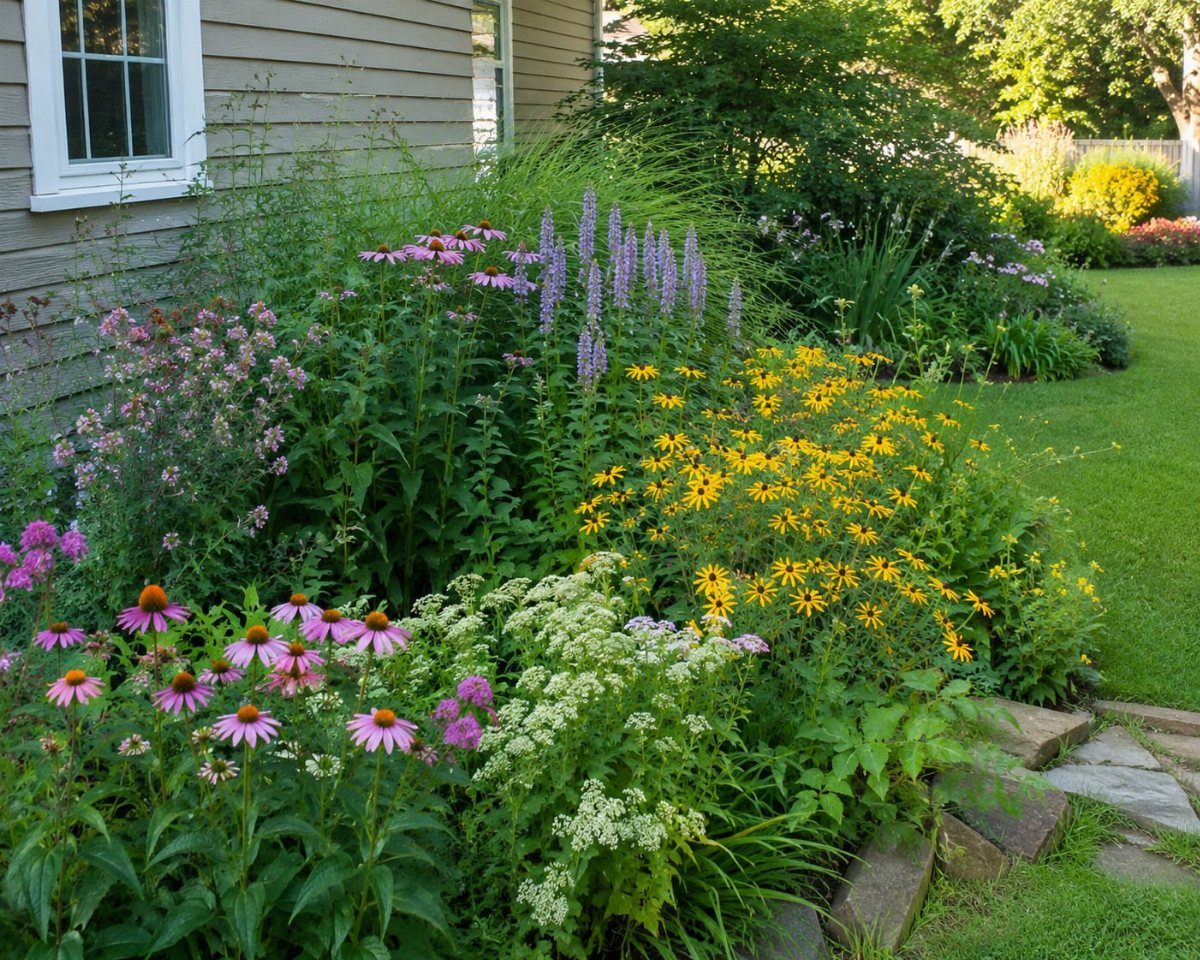
Coneflowers and black-eyed Susans are not random wildflowers; they are natives to much of the Midwest and Southeast that reseed themselves once established and need no sprinkler after the first season.
Terremoto shaped a Los Angeles hillside into layered wildness, matching sages, native grasses, lilacs, and redbud to the dry slope they already suited.
Check your county extension office’s native plant list before buying, not the garden center’s front table. Lavender died repeatedly in my clay-heavy soil before I gave up on it; coneflowers thrived in the same spot with no fuss.


This kit maximizes quality and affordability. 10' x 15' Pond Kit can build an 6' x 11' (750 gallon) fishpond or water garden at a 1.5' depth. Finished pond length, width, and depth can be tailored to your specific requirements.

This kit maximizes quality and affordability. 15' x 20' Pond Kit can build an 11' x 16' (2,000 gallon) fishpond or water garden at a 1.5' depth. Finished pond length, width, and depth can be tailored to your specific requirements.
6. Vertical Garden
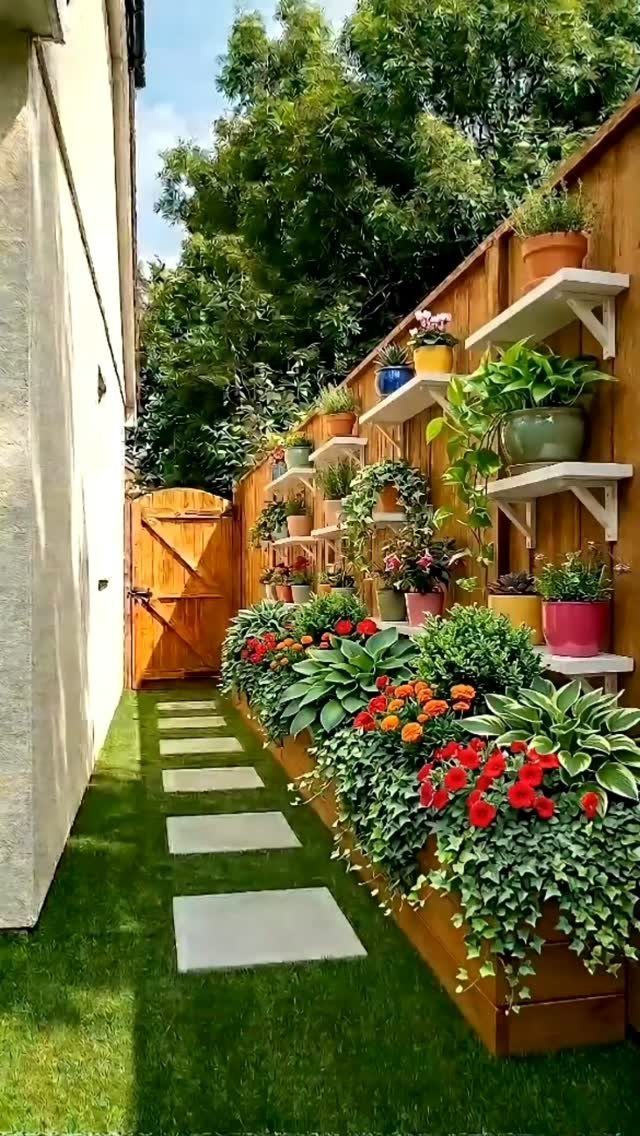
White shelves with potted color above a ground-level bed use the same hardware that supports climbers on a trellis panel hung instead.
I built my first vertical garden with two-by-fours and standard window boxes from the hardware store, about $60 and an afternoon; the pots dry out faster than ground soil, so I grouped them by water needs and kept the mint alone in its own box before it took over everything else.

Product Description: This artificial ivy privacy screen is 120 inches long and 60 inches wide. The fake ivy fence panel is formed by covering surfaces of mesh backing with green faux leaves. Our fence privacy panels are durable, creating both private spaces and blocking unsightly views. They maintain a natural appearance year-round.

Your Private Outdoor Sanctuary: Our artificial ivy privacy fence features dense, overlapping leaves and a breathable mesh backing that effectively blocks unwanted views from busy streets or neighboring properties. Unlike solid barriers, the mesh design allows fresh air to circulate freely while keeping prying eyes out and reducing harsh sunlight. UV-resistant and fade-proof, this screen maintains its lush green look season after season. Perfect for balconies, patios, backyards, or fence covers – create a secluded, peaceful space that is truly yours

Privacy fence: The fake leaves of this artificial ivy privacy fence screen look very realistic, and can be used to decorate rooms, gardens, fences and as a balcony privacy screen to meet your coverage needs and create a fresh, comfortable and private green background space for you.
7. Backyard Pond
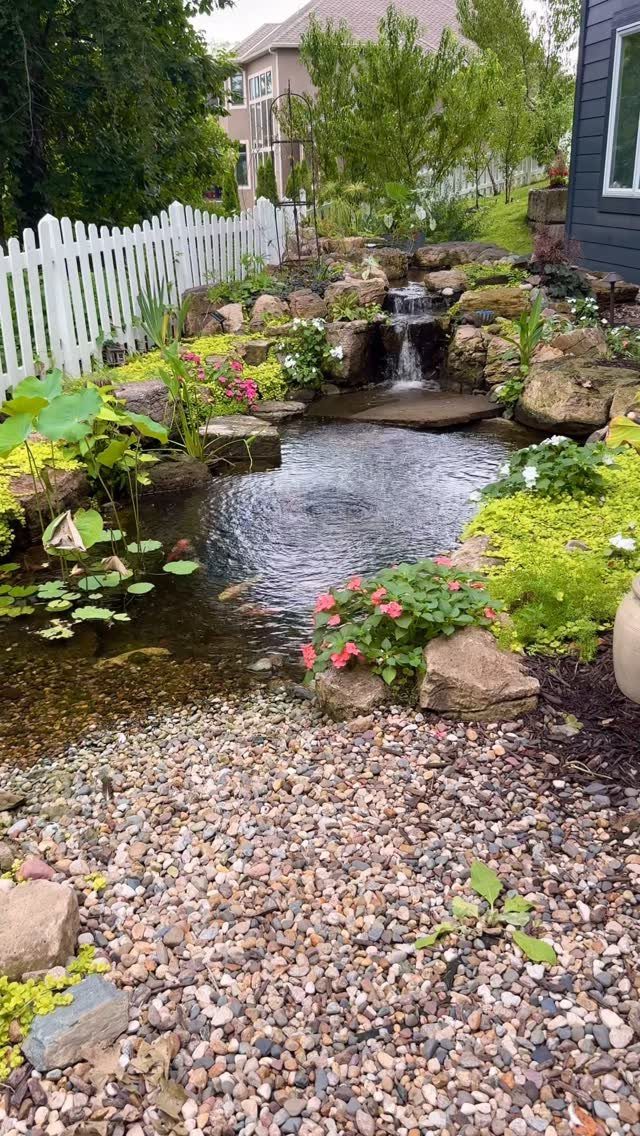
A backyard pond builds a buffer between your day and the neighbors’ mowers. A stone-lined pond with a tiered waterfall works fine with a small submersible pump from the hardware store instead of an artesian flow.
Start with a rigid pond liner or a preformed shell, dig a little deeper than the shell for a sand base, and run the electrical before you backfill.
A pond draws frogs fast once it sits still enough, which most people count as a success.
Add marginal plants in baskets to shade the water and keep algae down.
A pond in full sun needs more fuss. You skip the fence permit and the chlorine, though you will skim leaves and top off evaporation.

【Reusable】: Garden stones can be used again immediately after you pour your first garden stepping stones, so you don't have to wait.

YOUR PAVERS DESERVE TO SHINE - Dull, cracking & stained surfaces kill your curb appeal. DOMINATOR wet look paver sealer transforms them with a bold high gloss finish.

Our contractor-grade QLT Brick Tongs makes carrying bricks easier.
8. Raised Garden Beds
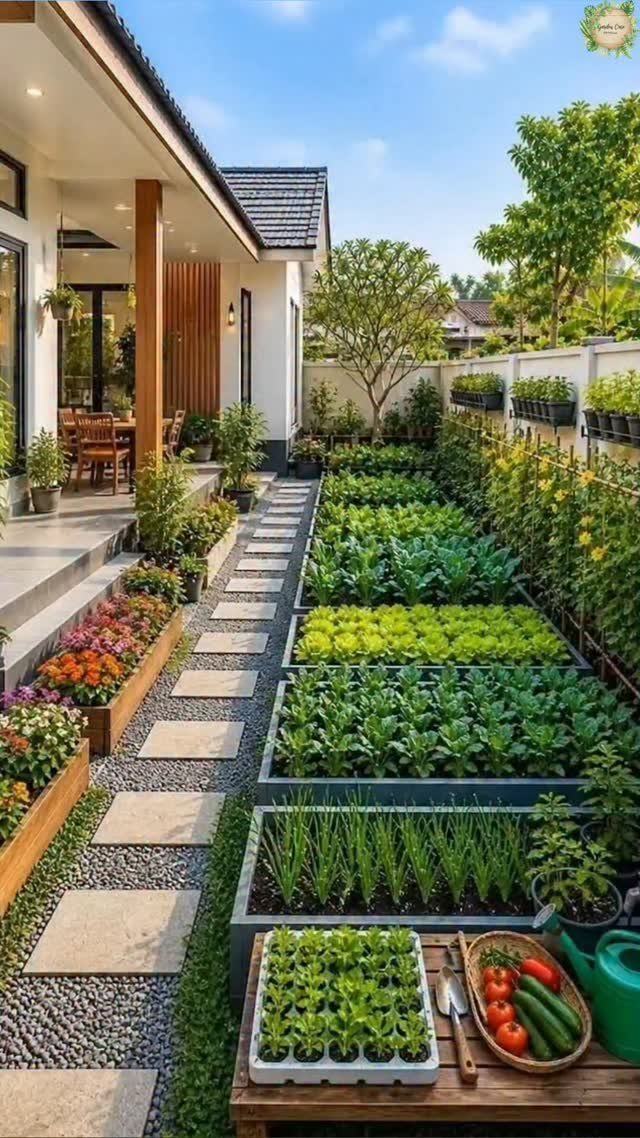
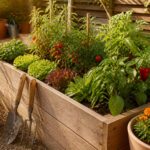
Raised beds lift the soil above your ankles and above bad drainage. Stone-edged gravel paths between rectangular beds work best when the beds sit high enough for planting and harvest at hip level.
Fill the bottom third with logs and brush for drainage and bulk, then a mix of topsoil and compost above. Cedar or alder lasts longer than pine; avoid pressure-treated lumber for vegetables.
No-tool corners are possible with rebar driven through predrilled holes to pin the joints. Raised beds warm faster than ground soil in spring, and the lettuces will prove it.
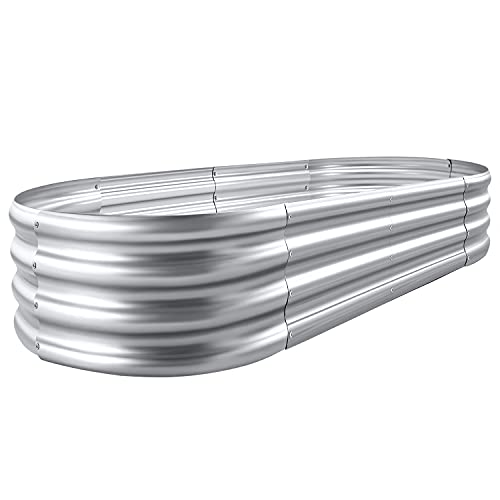
Each raised metal garden bed size: 4×2×1ft ,7.14Cu


Feed your raised bed for up to 3 months
9. Herb Garden
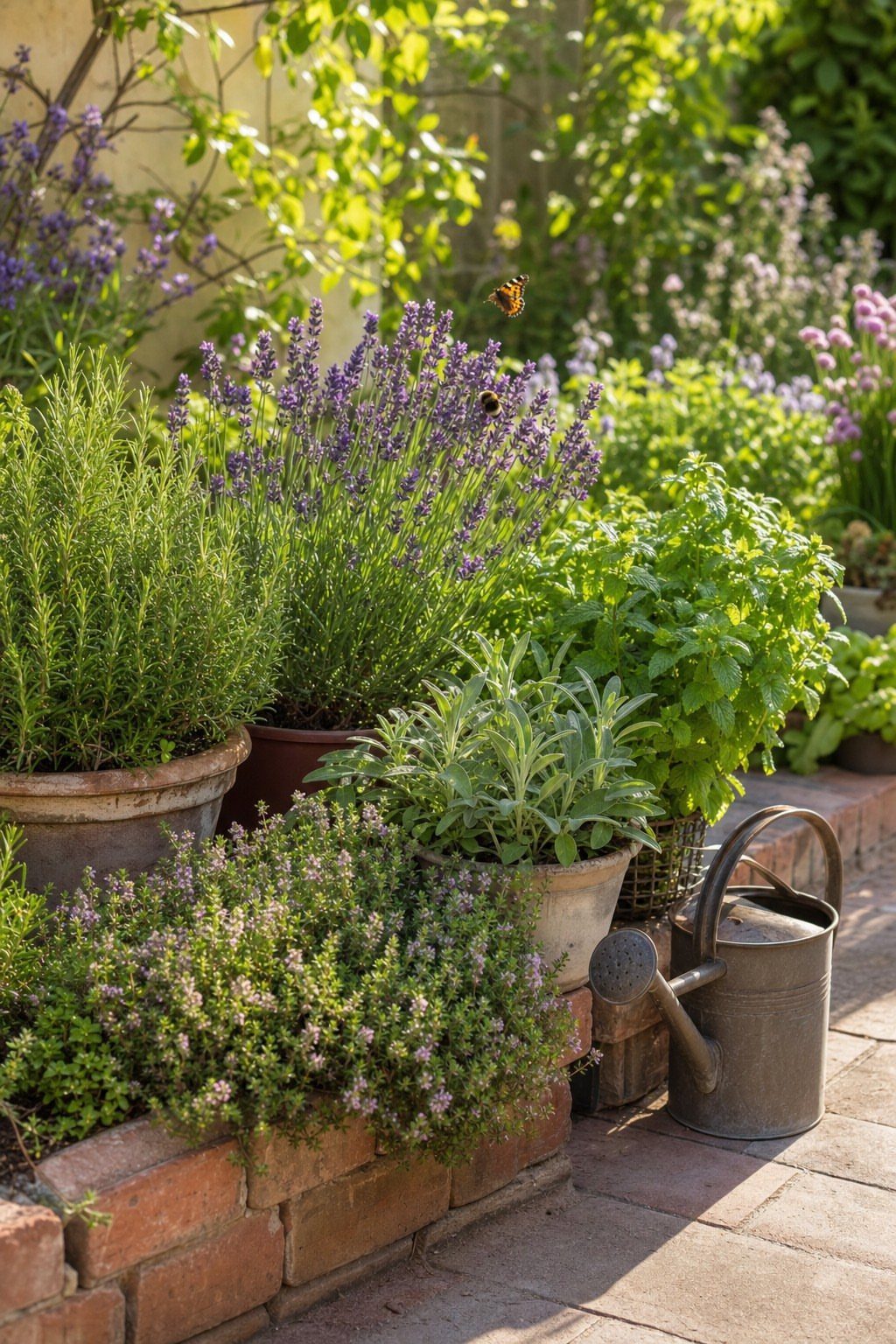
A dedicated herb garden turns cooking from a pantry raid into a quick step outside.
Keep basil and cilantro in their own containers; both bolt fast in heat and need more water than the Mediterranean herbs. Group pots by thirst, not by alphabet.
Keep the whole herb arrangement close to the kitchen door or you will skip the trip when the pasta is boiling. I lost good intentions to a herb bed at the far fence before moving it closer.

SEED SELECTION: 25 bigleaf hydrangea seeds for a flowering-shrub growing project. The supplied identity is confirmed as Hydrangea macrophylla.

【Iconic ‘Vanilla Strawberry’ Color-Changing Blooms】 Grow the show-stopping Vanilla Strawberry Hydrangea! This variety is famous for its large, cone-shaped flower heads that emerge creamy white in summer, gradually blush to soft pink, and mature to a deep strawberry-rose in fall—a stunning display of color on a single plant.

WHAT YOU WILL RECEIVE: You will receive 2 Nikko Hydrangea plants live in 2.5-inch nursery pot, ready for transplanting into your garden, landscape, or decorative outdoor container.
10. Install a Pergola
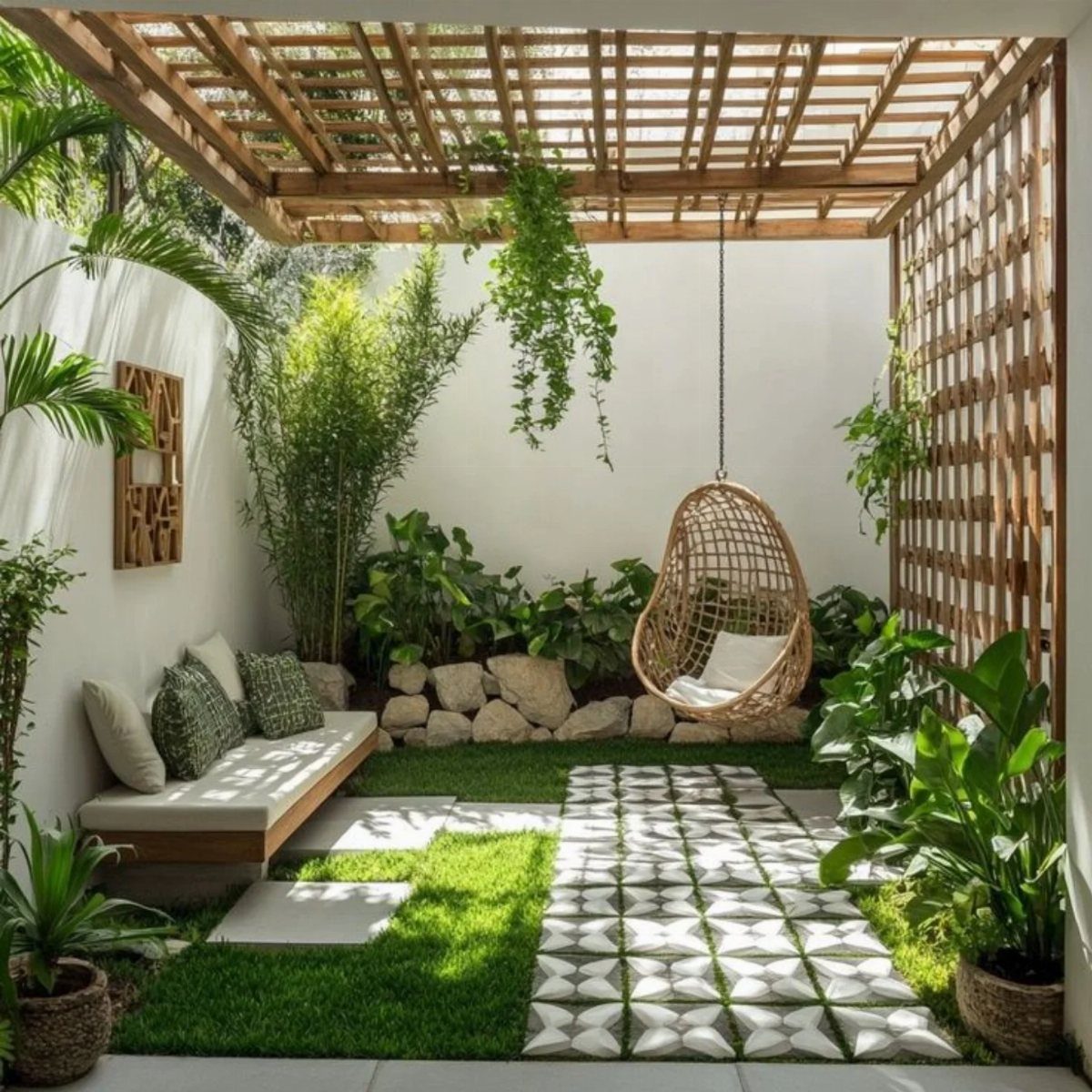
A pergola gives shade without blocking breeze, and a structure for vines to climb.
Build from pressure-treated four-by-fours or cedar posts set in concrete footings, with notched cross beams and adjustable shade slats above.
The open roof lets light through; close it later with a retractable canopy or let wisteria do the work over 3 seasons.
Check local code before digging; many towns exempt small pergolas from full permits but still want setback from property lines. Calling the inspector first saved me a week’s worry.
This kit maximizes quality and affordability. 15' x 15' Pond Kit can build an 11' x 11' (1,300 gallon) fishpond or water garden at a 1.5' depth. Finished pond length, width, and depth can be tailored to your specific requirements.

This kit maximizes quality and affordability. 15' x 20' Pond Kit can build an 11' x 16' (2,000 gallon) fishpond or water garden at a 1.5' depth. Finished pond length, width, and depth can be tailored to your specific requirements.
This kit maximizes quality and affordability. 20' x 20' Pond Kit can build an 16' x 16' (2,900 gallon) fishpond or water garden at a 1.5' depth. Finished pond length, width, and depth can be tailored to your specific requirements.
11. Garden Shed
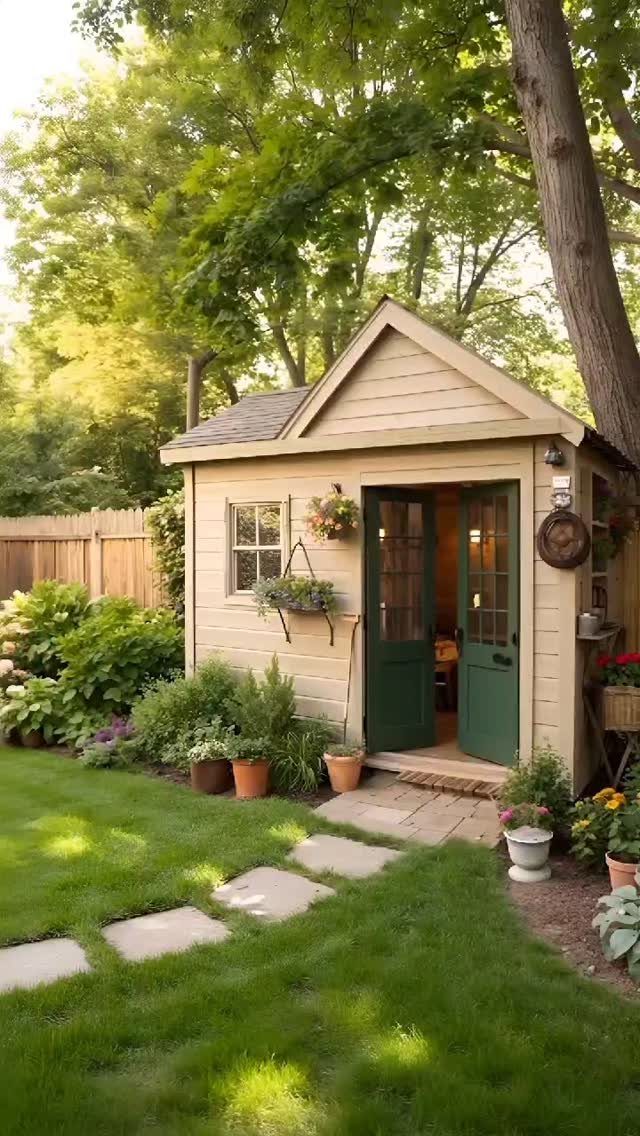
A garden shed stores what you do not want in the garage and gives the yard a destination.
A shingled structure with green French doors at the end of a stone path among beds gives you a destination worth walking to.
Anchor any shed on a level gravel pad or concrete piers, not bare soil; the door will stick after the first wet season otherwise.
Add a window or leave the door ajar while working, both for light and to let out the fumes of gas cans and two-stroke mix.
I sized mine by laying out tools on the driveway first, then adding two feet in each direction for the tools I would acquire.
12. Drought-Tolerant Plants
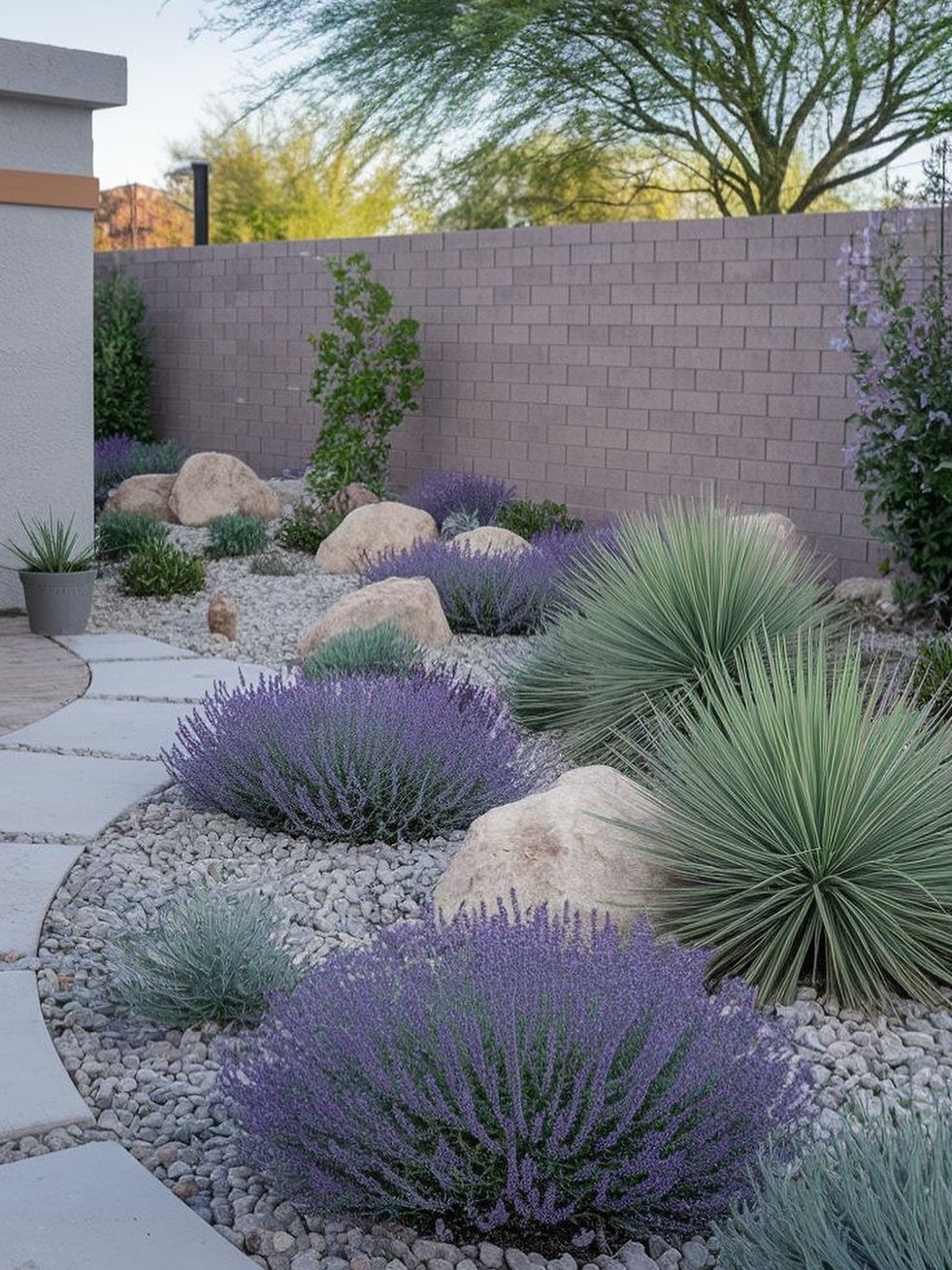
Drought-tolerant plants mean less hose time and fewer weekends lost to replacement. Lavender, spiky agave, and purple blooms among gravel and boulders suit hot, dry summers against a block wall.
Gravel mulch holds heat and drains fast; pair it with plants evolved for that, not rich soil heroes. Yucca, agave, sages, and ornamental grasses handle neglect once established, though they need regular water their first season to root deep.
I killed several rounds of perennials in pots before learning to group the drought-tolerant ones together; the thirsty herbs in the next pot over got my automatic attention and drowned the succulents with kindness.
Fall planting lets roots establish before the heat returns if you want to expand the bed later.
13. Fruit Tree Orchard
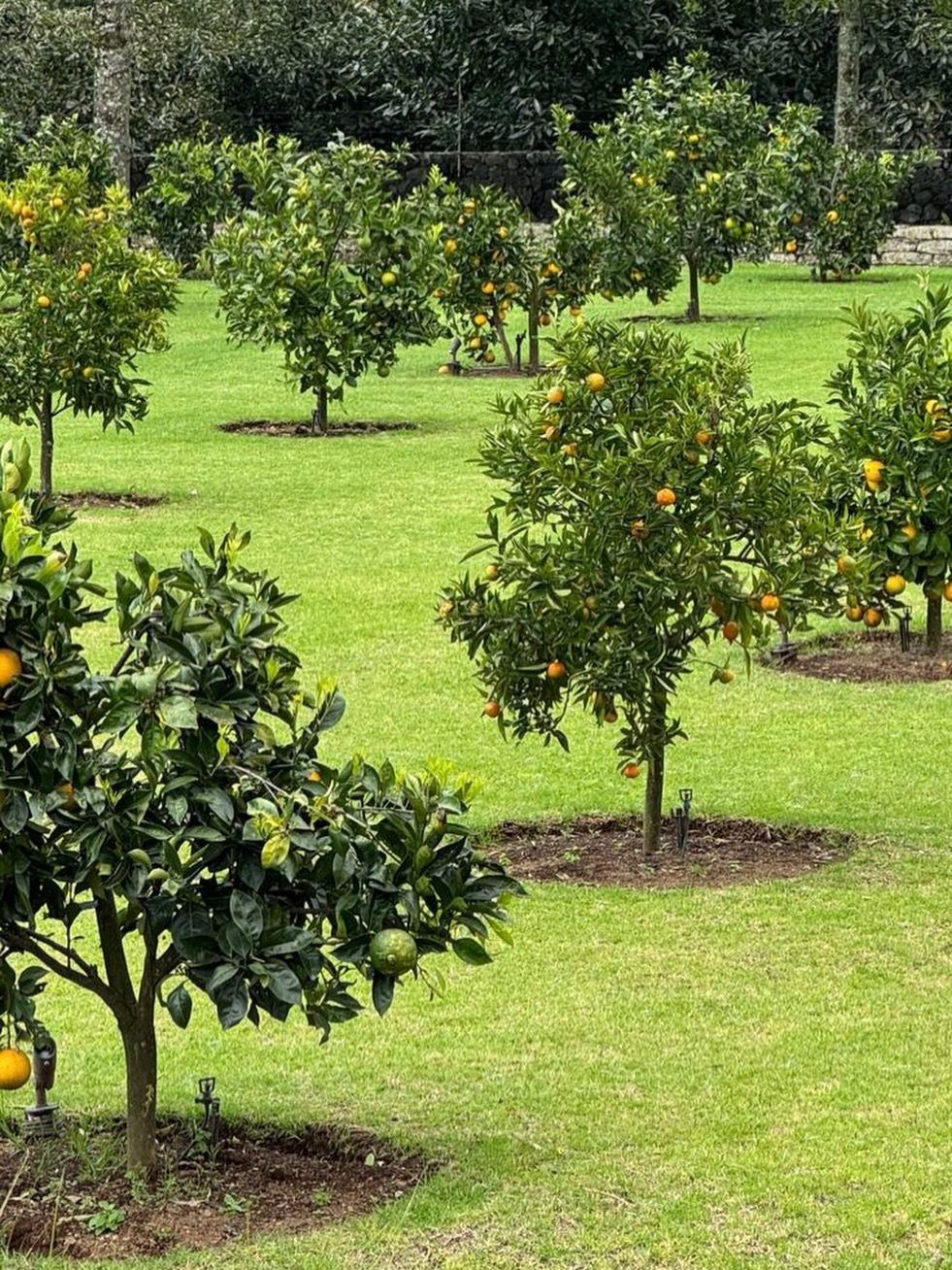
Citrus in circular mulched beds with drip irrigation turns a lawn into a working orchard that produces more than shade.
Apple, pear, or mulberry suit climates where oranges will not survive; check your hardiness zone before ordering bare-root stock in late winter.
Space trees for mature canopy width, not the twigs you plant.
My neighbor planted his too close and now fights for light every August. Fall planting lets roots settle before spring growth, and grass kept back from the trunk stops mower damage and rodent cover.
14. Garden Beds with Edging
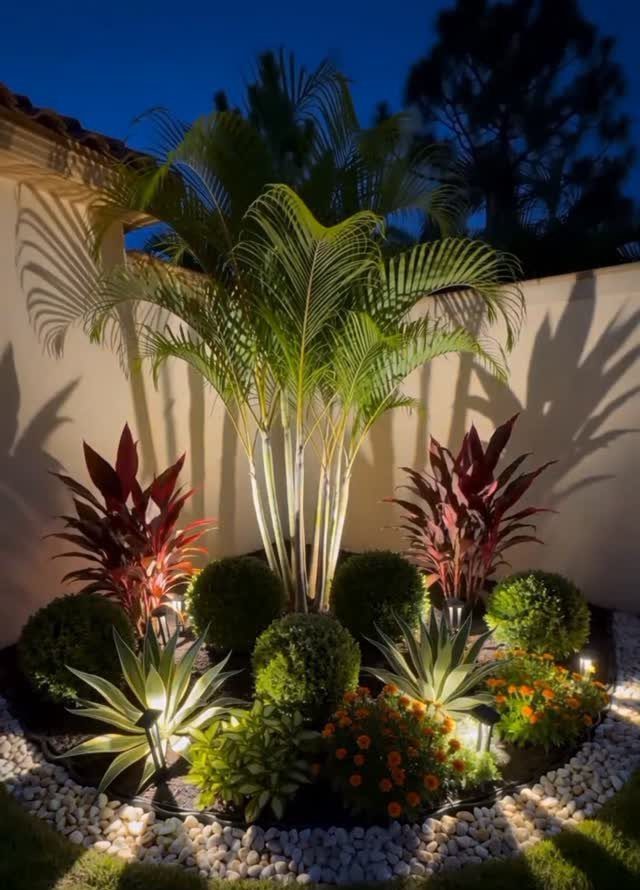
White river rock edging against stucco looks crisp at night because the edge keeps the bed from bleeding into the path.
Metal or stone does the same job for less flash; Scott Zimmer used steel edging to hold a perennial bed against pea gravel, letting plants spill visually without taking over physically.
Install edging slightly above soil level, or mulch and gravel will migrate across the line every rain.
Uplighting the bed from outside the edge, not inside, keeps fixtures out of the planting and avoids the glare of a lit mulch ring.
15. Fire Pit
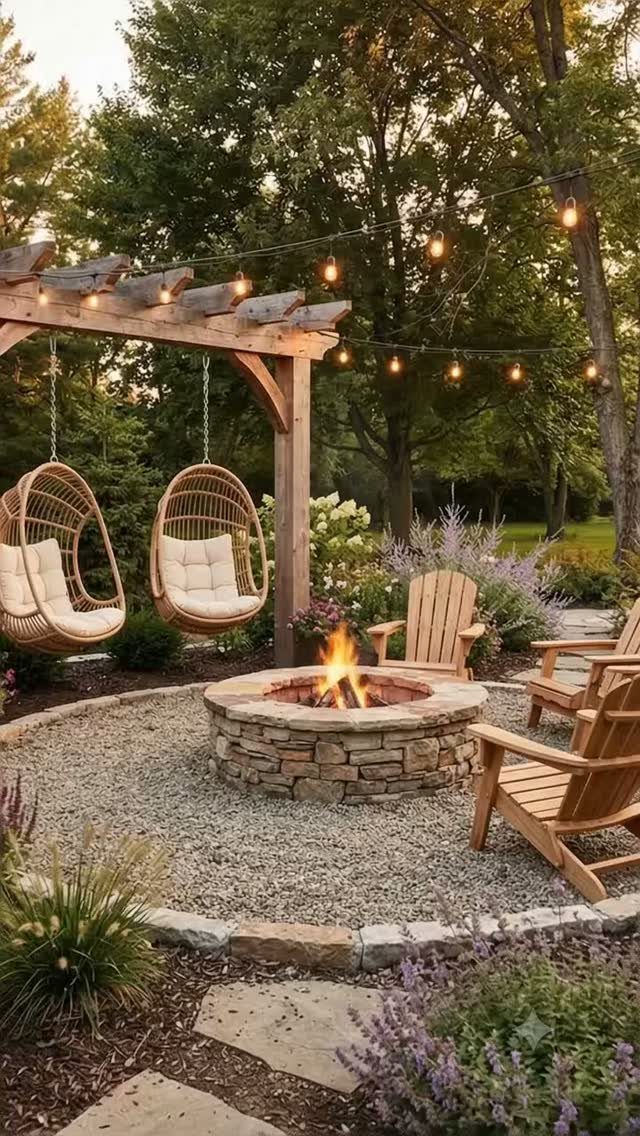
Stamped concrete ring or stacked stone, a fire pit gathers people at the temperature drop. Start with a metal bowl on gravel if the budget is tight; build in stone with a surrounding patio if you host regularly.
Check local burn restrictions before digging; some counties ban open flames in dry months regardless of the setup. Set the pit well back from structures and low branches, and keep a hose reachable, not at the spigot around the corner.
String light overhead if you have a pergola or tree branch, but run the cord behind seating, not across the path where someone trips with marshmallows on a stick.
16. Sculpture Garden
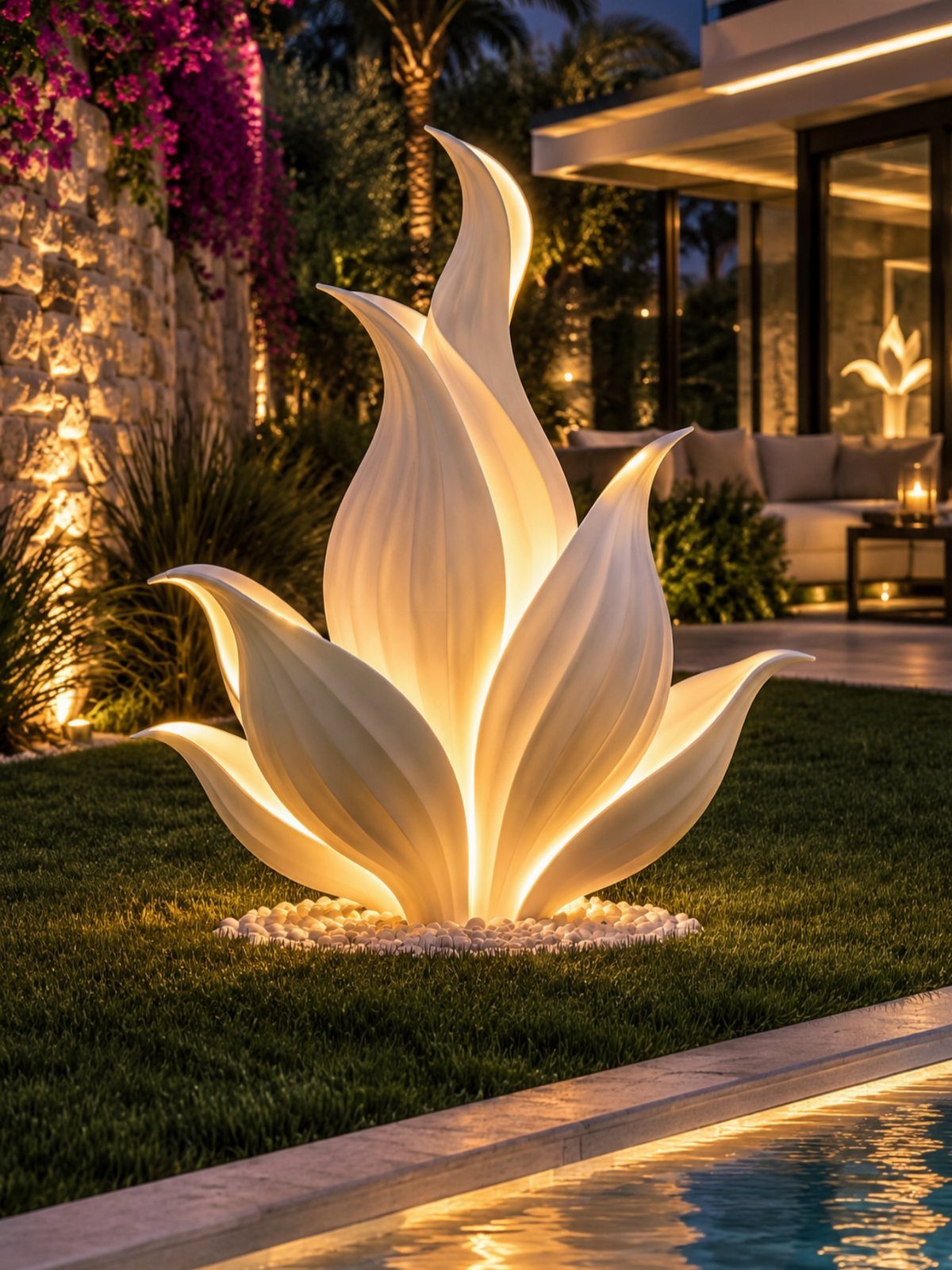
A single large piece on a bed of white stone shifts the backyard from yard to gallery without crowds or hours.
Metal or resin handles weather; fiberglass with internal lighting, like the floral form here, needs electrical run before you set the base.
Scale to your space, not your ambition. A piece taller than your first-story window fights the house; one knee-high gets lost in shrubbery.
Concrete pavers under the stone bed keep the piece from settling unevenly, and landscape lighting from 2 sides kills the flat shadow of a single source. Curved forms read friendlier than sharp angles for residential scale.
17. Gravel Pathways
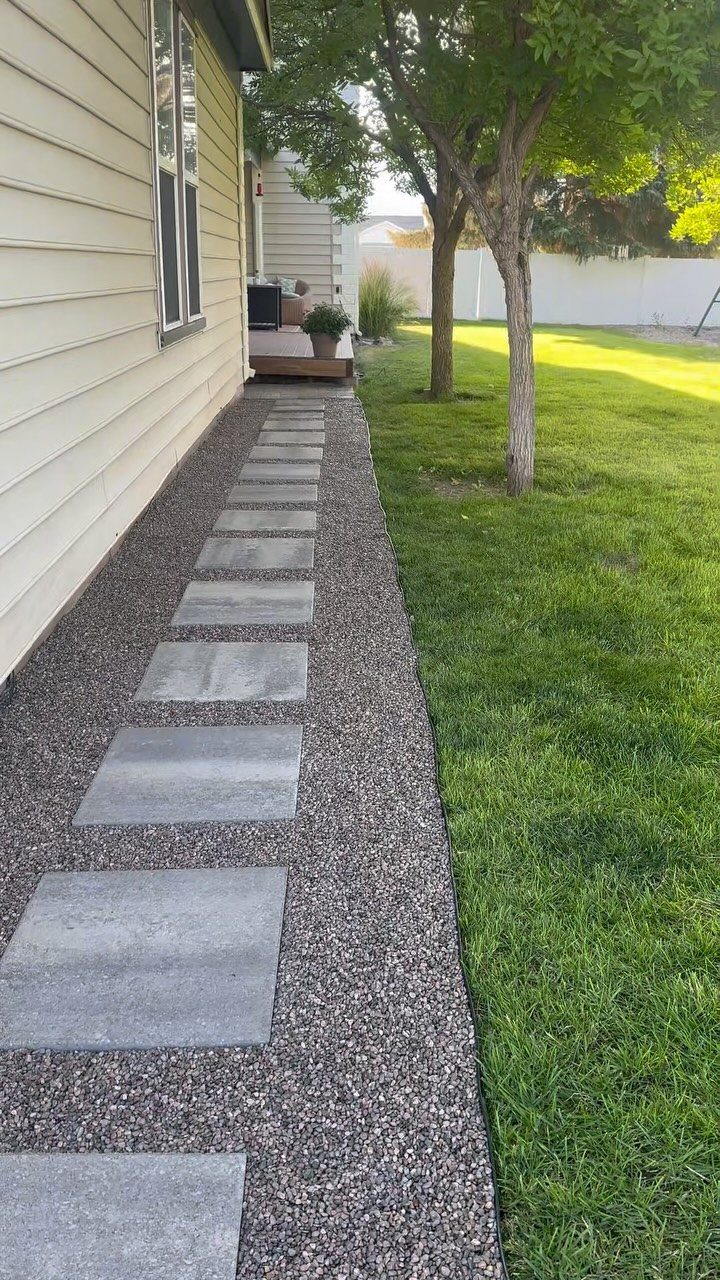
Gravel with square stone pavers set flush keeps shoes clean and the path visible while cutting raking to almost nothing. Metal edging between path and bed holds the line; without it, grass and ground cover creep in 2 seasons.
The creator of the visible example built theirs in 4 hours. Start by scraping sod and laying landscape fabric to block weeds, then pour a layer of compacted base gravel before the top layer and stones.
Slope slightly away from the house for drainage, even on a side yard run that looks flat.
18. Outdoor Dining Area
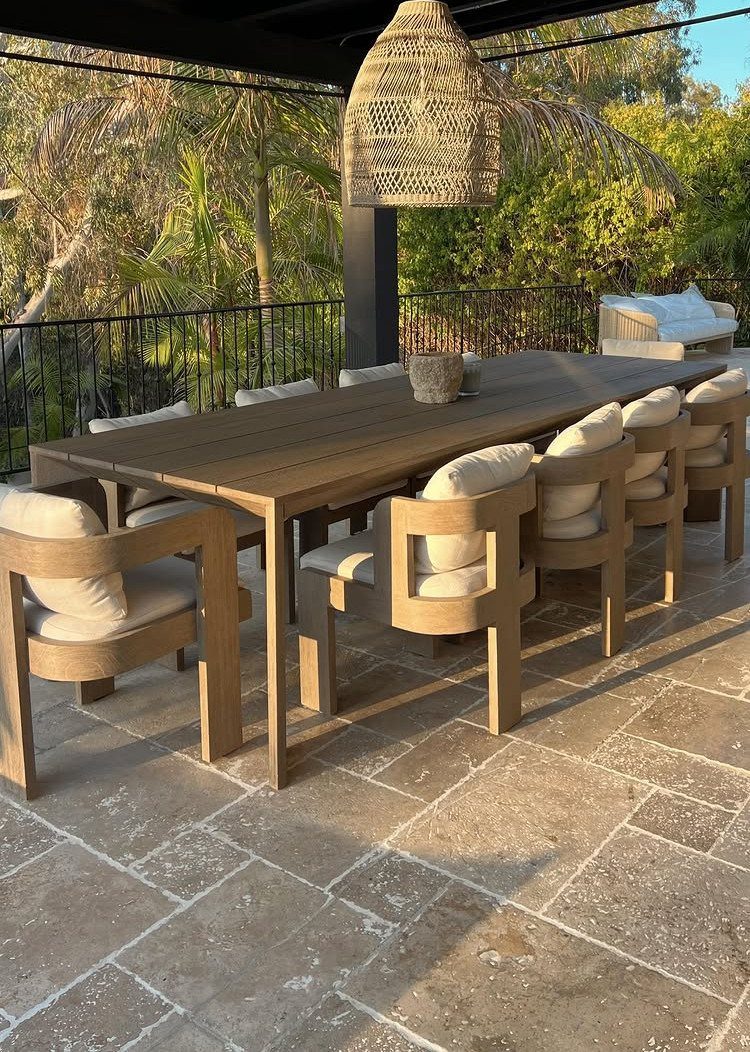
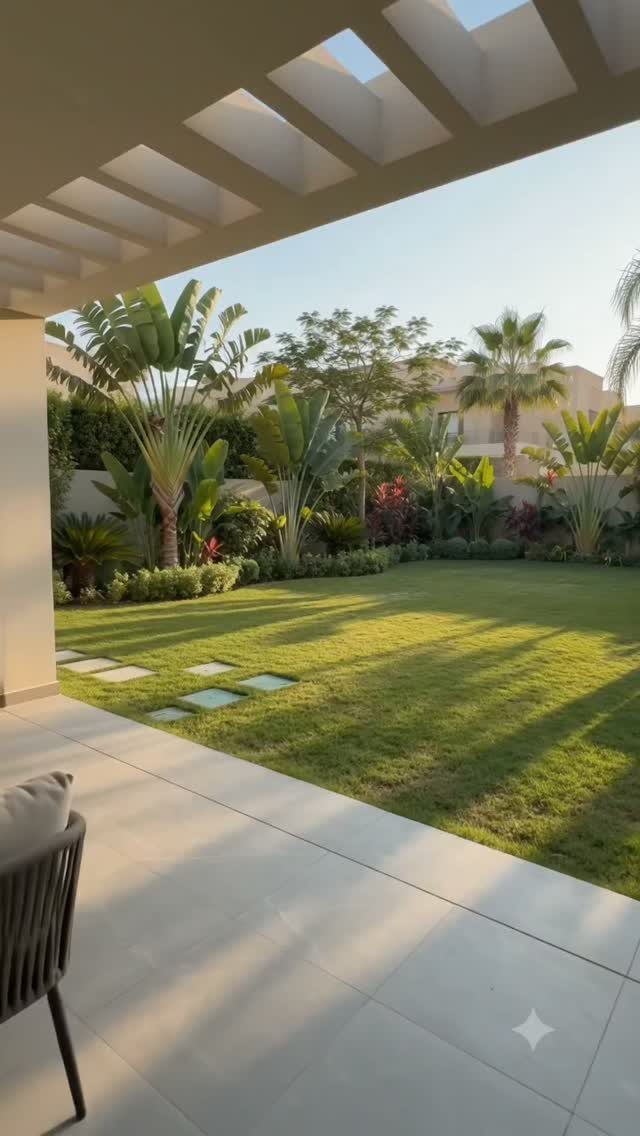
A covered stone patio with a woven pendant lets you eat outside when the forecast hesitates.
Match the table size to your usual crowd, not your once-a-year reunion; an eight-foot table for four people empties fast and becomes a storage surface for dead plants.
Build or buy the cover first, then fit the table underneath. Nothing worse than a table under a beam that bashes heads.
Bunny Williams lunches almost daily in her Provençal arbor because the kitchen door opens straight onto it; place your dining within easy carrying distance or the grill smoke will outlast the good intentions.
19. Wooden Fencing
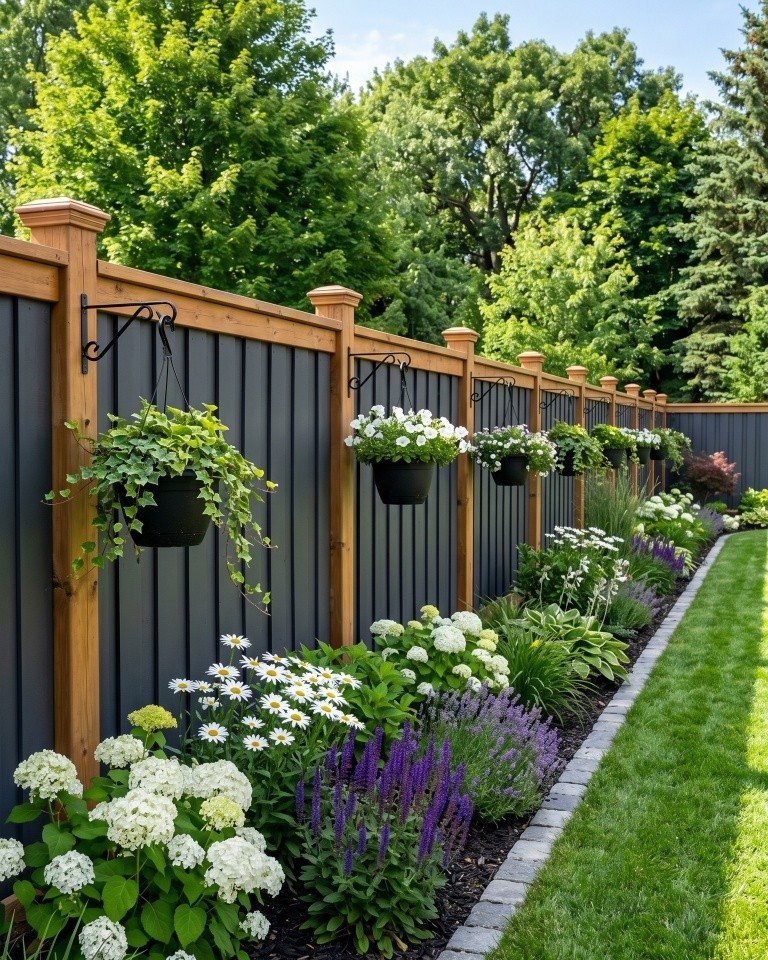
Dark wood panels with hanging planters turn a boundary fence into a vertical garden bed that earns its square footage back.
Install posts in concrete at standard spans, then face with horizontal slats or prefab panels.
Black hooks for planter baskets work if you match the bracket finish to the panel color; otherwise it reads as hardware store afterthought. Cedar or redwood resists rot without pressure treatment; pine needs staining every 2 seasons and still swells.
A fence this dark recedes visually, which helps on a narrow lot where every inch matters. Keep the base clear for airflow or mulch will rot the bottom rail fast.
20. Secret Garden with Pathways
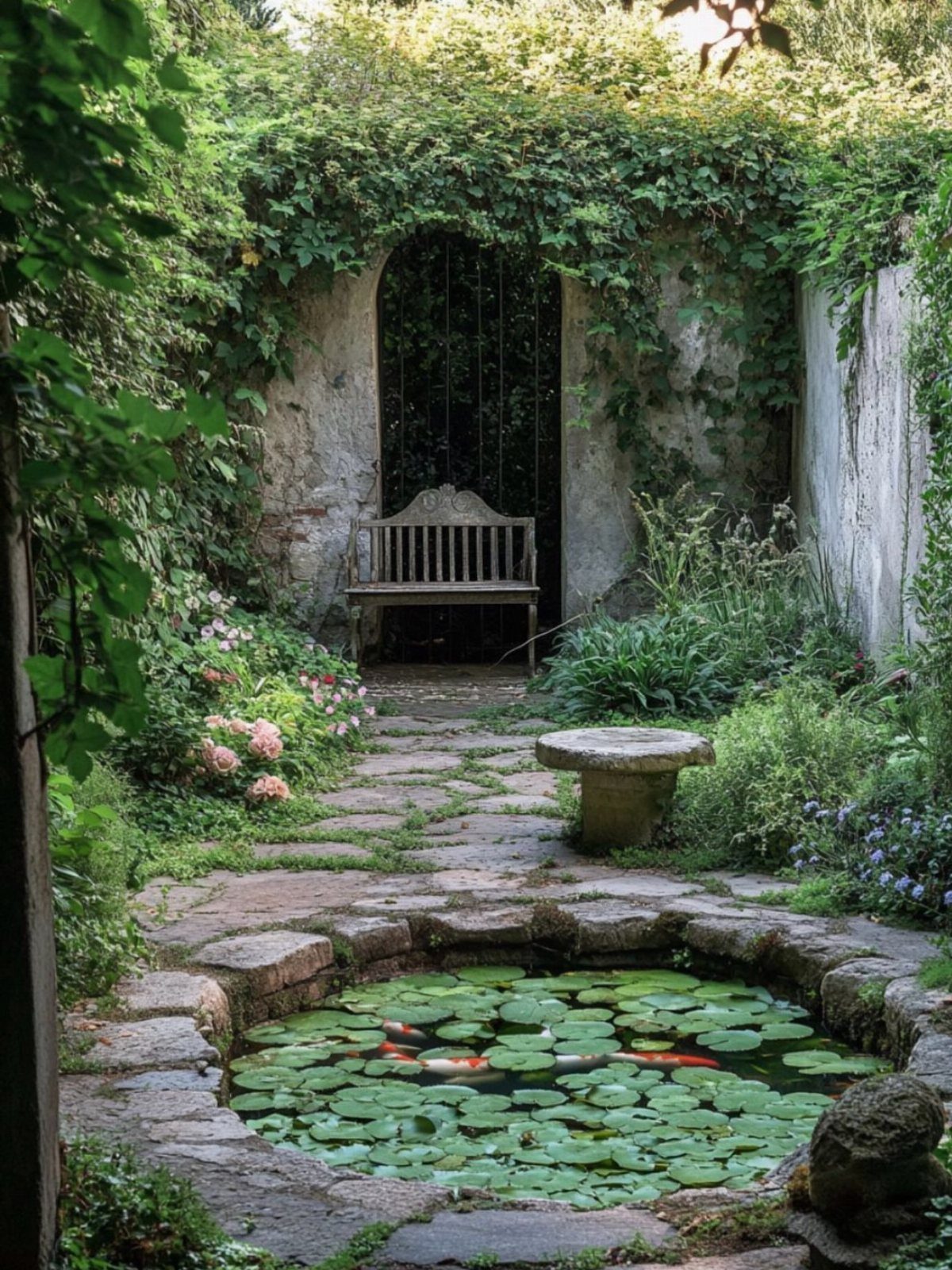
An arched doorway in a stone wall marks the threshold where a regular yard ends and something private begins.
Build the effect with what’s already there: a garage side wall, a fence corner, or a gap between established shrubs. You get the same hush with a simple arch of rebar and wire trained with climbing hydrangea.
Path material matters more than length. Irregular flagstone slows footsteps; straight concrete hurries them through.
The original point is concealment. If the entrance is visible from the house, plant a hedge or move the gate angle so discovery still happens.
21. Hammock in a Shaded Area
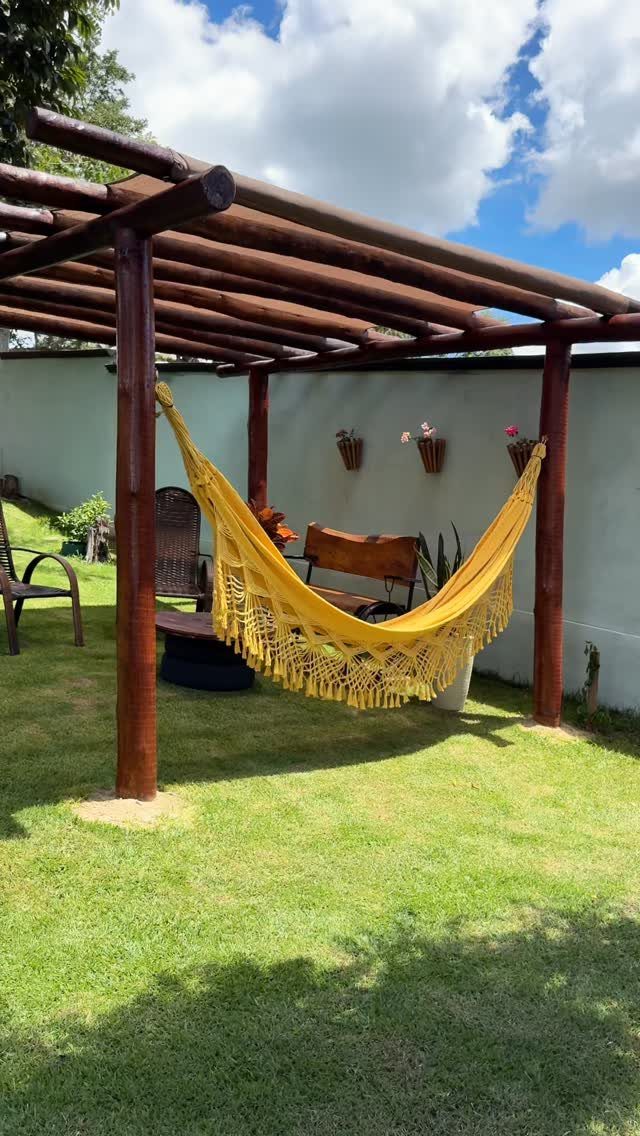
A hammock under a pergola trades afternoon glare for dappled shade and the sway that puts a nap within reach.
Wooden posts set in concrete carry the load; eyebolts through the beam, not rope over bare wood, keep the structure from groaning and splintering. Cotton fringe fades and mildews; Sunbrella or Olefin fabric survives full exposure for seasons.
Rig the hang so the center sits lower than the ends; too flat and you fold like a taco, too steep and the blood leaves your feet. Most fabric widths need generous room between supports.
No pergola? 2 trees at proper spacing work, though a strap system saves bark.
Budget-Friendly Upgrades
Mulch, string lights, and a pressure wash read as more than their price tag. A dark mulch layer against stucco makes a house look maintained even when the fence still needs work.
Natives cost less long-term because they do not need replacement. Fresh outdoor throw pillows shift a seating area without buying new furniture.
A small fire pit or outdoor projector adds function after dark.
Prioritize one upgrade that changes how you use the yard, not three that only change how it looks. The pressure wash mattered more than expected; concrete goes gray-green so gradually you stop noticing.
DIY Projects
Pallet wood and an hour or two of assembly put together a bar for outdoor drinks. A first raised bed went together with two-by-fours and hardware store brackets; the joints stayed square without specialized tools.
Drip irrigation on a timer handles watering while you are at work. A shed goes up over a weekend if the gravel pad is level and prepped Friday evening.
Vertical gardens use the same bracket hardware as trellis panels.
String lights or lantern posts need only an afternoon and an extension ladder. The fire pit draws use from March through October here; spring pizzas and fall s’mores both happen on the same stacked stone ring.
Consulting Professionals
A landscape designer tailors material choices and layout to your specific house, not the generic lot next door.
A consultation pays back in avoiding a patio that drains toward the foundation or a tree line that blocks your neighbor’s light down the road.
A call before grading the side yard caught the swale the plan would have blocked; the raised bed placement that came out of it now handles runoff.
Designers know local code on setbacks and permeable surface ratios, the rules that stop projects mid-dig.
If your yard has a steep slope, poor drainage, or a listed plant you want to keep, the cost of advice beats the cost of redoing it yourself.
Choosing the Right Plants
Start with your hardiness zone, then match plants to it instead of forcing Mediterranean species where winters freeze. Olives and lemons survive here only as annual investments you cover and risk losing; 2 dead saplings was enough for me.
Your local nursery knows what outlasts summer humidity and which perennials handle your clay or sand. Pots let you test this without digging: succulents, small perennials, or structured greenery in containers move or fail without reshaping the bed.
Group plants by water need, not by how they look together in the catalog. Basil and agave share a yard badly; the automatic watering that keeps herbs happy rots succulent roots.
Frequently Asked Questions
What is the 3-hour gardening rule?
I garden in half-hour windows because 3 hours of weeding wrecks my back for a week, and the timer on my phone keeps me honest.
It focuses on weekend-scale projects and zone-by-zone work instead of time-blocked sessions. A tomato bed or hedge line planted in an afternoon matches the pace most people keep.
What are some good garden layout ideas?
The flower garden, vegetable beds, and a shaded gravel corner with a chair cover the basics. A zone plan starts with listing what the yard needs to do, then gives each job its own surface and boundary.
How can I design my backyard for free?
Shifting furniture for better flow and moving existing pots into new groupings cost nothing. Mulch and string lights run cheap and read as more than their price tag.
How do you landscape a big backyard?
Divide it into zones for specific jobs, then build one at a time. A lower patio, raised vegetable beds, and a gravel reading corner each get their own weekend and budget slice instead of one overwhelming plan.