These 10 ideas run from a $2 house numeral to a full glass garage door swap, so the deciding factor is not budget but how much of your weekend you are willing to give.
The ideas that need only a Saturday morning, like planting orange topiary flanking a black door, share space with projects that demand structural confidence, like wrapping porch posts in cellular PVC.
Every one of them sits where a buyer, a neighbor, or my own self coming home from work sees it first: the numbers, the mailbox, the walkway lighting, the door color none of these takes being inside the house to judge.
[link-whisper-related-posts]1. Modern House Numbers
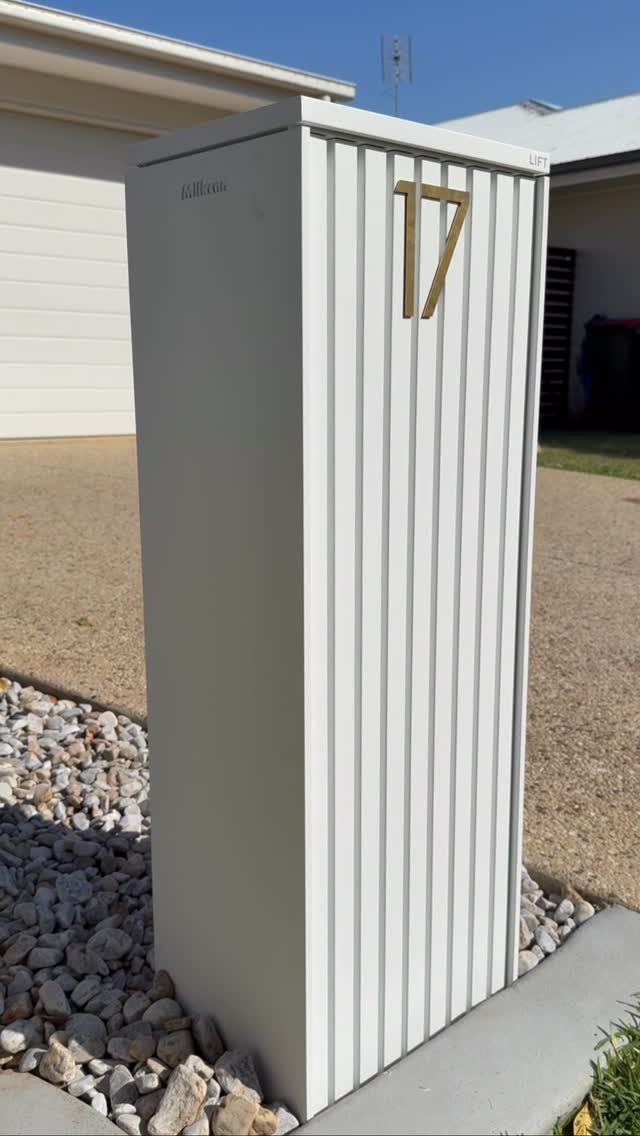
Gold house numbers on a tall mailbox catch the afternoon light in a way painted digits never will.
Metal numbers start around $2 and run to $80, with solar or wired lighted versions under $60 if you show your home after sunset. 4 inches is the minimum height for visibility from the street, and eye-level placement saves visitors the squint.
Match your finish to existing hardware so the mailbox, door handle and sconces read as one decision rather than three. Contrast with your mounting surface matters more than the specific color.
I would skip curb painting entirely; it reads as an afterthought and does nothing for the approach from the driveway.

❤Sturdy Zinc Alloy: The house number made of sturdy zinc alloy and plated with black coating, never rust,which makes the numbers heavy and never rust and to withstand adverse weather conditions.perfect for outside use.High quality rust-resistant, not easy to rust, can support a long term usage.

Modern Floating Effect for Better Visibility: Designed with a floating mount, these house numbers create a clean shadow effect that improves readability from the street—ideal for quick identification by guests, delivery drivers, and emergency services.

SECURE MOUNTING DESIGN: Upgraded steel mounting pins and improved thread fit provide increased shear strength and a secure, stable hold, helping reduce loosening and wear from weather exposure and long-term outdoor use.
2. Exterior Lighting Along Paths
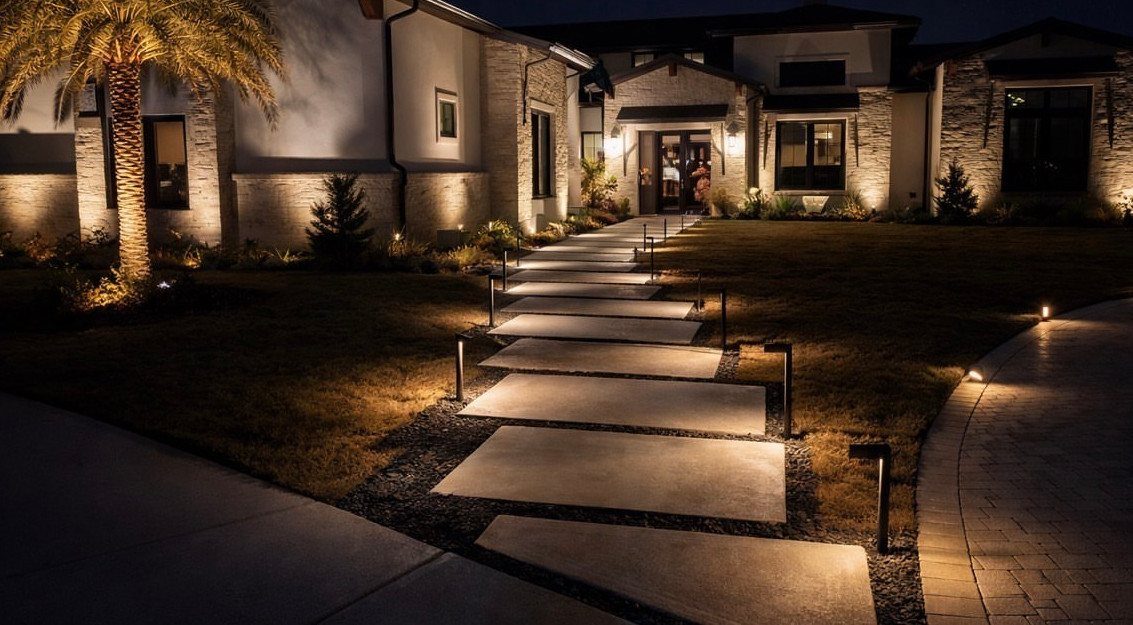
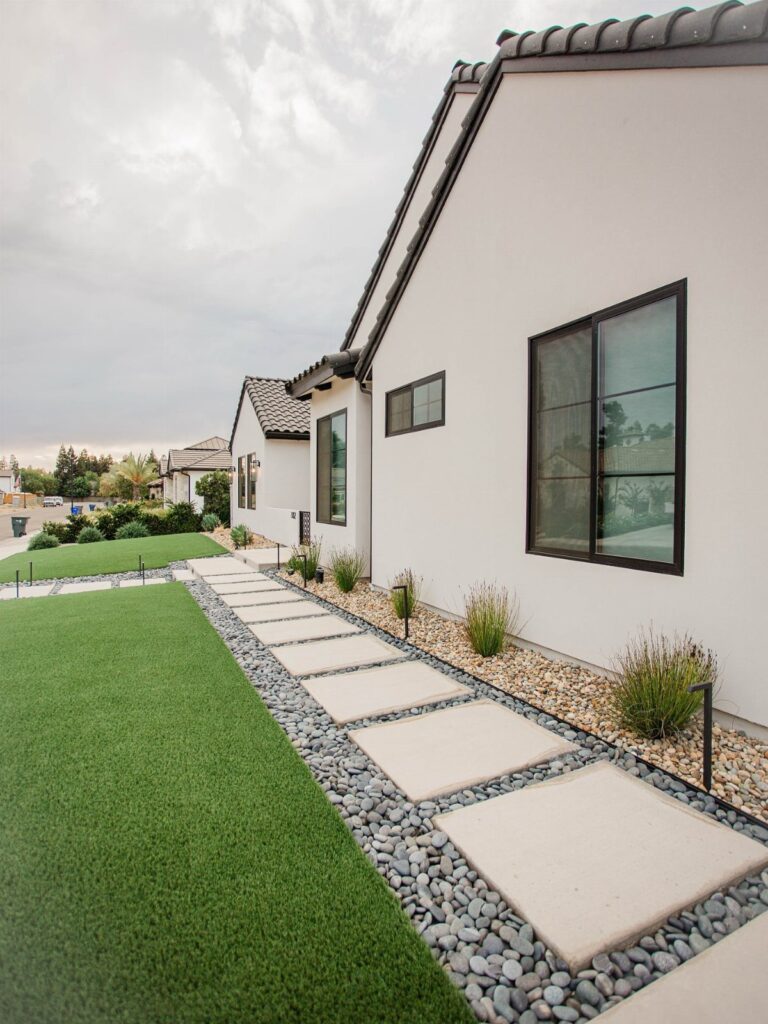
Solar path lights need no wiring, which matters when your weekend is your only free time and you do not want to trench a lawn.
Rock-disguised versions blend in until evening, when they matter most: winter showings after dark, or guests finding their way across ice you did not see forming.
Clean your front porch fixtures too, even if you are not replacing them. Bugs and cobwebs collect where light draws them, and a dim bulb behind dirty glass looks neglected rather than atmospheric.
The notes do not mention height or spacing; I would set fixtures low enough to wash the walk without glare in a driver’s eyes, and close enough that no patch falls fully dark between.

【US PATENT INTELLECTUAL PROPERTY PROTECTION】Upgrade your outdoor lighting with our 10 pack solar path lights. Our solar path lights are equipped with advanced LED filament bulbs for a more focused and bright light. The clear glass lampshade enhances light transmission, 3000K warm white light is perfect for illuminating and decorating your yard. Note: Turn on the switch before first use.

【Unique and Enchanting Design】Solar outdoor walkway lights are designed to provide an attractive pattern, also as a focal attractive in your planter for outdoor plants and lights up your garden at night. Enhance the beauty of your path, garden, patio, lawn, yard, walkway and planter with the distinctive water-ripple pattern of our solar pathway lights. Its enchanting touch will surely captivate anyone who sees it

Halloween Pumpkin Pathway Lights Outdoor: 7Ft Outdoor halloween decorations walkway lights with 4 pumpkin lights and 4 stakes, add instant Halloween spirit to your outdoor space with festive pumpkin-shaped pathway lights. The classic jack-o'-lantern pathway lights creating a festive and welcoming atmosphere along walkways, driveways, gardens and yards Halloween parties and nighttime decorating
3. Mailbox with Flowers
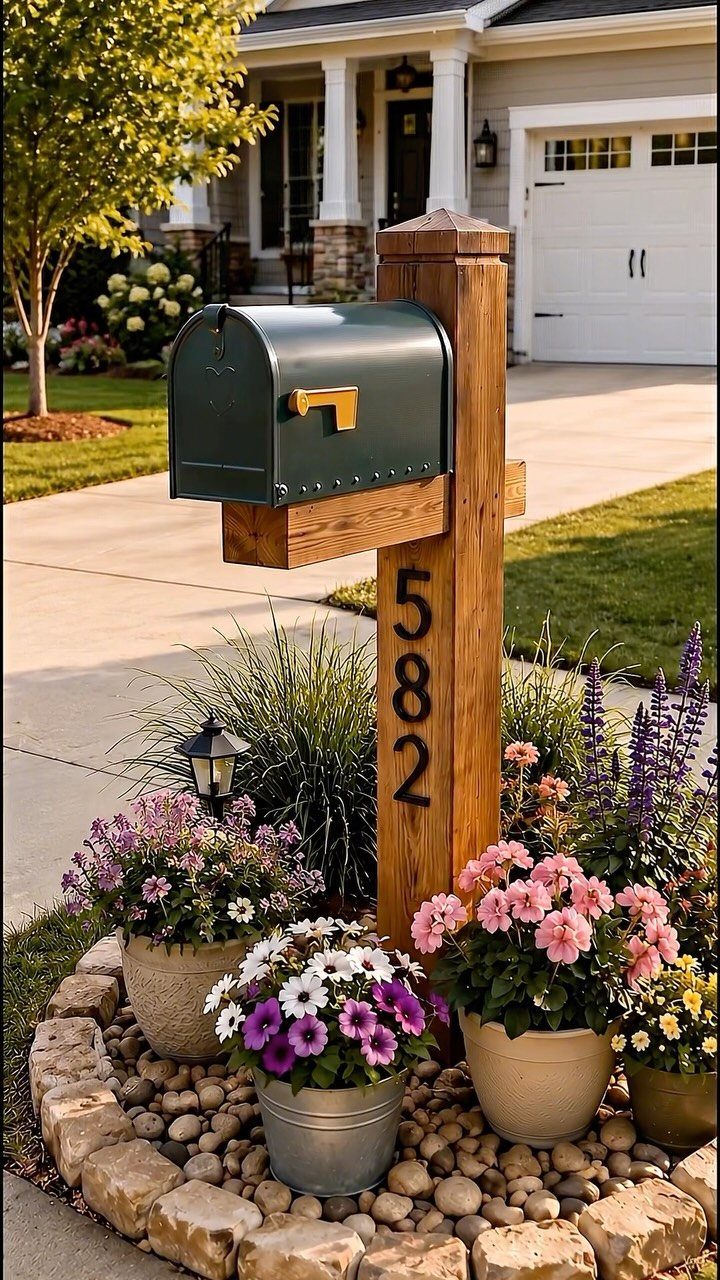
A mailbox on a wooden post gains gravity when stone blocks edge a bed of river rock and potted flowers crowd the base.
Paint to match your home’s trim so the post does not read as an afterthought, and check USPS guidelines before you dig; clearance heights and door sizes are stricter than most homeowners expect.
Community rules may override your plan if you live in an association. A mail slot in the door avoids both mailbox standards and street clutter, with most lockable wall-mounted versions under $50 and installation requiring only a jigsaw.
I would add the flowers last, after the structural parts sit right, so you are not working around them.

【Traditional Design】The outdoor wall sconce features an oil-rubbed bronze finish, design in clear tempered glass shade and metal construction with swirled top and curvaceous O shape, casts an attractive traditional style to your house.

Weather Resistant: Measuring 8.27"H x 4.21"L, constructed from high-quality metal and glass that makes this exterior wall light fixture sturdy and long-lasting, enabling it to withstand a variety of outdoor environments and weather conditions, no worry about rain, snowing or sun

Durable Construction: Built to last with rust-resistant, powder-coated galvanized steel, suitable for both indoor and outdoor lighting and decor applications
4. Refresh the Front Door
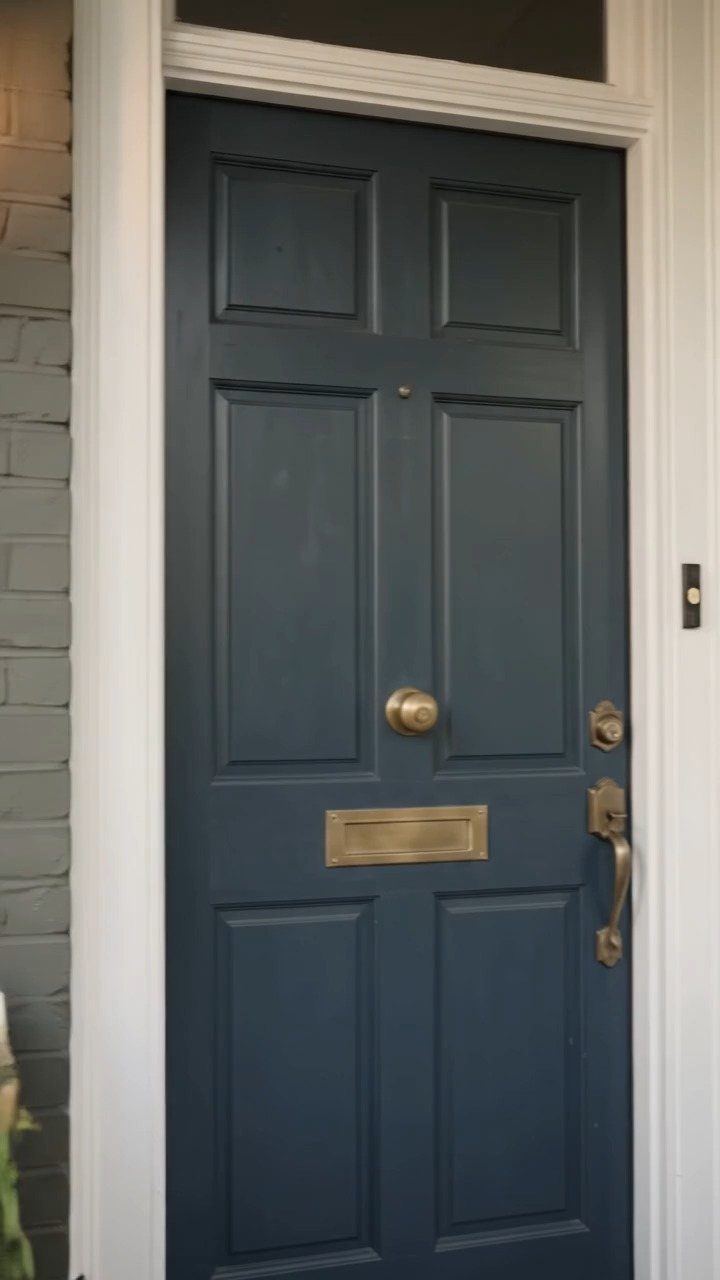
A dark navy door with brass hardware against grey brick and white casing reads deliberate rather than default. Brass warms what blue alone would cool, and the six-panel profile suits traditional siding without fighting it.
Clean monthly so grime does not etch the finish; repaint every 3-5 years depending on sun exposure and your climate.
Bold color is the cheap move, and often the right one when the door is the single focal point on an otherwise quiet facade.

DIMENSIONS: 8 in Column- Designed to fit a square post measuring up to 6 in, with interior column shaft measuring 7.25 x 7.25 in. and an overall size of 8.75 x 8.75 in. with added trim.

PREMIUM VINYL WRAP WITH ELEGANT DESIGN: Weatherables PVC Vinyl Post Wraps are the simple solution to outdoor deck post upgrades and refurbishments, offering a lasting yet low-maintenance fix for any standard deck or patio post.

Dimensions: 7-5/8 in. Width x 7-5/8 in. Depth x 60 in. Height x 0-5/8 in. Thickness
5. Painted Garage Door
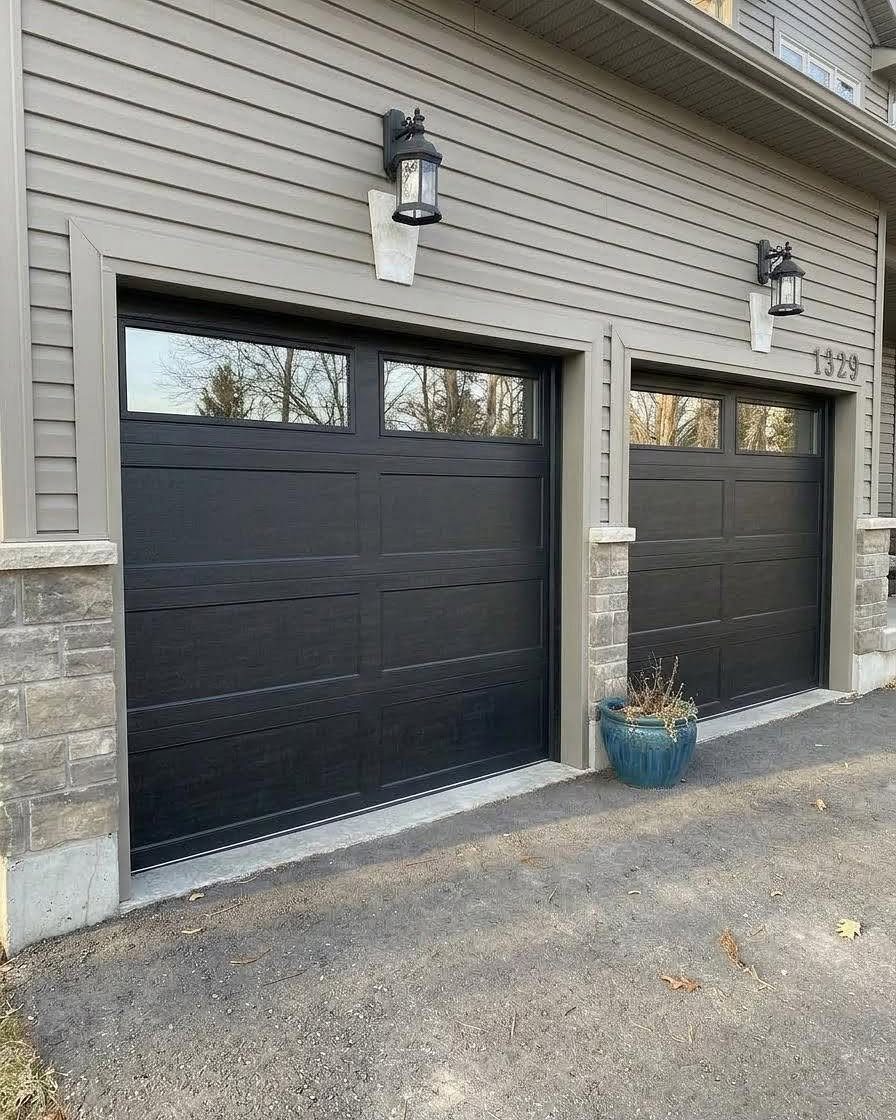
Two dark charcoal garage doors with upper windows recess against beige siding and stone, letting the facade read as massing rather than machinery.
Paint works when the door is sound; replacement, though costlier, returns an average 93.8% at resale according to the study noted.
I would not paint a door that is already failing; the fresh coat traps eyes on what is wrong rather than celebrating what is new.
A good door in good condition takes color like a front door would, and the same boldness rules apply.
Handle hardware matters here too, and is cheaper to replace than the door itself. Rusted latches or sticky locks are the first thing a buyer touches.

Pack of 2 semi circular wall hanging planters. Rustic Indoor and outdoor decoration.

Personalized Mailbox: We have added a planter in front of the box (Assembly is required), which can be used to place decorations such as flower, succulents. This mailbox also comes with three sets of 0-9 number stickers, allowing you to freely define your house number.
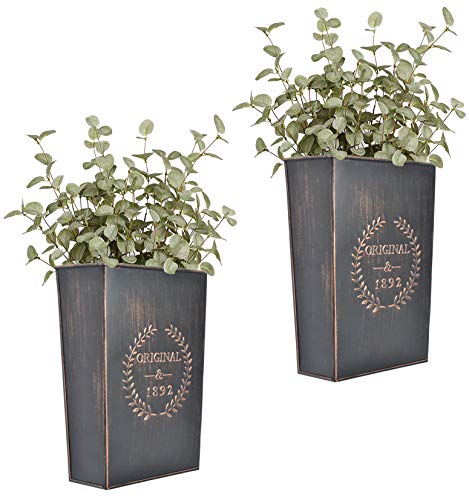
✅FARMHOUSE GALVANIZED WALL PLANTERS:This is a unique set of two galvanized metal wall planters,wall planters are made of high quality galvanized metal and hand painted,coated to prevent rusting,features a vintage finish. Rustic wall decor in your home, planters are great for displaying artificial greenery plants, faux flowers, floral arrangements, seasonal decorations, shrub bouquet, foliage, fake lavender, eucalyptus plants, or cotton,ideas are endless.
6. Wrapped Columns
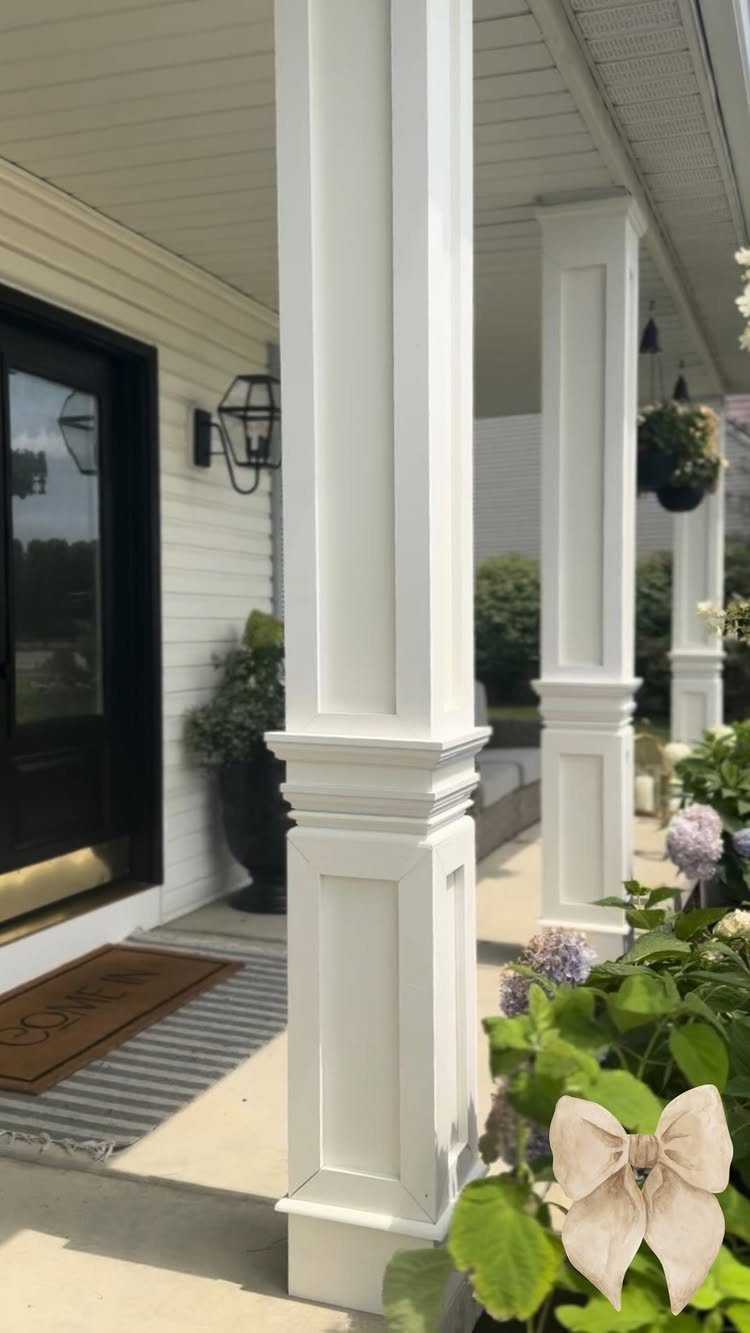
White paneled columns wrap what started as plain 4×4 posts, giving a porch the finished look of deliberate construction rather than builder minimum.
The panels add shadow lines that read as depth from the street, and the scale corrects the common mistake of skinny posts on a broad facade.
A "COME IN" mat, potted plants and hydrangeas at the base turn the landing into a room that happens to be outside.
Side tables, rocking chairs and outdoor pillows extend the invitation further, though I would stop before the space feels staged rather than lived in.
The notes do not give a material for the wrap; I would use cellular PVC or primed pine, both paintable and both forgiving of the moisture that porch posts collect.

Clear Address Display: These black house numbers help visitors and delivery drivers identify your home. Place your address numbers against a contrasting background near the entrance for a clear display that complements the look of your property.

Magnetic House Numbers - These 4 inch tall magnetic numbers for house address outside are easy to set up. Just attach the magnetic numbers to any metallic surface and you're done! Use them as magnetic mailbox numbers, wall address numbers, or door numbers for house door!

Clear Address Display: These black house numbers help visitors and delivery drivers identify your home. Place your address numbers against a contrasting background near the entrance for a clear display that complements the look of your property.
7. Front Porch Seasonal Decor
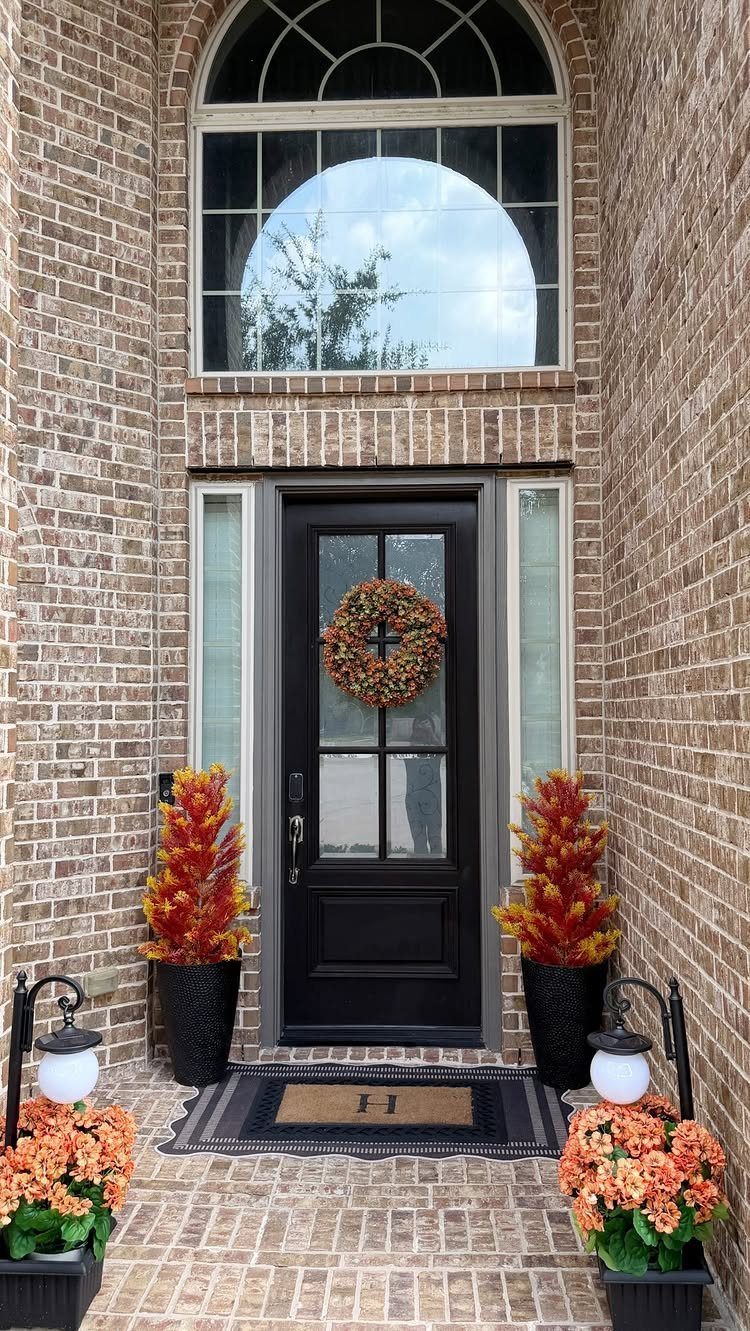
Seasonal color at the door works because it is the one spot a passerby’s eye already rests.
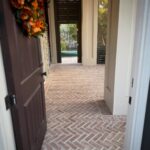
Orange topiary flanking a black door gives autumn a frame, and black planters repeat the door color so the grouping reads as one decision.
A wreath is the cheapest swap of the year; change it six times and you have spent less than one new doormat.
I would keep the lantern style constant across seasons so the changing plants read as deliberate rotation, not reinvention.
Freshness matters more than expense. Wilted mums in October signal neglect faster than bare concrete would.

Brighter Focused Solar Light: Equipped with upgraded high-precision reflector lenses, these solar pathway lights deliver up to 60 lumens of concentrated illumination for clearer, more defined light output. Compared with other outdoor solar lights, our solar lights outdoor are brighter and built to last longer. The warm white 3000K glow is clear and pleasant, creating a bright and comfortable outdoor atmosphere for walkways, patios, and yards.

INNOVATIVE DESIGN: Solar pathway lights adopt an integrated lamp head design, using highly transparent acrylic material and surface-cutting technology, making the lamp head present a diamond-like effect. The light projects 3 ft radius wide-coverage starburst patterns onto the ground at night. This lighting effect is design for decoration.

Bright and Attractive design - When night falls, your yard illuminated by a brilliant starlight pattern, like a dreamy star falling to the ground, creating an extremely romantic atmosphere for your strolls. Outdoor solar lighrts not only illuminate yards and sidewalks keep people from tripping, they are an added decorative element to the yard landscape.
8. Manicured Brick Walkway Landscaping
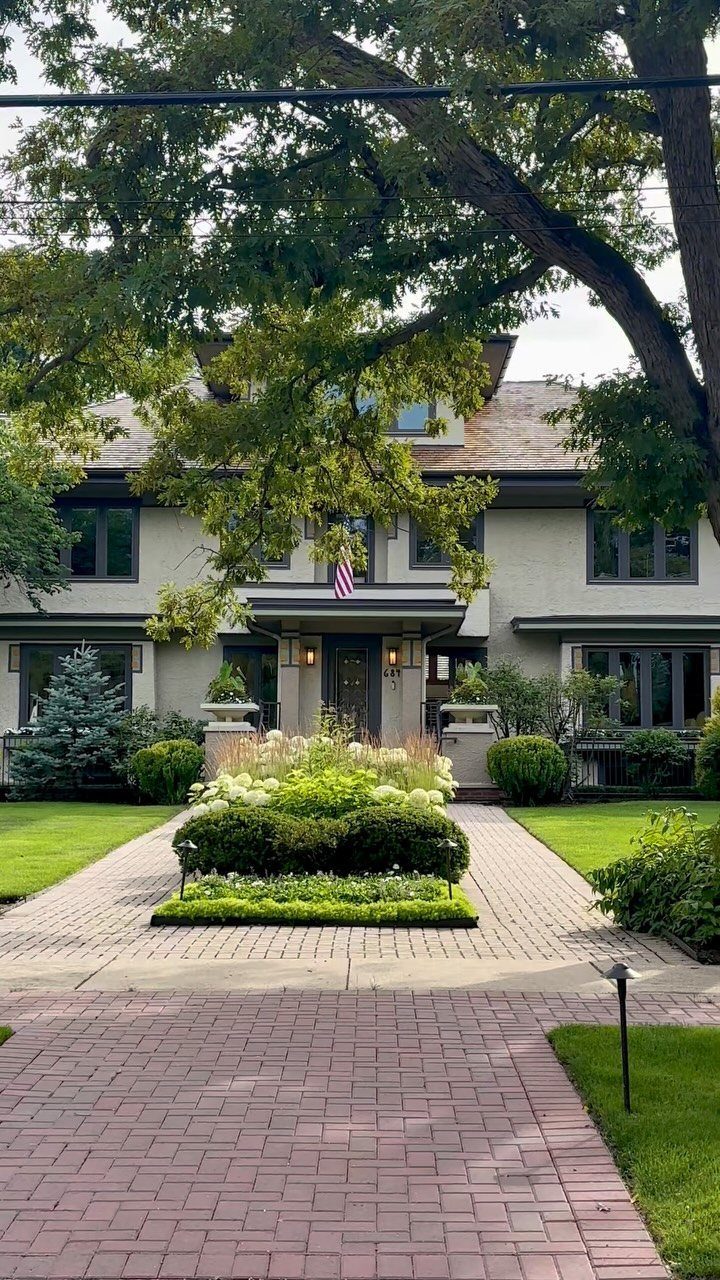
A brick walk gains its worth from the space it creates between the edges, not the path itself.
Splitting the route around a central bed lets visitors read the garden before they reach the door, and the house number at the far end sits where drivers actually look for it.
Mortared brick holds its line against mulch that migrates; set the path depth at or slightly below grade so edging plants can spill without blocking the walk.
Mature trees frame rather than shade the approach here, and their scale tells you how long this took.
I would budget for the brick first and plant later, in stages, rather than skimping both at once.

[Modern style & Wide Application]: Designed with a black brush red finish and an aluminum frame, our modern outdoor wall lanterns adds the aesthetic of your house and gives a simple yet classy look. It is ideal for various places, such as entryways, doorways, foyers, corridors, balconies, patios, porches, driveways, garages and so on

Built-in sensitive photocell light sensor: our outdoor lamps adapt perfectly to changing ambient light conditions. As dusk falls and darkness sets in, they automatically light up when the surrounding brightness drops below 20 lumens, emitting a warm and inviting glow to enhance your outdoor environment with the ultimate intervention. And when the morning sun rises and natural light floods in, our outdoor wall lights intuitively turn off, conserving energy and ensuring effortless comfort.

RGB Lighting for Every Outdoor Moment: Effortlessly transform your porch with 16 million RGB colors, warm-to-cool white lighting, and 32 scene modes via the XMcosy App. Create the perfect atmosphere for daily use, holidays, parties, and gatherings.
9. Modern Glass Garage Door
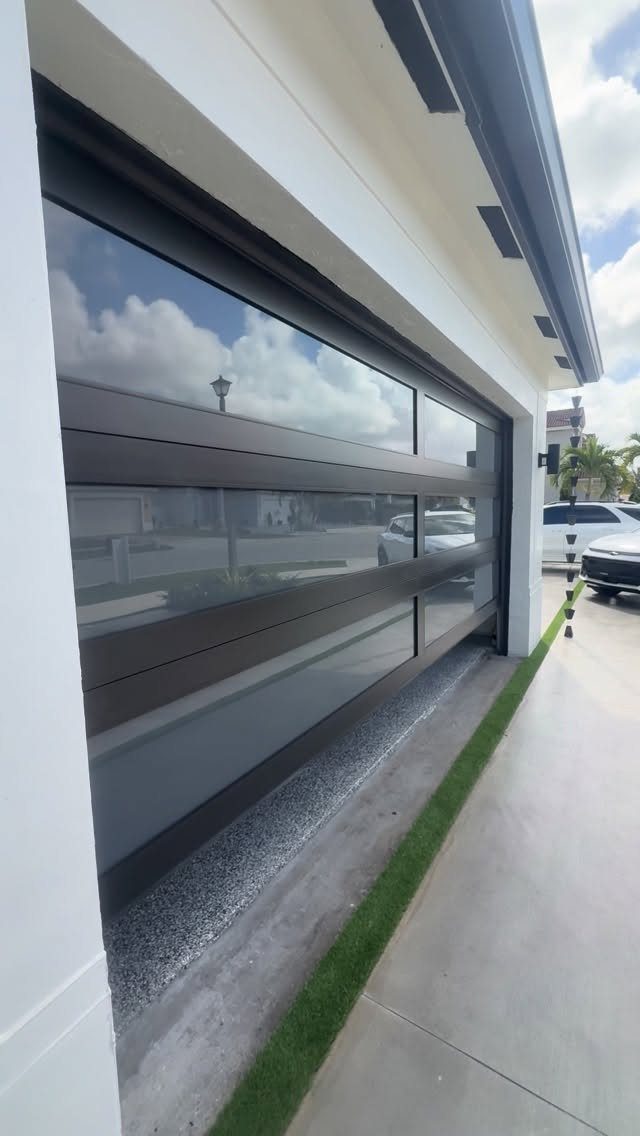
Glass panels with dark frames turn a garage door into a window wall, letting the architecture read as living space rather than storage.
Glass panels let anyone walking past see straight in, and headlights at night keep the interior lit unless you add frost film or back the glass with curtains.
Replacement runs steeper than paint, though the same resale study puts garage door replacement at 93.8% recovered cost when the door is the visible front of an attached garage.
This matters most on flat, modern facades where a paneled door would read as the single wrong note.
I would not attempt this on a door that is not flush-mount ready; the frame profile is part of the system, not a retrofit.

Dimensions: 5-5/8 in. Width x 5-5/8 in. Depth x 48 in. Height x 0-5/8 in. Thickness

Dimensions: 11-5/8 in. Width x 11-5/8 in. Depth x 48 in. Height x 0-5/8 in. Thickness

Item Description: 8"W x 8'H Premium Square Non-Tapered Double Raised Panel PVC Endura-Craft Column Wrap Kit, Mission Capital & Base - Fits Posts Up To 6 3/8"
10. Outdoor Wall Sconces
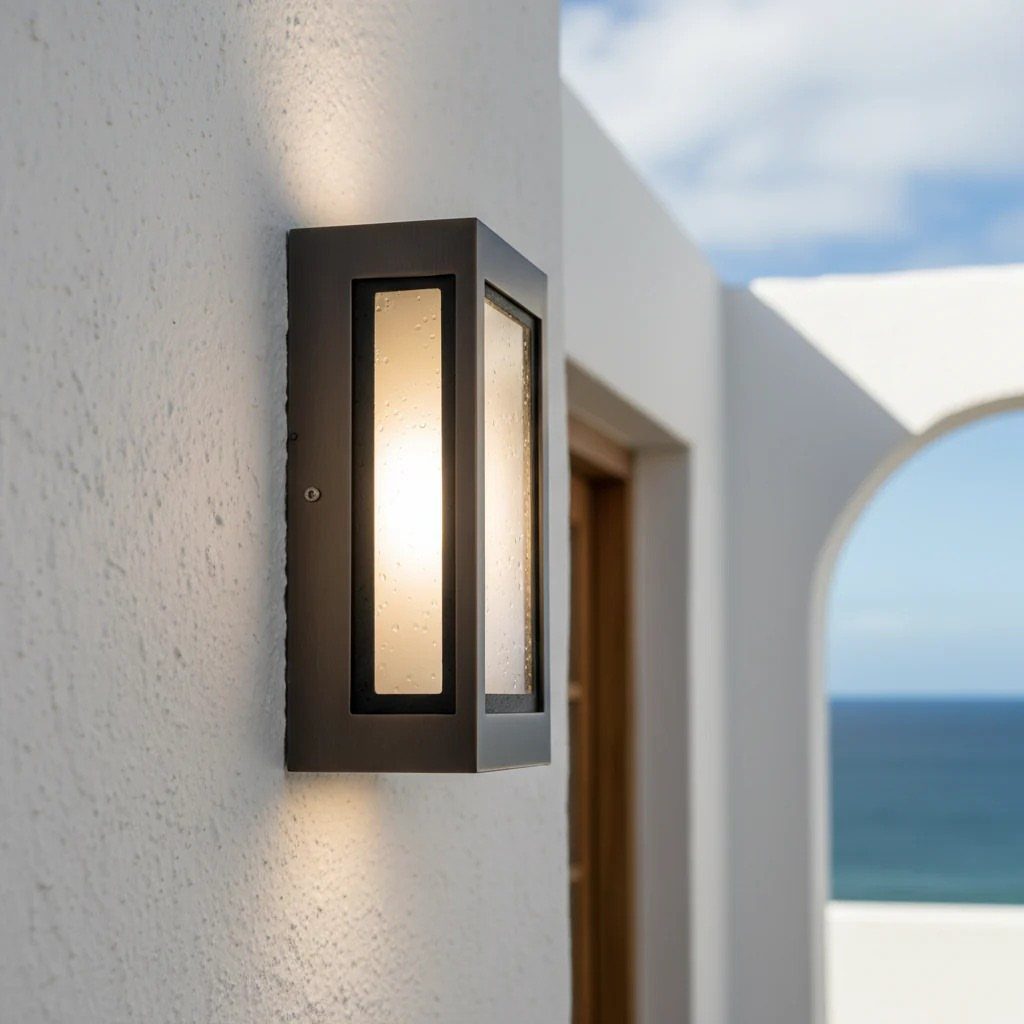
Warm light against white stucco reads welcoming because the contrast is in temperature, not brightness. A rectangular fixture suits modern siding without the scrollwork that feels borrowed from a different house.
Check your junction box before you buy; outdoor sconces need a bracket rated for weather and weight, and a box sitting crooked from the last paint job will never let the lamp sit true.
Height at six to six-and-a-half feet centers the glow in a visitor’s field of view without casting their own shadow across the doorway.
I would lean warm on bulb choice; anything over 3000K turns a friendly glow into a security light.

【PREMIUM VINTAGE IRON MAILBOX】:Crafted from heavy-duty iron with stamped castings, baked paint, and hand-painted details, this retro wall-mounted mailbox withstands harsh weather without rusting or deforming. Its reinforced bottom holds up to 30kg (66lbs), perfect for storing letters, small packages, or even as a unique garden flower pot.

Transform Your Outdoor Wall Decor with this sleek metal planter measuring 16x5.1x5.1 inches! Crafted from rust-resistant metal, it thrives in rain or shine, making it perfect for wall planters for outdoor plants. Dual wall mount and hook mount options let you style patios, balconies, or indoor herb gardens effortlessly.

EASY POST INSTALLATION: This mailbox post planter box wrap around fits 4 x 4 or 6 x 6 posts without tools or hardware. Its split design creates a secure update for decks, gardens, and curbside mailbox areas.
Curb Appeal Increases Property Value
Research puts the gain from good curb appeal at up to 7%, with landscaping alone adding as much as 15% to home value.
Both figures come from market-level studies, not from any single project, which means the return is about consistent attention rather than one dramatic weekend.
I take this as permission to work in stages.
A painted door this year, path lights the next, and the mailbox when the post finally rots through. Each step buys a little of that percentage without requiring the full budget up front.
Listing photos are where this pays first.
A photographer can frame around a still-unfinished side yard, but they cannot invent a front door that reads as deliberate. The projects that matter most are the ones the camera sees before the buyer does.
Importance of First Impressions
The roof is the biggest surface a visitor checks second, but its condition telegraphs before anything else can be judged up close.
New or well-maintained roofing signals a home that has been cared for; the mind fills in the rest from that single clue.
Small front yards face the same pressure. A neat facade alone does not distinguish a listing; it merely avoids a negative.
The few touchups that move a property from adequate to memorable are the same whether the yard is generous or barely there: light at the walk, color at the door, and something living that proves someone tends the place.
I would spend first on what the approach reveals in sequence, not what sits hidden around the side. The stretch from sidewalk to front door matters more than the back patio ever will.
DIY-friendly Improvements
Most of these ideas need only standard tools and a free weekend.
A mailbox post and a bed of river rock need more muscle than skill. Painted doors and garage panels are patience projects, not technique ones.
I would list what annoys me most every Saturday morning, then rank by weather and energy rather than by estimated return.
The mailbox costs less than the garage door but may bother me more; that is a valid reason to start there.
Tackling one project at a time keeps the front of the house from looking half-finished for months.
It also lets me learn what the house actually needs, since the plan made in January rarely survives contact with the soil and light of April.
Frequently Asked Questions
What are small changes I can make to instantly improve my home’s curb appeal?
Clean your front porch fixtures first, since bugs and cobwebs behind dirty glass read as neglect.
House numbers in the same metal finish as your door hardware, sconces and mailbox latch make the front read like someone planned it all at once, even if you bought the pieces months apart.
A pot or two of whatever is actually in season at the door catches the eye because that is where a person walking by already looks.
What are common curb appeal mistakes?
A fresh coat on a rotting garage door only frames the damage for everyone driving by; fix the warp or the dent first or leave it alone entirely. Neglecting maintenance, like dirty fixtures or wilted plants, undoes everything else.
Another mistake is skimping both hardscaping and plants at once instead of budgeting for brick first and adding greenery in stages. Working around half-finished projects for months also hurts, since the approach reveals itself in sequence to every visitor.